Choosing a Truck Tipper Supplier for Mixed Road and Site Use
Choosing the right truck tipper supplier is essential when vehicles must perform reliably on both public roads and demanding job sites. For operators, the right tipper affects safety, payload efficiency, maneuverability, and daily uptime. This guide outlines the key factors to compare, helping you identify suppliers that can deliver durable equipment, practical configurations, and long-term value for mixed-use transport applications.
Why mixed road and site use requires a different supplier evaluation
Not every truck tipper supplier is equally suitable for mixed-use operations. A tipper that spends all day on smooth highways faces very different stresses from one that enters quarries, construction sites, landfill areas, municipal works zones, or temporary rural access roads. Operators in mixed environments need a vehicle that can carry stable loads on public roads, handle uneven ground without excessive body twist, tip safely on imperfect surfaces, and return to service with minimal downtime.
This is why supplier selection should start with the real operating scene rather than just the catalog price or nominal payload. The best truck tipper supplier for mixed use is usually the one that understands duty cycles, legal road requirements, axle loading, body material choices, hydraulic reliability, turning radius, and after-sales support in field conditions. If the supplier only focuses on one type of use case, the final vehicle may become too heavy for efficient road transport, too light for site abuse, or too complex to maintain.
For users and operators, the most practical question is simple: will this tipper remain safe, productive, and economical across both transport and unloading environments? That question should guide every comparison.
Typical application scenarios where supplier choice matters most
A capable truck tipper supplier should be able to match the vehicle to the actual work pattern. In mixed road and site use, several common scenarios appear repeatedly across the heavy transport industry.
Urban construction material delivery
These trucks often haul sand, gravel, crushed stone, and excavated spoil through city roads before entering crowded sites. Here, operators need compact maneuverability, good visibility, controlled tipping angles, and compliant axle distribution. A truck tipper supplier serving this scenario should provide practical body dimensions, strong braking integration, and easy cab access for frequent stops.
Infrastructure and roadwork projects
Road-building and infrastructure jobs combine medium-distance travel with repeated loading and unloading on uneven surfaces. Trucks may carry asphalt aggregates, soil, base material, or demolition debris. In this case, operators often prioritize suspension durability, stable chassis behavior, hydraulic endurance, and body designs that reduce carryback. The right truck tipper supplier should understand repetitive cycle work rather than single long-haul trips.
Mining support and quarry transfer routes
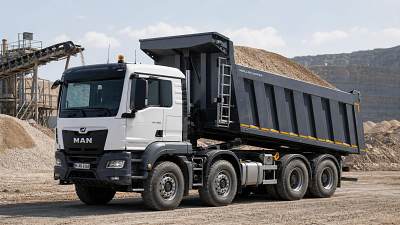
Although pure off-road dump trucks dominate large mines, many operators still use road-legal tippers for short mineral or aggregate transfer routes between quarry access points, stockyards, and processing areas. This scenario demands reinforced body structures, abrasion-resistant liners, stronger tires, and extra attention to center-of-gravity control. A general-purpose truck tipper supplier may not be enough unless they can customize for harsh material impact and rough loading conditions.
Municipal engineering and utility work
Drainage projects, trench excavation, landscaping, and road maintenance usually involve lighter but more varied loads. Vehicles may move between narrow streets and soft shoulders. In this setting, flexibility matters more than maximum tonnage. A truck tipper supplier with experience in municipal applications can recommend shorter wheelbases, practical sideboard options, and faster unloading configurations.
Scenario comparison: what operators should compare before choosing a truck tipper supplier
The table below helps translate operational scenes into supplier evaluation criteria. It is especially useful when multiple departments are involved in purchase decisions.
Key differences in supplier requirements across mixed-use environments
When comparing a truck tipper supplier, users should not assume that “heavy-duty” automatically means “best.” In many mixed-use fleets, balance is more valuable than maximum specification. The right choice depends on how road efficiency and site toughness interact in daily work.
Body design and material selection
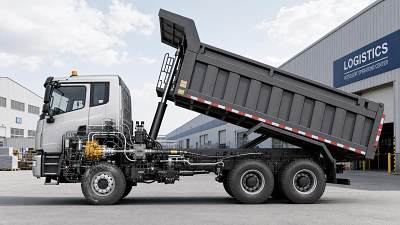
If the truck carries abrasive rock or demolition debris, higher-strength steel and wear-resistant floors may be essential. If it mainly hauls soil, sand, or lighter bulk material, a lighter body may improve legal payload and fuel economy on roads. A strong truck tipper supplier should explain the trade-off clearly instead of pushing a one-size-fits-all body.
Chassis and axle suitability
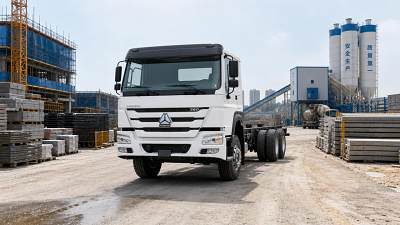
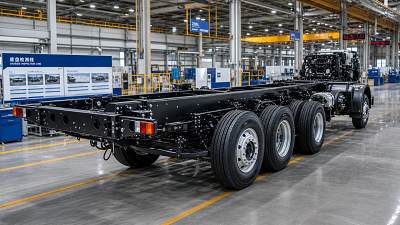
Road travel rewards lower tare weight and better efficiency, while site entry often requires stronger frame reinforcement, axle capacity, and ground clearance. Operators should ask whether the chassis is engineered for actual mixed use or simply adapted from a highway truck. The best truck tipper supplier will discuss axle layout, wheelbase, frame strength, and tire options in relation to route conditions.
Hydraulic system reliability
Hydraulic failure can stop a vehicle immediately. In mixed-use fleets, cylinders, seals, pumps, and hoses must survive both road vibration and dirty site conditions. A dependable truck tipper supplier should specify hydraulic brand quality, maintenance intervals, protection routing, and support availability for replacement parts.
Driver safety and operational visibility
Mixed-use operators often reverse into crowded areas, unload on sloped ground, and interact with workers or equipment nearby. Good mirror layout, camera options, step access, warning systems, and stable tipping geometry matter greatly. Safety should not be treated as a premium extra if the vehicle regularly works between roads and active sites.
How to judge whether a truck tipper supplier fits your workload
A practical supplier evaluation process should connect technical claims to real operational proof. Users and fleet managers can use the following approach to make a stronger decision.
1. Define the route mix clearly
Estimate how much time the vehicle spends on paved roads, broken roads, and active job sites. A truck tipper supplier can only give suitable recommendations if you provide realistic route percentages, load types, trip distances, and unloading frequency.
2. Match body volume to material density
Many buyers choose body size by appearance rather than density and legal payload. A trustworthy truck tipper supplier should calculate whether the body will overload axles with wet soil, crushed stone, or mixed debris. This helps avoid underperforming trucks and compliance problems.
3. Ask for configuration logic, not just specifications
A professional supplier should explain why a certain suspension, tire, steel grade, or hydraulic setup suits your scenario. If the recommendation has no operational reasoning behind it, the vehicle may be based on stock availability rather than application fit.
4. Review after-sales coverage where the truck actually works
Mixed-use vehicles often fail far from major service centers. Confirm spare parts lead time, mobile service options, technical response speed, and warranty handling. The value of a truck tipper supplier is proven after delivery, not before it.
Common misjudgments when selecting for road and site operations
Several mistakes appear repeatedly in the market, especially when purchase teams focus only on unit price or maximum advertised capacity.
- Choosing the largest body without checking legal gross weight and axle distribution.
- Assuming quarry-style reinforcement is always better, even when it reduces road payload efficiency.
- Ignoring unloading ground conditions and selecting a high center-of-gravity body for unstable sites.
- Comparing engine power while overlooking hydraulic quality and body workmanship.
- Accepting limited service support because the purchase price looks attractive.
A reliable truck tipper supplier should actively warn buyers about these risks. If a supplier does not ask detailed questions about load material, route condition, tipping frequency, and maintenance capability, that is often a sign that the proposal is too generic.
What operators should ask before making a final decision
Before confirming an order, operators and buyers should prepare direct questions that reveal whether a truck tipper supplier truly understands mixed-use demands.
- Which previous customers use this configuration for both road transport and job-site tipping?
- What body steel grade, floor thickness, and sidewall design are recommended for my material type?
- How does the supplier control tipper stability on uneven unloading surfaces?
- What maintenance items are most common in the first year of mixed-use operation?
- Are spare hydraulic and structural parts available locally or through a fast export channel?
- Can the supplier adapt the specification if routes or regulations change later?
FAQ about choosing a truck tipper supplier
Is the cheapest truck tipper supplier ever the best option for mixed use?
Usually no. A lower initial price can lead to higher fuel use, faster body wear, more hydraulic failures, and weaker support. Mixed-use operations magnify these problems because the truck must perform under changing conditions every day.
Should I prioritize payload or durability?
For most road-and-site fleets, the better answer is optimized balance. Too much focus on payload may reduce body life and tipping stability. Too much reinforcement may reduce legal earning capacity on roads. A skilled truck tipper supplier should help find the best compromise.
What matters most for operators on real job sites?
Stable tipping, visibility, easy maneuvering, dependable hydraulics, and minimal downtime usually matter more than brochure numbers. Operators benefit most when the supplier understands actual workflow, not just technical listings.
Final guidance for selecting the right supplier
The best truck tipper supplier for mixed road and site use is not simply the one with the most powerful truck or the lowest quotation. It is the supplier that can translate your operating scene into the right body, chassis, hydraulic, and support solution. For operators, that means safer unloading, better vehicle control, stronger uptime, and more predictable cost per trip.
If your work includes public roads, unstable access tracks, construction zones, quarry routes, or municipal sites, begin with a clear picture of your real duty cycle. Then compare each truck tipper supplier by scenario fit, not by sales claims alone. A supplier with industry knowledge, practical customization, and dependable after-sales support will usually create better long-term value than a standard offer that only looks good on paper.
For global buyers exploring reliable heavy transport solutions, using a specialized industry platform can make this process faster and more transparent. By comparing qualified manufacturers, configurations, and service capabilities in one place, you can identify a truck tipper supplier that matches your mixed-use application with greater confidence.
Recommended News
 Buying GuideContainer Trailer Buying Guide: Payload, Axles, and Cost FactorsContainer trailer buying guide covering payload, tandem vs tri-axle options, and total cost factors. Compare specs, improve compliance, and choose the right trailer with confidence.
 Buying GuideDump Truck Buying Guide: Payload, Fuel Use, and Maintenance RisksDump truck buying guide covering payload, fuel use, and maintenance risks. Learn how to compare real operating cost, uptime, and supplier support before you buy.
 Buying GuideTruck Crane Selection Guide for Lifting Capacity and Jobsite SafetyTruck crane selection guide covering lifting capacity, radius, boom reach, and jobsite safety. Learn how to compare models and choose the right crane for efficient, compliant project performance.
 Buying GuideTruck Tipper OEM Checklist: Build Quality, Lead Time, and SupportTruck tipper OEM checklist for buyers: compare build quality, lead time, and after-sales support to reduce risk, control total cost, and choose a supplier with confidence.
 Buying GuideHow to Choose a Truck Cement Distributor for Steady OutputTruck cement distributor selection affects unloading speed, residue, and uptime. Learn how to compare tank design, discharge performance, cost, and supplier support.
 Buying GuideSemi Trailer Supplier Comparison: Specs, Warranty, DeliverySemi trailer supplier comparison guide covering specs, warranty, and delivery. Learn how to reduce sourcing risk, compare suppliers smarter, and choose reliable long-term partners.
 Buying GuideTruck Trailer Sourcing: 7 Risks to Check Before OrderingTruck trailer sourcing starts with risk control. Discover 7 critical checks on specs, compliance, build quality, parts, and total cost before you place an order.
 Buying GuideHow to Evaluate a Light Duty Truck Manufacturer in USALight duty truck manufacturer in USA evaluation guide: compare quality, compliance, service, and total cost to choose a reliable supplier and make smarter fleet purchasing decisions.
 Buying GuideHeavy Duty Trucks for Sale: 7 Checks Before You Compare OffersHeavy duty trucks for sale: compare offers smarter with 7 essential checks on specs, condition, compliance, supplier trust, and total cost before you buy.
 Buying GuideHow to Choose a Reliable Excavator Supplier in 2026Excavator supplier selection in 2026 goes beyond price. Learn how to verify quality, delivery, service, and parts support to choose a reliable partner with confidence.
 Buying GuideWhat to Check in an Excavator Manufacturer CatalogExcavator manufacturer catalog guide: learn what to check in specs, hydraulics, durability, emissions, attachments, and service support to compare suppliers with confidence.
 Buying GuideHow to Choose a Light Duty Truck With a Durable EngineLight duty truck with durable engine buying guide: compare engine durability, fuel economy, supplier support, and lifecycle cost to choose a reliable truck that reduces downtime.
 Buying GuideTruck Pump Selection: Flow, Pressure, and Duty CycleTruck pump selection starts with the right flow, pressure, and duty cycle. Learn how to match real truck applications for better uptime, efficiency, and longer service life.
 Buying GuideHow to Choose a Cab Chassis Truck for Construction ProjectsCab chassis truck for construction buying guide: learn how to match axle layout, wheelbase, frame strength, and lifecycle cost to project needs for smarter fleet decisions.
 Buying GuideExcavator Manufacturer Supplier Comparison: Quality Control Points That MatterExcavator manufacturer supplier comparison guide: learn the quality control points that reduce risk, improve reliability, and help buyers choose with confidence.
 Buying GuideHeavy Truck Chassis Manufacturer Checklist for Durability and Axle LayoutHeavy truck chassis manufacturer checklist covering durability, axle layout, quality control, and lifecycle cost. Compare suppliers smarter and choose a chassis built for long-term fleet performance.
 Buying GuideHow to Evaluate an Excavator Manufacturer in USA for Long-Term Parts SupportExcavator manufacturer in USA selection should go beyond specs. Learn how to assess long-term parts support, dealer strength, and uptime protection before you buy.
 Buying GuideWhat to Check Before Choosing a Construction Machinery SupplierConstruction machinery supplier selection starts with the right checks. Learn how to compare quality, certifications, delivery, and after-sales support to reduce risk and buy with confidence.
 Buying GuideHow to Choose a Bulldozer for Construction Site ConditionsBulldozer for construction selection starts with site conditions. Learn how to match size, blade, tracks, and cost factors to boost productivity and reduce downtime.
 Buying GuideTruck Trailer Bulk Order: How to Compare Price, Lead Time, and QualityTruck trailer bulk order decisions should go beyond the lowest quote. Learn how to compare price, lead time, quality, and supplier reliability for better fleet value.
 Buying GuideHow to Choose a Light Commercial Vehicle for Last Mile DeliveryLearn how to choose a light commercial vehicle for last mile delivery by comparing payload, cargo space, powertrain, and total cost to improve urban efficiency and fleet ROI.
![]() Buying GuideHow to Choose a Delivery Truck Supplier in USA Without Costly DelaysDelivery truck supplier in USA selection affects uptime, compliance, and delivery speed. Learn how to avoid costly delays, compare suppliers smarter, and choose a lower-risk fleet partner.
Buying GuideHow to Choose a Delivery Truck Supplier in USA Without Costly DelaysDelivery truck supplier in USA selection affects uptime, compliance, and delivery speed. Learn how to avoid costly delays, compare suppliers smarter, and choose a lower-risk fleet partner. Buying GuideHow to Evaluate a Crane Truck Supplier for Fleet ReliabilityCrane truck supplier selection affects uptime, parts access, and long-term fleet performance. Learn how to compare quality, support, and export capability with confidence.
 Buying GuideCrane Truck Quotation Checklist: Specs That Change the Final PriceCrane truck quotation guide: compare chassis, boom, axles, outriggers, compliance, and hidden costs before you buy. Get smarter quotes and avoid costly sourcing mistakes.
 Buying GuideDump Truck Bulk Order Cost Factors and Delivery RisksDump truck bulk order pricing depends on specs, shipping, compliance, and after-sales support. Learn key cost factors, delivery risks, and how to compare quotes with confidence.