Truck Brake System Warning Signs That Should Not Be Ignored
For fleet operators, buyers, and distributors, recognizing truck brake system warning signs is essential to preventing downtime, safety risks, and costly repairs. Whether you source heavy duty trucks for sale, light duty truck models, or commercial vehicle parts, understanding early brake issues helps you evaluate vehicle reliability, maintenance needs, and long-term operating value across the heavy transport market.
In the road transport equipment sector, brake performance is more than a maintenance detail. It directly affects fleet utilization, cargo safety, compliance planning, and resale value. For procurement teams and business evaluators, a truck with hidden brake problems can create unexpected repair cycles, delayed delivery schedules, and higher total cost of ownership within the first 30 to 90 days of operation.
This article explains the most important truck brake system warning signs, why they matter in commercial applications, and how buyers, distributors, and sourcing professionals can use these signals when evaluating complete trucks, chassis platforms, and replacement parts. It also highlights practical inspection points that support smarter sourcing decisions across the global heavy truck supply chain.
Why Brake Warning Signs Matter in Commercial Truck Operations
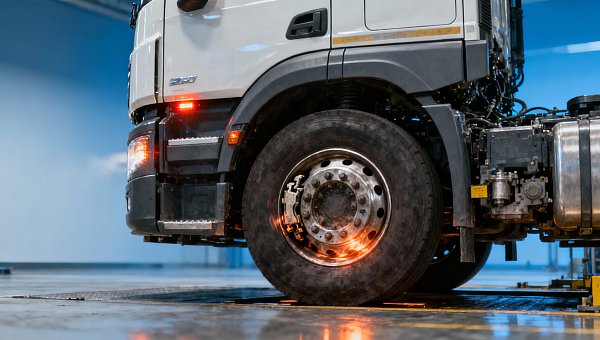
Truck brake systems operate under high load, repeated heat cycles, and variable road conditions. In long-haul logistics, mining transport, municipal engineering, and construction support work, braking components may face stop-and-go stress for 8 to 12 hours per day. A small warning sign that is ignored during inspection can quickly become a major safety issue during loaded operation.
For buyers comparing used or new commercial vehicles, brake condition is also a strong indicator of overall maintenance discipline. Uneven wear, delayed braking response, or frequent pressure loss often suggests wider servicing gaps. That matters when a procurement team is assessing whether a truck can enter service immediately or will require 7 to 14 days of workshop preparation.
Distributors and agents should pay close attention to brake complaints because these issues influence customer satisfaction after delivery. Brake-related failures are highly visible to end users. Unlike cosmetic defects, they affect route planning, payload confidence, and driver trust from day one. In B2B vehicle trade, avoiding early service disputes protects both margin and brand reputation.
The following table outlines how common brake warning signs translate into operational and commercial risk during sourcing and fleet deployment.
For commercial vehicle sourcing, these signs should never be treated as minor. Even when repairable, they affect cost forecasts, delivery timelines, and spare parts planning. A disciplined brake inspection can help buyers compare suppliers more accurately and prevent avoidable losses after purchase.
Brake Issues as an Early Reliability Indicator
When brake wear appears earlier than expected, it may point to mismatched axle loading, poor driver habits, incorrect lining material, or inadequate preventive maintenance. For example, if pads or linings require replacement far below a typical service interval, the truck may not be properly configured for its intended route or payload profile.
That is why technical buyers often review brake condition alongside tire wear, suspension state, and service records. Looking at these systems together gives a more accurate picture than evaluating the brake system in isolation.
The Most Common Truck Brake System Warning Signs
Brake system problems rarely begin with complete failure. In most cases, they show progressive symptoms that become more obvious over several operating cycles. Recognizing these symptoms early helps buyers and fleet managers reduce downtime, especially when trucks are expected to run 300 to 800 kilometers per day.
Unusual Noise, Heat, and Vibration
A high-pitched squeal often means friction material is near its wear limit. A grinding sound is more serious and may suggest metal-to-metal contact. If a wheel end becomes unusually hot after a short run of 20 to 30 kilometers, the issue may involve dragging brakes, poor adjustment, or sticking components. Excessive heat shortens part life and can damage drums, rotors, seals, and bearings.
Steering wheel shake or brake pedal vibration is another warning sign. In commercial trucks, vibration can result from uneven rotor thickness, drum distortion, contamination, or imbalance in braking force across the axle. For trucks moving heavy loads on gradients, even moderate vibration should trigger an inspection before the next dispatch cycle.
Slow Response, Pedal Changes, and Air Pressure Loss
A brake pedal that feels soft, sinks too far, or requires extra force should not be dismissed as normal aging. In hydraulic systems, this may indicate fluid loss, air in the line, or cylinder wear. In air brake systems, delayed brake engagement or repeated low-pressure warnings may point to compressor, valve, hose, or chamber problems. A pressure drop outside normal build-up and retention behavior needs immediate diagnosis.
Warning lamps and audible alarms also deserve careful attention. While electronic alerts do not always confirm a critical defect, they often indicate sensor irregularities, ABS faults, or unstable pressure conditions. For buyers evaluating truck inventory, an illuminated brake or ABS warning light should always be investigated with a road test and system scan where applicable.
Typical Signs to Check Before Purchase or Deployment
- Noise during low-speed braking, especially below 15 km/h, which often reveals wear or contamination.
- Brake fade after repeated stops, suggesting overheating or inadequate component condition.
- Air pressure warning that appears too frequently during short idle-to-drive cycles.
- Pulling to one side, particularly during moderate braking from 40 to 60 km/h.
- Visible fluid leakage, cracked hoses, corroded fittings, or uneven lining thickness.
These symptoms should be documented during technical inspection reports. For distributors, such reporting also helps explain refurbishment scope and justify pricing differences between otherwise similar units.
How Buyers and Procurement Teams Should Evaluate Brake Condition
Brake inspection is not only a workshop task. It is also part of commercial due diligence. Whether you are sourcing complete trucks, replacement axles, brake chambers, drums, rotors, or repair kits, the quality of the brake system influences service life, parts demand, and after-sales workload. Procurement teams should standardize inspection criteria across at least 4 key dimensions: visual condition, response behavior, maintenance history, and parts availability.
A practical pre-purchase evaluation often begins with a visual check, followed by a static pressure test and a controlled road test. If the truck is intended for export, project work, or dealer stock, this process can save significant time later by reducing rework before delivery. Even a 2-hour inspection checklist can prevent much larger workshop delays after arrival.
The table below provides a simple framework that procurement teams can use when comparing trucks or brake-related spare parts suppliers.
This framework is especially useful for international B2B trade. Buyers may source from one region and deploy in another, so the brake system must be evaluated not only for current condition but also for parts support over the next 6 to 24 months of operation.
Inspection Priorities for Different Buyer Types
A fleet operator may focus on uptime and maintenance cycles. A distributor may prioritize refurbishment cost and resale readiness. A project buyer may care most about whether the truck can work safely under full load in demanding terrain. These priorities differ, but the brake system remains a common screening point in every scenario.
Recommended 5-Step Brake Evaluation Process
- Review service records for previous brake replacement intervals and unresolved faults.
- Inspect visible components including hoses, chambers, calipers, drums, rotors, and fittings.
- Test pressure behavior or pedal feel under static conditions for 10 to 15 minutes.
- Conduct a controlled road test at low and medium speed to detect pull, noise, and vibration.
- Estimate immediate spare parts requirements and confirm supplier availability.
When this process is standardized, sourcing decisions become more transparent. That is particularly important on digital B2B platforms where multiple suppliers and equipment conditions must be compared efficiently.
Common Causes Behind Brake Warning Signs and Their Business Impact
Brake warning signs do not always come from the brake components alone. In commercial truck applications, the root cause may involve driving conditions, overloading, poor axle balance, incompatible replacement parts, or delayed preventive maintenance. For example, repeated downhill operation without proper retarder use can accelerate heat-related wear well beyond normal urban transport patterns.
Another frequent issue is mismatched spare parts quality. Low-grade friction materials may create faster wear, more dust, unstable braking feel, or heat cracking. For distributors and procurement officers, the lowest unit price can become the highest operating cost if replacement cycles are shortened from a normal range to an uneconomical service frequency.
Moisture, contamination, and corrosion also matter. Trucks used in coastal regions, mines, or infrastructure projects often face harsher conditions than highway-only units. Water ingress, dust buildup, and long idle periods can affect valves, drums, caliper movement, and air line sealing. That is why route environment should be included in every technical and commercial assessment.
How Brake Faults Affect Total Cost of Ownership
The business impact of brake problems extends beyond repair invoices. A truck removed from service for 3 to 5 days can disrupt delivery schedules, driver planning, and customer commitments. If parts are not locally available, downtime may extend to 1 to 3 weeks depending on shipping lead time and workshop capacity. For project fleets, that delay can affect equipment allocation across multiple sites.
Brake defects can also increase tire wear, wheel end heat stress, and fuel inefficiency caused by drag. Over time, one unresolved issue may create secondary replacement needs in adjacent systems. This is why smart buyers look at brake system health as a multi-cost factor rather than a single repair item.
Typical Causes Buyers Should Discuss with Suppliers
- Overloading beyond intended axle configuration or route design.
- Inconsistent maintenance intervals for lubrication, adjustment, and system checks.
- Use of mixed brake parts from different quality levels or incompatible specifications.
- Long operation in dust, mud, steep grades, or stop-start urban delivery cycles.
By discussing these causes before purchase, buyers can clarify whether a warning sign reflects normal wear, poor maintenance history, or a mismatch between vehicle configuration and actual application.
Maintenance, Spare Parts Strategy, and Sourcing Recommendations
A reliable brake system depends on both product quality and maintenance discipline. For fleets, this means building inspection routines around operating intensity. For buyers and distributors, it means sourcing trucks and spare parts from suppliers that can support documentation, component traceability, and practical replacement planning. A brake system that is easy to service is often more valuable than one that only looks competitive at purchase.
Preventive checks should be scheduled according to route type, load profile, and duty cycle. Urban delivery trucks may need more frequent brake inspections because of repeated starts and stops, while long-haul tractors may require close attention to heat-related wear after mountain or high-load routes. A 10,000 to 20,000 kilometer check interval is common in many operating environments, but harsh-duty applications may justify shorter cycles.
For B2B buyers using an international platform, sourcing strategy should include more than the truck itself. It should also consider access to brake pads or linings, drums or rotors, chambers, valves, hoses, sensors, and related repair kits. The ability to secure routine wear parts within 7 to 15 days can significantly improve fleet readiness and dealer responsiveness.
What to Ask Before Buying Trucks or Brake Parts
Buyers should request inspection records, ask whether recent brake work used original-equivalent or economy-grade components, and confirm what items are included in delivery. For trucks, clarify whether the unit is road-ready or sold as-is. For parts, confirm specification consistency, packaging protection, and lead time for repeat orders.
The table below can be used as a practical sourcing checklist for procurement teams, distributors, and commercial evaluators.
A strong sourcing process links technical inspection with supplier capability. This approach is especially valuable on a global B2B platform where buyers compare multiple truck categories, spare parts sources, and regional supply options in one place.
FAQ: Practical Questions from Buyers and Fleet Teams
How often should commercial truck brakes be inspected?
The right interval depends on route severity, load, and braking frequency. In many commercial operations, a visual and functional check every 10,000 to 20,000 kilometers is a reasonable starting point. High-demand applications such as mining support, steep terrain, or urban distribution may require shorter intervals and more frequent wheel-end temperature checks.
Are brake warning lights always a sign of major failure?
Not always, but they should never be ignored. Some alerts relate to sensors or electrical faults, while others indicate pressure or ABS issues that directly affect safety. Buyers should treat every warning light as a trigger for diagnosis rather than assumption.
What matters more when buying brake parts: price or replacement cycle?
In most B2B transport scenarios, replacement cycle and braking consistency matter more than the lowest initial price. If a lower-cost part reduces service life or creates uneven wear, the total operating cost often increases through extra labor, downtime, and secondary component damage.
Recognizing truck brake system warning signs early helps buyers, fleet operators, and distributors make better technical and commercial decisions. Noise, heat, vibration, pressure instability, and uneven braking response are not minor details in the heavy transport market. They are signals that affect safety, uptime, maintenance cost, and long-term asset value.
For companies sourcing complete trucks, chassis, or commercial vehicle spare parts through a global B2B marketplace, brake system evaluation should be part of every serious procurement workflow. If you want to compare suppliers, assess truck condition, or build a more reliable spare parts strategy, now is the right time to review your sourcing criteria in detail.
Contact us today to explore suitable truck products, brake-related components, and sourcing support tailored to your transport, distribution, or project requirements. You can also consult us for more heavy truck solutions and supplier matching options across the global commercial vehicle industry.
Trending News
- Water Truck Factory Checklist: What to Confirm Before Factory Audit
- High-Strength Flatbed Trailers: Where Stronger Steel Pays Off
- Excavator Manufacturer in China: How to Compare Quality Across Factories
- Heavy Equipment Export to Africa: Market Openings and Compliance Challenges
- Quick Installation Excavators: Do They Reduce Setup Time on Real Sites?
Tag
Recommended News
 Truck TechnologyHigh-Strength Flatbed Trailers: Where Stronger Steel Pays OffFlatbed trailer supplier with high strength expertise helps fleets cut tare weight, improve durability, and lower lifecycle cost. See what specs matter most before you buy.
 Truck TechnologyBulldozer for Construction: Matching Blade Type to Ground ConditionsBulldozer for construction guide: learn how to match S, U, and SU blades to soil, clay, rock, and mixed ground for better productivity, lower fuel use, and smarter equipment selection.
 Truck TechnologyWhen Fireproof Materials Add Real Value in Semi Trailer ManufacturingSemi trailer manufacturer with fireproof materials: discover how fire-resistant designs improve cargo safety, reduce risk, and support smarter sourcing decisions.
 Truck TechnologyWhat a Durable Engine Really Means in a Light Duty TruckLight duty truck with durable engine: learn how real engine durability improves uptime, fuel savings, and lower maintenance across delivery, construction, rural, and municipal work.
 Truck TechnologySemi Trailer Manufacturer With Lightweight Design: Pros, Trade-Offs, and Use CasesSemi trailer manufacturer with lightweight design: explore key benefits, trade-offs, and best-fit use cases to improve payload efficiency, durability, and lifecycle ROI.
 Truck TechnologyTruck Tipper for Construction: Key Specs That Affect Daily ProductivityTruck tipper for construction buying guide: learn which specs most affect payload, fuel use, unloading speed, and uptime to choose a safer, more productive model.
 Truck TechnologyWhy Logging Truck Manufacturer Design Matters in Tough TerrainLogging truck manufacturer design shapes safety, traction, and uptime in tough terrain. Learn what features matter most for forestry hauling and choose trucks built for real-world performance.
 Truck TechnologyWhy Logging Truck Manufacturer Design Matters in Tough TerrainLogging truck manufacturer design shapes safety, traction, and uptime in tough terrain. Learn what features matter most for forestry hauling and choose trucks built for real-world performance.
 Truck TechnologyWhy Logging Truck Manufacturer Design Matters in Tough TerrainLogging truck manufacturer design shapes safety, traction, and uptime in tough terrain. Learn what features matter most for forestry hauling and choose trucks built for real-world performance.
 Truck TechnologyAre Fireproof Materials Worth It in a Semi Trailer ManufacturerSemi trailer manufacturer with fireproof materials: discover if the added cost delivers real safety, lower risk, and better cargo protection with a practical supplier evaluation checklist.
 Truck TechnologyWhy High-Strength Design Matters in a Flatbed Trailer SupplierFlatbed trailer supplier with high strength: learn why structural design, material quality, and fatigue resistance matter for safer transport, longer service life, and lower operating costs.
 Truck TechnologyAdvanced Technology in Heavy Truck Chassis Manufacturing: What to Look ForHeavy truck chassis manufacturer with advanced technology: learn how to assess welding, materials, precision, and validation for long-haul, construction, mining, and special-purpose fleets.
 Truck TechnologyCan Fireproof Materials Improve Semi Trailer Safety in Logisticssemi trailer manufacturer with fireproof materials solutions can reduce cargo loss, improve fleet safety, and support reliable logistics. Discover how to choose the right fire-resistant trailer design.
 Truck TechnologyWhy Advanced Technology Matters in Heavy Truck Chassis ManufacturingHeavy truck chassis manufacturer with advanced technology: learn how digital design, precision welding, and rigorous testing improve durability, safety, and sourcing confidence.
 Truck TechnologyKazakhstan Extends Zero-Tariff List for China-Europe Rail Truck Parts to 2027Kazakhstan extends zero-tariff status for China-Europe rail truck parts to 2027—boosting ADAS, CAN-FD, and EBS component exports. Act now to optimize logistics & compliance.
 Truck TechnologyKazakhstan Extends Zero-Tariff for China’s Truck Parts to 2027Kazakhstan extends zero-tariff for China’s truck parts to 2027—now covering 12 intelligent vehicle control components. Boost exports, cut costs, and accelerate rail freight along the China-Europe corridor.
 Truck TechnologyWhy Lightweight Semi Trailer Design Matters More in Long-Haul OperationsSemi trailer manufacturer with lightweight design expertise helps long-haul fleets boost payload, cut fuel costs, and improve ROI with durable, compliant trailer solutions.
 Truck TechnologyTruck Trailer OEM Selection: Key Specs That Affect Service LifeTruck trailer OEM selection starts with the specs that define service life. Compare steel, axles, welding, suspension, and corrosion protection to reduce risk and choose smarter.
 Truck TechnologyTruck Tipper OEM Options Compared by Body Design and Payload NeedsTruck tipper OEM options compared by body design and payload needs. Discover the best-fit tipper for construction, mining, and transport with expert selection insights.
 Truck TechnologySASO Releases New Cybersecurity Standard for Commercial Trucks in Saudi ArabiaSASO IEC 62443-3-3:2026 mandates OTA firmware auditing for connected commercial trucks in Saudi Arabia — critical for exporters, cybersecurity providers & telematics integrators. Act now to meet Q3 2026 compliance.
 Truck TechnologyTC521 Advances Smart Heavy-Duty Truck Remote Diagnostics StandardTC521 advances smart heavy-duty truck remote diagnostics standard—aligning with ISO 27145 & EU GDPR. Critical for OEMs, telematics providers, and exporters targeting EU, ME & AU markets.
 Truck TechnologyFireproof Semi Trailers: Where the Materials Matter Most in Daily TransportSemi trailer manufacturer with fireproof materials: discover how safer flooring, wall panels, cable protection, and heat shielding reduce risk, protect cargo, and improve daily transport reliability.
 Truck TechnologyHow High-Strength Flatbed Trailers Reduce Repair Risk in Heavy Cargo TransportFlatbed trailer supplier with high strength solutions help reduce repair risk in heavy cargo transport through better durability, safer load support, and lower downtime.
 Truck TechnologyChina Advances Smart Heavy-Duty Truck Remote Diagnostics Standard for EU ComplianceSmart heavy-duty truck remote diagnostics: China's new GB/T standard aligns with EU UNECE R155/R156—key for exporters, OEMs & TSPs. Act now.
 Truck TechnologyKey Build Features to Compare in a Logging Truck ManufacturerLogging truck manufacturer comparison guide: explore chassis strength, payload, drivetrain, hydraulics, durability, and service support to choose a truck built for harsh forestry work.