Air Disc or Drum? Choosing the Right Truck Brake System
When comparing air disc and drum options, the right truck brake system can affect safety, maintenance costs, and fleet efficiency. For buyers sourcing heavy duty trucks for sale, cab chassis truck models, or commercial vehicle parts, understanding brake performance is essential. This guide helps procurement teams, distributors, and market researchers evaluate which system best fits different transport applications and operating demands.
In the road transport equipment sector, brake system selection is rarely a simple preference decision. It influences stopping consistency under load, workshop labor hours, spare parts planning, vehicle uptime, and even the resale profile of a truck after 3–5 years of operation. For international B2B buyers, the choice also affects supplier matching, lifecycle budgeting, and regional compliance expectations.
On a global heavy truck sourcing platform, buyers often compare complete trucks, cab chassis configurations, trailers, and brake components across multiple markets at the same time. That means the question is not only “Which brake system is better?” but also “Which brake system is more suitable for my route type, payload cycle, maintenance capability, and procurement model?”
Understanding How Air Disc and Drum Brakes Differ
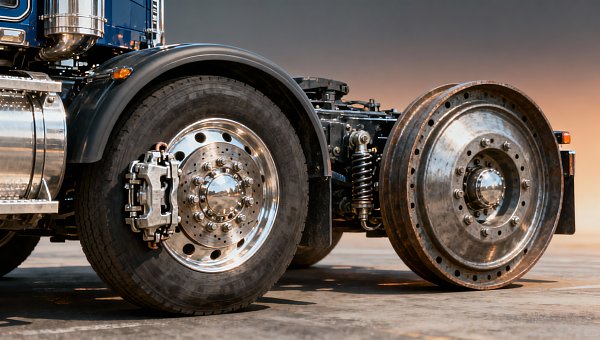
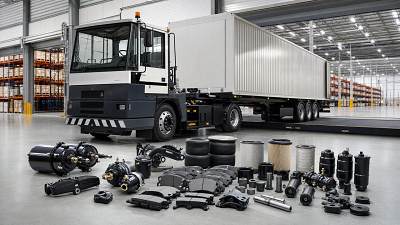
Air disc brakes and drum brakes both use compressed air as the actuation source on commercial vehicles, but their friction structures are different. A disc system uses a rotor and caliper arrangement, while a drum system relies on brake shoes expanding against the inside of a rotating drum. This design difference shapes heat dissipation, response speed, wear patterns, and maintenance procedures.
For heavy-duty trucks operating at gross combinations above 18 tons, braking stability during repeated deceleration matters more than a single stop test. Air disc systems are generally valued for faster response and stronger fade resistance. Drum systems are still widely used because they remain robust, cost-effective, and familiar to service networks in many regions.
Procurement teams should avoid assuming one system fits every transport task. Long-haul express logistics, construction haulage, mining support vehicles, and municipal fleet trucks often have very different brake duty cycles. A truck running 600–900 km per day on highways faces different thermal demands than a short-distance tipper making 20–40 stop-start cycles on rough roads.
Core mechanical differences
Disc brakes expose the rotor to airflow, which usually allows quicker cooling after repeated braking events. Drum brakes enclose the friction area, which can support durable operation in dirty environments but typically retains more heat. In practice, that can affect stopping repeatability on downhill routes or high-speed logistics corridors.
Another operational difference is inspection access. On many truck models, pad wear on an air disc brake can be checked more directly, while drum systems may require more disassembly for full inspection of shoe and drum condition. Over a 12-month fleet cycle, this difference can influence workshop scheduling and labor allocation.
The following comparison table helps buyers evaluate the two brake systems across practical commercial vehicle criteria rather than abstract product claims.
The key takeaway is that air disc brakes often improve control, heat management, and inspection efficiency, while drum brakes continue to offer cost and service-network advantages. Buyers comparing truck brake system options should therefore match hardware characteristics with real operating conditions rather than use a one-size-fits-all rule.
Which Brake System Fits Different Truck Applications?
Application matching is where procurement decisions become practical. A regional distributor may stock both systems because customer demand differs between line-haul tractors, municipal service vehicles, cargo trucks, construction chassis, and trailer combinations. Route length, average speed, road gradient, axle load, and driver behavior all influence the better fit.
For example, a highway tractor pulling a semi-trailer over 500–1,200 km routes may benefit from air disc brakes due to stable braking at speed, especially where repeated deceleration is common around toll stations, urban delivery zones, or mountain corridors. By contrast, a dump truck working on mixed paved and unpaved routes may still perform effectively with drum brakes if the maintenance team is experienced and the duty cycle is lower-speed, lower-heat, and highly cost-sensitive.
Buyers evaluating cab chassis truck configurations should also consider body-builder influence. Once a vehicle is converted into a tanker, mixer, crane truck, or refrigerated body, the loaded operating profile changes. That means the original truck brake system specification should be reviewed against the final application, not only the base chassis catalog.
Typical application guidance
- Long-haul logistics tractors: air disc brakes are often preferred for repeated high-speed control and easier pad monitoring.
- Urban distribution fleets: air disc brakes can support frequent stop cycles and reduce inspection time across 30–100 vehicle fleets.
- Construction and tipper trucks: drum brakes may remain attractive where mud, dust, and low-speed use dominate daily operation.
- Municipal and utility vehicles: choice depends on route density, annual mileage, and local workshop skill level.
- Export trailer packages: mixed specification is common, especially when target markets prioritize service simplicity and low entry cost.
Decision factors by operating environment
In mountainous routes with long descents of 5–15 km, thermal consistency becomes a priority. In those cases, air disc systems often receive stronger consideration, especially when paired with engine braking or retarders. In urban last-mile operations, the cumulative effect of 50–120 brake events per day can also make disc systems attractive.
However, for fleets in remote areas where parts supply takes 7–21 days and roadside repair capability is limited, drum brakes may still be the more practical option. B2B buyers should therefore compare not only vehicle performance but also parts stocking depth, service training, and downtime exposure.
The table below summarizes how different road transport equipment applications align with brake system priorities.
This comparison shows that the right truck brake system is highly context-driven. For distributors and procurement managers, the strongest buying decision usually comes from mapping route conditions, service infrastructure, and total operating cost over at least 24–36 months.
Cost, Maintenance, and Lifecycle Impact for Fleet Buyers
Purchase price is only one part of the brake system decision. In commercial vehicle procurement, the more important question is how the system affects cost per kilometer, workshop frequency, technician time, and unscheduled downtime. A lower upfront specification can become more expensive if it increases service interruptions or reduces brake consistency under demanding operation.
Air disc brake systems often carry a higher initial vehicle cost, but they may help reduce inspection time and improve service predictability in organized fleets. Drum brakes may offer lower entry cost and broad spare parts availability, which is valuable for price-sensitive markets or mixed-brand fleets where technicians already hold the required service experience.
For procurement teams managing 20, 50, or 200 trucks, even small labor differences matter. If one brake inspection routine saves 20–40 minutes per axle during scheduled service, the annual fleet effect can be significant. At the same time, if local parts for a disc system require 10–14 extra days of lead time, that advantage can disappear in remote or volatile markets.
Lifecycle cost checkpoints
- Compare initial vehicle price difference against expected service interval over 24–36 months.
- Review local spare parts stock for pads, rotors, calipers, shoes, drums, seals, and air valves.
- Estimate workshop labor time per maintenance event and multiply by annual fleet volume.
- Assess downtime risk if parts are not locally available within 48–72 hours.
- Include driver performance, route severity, and load discipline in maintenance planning.
Common maintenance considerations
Disc systems generally reward fleets with preventive maintenance discipline and better diagnostic workflows. Drum systems often suit operations where ruggedness and familiar repair methods matter more than quick visual inspection. Neither system is low-maintenance if the air circuit, slack adjustment condition, axle alignment, or load distribution is poorly managed.
Distributors selling commercial vehicle parts should also look at turnover. In some markets, drum-related parts may move faster because of installed base size, while air disc parts may support higher-value aftermarket opportunities. The right inventory strategy depends on whether the dealer network serves modern line-haul fleets, construction operators, or mixed used-truck buyers.
A Practical Procurement Framework for International B2B Buyers
International sourcing introduces variables beyond engineering performance. Buyers on a global heavy truck industry platform often compare suppliers across different production standards, export specifications, and service capabilities. The brake system decision should therefore be integrated into a broader procurement framework that includes truck configuration, aftersales support, documentation clarity, and supplier responsiveness.
For business evaluation teams, it is useful to create a 4-part review: application fit, service network strength, parts continuity, and total delivered cost. This prevents overemphasis on catalog price alone. A truck with an apparently attractive offer may become a poor choice if the brake system does not match local workshop skill or if spare parts replenishment exceeds a 2–4 week acceptable window.
This is where a specialized B2B platform adds value. Buyers can compare heavy-duty trucks, chassis cabs, trailers, and spare parts from multiple suppliers in one place, then shortlist partners based on technical compatibility and trade reliability. That approach is especially useful for distributors building product portfolios or fleet owners standardizing future purchases.
Supplier evaluation checklist
Before placing orders, ask suppliers to confirm brake system layout by axle, available spare parts kits, service manuals, and recommended maintenance intervals. Also check whether the truck is designed for regional regulations, terrain type, and trailer compatibility. Small omissions at quotation stage can create major issues after delivery.
The following table provides a useful structure for procurement and commercial review teams.
For distributors and sourcing managers, the most reliable purchasing model is to compare technical details and support capability side by side. A professional heavy truck sourcing platform can shorten that process by helping buyers discover suitable suppliers, review product categories efficiently, and connect brake system choice with the wider vehicle lifecycle.
Common Mistakes, FAQs, and Final Selection Advice
Even experienced buyers can make brake system decisions based on habit instead of route data. One common mistake is choosing drum brakes only because they are cheaper at purchase stage, without measuring maintenance labor and performance consistency. Another is specifying air disc brakes for every truck type without checking whether local workshops can support the system efficiently.
A second mistake is evaluating the brake system separately from the rest of the truck. Brake choice should align with axle rating, payload profile, trailer coupling, average speed, retarder use, and annual mileage. In many fleets, braking performance issues result from poor configuration balance rather than from the brake type alone.
The best selection process usually combines route analysis, supplier consultation, and a realistic service plan. If a fleet covers high-speed corridors and values inspection efficiency, air disc brakes often deserve serious consideration. If the operation works in rough terrain, lower speed, and cost-constrained service conditions, drum brakes may remain the logical solution.
FAQ: How do I choose between air disc and drum for export trucks?
Start with three questions: what is the average route speed, how many brake events occur per day, and how fast can spare parts be supplied locally? If the route is fast, repetitive, or mountainous, air disc brakes usually offer stronger value. If parts access is limited and service teams rely on conventional repair methods, drum brakes may reduce operational risk.
FAQ: Are air disc brakes always more economical over time?
Not always. They can lower some maintenance burdens and improve braking consistency, but lifecycle economics depend on local labor cost, parts pricing, route severity, and downtime exposure. A fleet should model at least 2 years of usage before concluding which truck brake system is more cost-effective.
FAQ: What should distributors stock first?
Stock should reflect installed base. For drum systems, high-turn items often include shoes, drums, hardware kits, and related air components. For air disc systems, pads, rotors, and caliper-related service parts may be critical. Review failure frequency, customer fleet mix, and average replenishment lead time before building inventory.
FAQ: Can a sourcing platform help with brake system decisions?
Yes. A specialized global heavy truck industry platform helps buyers compare truck categories, parts ranges, supplier capabilities, and market information in one workflow. That makes it easier to move from broad product discovery to a focused shortlist built around application fit, service support, and commercial viability.
Choosing between air disc and drum is ultimately a business decision as much as a technical one. The right answer depends on operating environment, fleet scale, service readiness, and supplier reliability. If you are evaluating heavy duty trucks for sale, cab chassis truck options, trailers, or commercial vehicle parts, use a structured sourcing process and compare brake system suitability across the full lifecycle. To identify matching suppliers, review product categories, and get tailored procurement support, contact us today to explore more solutions through the Global Heavy Truck Industry Platform.
Trending News
- Water Truck Factory Checklist: What to Confirm Before Factory Audit
- High-Strength Flatbed Trailers: Where Stronger Steel Pays Off
- Excavator Manufacturer in China: How to Compare Quality Across Factories
- Heavy Equipment Export to Africa: Market Openings and Compliance Challenges
- Quick Installation Excavators: Do They Reduce Setup Time on Real Sites?
Tag
Recommended News
 Fleet ManagementDelivery Truck Supplier in USA: What Matters Most for Fleet ExpansionDelivery truck supplier in USA selection impacts uptime, cost, and fleet growth. Learn how to compare suppliers by route needs, service support, and long-term scalability.
 Buying GuideCost-Effective Delivery Truck Supply: What Low Price May Leave OutDelivery truck supplier with cost-effective solutions: learn what low prices may leave out, from compliance and after-sales support to lifecycle value, so you can source smarter and avoid hidden costs.
 FAQDelivery Truck for School Transportation: Safety Points Before OrderingDelivery truck supplier for school transportation: review key safety points before ordering, from braking and visibility to compliance and passenger protection.
 Buying GuideHow to Choose a Truck Trailer Distributor for Stable After-Sales SupportTruck trailer distributor selection starts with after-sales strength. Learn how to compare service networks, parts support, warranty response, and technical help for long-term uptime.
 Buying GuideWhat to Check Before Choosing a Truck Cement Mixer SupplierTruck cement mixer supplier selection starts with the right checks. Learn how to compare quality, compliance, delivery, and after-sales support to reduce risk and choose with confidence.
 Buying GuideBulldozer Price Guide: What Affects Cost Across Jobsite TypesBulldozer price guide for construction, mining, roadwork, and municipal projects. Compare key cost drivers, avoid overbuying, and source the right dozer with confidence.
 Buying GuideHow to Evaluate a Heavy Truck Chassis Manufacturer with R&D CapabilityHeavy truck chassis manufacturer with R&D capability: learn how to assess engineering strength, validation, compliance, and customization support to choose a reliable supplier.
 Fleet ManagementHow to Choose Commercial Vehicle Parts for Warehouse Fleet UptimeCommercial vehicle parts for warehouse fleets directly impact uptime. Learn how to choose durable, accurate-fit parts and reliable suppliers to reduce downtime and control maintenance costs.
 Buying GuideLogging Truck Supplier Selection: Durability Points That Matter in Tough TerrainLogging truck supplier selection starts with durability. Discover the key strength, traction, braking, and support factors that reduce downtime in tough terrain.
 FAQDump Truck Sourcing Mistakes That Delay Construction ProjectsDump truck sourcing mistakes can delay construction projects, raise hidden costs, and disrupt site schedules. Learn the key risks to avoid and source smarter for faster, more reliable project delivery.
 Buying GuideWhat Makes a Delivery Truck Supplier Suitable for School TransportationDelivery truck supplier for school transportation: learn how to assess safety, compliance, body design, and after-sales support for urban, rural, and school logistics needs.
 Buying GuideHow to Plan a Semi Trailer Bulk Order Without Costly Specification MistakesSemi trailer bulk order planning starts with the right specs. Learn how to avoid costly mistakes, compare suppliers wisely, and secure compliant, fleet-ready trailers.
 Fleet ManagementWhy a Light Duty Truck Manufacturer in USA Still Matters for Fleet ReliabilityLight duty truck manufacturer in USA choices still shape fleet uptime, parts access, and lifecycle value. See what buyers should compare for more reliable operations.
![]() Buying GuideFlatbed Trailer Supplier for Logistics Transportation: What to Check Before OrderingFlatbed trailer supplier for logistics transportation: learn what to check before ordering, from load capacity and compliance to customization and supplier reliability.
Buying GuideFlatbed Trailer Supplier for Logistics Transportation: What to Check Before OrderingFlatbed trailer supplier for logistics transportation: learn what to check before ordering, from load capacity and compliance to customization and supplier reliability. FAQIs a Bulldozer for Construction the Right Fit for Your Site ConditionsBulldozer for construction: learn how terrain, soil, slope, and job size determine the right machine fit. Compare site conditions, avoid costly mismatches, and choose with confidence.
![]() Buying GuideBulldozer Price Guide: What Changes the Final Cost MostBulldozer price explained for finance buyers: compare size, brand, used vs. new, shipping, and service factors that shape total cost and smarter budget decisions.
Buying GuideBulldozer Price Guide: What Changes the Final Cost MostBulldozer price explained for finance buyers: compare size, brand, used vs. new, shipping, and service factors that shape total cost and smarter budget decisions. Buying GuideChoosing a Truck Cement Mixer Supplier for Stable Long-Term OperationTruck cement mixer supplier selection affects uptime, parts access, and lifecycle cost. Use this practical checklist to compare suppliers and choose reliable equipment for stable long-term operation.
 Buying GuideHow to Evaluate a Heavy Truck Chassis Manufacturer With R&D CapabilityHeavy truck chassis manufacturer with R&D capability: learn how to assess engineering strength, testing standards, customization, and reliability to choose the right supplier.
 Buying GuideHow to Shortlist a Water Truck Supplier for Municipal ContractsWater truck supplier shortlist guide for municipal contracts: compare compliance, chassis reliability, service support, and lifecycle value to choose with confidence.
 FAQTruck Trailer Bulk Order: How to Avoid Spec Drift Across BatchesTruck trailer bulk order quality can fail when specs drift across batches. Learn how to lock standards, align suppliers, and protect safety, compliance, and delivery consistency.
 Used Truck MarketSemi Trailer Wholesale: Which Specs Matter Most for Resale ValueSemi trailer wholesale buyers: learn which specs most influence resale value, from axle layout to payload, materials, and parts compatibility—make smarter, higher-margin sourcing decisions.
 FAQWhat a Dump Truck Distributor Should Offer After Vehicle DeliveryDump truck distributor support matters after delivery. Learn what to expect in spare parts, warranty, training, and technical service to reduce downtime and protect your investment.
 Fleet ManagementHow to Plan a Dump Truck Bulk Order for Multi-Site ProjectsDump truck bulk order planning for multi-site projects made simple. Learn how to balance specs, delivery, support, and total cost for smarter fleet decisions.
 Buying GuideDump Truck Wholesale: How to Balance Price, Spec, and Lead TimeDump truck wholesale buyers must balance price, spec, and lead time. Learn how to compare suppliers, reduce sourcing risk, and secure trucks that fit project demands.
 Buying GuideTruck Tipper Wholesale vs Direct Factory Supply: A Practical ComparisonTruck tipper wholesale vs direct factory supply: compare cost, lead time, customization, and risk to choose the best sourcing model for reliable, high-value fleet procurement.