How to Maintain a Bulk Cement Tanker Properly
Proper maintenance is essential to keep a bulk cement tanker operating safely, efficiently, and with minimal downtime. For buyers, fleet managers, and distributors evaluating a bulk cement trailer, understanding key inspection points, cleaning routines, and component care can also improve purchasing decisions. This guide explains practical maintenance tips while connecting related needs in commercial vehicle parts, truck spare parts supplier selection, and long-term transport equipment reliability.
In road transport equipment, a bulk cement tanker is not just a trailer body with a tank. It is a pressure-assisted delivery system that depends on structural integrity, airtight pipelines, reliable discharge components, and consistent running gear performance. A neglected tanker can quickly lead to slow unloading, cement residue buildup, air leakage, higher fuel consumption, and costly off-road time.
For procurement teams and commercial evaluators, maintenance knowledge also supports better supplier screening. When comparing a bulk cement trailer, it is practical to look beyond purchase price and assess serviceability, spare parts availability, inspection access, and the expected maintenance cycle over 12 to 36 months of operation.
Daily and Weekly Maintenance Priorities for Bulk Cement Tankers
A sound maintenance program starts with routine checks. For most bulk cement tanker fleets, daily inspection takes 15 to 25 minutes before dispatch, while a more detailed weekly inspection may require 45 to 90 minutes. These short intervals often prevent failures that would otherwise stop unloading at a jobsite or distribution terminal.
Operators should begin with visible condition checks. Look at the tank shell, weld seams, ladder, guardrails, discharge pipes, hose joints, valves, and air lines. Even a small crack, loose clamp, or damaged gasket can reduce unloading pressure and increase dust leakage. In dry bulk transport, airtightness is one of the most important performance indicators.
Weekly inspections should go deeper into the running system. That includes tire wear, axle alignment signs, suspension bolts, brake chamber condition, slack adjuster response, and lighting. A bulk cement tanker usually operates under heavy load and repeated stop-start cycles, so chassis-related wear may appear earlier than on some general cargo trailers.
Cleaning is another daily priority. Residual powder around the manhole, discharge outlet, and air compressor line should not be ignored. Cement dust attracts moisture, and over time this can harden into deposits that reduce airflow or block valves. In humid climates, even 3 to 5 days of poor cleaning discipline can create maintenance issues.
Key items to inspect before every trip
- Tank body and weld zones for visible dents, cracks, corrosion spots, or abnormal powder leakage.
- Discharge valves, butterfly valves, and pipe couplings for sealing performance and opening smoothness.
- Air compressor connection, pressure gauge reading, and pneumatic hose condition.
- Tires and wheel ends for pressure loss, uneven wear, or hub overheating after recent operation.
- Brake and lighting systems to confirm legal road compliance and safe terminal movement.
The table below shows a practical checklist that many fleet managers use to organize daily and weekly care. The exact timing may vary by route length, humidity, and unloading frequency, but the maintenance logic remains similar across most bulk powder trailers.
The main takeaway is simple: high-frequency inspection of a few critical points prevents larger failures in the tank, air delivery, and road-running systems. For distributors and fleet buyers, a trailer design that allows fast visual access to these zones is often easier and cheaper to maintain over time.
How to Maintain the Pneumatic Unloading System Correctly
The unloading system is the working core of a bulk cement tanker. If pressure delivery is unstable, unloading time increases, residue stays in the tank, and operator labor rises. In many operating environments, a healthy system can complete unloading within 30 to 60 minutes depending on capacity, hose length, and powder condition. Poor maintenance can push that cycle much longer.
The main components that need attention are the air compressor interface, air chamber, pipelines, safety valves, pressure gauges, and discharge valves. Small leaks in any of these sections reduce conveying efficiency. In practical fleet use, pressure fluctuation is often an early warning sign that seals, hoses, or valves are approaching replacement.
Cement is abrasive and fine. Over repeated cycles, it wears inner pipe walls, valve seats, and rubber seals. A tanker that unloads several times per day may require seal inspection every 2 to 4 weeks, while a lower-frequency unit may be checked monthly. The key is not only elapsed time, but actual unloading cycles.
Moisture control is equally important. If wet air enters the system, powder can cake inside the line and lead to partial blockage. This is why many experienced operators inspect air drying condition, drain water traps where fitted, and avoid storing the tanker with open points exposed to rain or condensation.
Recommended unloading system care steps
- Check gauge behavior during unloading and record unusual pressure drops or unstable readings.
- Inspect all hose joints and couplings for fine powder traces, which usually indicate leakage.
- Open and close valves fully to confirm smooth movement and absence of hardened residue.
- Remove accumulated powder from outlets and elbows after each unloading cycle.
- Replace worn seals and gaskets before they fail under pressure during delivery.
Common symptoms and likely causes
If unloading becomes slow, the cause is often an air leak, blocked pipeline, worn compressor connection, or internal moisture-related buildup. If the pressure rises too fast without efficient powder movement, there may be a discharge blockage. If operators see powder escaping at joints, gasket wear or clamp looseness should be checked immediately.
For procurement specialists, the following comparison helps identify whether a tanker offers easier long-term maintenance in the unloading system. It can also be used when discussing replacement parts strategy with a truck spare parts supplier or trailer manufacturer.
In short, the best unloading system is not only efficient when new. It should also stay serviceable after hundreds of operating cycles. That is a major point for dealers, buyers, and fleet managers comparing equipment value across different manufacturers.
Tank Body Cleaning, Corrosion Control, and Structural Care
Although bulk cement tankers transport dry powder, the tank body still needs systematic cleaning and corrosion prevention. Cement dust mixed with humidity becomes highly problematic around manholes, external seams, support brackets, and lower discharge areas. Over 6 to 12 months, neglected residue can mask small cracks or accelerate paint damage.
External cleaning should be scheduled according to operating intensity. A tanker in urban cement distribution may need washing every 7 to 10 days, while a long-haul unit in dry weather may operate longer between washes. However, the discharge outlet, ladder, walkway, and valve areas should be cleaned after each unloading shift whenever practical.
Internal cleaning is less frequent, but it becomes necessary when contamination, moisture ingress, or material change is suspected. If a trailer carries only one powder type, internal cleaning intervals may be wider. If it changes products or operates in rainy environments, internal inspection should be more frequent to avoid caking and discharge inconsistency.
Structural care also includes checking support frames, kingpin connection area, landing gear mounts, and tank saddle zones. These are high-load areas where vibration and road shock accumulate. In heavy-duty road transport equipment, small fatigue signs become expensive if left unaddressed through multiple loading cycles.
Practical cleaning and corrosion prevention tips
- Use dry cleaning or controlled low-moisture cleaning around outlets to prevent cement hardening.
- Inspect painted surfaces after cleaning and repair chips or scratches before rust spreads.
- Keep manhole seals intact so rainwater and ambient humidity do not enter the tank.
- Check weld seams at least every 30 to 60 days on heavily used trailers.
- Document recurring damage points to evaluate whether route conditions or loading practice should be adjusted.
Why structural inspection matters to buyers
For sourcing teams, structural durability should be reviewed alongside payload and price. A trailer that saves 3% or 5% on initial purchase but requires frequent welding repairs, coating work, or bracket replacement can become more expensive over a 24-month ownership period. Maintenance access and material finish quality are therefore commercial factors, not only technical details.
When comparing suppliers on an international B2B platform, it is helpful to ask for the tank material thickness range, anti-corrosion treatment approach, and locations of reinforcement around stress points. Even without relying on brand-specific claims, these details reveal how well the trailer is prepared for real operating conditions.
Chassis, Brake, Tire, and Spare Parts Management
A bulk cement tanker may be selected for tank performance, but road reliability depends heavily on the chassis system. Tire wear, brake imbalance, loose suspension parts, and damaged wheel-end components are among the most common causes of unplanned downtime in trailer fleets. These failures also affect delivery schedules and transport safety.
Tires should be inspected for tread wear, sidewall cuts, and inflation consistency. Underinflation increases rolling resistance and heat, while overinflation can reduce contact stability under varying load conditions. In many fleets, tire pressure and visual condition are checked daily, with rotation or alignment review every 20,000 to 40,000 km depending on road quality.
Brake maintenance requires equal attention. Linings, drums or discs, air lines, chambers, and adjusters should be reviewed on a set schedule. In dry bulk transport, repeated loading yard maneuvering can create uneven brake use, so it is important to check for pull, delayed response, or abnormal heat after service routes.
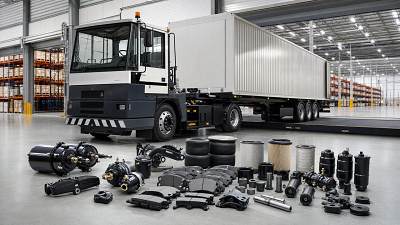
For distributors and procurement teams, spare parts strategy is part of maintenance planning. A tanker built with widely available axle, valve, bearing, and brake components is easier to support across regions. This becomes especially important in cross-border operations, where replacement lead times can range from 3 to 7 days for common parts and 2 to 6 weeks for specialized items.
Core spare parts to stock or source quickly
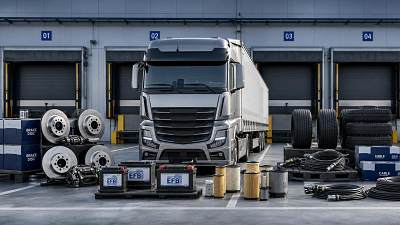
A practical stock plan usually includes valve seals, gaskets, clamps, brake consumables, wheel-end bearings, hoses, electrical connectors, and lighting units. Fleets do not always need to hold every item in large volume, but they should identify which parts are high-wear, high-risk, or difficult to source locally.
The following table outlines a useful procurement view of maintenance-related spare parts for bulk cement tanker operation.
This table highlights a common procurement principle: easy-to-source wear parts reduce downtime more effectively than chasing the lowest initial trailer price. On a heavy truck industry platform, buyers should compare not only equipment specifications but also aftersales responsiveness and replacement parts support.
Maintenance Planning, Supplier Evaluation, and Common Mistakes to Avoid
Proper maintenance is easier when it is planned rather than reactive. Many operators separate care into 3 levels: pre-trip checks, weekly technical inspection, and monthly or mileage-based service. For example, a tanker on intensive routes may run daily checks, weekly system review, and a deeper 30-day maintenance routine covering valves, brakes, fasteners, and corrosion points.
Documentation is important. Recording pressure irregularities, unloading time, replaced seals, tire wear, and recurring leakage areas helps fleet managers detect patterns. If one tanker consistently unloads 20% slower than others under similar conditions, that is a useful signal for targeted inspection rather than general troubleshooting.
Supplier evaluation should also reflect maintenance realities. A good manufacturing or trading partner should provide clear parts lists, maintenance recommendations, and communication support for wear components. For international buyers, response speed, spare parts packing accuracy, and technical clarity are practical indicators of long-term cooperation quality.
One of the most common mistakes is treating a bulk cement tanker as a simple passive trailer. In reality, its unloading system, sealing system, and tank cleanliness directly affect productivity. Another common mistake is replacing only failed parts while ignoring root causes such as moisture ingress, misalignment, overpressure operation, or irregular cleaning.
Frequent maintenance mistakes in bulk powder transport
- Skipping post-unloading cleaning because the next route is urgent, which allows powder buildup to harden.
- Ignoring small powder leaks at joints until unloading efficiency drops sharply.
- Using mismatched replacement seals or low-fit hose components that fail early.
- Focusing only on the tank while delaying brake, tire, and suspension inspections.
- Choosing suppliers without checking parts lead time, technical support, or documentation quality.
FAQ: How often should a bulk cement tanker be serviced?
A practical schedule includes daily visual checks, weekly system inspection, and monthly detailed maintenance. High-use fleets may shorten seal and valve review intervals to every 2 to 4 weeks. The correct schedule depends on route conditions, unloading frequency, climate, and the type of powder transported.
FAQ: What should buyers ask before purchasing a bulk cement trailer?
Ask about service access, common wear parts, expected maintenance intervals, compatibility of brake and axle parts, and typical spare part delivery time. It is also useful to confirm whether valves, seals, hoses, and running gear components can be sourced through multiple channels instead of one exclusive source.
FAQ: Which areas usually fail first in poor maintenance conditions?
The most common early trouble points are valve seals, hose joints, discharge elbows, tires, brake consumables, and corrosion-prone external fittings. In humid environments, moisture-related caking in the pneumatic line is also a frequent issue. These are relatively manageable if checked at short intervals and supported by the right spare parts plan.
For information researchers, procurement staff, and distributors, the maintenance perspective provides a more complete basis for equipment evaluation. A well-designed bulk cement tanker should be safe to inspect, easy to clean, straightforward to service, and supported by dependable parts availability across the commercial vehicle supply chain.
The Global Heavy Truck Industry Platform helps buyers compare bulk cement trailers, road transport equipment, and related commercial vehicle parts with a stronger focus on long-term operating value. If you are sourcing a bulk cement tanker, assessing suppliers, or building a spare parts support plan, now is a practical time to review specifications, maintenance needs, and aftersales capabilities together.
To discuss suitable trailer configurations, replacement parts options, or supplier matching for your market, contact us today, request a tailored sourcing plan, or explore more heavy truck and transport equipment solutions on the platform.
Trending News
- Truck Tipper Exporter Compliance Risks in Cross-Border Deliveries
- Truck Trailer Distributor Trends Shaping Regional Market Growth in 2026
- Crane Truck for Sale: 7 Checks Before You Choose a Model
- How to Compare a Truck Trailer Supplier Beyond Unit Price
- Bulldozer for Construction: Key Specs That Affect Earthmoving Efficiency
Tag
Recommended News
 Fleet ManagementDelivery Truck Supplier in USA: What Matters Most for Fleet ExpansionDelivery truck supplier in USA selection impacts uptime, cost, and fleet growth. Learn how to compare suppliers by route needs, service support, and long-term scalability.
 Fleet ManagementHow to Choose Commercial Vehicle Parts for Warehouse Fleet UptimeCommercial vehicle parts for warehouse fleets directly impact uptime. Learn how to choose durable, accurate-fit parts and reliable suppliers to reduce downtime and control maintenance costs.
 Fleet ManagementWhy a Light Duty Truck Manufacturer in USA Still Matters for Fleet ReliabilityLight duty truck manufacturer in USA choices still shape fleet uptime, parts access, and lifecycle value. See what buyers should compare for more reliable operations.
 Fleet ManagementHow to Plan a Dump Truck Bulk Order for Multi-Site ProjectsDump truck bulk order planning for multi-site projects made simple. Learn how to balance specs, delivery, support, and total cost for smarter fleet decisions.
 Fleet ManagementWhat Makes a Delivery Truck Supplier Cost-Effective in Real OperationsDelivery truck supplier with cost-effective solutions: learn how to cut fuel, maintenance, and downtime costs with a practical checklist for smarter fleet purchasing.
 Fleet ManagementHow Low-Maintenance Truck Spare Parts Suppliers Help Cut DowntimeTruck spare parts supplier with low maintenance benefits help fleets cut downtime, speed repairs, and lower service costs. Discover how smarter sourcing boosts uptime.
 Fleet ManagementHow Commercial Vehicle Parts for Warehouse Improve Daily UptimeCommercial vehicle parts for warehouse operations help reduce downtime, improve safety, and keep trucks and trailers moving efficiently. Discover how the right parts boost daily uptime.
 Fleet ManagementCommercial Vehicle Parts for Cold Storage: Reducing Failure in Daily UseCommercial vehicle parts for cold storage help reduce daily failures, protect cargo quality, and improve fleet uptime. Discover scenario-based maintenance insights for refrigerated transport.
 Fleet ManagementDelivery Truck Supplier in USA: What to Compare Before Expanding a FleetDelivery truck supplier in USA comparison guide for fleet expansion. Learn how to evaluate quality, service, parts support, and lifecycle cost before you invest.
 Fleet ManagementBest Commercial Vehicle Parts for Warehouse OperationsCommercial vehicle parts for warehouse operations should boost safety, uptime, and load control. Explore the best brake, tire, steering, and lighting solutions for efficient fleet performance.
 Fleet ManagementTruck Cement Mixer Supplier: What to Check Before Fleet ExpansionTruck cement mixer supplier selection can make or break fleet expansion. Learn the key checks on quality, compliance, parts support, and total cost before you buy.
 Fleet ManagementTruck Trailer Supplier Checklist for Long-Haul Fleet ExpansionTruck trailer supplier checklist for long-haul fleet expansion: compare compliance, lifecycle cost, delivery, and support to reduce sourcing risk and scale with confidence.
 Fleet ManagementIs a Lightweight Semi Trailer Manufacturer the Right Fit for High-Frequency RoutesFind out if a semi trailer manufacturer with lightweight design is the smart choice for high-frequency routes, balancing payload, durability, compliance, and long-term fleet savings.
 Fleet ManagementDump Truck Wholesale for Growing Fleets: What to Watch FirstDump truck wholesale buyers: learn what to check first for growing fleets, from specs and compliance to supplier reliability, to cut risk, control costs, and buy with confidence.
 Fleet ManagementDump Truck Bulk Order Timing: How to Avoid Capacity BottlenecksDump truck bulk order timing can make or break delivery schedules. Learn when to order, spot supplier bottlenecks early, and secure reliable capacity for faster project execution.
 Fleet ManagementHow to Plan a Semi Trailer Bulk Order Without Stock PressureSemi trailer bulk order planning made simple: learn how to balance demand, product mix, supplier control, and phased delivery to reduce stock pressure and improve trailer sales.
 Fleet ManagementChoosing Commercial Vehicle Parts for Cold Storage Without DowntimeCommercial vehicle parts for cold storage: learn how to choose reliable batteries, seals, hoses, and brake parts to reduce downtime, protect cargo, and improve fleet uptime.
 Fleet ManagementBest Commercial Vehicle Parts for Warehouse Fleet UptimeCommercial vehicle parts for warehouse fleets: discover the best brake, electrical, suspension, and service parts to reduce downtime, speed repairs, and keep operations moving.
 Fleet ManagementHow an Excavator Supplier Affects Uptime After DeliveryExcavator supplier performance directly affects uptime after delivery. Learn how parts speed, technical support, and service response reduce downtime and protect fleet efficiency.
 Fleet ManagementCold weather truck cooling system mistakes that lead to downtimeTruck cooling system mistakes in cold weather can cause costly downtime. Learn how truck pump, truck fuel system, truck electrical system, and truck control unit issues affect fleet reliability.
 Fleet ManagementTruck steering system play: repair now or monitor longer?Truck steering system play: repair now or monitor longer? Learn when to act, how truck wheel, truck tire, truck control unit, truck fuel system, cooling and exhaust checks affect fleet safety and cost.
 Fleet ManagementWater sprinkler truck capacity choices that affect route efficiencyWater sprinkler truck capacity choices affect route efficiency, fuel cost, and uptime. Compare truck pump, truck fuel system, truck tire, and truck control unit factors before you buy.
 Fleet ManagementOff Road Truck Tires: When Lower Cost Leads to More DowntimeOff road truck tire costs go beyond price. Learn how downtime, wheel loader workflow, hydraulic pump efficiency, truck trailer use, and fleet reliability are affected—and how to buy smarter.
 Fleet ManagementTruck Logging Systems: Which Data Actually Improves Fleet Control?Truck logging insights that improve fleet control: compare fuel, maintenance, and safety data for truck dumper, truck excavator, truck wing, lighting and air system decisions.
 Fleet ManagementTruck leasing vs. outright purchase: Hidden TCO differences in cold-climate operationsDiscover hidden TCO differences in cold climates: truck leasing vs. purchase impacts hydraulic pump reliability, fuel injection pump performance, truck off-road durability & more.