Cold weather truck cooling system mistakes that lead to downtime
Cold weather can turn a minor maintenance oversight into costly downtime for any fleet. From the truck cooling system and truck pump to the truck fuel system, truck electrical system, and truck control unit, winter conditions put critical components under extra stress. This guide explains the most common cold-weather cooling mistakes in heavy trucks and helps buyers, distributors, and industry professionals identify reliable solutions for safer operation and better equipment performance.
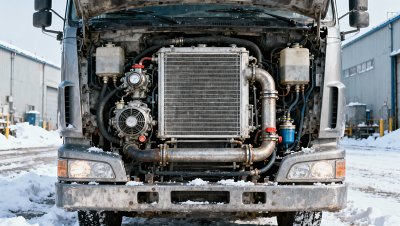
For most fleets, winter cooling-system failures are rarely caused by one dramatic defect. More often, downtime comes from preventable mistakes: the wrong coolant mix, weak circulation from a worn truck pump, neglected hoses and clamps, poor freeze protection, or a cooling system that is evaluated in isolation while related systems are ignored. For procurement teams, distributors, and technical evaluators, the key takeaway is simple: reliable cold-weather performance depends on component compatibility, maintenance discipline, and supplier quality—not just on buying parts at the lowest price.
What buyers and fleet decision-makers should understand first
If you are researching cold weather truck cooling system issues, your real question is usually not just “what goes wrong?” It is “which mistakes create avoidable downtime, how can we spot risk early, and what should we look for when selecting parts, suppliers, or service partners?” That is especially important in heavy-duty transport, construction logistics, mining support, and cross-border operations where a truck stopped by coolant failure can affect delivery schedules, customer commitments, and operating cost.
In cold environments, the cooling system does more than prevent overheating. It must also resist freezing, maintain proper circulation, support stable engine temperature, protect seals and passages from corrosion, and work in coordination with the truck electrical system, truck fuel system, and truck control unit. When one part underperforms, the consequences can spread quickly across the vehicle.
The most common cold-weather cooling system mistakes that lead to downtime
The first major mistake is using the wrong coolant type or an incorrect antifreeze-to-water ratio. A coolant that is too diluted may freeze under low temperatures. A mixture that is too concentrated can reduce heat transfer efficiency and strain system performance. In both cases, fleets risk poor heater performance, circulation issues, internal corrosion, and unplanned service stops. Buyers should verify freeze-point protection, OEM compatibility, additive package quality, and service interval requirements before approving coolant products.
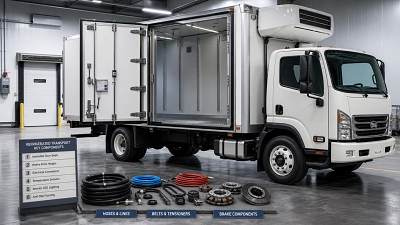
The second mistake is ignoring early signs of truck pump wear. In winter, a weak or damaged truck pump can struggle to maintain steady coolant flow, especially during cold starts and long idling periods. Symptoms may include fluctuating temperature readings, poor cabin heating, coolant seepage, bearing noise, or repeated pressure irregularities. Procurement and maintenance teams should treat water pump quality as a reliability issue, not a commodity purchase.
The third mistake is neglecting hoses, clamps, and sealing points. Rubber hardens faster in low temperatures, and small leaks become more serious when pressure changes during startup and shutdown. Many winter breakdowns begin with a hose that looked acceptable during a basic inspection but failed under real operating stress. For this reason, evaluating hose material grade, clamp retention, and cold-resistance performance is essential.
The fourth mistake is assuming the thermostat will “either work or not work.” In reality, a thermostat that opens late, opens incompletely, or sticks intermittently can cause unstable engine temperature and poor fuel efficiency. In freezing conditions, that can affect emissions performance, warm-up time, and control logic response from the truck control unit.
The fifth mistake is failing to flush contaminated systems before replacing coolant or major parts. If scale, corrosion residue, or oil contamination remains in the circuit, even a high-quality replacement coolant may not perform properly. This can shorten the life of the radiator, heater core, truck pump, and seals.
Why cooling problems in winter often involve more than the cooling system
Heavy truck downtime in cold weather often appears to be a cooling problem when the root cause is broader. For example, poor combustion caused by truck fuel system issues can affect engine warm-up behavior. Weak batteries or unstable voltage in the truck electrical system can interfere with sensors, heater functions, and electronic monitoring. Fault signals from temperature sensors or wiring faults may also be interpreted by the truck control unit as cooling-system abnormalities.
This matters to commercial buyers because parts sourcing should not happen in isolation. A distributor or fleet purchasing manager evaluating winter reliability should consider system-level compatibility: coolant specification, pump performance, sensors, thermostats, connectors, harness protection, fuel cold-flow support, and electronic diagnostics. Suppliers that can support a broader product ecosystem often reduce mismatch risk and after-sales complications.
How to identify high-risk vehicles before failure happens
For fleet operators and service planners, the most practical approach is risk screening before temperatures drop sharply. Vehicles at higher risk typically include aging trucks with incomplete maintenance records, trucks operating in stop-start urban routes, units exposed to long idle cycles, and vehicles that have had multiple aftermarket replacements from mixed brands or inconsistent specifications.
Warning signs worth investigating include:
- Recurring coolant top-offs without a clearly identified leak
- Slow engine warm-up or unstable temperature during operation
- Weak cabin heating in cold weather
- Visible corrosion around fittings, radiator necks, or pump housing
- Hardened hoses, swollen joints, or clamp marks near leak points
- Sensor alerts or intermittent fault codes linked to temperature or circulation
- Evidence of coolant discoloration, sludge, or mixed-fluid contamination
For procurement teams, these field indicators also help define sourcing priorities. If a fleet repeatedly faces hose failure, pump leakage, or coolant instability, the issue may be product quality, wrong specification, or inconsistent supply rather than maintenance execution alone.
What procurement teams should look for when sourcing cooling system parts for cold climates
Cold-weather reliability depends heavily on choosing parts designed for the operating environment. When comparing suppliers, buyers should go beyond price and basic fitment. The more useful evaluation criteria include material performance in low temperatures, manufacturing consistency, corrosion resistance, seal durability, pressure tolerance, and proof of compatibility with target truck models and engine platforms.
For coolant products, ask about:
- Recommended temperature protection range
- Compatibility with aluminum and mixed-metal systems
- Additive technology and anti-corrosion performance
- OEM or equivalent specification support
- Service life and maintenance interval guidance
For truck pump sourcing, ask about:
- Bearing and seal quality
- Housing material and casting consistency
- Flow stability under cold-start conditions
- Testing standards and warranty policy
- Fitment accuracy for target heavy truck applications
For hoses, thermostats, and related components, ask about cold-crack resistance, pressure cycling performance, supplier batch consistency, and technical documentation. Distributors and resellers should also consider after-sales support, because winter failures often require fast technical response and replacement availability.
Why low-price purchasing can increase total downtime cost
In heavy-duty operations, the cheapest cooling-system component is rarely the lowest-cost option over time. A low-grade coolant, pump, or hose may save money at purchase but create much larger costs through roadside breakdowns, towing, delayed delivery, emergency repairs, driver idle time, and damage to adjacent components. A failed truck pump, for example, can trigger overheating or circulation loss that affects seals, sensors, and engine reliability.
For business evaluators, this is where total cost of ownership matters. More reliable parts usually support:
- Lower unplanned downtime
- More predictable maintenance cycles
- Reduced emergency procurement
- Better fleet availability during peak seasonal demand
- Stronger customer service continuity
This is especially relevant for international trade buyers and distributors serving multiple markets. Standardized quality and technical traceability can be more valuable than a small unit-price advantage.
A practical winter readiness checklist for fleets and channel buyers
Before winter operations intensify, fleets and service partners should verify the following:
- Confirm coolant type, concentration, and freeze-point protection
- Inspect radiator, hoses, clamps, expansion tank, and sealing points
- Check truck pump for leakage, noise, shaft play, and circulation performance
- Test thermostat function and engine warm-up behavior
- Review sensor accuracy and truck control unit fault history
- Inspect truck electrical system health, especially battery and connector condition
- Confirm truck fuel system cold-weather readiness to avoid misleading symptoms
- Standardize approved parts and suppliers across the fleet where possible
- Document service intervals and replacement history for high-risk units
For buyers and distributors, this checklist can also guide product selection and customer consultation. The more clearly a supplier can support preventive maintenance, compatibility confirmation, and technical documentation, the more valuable that supplier becomes in winter-critical markets.
How industry platforms help buyers reduce sourcing risk
In the global heavy truck market, buyers often need more than a single part source. They need reliable access to qualified manufacturers, technical comparisons, category depth, and industry knowledge that supports better decisions. A professional B2B platform focused on commercial vehicles and heavy equipment can help procurement teams compare cooling-system products, truck pump solutions, spare parts options, and related systems from multiple suppliers in one place.
This is particularly useful for distributors, agents, and sourcing teams evaluating international partners. Instead of relying on limited local options or fragmented product information, they can review supplier capabilities, expand sourcing channels, and identify products suited to demanding applications such as logistics transportation, mining operations, infrastructure development, and municipal engineering projects.
For companies serving diverse climates and operating scenarios, access to broader product data and supplier networks can improve purchasing confidence and reduce the risk of selecting components unsuited for cold-weather performance.
Conclusion: preventable winter mistakes are still a major source of heavy truck downtime
Cold weather truck cooling system failures are often preventable, but only if fleets and buyers treat winter readiness as a system-level reliability issue. The biggest mistakes usually involve incorrect coolant selection, overlooked truck pump wear, neglected hoses and seals, weak thermostat performance, and poor coordination between the cooling system, truck fuel system, truck electrical system, and truck control unit.
For procurement professionals, distributors, and business evaluators, the most effective response is to prioritize quality, compatibility, documentation, and supplier reliability over short-term price savings. When heavy trucks operate in harsh winter conditions, better sourcing decisions directly support uptime, lower operating risk, and more stable business performance.
Trending News
- Cab Chassis Truck for Fire Department: Key Specs Before Ordering
- When to Use an Excavator With Long Reach Boom on Site
- Choosing a Water Truck Factory for Municipal and Mining Projects
- Truck Parts Wholesale: How to Balance Price, Quality, and Lead Time
- Crane Truck Price in 2026: What Drives Total Ownership Cost
Tag
Recommended News
 Fleet ManagementBest Commercial Vehicle Parts for Warehouse Fleets with High Stop-Start UseCommercial vehicle parts for warehouse fleets should handle heavy stop-start use with fewer failures. Discover proven brake, battery, suspension, and steering choices that cut downtime.
 Fleet ManagementDelivery Truck Supplier in USA: What Matters Most for Fleet ExpansionDelivery truck supplier in USA selection impacts uptime, cost, and fleet growth. Learn how to compare suppliers by route needs, service support, and long-term scalability.
 Fleet ManagementHow to Choose Commercial Vehicle Parts for Warehouse Fleet UptimeCommercial vehicle parts for warehouse fleets directly impact uptime. Learn how to choose durable, accurate-fit parts and reliable suppliers to reduce downtime and control maintenance costs.
 Fleet ManagementWhy a Light Duty Truck Manufacturer in USA Still Matters for Fleet ReliabilityLight duty truck manufacturer in USA choices still shape fleet uptime, parts access, and lifecycle value. See what buyers should compare for more reliable operations.
 Fleet ManagementHow to Plan a Dump Truck Bulk Order for Multi-Site ProjectsDump truck bulk order planning for multi-site projects made simple. Learn how to balance specs, delivery, support, and total cost for smarter fleet decisions.
 Fleet ManagementWhat Makes a Delivery Truck Supplier Cost-Effective in Real OperationsDelivery truck supplier with cost-effective solutions: learn how to cut fuel, maintenance, and downtime costs with a practical checklist for smarter fleet purchasing.
 Fleet ManagementHow Low-Maintenance Truck Spare Parts Suppliers Help Cut DowntimeTruck spare parts supplier with low maintenance benefits help fleets cut downtime, speed repairs, and lower service costs. Discover how smarter sourcing boosts uptime.
 Fleet ManagementHow Commercial Vehicle Parts for Warehouse Improve Daily UptimeCommercial vehicle parts for warehouse operations help reduce downtime, improve safety, and keep trucks and trailers moving efficiently. Discover how the right parts boost daily uptime.
 Fleet ManagementCommercial Vehicle Parts for Cold Storage: Reducing Failure in Daily UseCommercial vehicle parts for cold storage help reduce daily failures, protect cargo quality, and improve fleet uptime. Discover scenario-based maintenance insights for refrigerated transport.
 Fleet ManagementDelivery Truck Supplier in USA: What to Compare Before Expanding a FleetDelivery truck supplier in USA comparison guide for fleet expansion. Learn how to evaluate quality, service, parts support, and lifecycle cost before you invest.
 Fleet ManagementBest Commercial Vehicle Parts for Warehouse OperationsCommercial vehicle parts for warehouse operations should boost safety, uptime, and load control. Explore the best brake, tire, steering, and lighting solutions for efficient fleet performance.
 Fleet ManagementTruck Cement Mixer Supplier: What to Check Before Fleet ExpansionTruck cement mixer supplier selection can make or break fleet expansion. Learn the key checks on quality, compliance, parts support, and total cost before you buy.
 Fleet ManagementTruck Trailer Supplier Checklist for Long-Haul Fleet ExpansionTruck trailer supplier checklist for long-haul fleet expansion: compare compliance, lifecycle cost, delivery, and support to reduce sourcing risk and scale with confidence.
 Fleet ManagementIs a Lightweight Semi Trailer Manufacturer the Right Fit for High-Frequency RoutesFind out if a semi trailer manufacturer with lightweight design is the smart choice for high-frequency routes, balancing payload, durability, compliance, and long-term fleet savings.
 Fleet ManagementDump Truck Wholesale for Growing Fleets: What to Watch FirstDump truck wholesale buyers: learn what to check first for growing fleets, from specs and compliance to supplier reliability, to cut risk, control costs, and buy with confidence.
 Fleet ManagementDump Truck Bulk Order Timing: How to Avoid Capacity BottlenecksDump truck bulk order timing can make or break delivery schedules. Learn when to order, spot supplier bottlenecks early, and secure reliable capacity for faster project execution.
 Fleet ManagementHow to Plan a Semi Trailer Bulk Order Without Stock PressureSemi trailer bulk order planning made simple: learn how to balance demand, product mix, supplier control, and phased delivery to reduce stock pressure and improve trailer sales.
 Fleet ManagementChoosing Commercial Vehicle Parts for Cold Storage Without DowntimeCommercial vehicle parts for cold storage: learn how to choose reliable batteries, seals, hoses, and brake parts to reduce downtime, protect cargo, and improve fleet uptime.
 Fleet ManagementBest Commercial Vehicle Parts for Warehouse Fleet UptimeCommercial vehicle parts for warehouse fleets: discover the best brake, electrical, suspension, and service parts to reduce downtime, speed repairs, and keep operations moving.
 Fleet ManagementHow an Excavator Supplier Affects Uptime After DeliveryExcavator supplier performance directly affects uptime after delivery. Learn how parts speed, technical support, and service response reduce downtime and protect fleet efficiency.
 Fleet ManagementCold weather truck cooling system mistakes that lead to downtimeTruck cooling system mistakes in cold weather can cause costly downtime. Learn how truck pump, truck fuel system, truck electrical system, and truck control unit issues affect fleet reliability.
 Fleet ManagementTruck steering system play: repair now or monitor longer?Truck steering system play: repair now or monitor longer? Learn when to act, how truck wheel, truck tire, truck control unit, truck fuel system, cooling and exhaust checks affect fleet safety and cost.
 Fleet ManagementWater sprinkler truck capacity choices that affect route efficiencyWater sprinkler truck capacity choices affect route efficiency, fuel cost, and uptime. Compare truck pump, truck fuel system, truck tire, and truck control unit factors before you buy.
 Fleet ManagementOff Road Truck Tires: When Lower Cost Leads to More DowntimeOff road truck tire costs go beyond price. Learn how downtime, wheel loader workflow, hydraulic pump efficiency, truck trailer use, and fleet reliability are affected—and how to buy smarter.
 Fleet ManagementTruck Logging Systems: Which Data Actually Improves Fleet Control?Truck logging insights that improve fleet control: compare fuel, maintenance, and safety data for truck dumper, truck excavator, truck wing, lighting and air system decisions.