How Commercial Vehicle Parts for Warehouse Improve Daily Uptime
In busy warehouse operations, every minute of vehicle downtime can slow loading, delivery, and workflow efficiency. Choosing reliable commercial vehicle parts for warehouse use helps operators keep trucks, trailers, and handling equipment running safely and consistently. From reducing maintenance delays to improving daily performance, the right parts play a direct role in boosting uptime and supporting smoother transport operations.
Understanding the Role of Commercial Vehicle Parts in Warehouse Operations
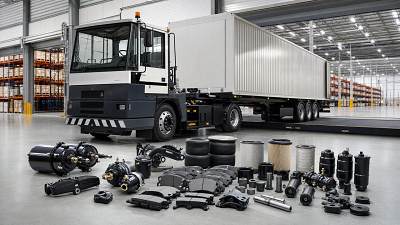
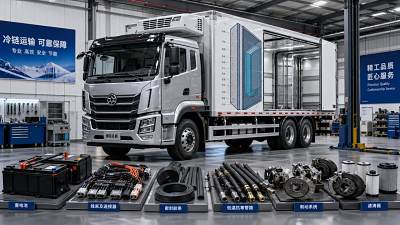
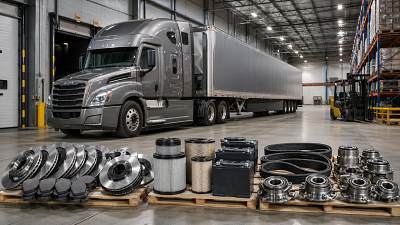
For warehouse users and equipment operators, commercial vehicle parts for warehouse environments refer to the essential components that keep transport and handling vehicles working reliably every day. These parts may include brake systems, suspension components, lighting assemblies, filters, batteries, tires, hydraulic elements, engine accessories, trailer connectors, and wearable spare parts used in loading-yard vehicles and distribution fleets. In practical terms, they are not just replacement items. They are uptime tools.
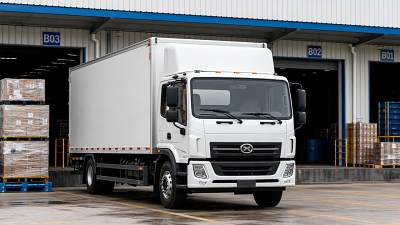
Warehouses depend on a constant flow of inbound and outbound movement. Trucks must arrive on time, reverse safely into docks, unload without delay, and return to service quickly. Even a minor issue such as a worn air hose, damaged lamp, weak battery, or poor-quality brake pad can interrupt that cycle. That is why commercial vehicle parts for warehouse applications are closely linked to efficiency, safety, and labor productivity.
In the road transport equipment industry, reliability matters even more because warehouse fleets often operate under repetitive stop-start conditions, frequent short-distance movement, and intense loading schedules. Vehicles serving a warehouse are exposed to dust, vibration, loading impact, and extended idle time. These conditions place specific demands on parts quality, compatibility, and replacement planning.
Why the Industry Pays More Attention to Daily Uptime
Across global logistics and industrial transportation, warehouse performance is increasingly measured by speed, consistency, and traceable service levels. A delayed truck can affect dock scheduling, labor allocation, route timing, and customer delivery windows. As supply chains become more connected, downtime is no longer just a maintenance issue. It is an operational risk.
This is one reason the heavy truck and commercial vehicle sector continues to invest in better parts sourcing and replacement strategies. Global B2B platforms that connect buyers with manufacturers and suppliers make it easier for operators, fleet managers, and warehouse teams to identify dependable spare parts for different vehicle types. Access to supplier information, product categories, and market insight supports faster decision-making and helps reduce the uncertainty of cross-border sourcing.
For operators on the ground, the concern is straightforward: when equipment starts every shift, stops safely, and completes transport tasks without repeated breakdowns, the warehouse works better. High-quality commercial vehicle parts for warehouse use support that outcome by improving service life, reducing repeat repairs, and helping maintenance teams plan rather than react.
Industry Overview: Parts That Matter Most in Warehouse-Linked Vehicle Fleets
Not every part affects uptime in the same way. Some components directly influence whether a vehicle can move, stop, load, or remain compliant for operation. The table below outlines the most common categories relevant to warehouse transport activities.
How Reliable Parts Improve Daily Performance
The most visible benefit of good commercial vehicle parts for warehouse fleets is reduced downtime, but the value goes further. Reliable parts help maintain predictable vehicle behavior. Operators notice this in smoother braking, more responsive steering, stable trailer connections, and faster engine starts at the beginning of shifts. These daily details directly affect confidence and working rhythm.
Another major advantage is maintenance efficiency. When replacement parts are correct, durable, and available on time, technicians spend less effort on repeat repairs or compatibility issues. This shortens service windows and returns vehicles to operation faster. In warehouses where schedules are tight, faster maintenance can be as important as the repair itself.
Reliable parts also support safer operations. Warehouses combine moving vehicles, pedestrians, stacked goods, confined maneuvering space, and frequent reversing. A failure in lights, brakes, or steering components can create immediate risk. Selecting dependable commercial vehicle parts for warehouse conditions helps reduce that risk while supporting compliance with internal safety procedures.
Typical Warehouse Use Scenarios and Part Priorities
Different warehouse operations place different demands on vehicle components. Understanding the use scenario makes it easier to choose the right parts and maintenance priorities.
For example, a warehouse with many night shifts should pay close attention to lighting and electrical reliability. A dusty industrial yard may place more stress on filters, seals, and suspension components. A fleet performing repeated trailer coupling and uncoupling will depend heavily on connector quality and air-line durability. The right parts strategy should always reflect real operating conditions rather than a generic maintenance checklist.
What Operators and Users Should Watch in Daily Use
Operators are often the first to notice early signs of component wear. A vehicle that pulls slightly when braking, needs extra time to start, vibrates under load, or shows weak lights is already giving useful maintenance information. Reporting these signs early can prevent breakdowns later in the shift.
In warehouse-linked vehicle use, operators should pay attention to several practical indicators:
- Unusual brake feel, noise, or stopping distance
- Battery weakness, delayed ignition, or unstable electrical response
- Uneven tire wear or loss of traction on loading surfaces
- Loose trailer connections, damaged cables, or lighting failure
- Increased vibration, steering looseness, or poor ride stability
When these warning signs are connected to a structured spare parts plan, uptime improves significantly. Instead of waiting for failure, teams can schedule replacement during planned service windows. This is one of the most effective ways to use commercial vehicle parts for warehouse productivity improvement.
Practical Guidance for Selecting the Right Parts
Choosing commercial vehicle parts for warehouse fleets should start with fit, durability, and supplier reliability. Compatibility with vehicle model and operating system is essential. Even a strong part can create problems if it is not designed for the exact application. Buyers and maintenance teams should confirm technical specifications, service intervals, and working conditions before ordering.
It is also wise to distinguish between critical parts and routine consumables. Critical parts are those that can stop a vehicle immediately or create a serious safety issue, such as braking components, electrical starters, or key connectors. These should come from dependable sources with clear product information. Routine items such as filters and lamps still matter, but they can often be managed through planned stocking and regular replenishment.
A professional B2B industry platform is especially useful here. In the global heavy truck and road transport equipment sector, buyers benefit from access to broad supplier networks, product comparison tools, and category-specific sourcing support. This helps warehouse-related businesses explore multiple manufacturers, check available spare parts ranges, and build more resilient supply chains for maintenance operations.
Long-Term Value Beyond Immediate Repair
The long-term value of better parts selection is not limited to fewer stoppages. It can also improve asset life, reduce labor waste, and support more accurate scheduling. Vehicles that stay in service longer with fewer interruptions help warehouse teams maintain throughput targets without overloading backup units or rescheduling drivers and dock staff.
In addition, consistent use of quality commercial vehicle parts for warehouse service contributes to better cost control. While low-grade components may seem cheaper at the point of purchase, they often lead to more frequent replacement, extra labor, and secondary damage. A planned approach based on quality, fit, and supplier transparency usually delivers stronger value over the full operating cycle.
Moving Toward More Reliable Warehouse Transport Operations
For users and operators, the message is clear: uptime is built from dependable details. Commercial vehicle parts for warehouse environments support far more than repair needs. They influence safety, loading speed, fleet readiness, and the overall stability of transport operations. As logistics volumes grow and warehouse schedules become more demanding, attention to the right parts becomes a practical advantage.
Businesses that want smoother warehouse transport performance should review vehicle usage patterns, identify high-impact components, and work with trusted suppliers through specialized industry channels. With access to a strong global network of heavy truck, trailer, and spare parts resources, companies can strengthen maintenance planning, reduce delays, and keep daily operations moving with greater confidence.
Trending News
- Truck Cement Wholesale: What Determines Stable Delivery and Margin?
- Truck Trailer Bulk Order Cost Breakdown for 2026 Budget Planning
- Truck Trailer Sourcing: 7 Checks Before You Compare Suppliers
- Truck Trailer OEM vs ODM: Which Model Lowers Supply Risk?
- How to Evaluate a Heavy Truck Chassis Manufacturer With R&D Capability in 2026
Tag
Recommended News
 Fleet ManagementBest Commercial Vehicle Parts for Warehouse Fleets with High Stop-Start UseCommercial vehicle parts for warehouse fleets should handle heavy stop-start use with fewer failures. Discover proven brake, battery, suspension, and steering choices that cut downtime.
 Fleet ManagementDelivery Truck Supplier in USA: What Matters Most for Fleet ExpansionDelivery truck supplier in USA selection impacts uptime, cost, and fleet growth. Learn how to compare suppliers by route needs, service support, and long-term scalability.
 Fleet ManagementHow to Choose Commercial Vehicle Parts for Warehouse Fleet UptimeCommercial vehicle parts for warehouse fleets directly impact uptime. Learn how to choose durable, accurate-fit parts and reliable suppliers to reduce downtime and control maintenance costs.
 Fleet ManagementWhy a Light Duty Truck Manufacturer in USA Still Matters for Fleet ReliabilityLight duty truck manufacturer in USA choices still shape fleet uptime, parts access, and lifecycle value. See what buyers should compare for more reliable operations.
 Fleet ManagementHow to Plan a Dump Truck Bulk Order for Multi-Site ProjectsDump truck bulk order planning for multi-site projects made simple. Learn how to balance specs, delivery, support, and total cost for smarter fleet decisions.
 Fleet ManagementWhat Makes a Delivery Truck Supplier Cost-Effective in Real OperationsDelivery truck supplier with cost-effective solutions: learn how to cut fuel, maintenance, and downtime costs with a practical checklist for smarter fleet purchasing.
 Fleet ManagementHow Low-Maintenance Truck Spare Parts Suppliers Help Cut DowntimeTruck spare parts supplier with low maintenance benefits help fleets cut downtime, speed repairs, and lower service costs. Discover how smarter sourcing boosts uptime.
 Fleet ManagementHow Commercial Vehicle Parts for Warehouse Improve Daily UptimeCommercial vehicle parts for warehouse operations help reduce downtime, improve safety, and keep trucks and trailers moving efficiently. Discover how the right parts boost daily uptime.
 Fleet ManagementCommercial Vehicle Parts for Cold Storage: Reducing Failure in Daily UseCommercial vehicle parts for cold storage help reduce daily failures, protect cargo quality, and improve fleet uptime. Discover scenario-based maintenance insights for refrigerated transport.
 Fleet ManagementDelivery Truck Supplier in USA: What to Compare Before Expanding a FleetDelivery truck supplier in USA comparison guide for fleet expansion. Learn how to evaluate quality, service, parts support, and lifecycle cost before you invest.
 Fleet ManagementBest Commercial Vehicle Parts for Warehouse OperationsCommercial vehicle parts for warehouse operations should boost safety, uptime, and load control. Explore the best brake, tire, steering, and lighting solutions for efficient fleet performance.
 Fleet ManagementTruck Cement Mixer Supplier: What to Check Before Fleet ExpansionTruck cement mixer supplier selection can make or break fleet expansion. Learn the key checks on quality, compliance, parts support, and total cost before you buy.
 Fleet ManagementTruck Trailer Supplier Checklist for Long-Haul Fleet ExpansionTruck trailer supplier checklist for long-haul fleet expansion: compare compliance, lifecycle cost, delivery, and support to reduce sourcing risk and scale with confidence.
 Fleet ManagementIs a Lightweight Semi Trailer Manufacturer the Right Fit for High-Frequency RoutesFind out if a semi trailer manufacturer with lightweight design is the smart choice for high-frequency routes, balancing payload, durability, compliance, and long-term fleet savings.
 Fleet ManagementDump Truck Wholesale for Growing Fleets: What to Watch FirstDump truck wholesale buyers: learn what to check first for growing fleets, from specs and compliance to supplier reliability, to cut risk, control costs, and buy with confidence.
 Fleet ManagementDump Truck Bulk Order Timing: How to Avoid Capacity BottlenecksDump truck bulk order timing can make or break delivery schedules. Learn when to order, spot supplier bottlenecks early, and secure reliable capacity for faster project execution.
 Fleet ManagementHow to Plan a Semi Trailer Bulk Order Without Stock PressureSemi trailer bulk order planning made simple: learn how to balance demand, product mix, supplier control, and phased delivery to reduce stock pressure and improve trailer sales.
 Fleet ManagementChoosing Commercial Vehicle Parts for Cold Storage Without DowntimeCommercial vehicle parts for cold storage: learn how to choose reliable batteries, seals, hoses, and brake parts to reduce downtime, protect cargo, and improve fleet uptime.
 Fleet ManagementBest Commercial Vehicle Parts for Warehouse Fleet UptimeCommercial vehicle parts for warehouse fleets: discover the best brake, electrical, suspension, and service parts to reduce downtime, speed repairs, and keep operations moving.
 Fleet ManagementHow an Excavator Supplier Affects Uptime After DeliveryExcavator supplier performance directly affects uptime after delivery. Learn how parts speed, technical support, and service response reduce downtime and protect fleet efficiency.
 Fleet ManagementCold weather truck cooling system mistakes that lead to downtimeTruck cooling system mistakes in cold weather can cause costly downtime. Learn how truck pump, truck fuel system, truck electrical system, and truck control unit issues affect fleet reliability.
 Fleet ManagementTruck steering system play: repair now or monitor longer?Truck steering system play: repair now or monitor longer? Learn when to act, how truck wheel, truck tire, truck control unit, truck fuel system, cooling and exhaust checks affect fleet safety and cost.
 Fleet ManagementWater sprinkler truck capacity choices that affect route efficiencyWater sprinkler truck capacity choices affect route efficiency, fuel cost, and uptime. Compare truck pump, truck fuel system, truck tire, and truck control unit factors before you buy.
 Fleet ManagementOff Road Truck Tires: When Lower Cost Leads to More DowntimeOff road truck tire costs go beyond price. Learn how downtime, wheel loader workflow, hydraulic pump efficiency, truck trailer use, and fleet reliability are affected—and how to buy smarter.
 Fleet ManagementTruck Logging Systems: Which Data Actually Improves Fleet Control?Truck logging insights that improve fleet control: compare fuel, maintenance, and safety data for truck dumper, truck excavator, truck wing, lighting and air system decisions.