Water sprinkler truck capacity choices that affect route efficiency
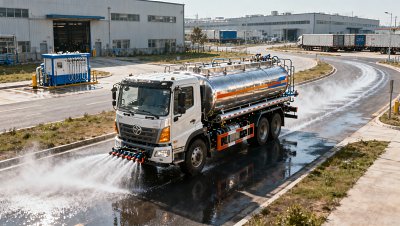
Choosing the right water sprinkler truck capacity directly influences route efficiency, fuel use, and operating cost. For buyers and fleet evaluators comparing water sprinkler truck options alongside truck pump systems, truck fuel system performance, truck tire durability, and truck control unit reliability, capacity is more than a specification—it shapes daily productivity. In most cases, the best capacity is not simply the largest tank available. The right choice is the one that matches route length, refill access, road conditions, spray demand, and chassis limits while keeping total operating cost under control. This guide explains how tank size affects route planning, refill frequency, payload balance, and procurement decisions.
What buyers are really trying to decide when comparing water sprinkler truck capacity
For most information researchers, procurement teams, business evaluators, and distributors, the search behind water sprinkler truck capacity choices that affect route efficiency is practical: which tank size will deliver the best daily output without creating unnecessary cost, downtime, or maintenance risk?
The key decision is not only about how much water a truck can carry. It is about how often the vehicle must refill, whether the route can be completed on schedule, how added water weight affects fuel consumption, and whether the truck remains stable and reliable under real operating conditions. A larger tank may reduce refill stops, but it can also increase axle load, tire wear, braking demand, and fuel use. A smaller tank may be more agile and economical, but it can reduce route productivity if refill points are limited.
That is why experienced buyers assess capacity together with application type, duty cycle, road environment, spray volume requirements, and supporting systems such as truck pump systems, truck fuel system efficiency, truck tire durability, and truck control unit reliability.
Why tank capacity has a direct impact on route efficiency
Route efficiency is usually measured by how much area or distance a water sprinkler truck can cover in a working shift with the fewest interruptions and the lowest total cost. Tank capacity affects this in several direct ways.
First, it determines refill frequency. If a truck empties too quickly, operators lose time traveling to refill points, waiting for water access, and restarting the route. On municipal roads, construction sites, mining support roads, and dust suppression routes, these interruptions can significantly reduce productive hours.
Second, it influences route continuity. A properly sized tank allows the truck to complete a planned zone or route segment in one cycle. This improves scheduling accuracy and reduces missed coverage.
Third, it changes vehicle operating behavior. Heavier water loads can slow acceleration, extend braking distance, and increase rolling resistance. On long routes, that can offset some of the efficiency gained from fewer refill trips.
Fourth, it affects dispatch flexibility. Fleets with mixed route types often benefit from different capacities rather than one standard size. A truck that performs well on long industrial roads may be inefficient in narrow urban streets.
In short, route efficiency improves when capacity is matched to actual route demand, not when the largest possible tank is chosen by default.
How to estimate the right capacity for your operating route
Buyers can make better decisions by evaluating capacity through a simple route-based method rather than relying only on brochure specifications.
1. Calculate water demand per route.
Estimate how much water is used per kilometer, per hour, or per service cycle. This depends on spray width, nozzle flow rate, pump pressure, and application objective such as road cleaning, dust control, landscaping, or municipal cooling.
2. Check refill point availability.
If refill stations are close, frequent replenishment may be acceptable. If water sources are far away or queue times are unpredictable, a larger tank has more operational value.
3. Review road and site conditions.
Steep grades, rough construction roads, and soft ground increase the performance penalty of carrying more water. In these conditions, tank capacity must be balanced against stability and chassis suitability.
4. Match the tank to daily shift targets.
Determine whether the truck must complete a full route in one load, one and a half loads, or multiple refill cycles. This helps quantify the tradeoff between larger capacity and operational flexibility.
5. Confirm legal and technical payload limits.
Water is heavy. One cubic meter of water weighs approximately one metric ton. That means tank size must be considered together with gross vehicle weight rating, axle capacity, frame strength, and regional road regulations.
For many buyers, this route-based calculation reveals that the ideal water sprinkler truck is neither undersized nor oversized, but optimized for a specific service pattern.
When a larger water sprinkler truck capacity improves productivity
A larger tank often makes sense when the route includes long distances, limited refill access, or high-volume spray requirements. In these scenarios, reducing refill frequency can create meaningful gains in labor efficiency and daily coverage.
Common examples include:
- Dust suppression on mining or quarry access roads
- Long industrial park or logistics zone routes
- High-temperature road cooling operations
- Remote infrastructure construction projects
- Rural municipal road maintenance with limited water supply points
In these use cases, a larger-capacity water sprinkler truck can reduce non-productive travel time and increase task continuity. However, buyers should still verify whether the selected chassis, truck pump systems, and suspension configuration are designed for repeated operation at full liquid load. Productivity gains disappear quickly if overloaded systems cause more downtime or maintenance cost.
When a smaller or mid-size capacity is the smarter business choice
Bigger is not always better. In many urban, municipal, landscaping, and mixed-route applications, a smaller or mid-size water sprinkler truck can deliver lower total cost and better route adaptability.
This is especially true when:
- Roads are narrow or congested
- Stops are frequent and maneuverability matters
- Water refill points are easy to access
- Daily routes are short or segmented
- Pavement load restrictions limit vehicle weight
A smaller truck may offer faster turnaround, lower fuel consumption, reduced tire wear, easier parking and access, and less stress on braking and steering systems. For fleet operators managing varied urban assignments, these advantages can produce better long-term economics than a large-capacity model with underused volume.
For distributors and sourcing teams, this also matters commercially. A mid-capacity model often appeals to a broader buyer base because it fits more use cases and infrastructure conditions.
Capacity decisions should not be separated from pump, fuel, tire, and control system performance
One of the most common procurement mistakes is evaluating tank volume alone. In real-world operation, capacity works as part of a complete vehicle system.
Truck pump systems: The pump must match the intended spray volume and pressure. A large tank with an undersized or unreliable pump will not maintain consistent application output. Pump efficiency also affects refill discharge speed and operational responsiveness.
Truck fuel system performance: Heavier loads increase fuel demand, especially in stop-and-go routes or hilly terrain. If fuel economy is critical, capacity selection should be tied to expected consumption under full-load conditions, not empty-vehicle figures.
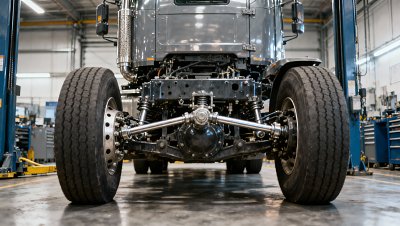
Truck tire durability: Water load places major stress on tires, especially where road surfaces are rough or the truck is frequently fully loaded. Tire specification, wear rate, and replacement cost should be part of total cost evaluation.
Truck control unit reliability: Modern sprinkler trucks may rely on electronic control systems for spray regulation, engine coordination, monitoring, and safety alerts. Reliable control units help maintain stable performance across changing load conditions and reduce operator error.
For procurement professionals, this systems view leads to better comparisons between suppliers and prevents the false economy of buying based on tank size alone.
How capacity affects total operating cost, not just purchase price
Tank capacity influences multiple cost categories across the truck’s working life. Buyers focused only on upfront price can overlook important long-term differences.
Main cost factors include:
- Fuel cost: Higher payload generally increases consumption
- Labor cost: Better capacity matching can reduce refill trips and operator downtime
- Maintenance cost: Excessive load may accelerate wear on tires, brakes, suspension, pump components, and chassis parts
- Downtime cost: Poorly matched capacity can create service interruption or route delay
- Asset utilization: The right-sized truck completes more useful work per shift
For business evaluation teams, the most useful procurement question is often: Which capacity gives the lowest cost per completed route or per cubic meter of effective water delivery? This performance-based metric is more valuable than comparing purchase prices alone.
Questions procurement teams should ask suppliers before choosing capacity
To make a sound sourcing decision, buyers should request more than standard capacity figures. The following questions help clarify whether a water sprinkler truck will perform efficiently in actual routes:
- What is the effective tank volume under normal operating conditions?
- What chassis and axle configuration supports this tank size?
- How does full-load operation affect fuel consumption?
- What pump flow rate and spray coverage can be maintained continuously?
- What are the recommended tire specifications for this payload?
- How stable is the truck when operating on uneven roads or partial loads?
- What control unit functions are included for monitoring and spray control?
- What maintenance intervals are expected for pump, suspension, and brake systems?
- Are there customer case references in similar route or climate conditions?
For dealers, distributors, and agents, these questions also improve customer matching and reduce the risk of supplying a unit that looks competitive on paper but performs poorly in the field.
A practical capacity selection framework for buyers and fleet evaluators
If you need a straightforward way to compare options, use this framework:
- Define the application: municipal cleaning, dust suppression, construction, landscaping, cooling, or mixed use
- Measure route demand: distance, spray time, water volume, terrain, and refill access
- Check vehicle limits: legal weight, chassis rating, axle load, and road restrictions
- Assess whole-vehicle performance: pump, fuel efficiency, tire durability, and control system reliability
- Compare life-cycle cost: purchase price, fuel, maintenance, downtime, and labor efficiency
- Validate with supplier data: operating cases, technical sheets, and after-sales support capability
This approach helps procurement and evaluation teams move from generic specification comparison to operational decision-making.
Conclusion: the best water sprinkler truck capacity is the one that fits the route, not the brochure
Water sprinkler truck capacity choices affect route efficiency because they directly shape refill frequency, vehicle load, fuel use, maintenance demand, and daily productivity. For most buyers, the right answer is not the maximum tank size, but the capacity that fits route distance, spray demand, road conditions, and service frequency while remaining technically and economically balanced.
When evaluating options, capacity should be considered together with truck pump systems, truck fuel system behavior, truck tire durability, and truck control unit reliability. This broader view helps information researchers, purchasing teams, business evaluators, and distributors make stronger sourcing decisions and avoid specification-driven mistakes.
If the goal is better route efficiency, lower operating cost, and more reliable service performance, capacity selection should start with real operating conditions and end with total lifecycle value.
Trending News
- Cab Chassis Truck for Fire Department: Key Specs Before Ordering
- When to Use an Excavator With Long Reach Boom on Site
- Choosing a Water Truck Factory for Municipal and Mining Projects
- Truck Parts Wholesale: How to Balance Price, Quality, and Lead Time
- Crane Truck Price in 2026: What Drives Total Ownership Cost
Tag
Recommended News
 Fleet ManagementBest Commercial Vehicle Parts for Warehouse Fleets with High Stop-Start UseCommercial vehicle parts for warehouse fleets should handle heavy stop-start use with fewer failures. Discover proven brake, battery, suspension, and steering choices that cut downtime.
 Fleet ManagementDelivery Truck Supplier in USA: What Matters Most for Fleet ExpansionDelivery truck supplier in USA selection impacts uptime, cost, and fleet growth. Learn how to compare suppliers by route needs, service support, and long-term scalability.
 Fleet ManagementHow to Choose Commercial Vehicle Parts for Warehouse Fleet UptimeCommercial vehicle parts for warehouse fleets directly impact uptime. Learn how to choose durable, accurate-fit parts and reliable suppliers to reduce downtime and control maintenance costs.
 Fleet ManagementWhy a Light Duty Truck Manufacturer in USA Still Matters for Fleet ReliabilityLight duty truck manufacturer in USA choices still shape fleet uptime, parts access, and lifecycle value. See what buyers should compare for more reliable operations.
 Fleet ManagementHow to Plan a Dump Truck Bulk Order for Multi-Site ProjectsDump truck bulk order planning for multi-site projects made simple. Learn how to balance specs, delivery, support, and total cost for smarter fleet decisions.
 Fleet ManagementWhat Makes a Delivery Truck Supplier Cost-Effective in Real OperationsDelivery truck supplier with cost-effective solutions: learn how to cut fuel, maintenance, and downtime costs with a practical checklist for smarter fleet purchasing.
 Fleet ManagementHow Low-Maintenance Truck Spare Parts Suppliers Help Cut DowntimeTruck spare parts supplier with low maintenance benefits help fleets cut downtime, speed repairs, and lower service costs. Discover how smarter sourcing boosts uptime.
 Fleet ManagementHow Commercial Vehicle Parts for Warehouse Improve Daily UptimeCommercial vehicle parts for warehouse operations help reduce downtime, improve safety, and keep trucks and trailers moving efficiently. Discover how the right parts boost daily uptime.
 Fleet ManagementCommercial Vehicle Parts for Cold Storage: Reducing Failure in Daily UseCommercial vehicle parts for cold storage help reduce daily failures, protect cargo quality, and improve fleet uptime. Discover scenario-based maintenance insights for refrigerated transport.
 Fleet ManagementDelivery Truck Supplier in USA: What to Compare Before Expanding a FleetDelivery truck supplier in USA comparison guide for fleet expansion. Learn how to evaluate quality, service, parts support, and lifecycle cost before you invest.
 Fleet ManagementBest Commercial Vehicle Parts for Warehouse OperationsCommercial vehicle parts for warehouse operations should boost safety, uptime, and load control. Explore the best brake, tire, steering, and lighting solutions for efficient fleet performance.
 Fleet ManagementTruck Cement Mixer Supplier: What to Check Before Fleet ExpansionTruck cement mixer supplier selection can make or break fleet expansion. Learn the key checks on quality, compliance, parts support, and total cost before you buy.
 Fleet ManagementTruck Trailer Supplier Checklist for Long-Haul Fleet ExpansionTruck trailer supplier checklist for long-haul fleet expansion: compare compliance, lifecycle cost, delivery, and support to reduce sourcing risk and scale with confidence.
 Fleet ManagementIs a Lightweight Semi Trailer Manufacturer the Right Fit for High-Frequency RoutesFind out if a semi trailer manufacturer with lightweight design is the smart choice for high-frequency routes, balancing payload, durability, compliance, and long-term fleet savings.
 Fleet ManagementDump Truck Wholesale for Growing Fleets: What to Watch FirstDump truck wholesale buyers: learn what to check first for growing fleets, from specs and compliance to supplier reliability, to cut risk, control costs, and buy with confidence.
 Fleet ManagementDump Truck Bulk Order Timing: How to Avoid Capacity BottlenecksDump truck bulk order timing can make or break delivery schedules. Learn when to order, spot supplier bottlenecks early, and secure reliable capacity for faster project execution.
 Fleet ManagementHow to Plan a Semi Trailer Bulk Order Without Stock PressureSemi trailer bulk order planning made simple: learn how to balance demand, product mix, supplier control, and phased delivery to reduce stock pressure and improve trailer sales.
 Fleet ManagementChoosing Commercial Vehicle Parts for Cold Storage Without DowntimeCommercial vehicle parts for cold storage: learn how to choose reliable batteries, seals, hoses, and brake parts to reduce downtime, protect cargo, and improve fleet uptime.
 Fleet ManagementBest Commercial Vehicle Parts for Warehouse Fleet UptimeCommercial vehicle parts for warehouse fleets: discover the best brake, electrical, suspension, and service parts to reduce downtime, speed repairs, and keep operations moving.
 Fleet ManagementHow an Excavator Supplier Affects Uptime After DeliveryExcavator supplier performance directly affects uptime after delivery. Learn how parts speed, technical support, and service response reduce downtime and protect fleet efficiency.
 Fleet ManagementCold weather truck cooling system mistakes that lead to downtimeTruck cooling system mistakes in cold weather can cause costly downtime. Learn how truck pump, truck fuel system, truck electrical system, and truck control unit issues affect fleet reliability.
 Fleet ManagementTruck steering system play: repair now or monitor longer?Truck steering system play: repair now or monitor longer? Learn when to act, how truck wheel, truck tire, truck control unit, truck fuel system, cooling and exhaust checks affect fleet safety and cost.
 Fleet ManagementWater sprinkler truck capacity choices that affect route efficiencyWater sprinkler truck capacity choices affect route efficiency, fuel cost, and uptime. Compare truck pump, truck fuel system, truck tire, and truck control unit factors before you buy.
 Fleet ManagementOff Road Truck Tires: When Lower Cost Leads to More DowntimeOff road truck tire costs go beyond price. Learn how downtime, wheel loader workflow, hydraulic pump efficiency, truck trailer use, and fleet reliability are affected—and how to buy smarter.
 Fleet ManagementTruck Logging Systems: Which Data Actually Improves Fleet Control?Truck logging insights that improve fleet control: compare fuel, maintenance, and safety data for truck dumper, truck excavator, truck wing, lighting and air system decisions.