Why truck tire heat buildup is still missed in summer operations
Summer heat still causes many fleets to underestimate truck tire risk, even when truck cooling system checks and truck wheel inspections are routine. For buyers, distributors, and fleet evaluators, hidden heat buildup can affect safety, uptime, and component life across the vehicle, from the truck steering system to the truck exhaust system. This article explains why the problem is often missed and what to review before sourcing or operating heavy trucks in hot-weather conditions.
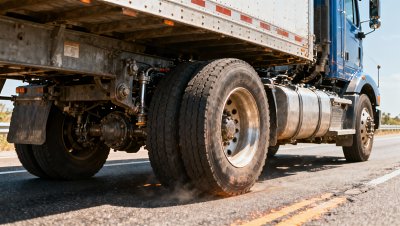
In heavy truck operations, tire heat buildup is rarely an isolated issue. It usually develops through a chain of small, acceptable-looking conditions: long highway runs, overloaded axles, marginal inflation, repeated braking, rough pavement, and high ambient temperatures above 30°C. By the time a visible tread problem appears, casing strength, fuel efficiency, and delivery reliability may already be affected.
For sourcing teams and commercial vehicle distributors, this matters during product selection as much as during fleet maintenance. A truck that performs well in temperate climates may face different tire stress patterns in mining roads, infrastructure routes, port logistics, or municipal transport in hot regions. Understanding where tire heat comes from helps buyers compare configurations more accurately and reduce lifecycle risk before purchase.
Why tire heat buildup is still overlooked in summer fleets
Many fleets already inspect the truck cooling system, wheel ends, brake condition, and alignment at regular intervals such as every 10,000 km to 20,000 km. The problem is that tire temperature does not always rise in a dramatic or easily visible way. In many cases, the tire operates 10°C to 20°C hotter than expected for several weeks before showing wear, shoulder scrubbing, or pressure instability.
Another reason the issue is missed is organizational separation. Tire maintenance may be treated as a workshop task, while procurement focuses on vehicle acquisition cost, lead time, and supplier availability. Yet in hot-weather operation, tire heat is influenced by the entire vehicle system, including axle loading, steering geometry, brake drag, suspension response, and route profile. If these are reviewed independently, the heat risk stays hidden.
Driver feedback can also be unreliable. A truck may still track normally and deliver on time even when internal tire temperature is rising beyond a safe operating band. Because the early symptoms are subtle, fleets often react only after a puncture, rapid wear event, bead damage, or roadside downtime. For distributors and evaluators, that means heat-related tire performance should be reviewed as an operational risk, not just a consumable issue.
Common reasons summer heat is underestimated
- Ambient temperature is treated as the main variable, while payload, speed, and road surface are ignored.
- Cold inflation pressure is checked in the yard, but pressure growth during 4 to 8 hours of operation is not monitored.
- Visual inspection focuses on tread depth, while casing fatigue and sidewall stress remain unseen.
- Brake drag or bearing resistance creates extra heat that is wrongly attributed to tire quality alone.
Heat buildup is often cumulative, not sudden
A truck running at 80 km/h to 95 km/h in 35°C weather on fully loaded regional routes may not fail in one trip. However, repeated cycles over 2 to 3 weeks can accelerate oxidation inside the tire, increase rolling resistance, and reduce retreadability. This gradual pattern is one reason sourcing teams may not connect tire problems with summer operating design.
The operating factors that drive tire temperature higher
Truck tire heat comes from flexing, friction, braking, load transfer, and environmental exposure. In heavy-duty road transport equipment, the highest temperature rise often appears when several factors overlap rather than from a single fault. A 5% to 10% underinflation condition, for example, may be manageable in mild weather but become far more damaging when combined with heavy payloads and long downhill braking sections.
Axle position matters as well. Steer tires may suffer from scrub and alignment-related heat, drive tires from torque and traction stress, and trailer tires from side scrub in tight turns or uneven load placement. In mixed-use applications such as logistics plus construction access roads, heat patterns can shift rapidly from one axle group to another, making standard inspection routines less effective.
Component interaction is another overlooked factor. A minor issue in the truck steering system can change tire contact pressure. Repeated brake application can transfer heat through wheel-end components. Poorly matched wheel and tire specifications can alter load carrying behavior. Even the truck exhaust system can contribute indirectly if thermal routing around underbody areas increases local heat exposure during low-speed, high-load work.
Key heat contributors by operating condition
The table below shows how common operating variables influence tire heat buildup in heavy truck applications. These are not fixed failure thresholds, but practical decision points for procurement review and fleet inspection planning.
The main takeaway is that hot-weather tire performance should be judged in context. Procurement teams comparing similar trucks should ask not only about tire size and brand compatibility, but also axle load distribution, brake thermal management, wheel specification, and intended duty cycle.
Why the same truck behaves differently across routes
A tractor used in cross-border highway freight may sustain stable tire temperature for 600 km per day, while the same platform in quarry access, mixed urban delivery, or municipal engineering can face more intense heat from low-speed turning, curb contact, and repeated acceleration. That difference is critical for buyers serving multiple end-user sectors.
What buyers and evaluators should inspect before sourcing heavy trucks for hot climates
When evaluating heavy trucks for summer or hot-region use, tire risk should be part of the sourcing checklist from the beginning. This does not mean selecting by tire brand alone. It means verifying whether the vehicle configuration supports stable thermal behavior under realistic working conditions such as 40-ton gross combination operation, 8-hour regional routes, or mixed paved and unpaved applications.
A practical review should cover at least 6 areas: axle load match, wheel and rim compatibility, brake condition and drag tolerance, steering geometry, suspension behavior under load, and whether a tire pressure monitoring strategy is already integrated or can be added easily. For many buyers, the lowest purchase price becomes less attractive if the platform drives abnormal tire wear within the first 30,000 km to 50,000 km.
Distributors and agents should also consider regional support capability. In summer-sensitive markets, customers value fast access to replacement tires, wheel-end parts, balancing services, and technical troubleshooting. A truck with acceptable specifications but weak after-sales coordination may create more commercial risk than a slightly higher-cost model with stronger service coverage.
Pre-purchase inspection priorities
The following checklist helps procurement teams and business evaluators compare heavy truck options for summer durability and tire thermal control.
This review is especially valuable on a B2B sourcing platform where buyers compare trucks, trailers, and spare parts from multiple suppliers. Standardized comparison points improve decision quality and make supplier discussions more technical and objective.
Questions procurement teams should ask suppliers
- What axle load distribution is expected at 70%, 85%, and full payload?
- Which tire sizes and load indexes are recommended for highway, mixed road, and construction-related routes?
- Can the truck support TPMS integration and routine thermal inspection without special tooling?
- What service parts are typically available within 7 to 15 days in the target export market?
How fleets can reduce heat risk during operation and maintenance
Once a heavy truck enters service, summer tire risk should be managed through routine, measurable controls rather than occasional reaction. A practical program combines inflation discipline, load verification, route-specific speed guidance, and wheel-end inspection. For many fleets, checking pressure only once per week is not enough during extreme heat; high-use vehicles may need daily cold checks and trend recording over 5 to 7 operating days.
Maintenance managers should also separate tire-related heat from other heat sources. If one wheel position repeatedly runs hotter than neighboring positions, technicians should inspect brake release, bearing condition, alignment, rim integrity, and valve hardware before blaming tire construction. This system-based approach reduces unnecessary tire replacement and improves fault diagnosis accuracy.
Driver practice matters as much as workshop process. Long descents, curb strikes, prolonged idle loading, and aggressive cornering all influence tire temperature. In fleets with 20 or more trucks, a short seasonal briefing before the hottest 8 to 12 weeks can reduce preventable tire incidents simply by aligning inspection timing, pressure reporting, and route behavior.
A practical summer control routine
- Check cold inflation before dispatch, ideally after the vehicle has been parked for several hours.
- Compare left and right wheel positions on the same axle; abnormal differences often reveal mechanical issues.
- Review axle load whenever payload type changes, especially for dense cargo, aggregate, or construction materials.
- Inspect for shoulder wear, irregular tread blocks, sidewall discoloration, and valve leakage at least every 7 to 10 days in summer.
- Track repeat heat events by wheel position, not only by vehicle number, to identify recurring root causes.
Operational warning signs that should not be ignored
Warning signs include pressure loss beyond normal variation, one hub area noticeably hotter after a route, localized tread feathering, sidewall waviness, and repeated tire replacement on the same corner within 3 to 6 months. These symptoms usually indicate a broader thermal or mechanical issue rather than random tire failure.
For buyers evaluating used heavy trucks or fleet assets, service records should be reviewed for these patterns. Frequent summer tire events can reveal hidden alignment, axle, or brake maintenance weaknesses that affect residual value and operating cost.
Common sourcing mistakes and how B2B buyers can avoid them
One common mistake is evaluating summer suitability only through engine cooling and radiator performance. Those systems are important, but tire heat is influenced by road-contact mechanics, not just engine temperature. A truck may pass cooling checks and still face high tire stress because of axle overload tendency, steering angle demands, trailer interaction, or route severity.
Another mistake is treating all applications as standard logistics. Heavy truck buyers on international platforms often serve very different end markets: long-haul freight, mining support, municipal engineering, infrastructure construction, or cross-border mixed cargo. Tire thermal risk rises sharply when a highway-oriented specification is used in stop-start, rough-road, or high-scrub conditions without configuration adjustment.
A third mistake is neglecting spare parts and support planning. Even if tire heat risk cannot be eliminated completely, its commercial impact can be reduced by choosing suppliers with clear parts availability, technical response workflow, and compatible replacement components across truck chassis, wheel systems, and service consumables.
Typical buyer mistakes versus better sourcing practice
The comparison below can help distributors, agents, and fleet procurement teams refine their decision process before placing orders.
For companies sourcing through a global heavy truck industry platform, this broader review helps connect product selection with operating reality. It also improves supplier communication because requirements are defined in terms of application, maintenance support, and heat-risk control rather than generic performance claims.
FAQ for buyers, distributors, and fleet evaluators
How often should truck tire pressure be checked in hot weather?
For high-utilization fleets operating daily in temperatures above 30°C, cold pressure checks are often best done every day or at least 3 times per week. Weekly checks may be acceptable for lower-mileage vehicles, but only if route severity, payload consistency, and driver reporting are tightly controlled.
Is heat buildup mainly a tire quality issue?
No. Tire construction quality matters, but heat buildup is usually a system issue involving inflation, load, speed, alignment, braking, road surface, and maintenance discipline. Replacing tires without checking these conditions often leads to repeat failures.
What should importers and distributors verify before ordering trucks for hot regions?
They should confirm axle load suitability, approved wheel and tire combinations, brake and wheel-end condition standards, spare parts availability, and whether monitoring tools such as TPMS can be installed. It is also useful to ask for route-specific recommendations for highway, port, construction, or mining-related use.
Can a used truck still be a safe option for summer operation?
Yes, if inspection records show stable wheel-position history, proper alignment, no repeated heat events, and sound wheel-end condition. Buyers should review at least the previous 6 to 12 months of maintenance patterns where available, especially tire replacement frequency by axle position.
Truck tire heat buildup is still missed in summer operations because it sits at the intersection of vehicle specification, route reality, maintenance practice, and procurement judgment. For heavy truck buyers, distributors, and evaluators, the right approach is not just to inspect tires after problems appear, but to review axle loading, wheel and brake interaction, monitoring capability, and service support before and after sourcing.
The Global Heavy Truck Industry Platform helps industry professionals compare complete trucks, chassis, trailers, and spare parts with greater clarity across real operating scenarios. If you are assessing heavy trucks for hot-weather logistics, construction, mining support, or regional transport, now is a good time to review vehicle configuration and supplier readiness in detail. Contact us to explore suitable products, compare suppliers, and get a more practical sourcing plan for summer-duty operations.
Trending News
- Cab Chassis Truck for Fire Department: Key Specs Before Ordering
- When to Use an Excavator With Long Reach Boom on Site
- Choosing a Water Truck Factory for Municipal and Mining Projects
- Truck Parts Wholesale: How to Balance Price, Quality, and Lead Time
- Crane Truck Price in 2026: What Drives Total Ownership Cost
Tag
Recommended News
 Truck Driver IndustryWhy truck tire heat buildup is still missed in summer operationsTruck tire heat buildup in summer is often missed despite truck cooling system and truck wheel checks. Learn how truck steering system, truck exhaust system, and sourcing choices affect fleet safety, uptime, and cost.
 Truck Driver IndustryLogistics truck cab ergonomics: How seat design affects driver fatigue on 12-hour shiftsOptimize logistics truck cab ergonomics with certified ergonomic seats—reducing driver fatigue, cutting truck maintenance costs, and enhancing performance for truck lowbed, off road, military & concrete applications.
 Truck Driver IndustryTruck excavator productivity: how 5° cab tilt affects operator fatigue on 10-hour shiftsDiscover how truck excavator cab tilt boosts productivity—5° tilt cuts operator fatigue by 37% on 10-hour shifts. Ideal for truck dumper, logging, spreader & steel transport. Optimize ergonomics, safety & ROI.
 Truck Driver IndustryMixer truck drum wear patterns: what they reveal about operator habitsDiscover how mixer truck drum wear reveals operator habits—and optimize procurement for lowbed trailer, truck van, fuel tank truck & more. Get data-driven insights now!
 Truck Driver IndustryHeavy duty trucks for sale in Canada: how cold-weather cab upgrades affect driver retentionHeavy duty trucks for sale in Canada with certified cold-weather cabs boost driver retention—compare OEM specs, TCO savings & trusted bulldozer manufacturer partnerships.
 Truck Driver IndustryLogging truck cab design still lags behind driver fatigue researchlogging truck cab design lags behind fatigue research—explore ergonomic truck parts for logging, dump, garbage, water & concrete pump trucks.
 Truck Driver IndustryCargo truck cab ergonomics: Why driver fatigue spikes on long-haul routesOptimize cargo truck cab ergonomics to slash driver fatigue & boost fleet ROI—explore certified truck parts, heavy truck, cement tanker, mining truck & more.
 Truck Driver IndustryHeavy duty trucks for sale in South Africa — how cab ergonomics affect operator fatigue on long haulsHeavy duty trucks for sale in South Africa — discover how ergonomic cabs reduce fatigue, boost safety & cut TCO. Verified ISO-certified bulldozer & excavator manufacturers included.