Construction Machinery Supplier Costs Explained
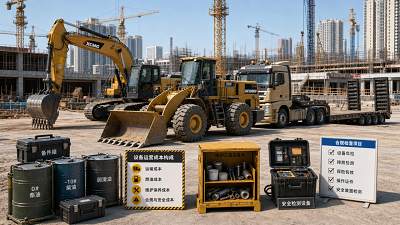
Understanding construction machinery supplier costs is essential for buyers comparing global sourcing options. From commercial vehicle parts and truck spare parts supplier networks to truck cylinder, truck injector, truck steel, bulk cement trailer, bulk cement tanker, truck skeleton, and flatbed trailer supplier pricing, every cost factor affects procurement efficiency, quality, and long-term value.
For most buyers, the real question is not simply “Why is one supplier cheaper than another?” but “What is the true total cost of buying from this supplier over the full procurement cycle?” In construction machinery and related heavy transport equipment, quoted price is only one part of the decision. Tooling, material grade, compliance, logistics, after-sales support, spare parts availability, payment terms, and quality risk can all change the final cost significantly. For procurement teams, distributors, and commercial evaluators, the best supplier is often the one that delivers the strongest balance of price, reliability, lead time, and lifecycle value.
What does “supplier cost” really include in construction machinery sourcing?
When evaluating a construction machinery supplier, buyers should separate unit price from total procurement cost. A low quoted price may look attractive at first, but the real sourcing cost usually includes several layers:
- Product cost: the base price of the machinery, component, trailer, or spare part
- Material and manufacturing cost: steel grade, engine component quality, hydraulic system specification, welding standard, and production complexity
- Tooling or customization cost: mold fees, design changes, branding, special dimensions, or local compliance modifications
- Inspection and certification cost: third-party testing, factory audits, emissions compliance, or export certification
- Packaging and shipping cost: container loading, CKD/SKD packaging, inland transport, sea freight, insurance, and port charges
- Import and local landing cost: duties, VAT, customs clearance, warehousing, and inland delivery
- After-sales cost: warranty response, spare parts support, technical training, and downtime risk
This is especially important in categories such as construction machinery, complete trucks, truck chassis & cab, trailers & semi-trailers, and truck spare parts. The lowest factory offer can become the highest operational cost if the product fails early, parts are hard to source, or delivery delays affect projects.
Why do supplier prices vary so much for similar products?
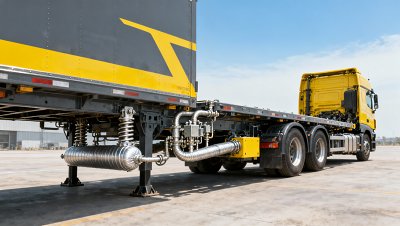
Price differences between suppliers are often caused by structural cost factors rather than simple markup. Buyers comparing multiple offers for the same excavator attachment, mixer body, bulk cement tanker, flatbed trailer, or truck injector should focus on what is behind the quotation.
Common reasons include:
- Different material standards: higher-grade truck steel, wear-resistant plate, or reinforced chassis structures increase durability but also cost more
- Component origin: imported hydraulic parts, branded axles, premium seals, and OEM-level injectors typically raise pricing
- Manufacturing process: robotic welding, stricter tolerance control, advanced coating lines, and better heat treatment improve consistency
- Production scale: larger manufacturers may have lower per-unit cost due to volume purchasing and process efficiency
- Customization level: custom truck skeleton designs, trailer dimensions, axle configurations, or branding requirements increase engineering and setup cost
- Compliance requirements: products prepared for specific markets may need different braking systems, lighting standards, emission specifications, or homologation documents
- Service capability: suppliers with overseas support networks or strong spare parts systems often charge more, but reduce risk
In practice, two products that appear similar in photos can perform very differently in the field. This is why procurement teams should ask for BOM details, steel thickness, brand list for key components, test reports, and warranty terms before comparing prices.
Which cost factors matter most to procurement teams and business evaluators?
For information researchers, buyers, and commercial assessment teams, the most important issue is whether the supplier supports profitable and stable procurement. In many cases, the decisive factors are not the visible ones.
The highest-priority cost considerations usually include:
- Consistency of quality: can the supplier maintain the same standard across repeat orders?
- Lead time reliability: can they ship on schedule during peak demand or supply chain pressure?
- Spare parts support: is there a reliable truck spare parts supplier network for future maintenance?
- Claim and warranty exposure: what is the expected cost if products fail in service?
- Commercial flexibility: what are the MOQ, payment terms, and price validity period?
- Channel suitability: can the supplier support distributors, agents, or regional market expansion?
For example, a distributor sourcing truck cylinder, truck injector, or construction machinery components may accept a slightly higher purchase price if the supplier can guarantee stable stock, technical documentation, and fast replenishment. That reduces stockout risk and improves customer retention. Likewise, a buyer sourcing a bulk cement trailer or bulk cement tanker may prioritize structural durability and parts compatibility over headline price because repair downtime can be far more expensive than the initial savings.
How to compare construction machinery supplier quotes correctly
A strong quote comparison process should go beyond “price per unit.” Buyers should standardize comparison criteria so each supplier is evaluated on the same basis.
A practical comparison checklist includes:
- Confirm product specification alignment
Make sure each quote refers to the same dimensions, payload, material grade, component brand, and performance standard. - Break down the quote structure
Ask suppliers to separate ex-works cost, packaging, inland delivery, port charges, and optional accessories. - Check what is excluded
Clarify whether the quote excludes testing, manuals, spare parts kits, branding, or after-sales support. - Review MOQ and scale pricing
Some suppliers offer favorable pricing only at higher order volumes. - Evaluate payment terms
A lower price with difficult prepayment conditions may create cash flow pressure. - Measure lifecycle cost
Estimate maintenance frequency, wear part replacement, downtime exposure, and service support cost.
This method is especially useful when sourcing from multiple international suppliers across categories such as commercial vehicle parts, truck chassis, trailer structures, and construction machinery assemblies. A clean comparison model helps decision-makers avoid misleading low-price offers.
Hidden costs that buyers often miss
Many procurement problems come from costs that were not visible during the quotation stage. These hidden costs can seriously affect margin, project schedules, and long-term supplier performance.
The most common hidden costs include:
- Rework and repair: poor welding, coating defects, dimensional mismatch, or premature component failure
- Delay cost: missed delivery windows affecting project completion or distribution plans
- Communication inefficiency: unclear documentation, slow technical response, or language barriers
- Inventory risk: irregular spare parts availability leading to overstocking or emergency purchasing
- Compliance risk: customs issues, incomplete documents, or certification mismatch for the destination market
- Brand damage: resale complaints caused by unstable quality from an unreliable supplier
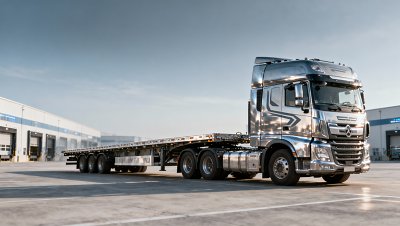
For dealers and agents, these hidden costs can be more damaging than the initial product price. A flatbed trailer supplier with slightly higher pricing but better documentation, stronger corrosion protection, and dependable spare parts may create better resale performance than a cheaper alternative with frequent customer complaints.
How different product categories influence supplier cost structures
Supplier cost logic is not identical across all heavy equipment and transport-related products. Buyers should assess pricing based on category-specific drivers.
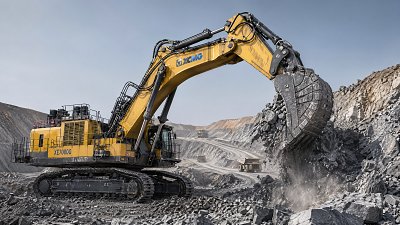
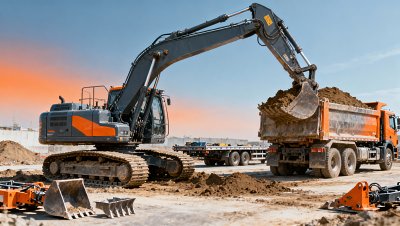
- Construction machinery: costs are often driven by hydraulic systems, structural steel, engine configuration, and control technology
- Truck spare parts: pricing is influenced by precision tolerance, raw material grade, OEM compatibility, and production batch size
- Truck cylinder and truck injector products: quality consistency, machining accuracy, and fuel system performance strongly affect price
- Truck steel and structural assemblies: fluctuations in steel markets, thickness requirements, and anti-corrosion treatment are key cost factors
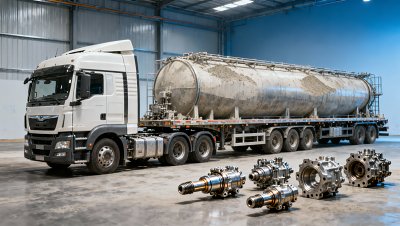
- Bulk cement trailer and bulk cement tanker products: pressure system design, tank body structure, axle brands, and safety fittings have major cost impact
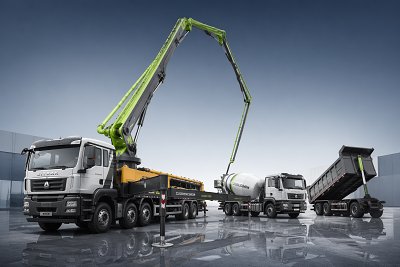
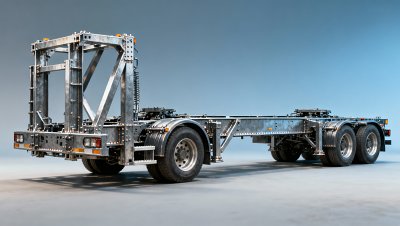
- Truck skeleton and flatbed trailer supplier offers: beam design, payload requirements, axle configuration, suspension choice, and surface treatment are major price variables
This is why category expertise matters when selecting suppliers. A supplier that performs well in truck spare parts may not be equally competitive in complete trailer systems, and vice versa. Buyers should evaluate whether the supplier’s manufacturing strengths match the exact product segment being sourced.
How to judge whether a higher-priced supplier is actually the better deal
A higher supplier quotation is justified when it reduces risk, extends service life, improves market acceptance, or lowers total operating cost. Buyers should ask whether the added cost creates measurable business value.
A higher-priced supplier may be the better choice if they offer:
- Longer product lifespan under heavy-duty operating conditions
- Lower maintenance frequency and better parts interchangeability
- Faster lead times and stronger order fulfillment discipline
- Better export documentation and destination-market compliance
- Reliable technical support for installation and after-sales service
- Stronger support for distributors building a long-term product line
For business evaluators, this is where cost should be linked to margin protection and channel sustainability. A supplier that helps reduce warranty claims, return rates, and customer dissatisfaction may create stronger long-term profitability even if the purchase price is not the lowest.
What buyers should ask suppliers before making a final decision
Before selecting a construction machinery or heavy transport equipment supplier, buyers should ask targeted commercial and technical questions. These questions often reveal whether the supplier is suitable for serious long-term cooperation.
- What are the exact material and component specifications?
- Can you provide recent export references to similar markets?
- What testing and inspection processes are used before shipment?
- How stable are lead times across repeat orders?
- What spare parts support is available after delivery?
- What warranty policy applies, and how are claims handled?
- Can you support private label, distributor partnerships, or regional agency development?
- What cost elements may change due to raw material or freight fluctuations?
These questions are especially useful for global buyers using a B2B platform to compare manufacturers, suppliers, and distributors across multiple regions. A good platform can shorten search time, but final supplier selection still depends on disciplined evaluation.
Using B2B platforms to improve supplier cost transparency
For international sourcing, a specialized B2B platform can help buyers reduce search cost and improve supplier comparison efficiency. In the heavy truck and construction machinery industry, this is valuable because product categories are broad, technical standards vary, and supplier quality can differ significantly.
A professional global platform helps by:
- Making it easier to compare multiple suppliers in one place
- Providing access to product categories such as complete trucks, construction machinery, trailers, and spare parts
- Supporting early-stage supplier discovery and market research
- Improving visibility into supplier capabilities and product range
- Helping buyers identify manufacturers that fit their market and business model
For procurement teams, distributors, and agents, this reduces information gaps and supports more structured sourcing decisions. Instead of relying only on price inquiries, buyers can review broader supplier context and better assess overall value.
Conclusion: the best supplier cost is the one that supports long-term value
Construction machinery supplier costs should never be judged by unit price alone. For serious buyers, the real objective is to control total procurement cost while protecting quality, delivery performance, after-sales capability, and long-term business returns. Whether sourcing commercial vehicle parts, truck spare parts, truck cylinder, truck injector, truck steel, bulk cement trailer, bulk cement tanker, truck skeleton, or flatbed trailer products, the right decision comes from comparing complete cost structures rather than chasing the cheapest quote.
The most effective procurement approach is to combine price analysis with technical verification, lifecycle thinking, and supplier reliability assessment. Buyers who do this well are more likely to reduce sourcing risk, improve resale or operational performance, and build stronger global supply partnerships.
- EXCAVATOR
- construction machinery supplier
- flatbed trailer supplier
- truck spare parts supplier
- commercial vehicle parts
- excavator attachment
- truck chassis
- heavy truck
- cement tanker
- construction machinery
- bulk cement trailer
- truck spare parts
- flatbed trailer
- truck injector
- truck cylinder
- truck skeleton
- truck steel
- commercial vehicle
- heavy equipment
- bulk cement tanker
Trending News
- Truck Tipper Exporter Compliance Risks in Cross-Border Deliveries
- Truck Trailer Distributor Trends Shaping Regional Market Growth in 2026
- Crane Truck for Sale: 7 Checks Before You Choose a Model
- How to Compare a Truck Trailer Supplier Beyond Unit Price
- Bulldozer for Construction: Key Specs That Affect Earthmoving Efficiency
Tag
Recommended News
 Industry ReportsConstruction Machinery Cost Control: 7 Hidden Expenses in Project PlanningConstruction machinery cost goes beyond purchase or rental price. Discover 7 hidden expenses that impact budgets, compare suppliers smarter, and protect project margins.
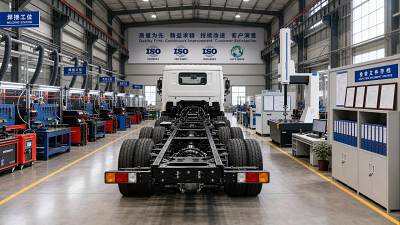
 Industry ReportsHow ISO Certification Reduces Supplier Risk in Heavy Truck ChassisHeavy truck chassis manufacturer with ISO certification: learn how ISO helps reduce supplier risk, improve traceability, and strengthen procurement confidence in global sourcing.
 Industry ReportsInfrastructure Machinery Supply: Avoiding Delays from Wrong Equipment MixConstruction machinery supplier for infrastructure: learn how the right equipment mix prevents delays, cuts downtime, and improves fleet coordination for roads, utilities, and transport projects.
 Industry ReportsMunicipal Engineering Machinery: Which Equipment Delivers Faster ProgressConstruction machinery supplier for municipal engineering insights: discover which excavators, dump trucks, pavers, and cranes deliver faster project progress, less downtime, and smarter fleet coordination.
 Industry ReportsBest Construction Machinery for Mining: Key Equipment by Site ConditionConstruction machinery for mining should match real site conditions. Discover the best equipment for soft ground, hard rock, and steep hauls to improve uptime, safety, and transport efficiency.
 Industry ReportsConstruction Machinery Manufacturer Trends Shaping Fleet UpgradesConstruction machinery manufacturer trends are reshaping fleet upgrades with smarter telematics, better fuel efficiency, and stronger service support. Learn how to choose equipment that cuts downtime and boosts project ROI.
 Industry ReportsHow Construction Machinery for Mining Affects Output, Fuel Use, and DowntimeConstruction machinery for mining directly affects output, fuel use, and downtime. Learn how to compare equipment, cut operating costs, and choose the right fleet for higher mining productivity.
 Industry ReportsWhat Changes When an Excavator Is Built for Mining WorkExcavator for mining vs standard models: discover how reinforced excavator parts, stronger hydraulics, and lifecycle value impact excavator price and smarter buying decisions.
 Industry ReportsTruck Concrete Pumping Jobs Need More Than High OutputTruck concrete pumping jobs demand more than high output. Learn how hydraulic pump efficiency, truck trailer and truck tipper support, and off road truck stability improve value.
 Industry ReportsHow to Assess Truck Mining Models for Harsh ConditionsAssess truck mining models for harsh sites with expert tips on construction truck, lowbed trailer, truck mounted crane, mixer truck, and refrigerated truck selection for lower downtime.
 Industry ReportsConstruction Machinery Supplier Costs ExplainedConstruction machinery supplier costs explained: compare commercial vehicle parts, truck cylinder, bulk cement trailer, truck injector and flatbed trailer supplier pricing for smarter sourcing.
 Industry ReportsMining Truck Fuel Burn Is Not the Only Cost That MattersMining truck cost goes beyond fuel. Compare truck battery, truck lighting, off road truck reliability, parts support, and lifecycle value to choose smarter, lower-risk fleets.
 Industry ReportsWhy Excavator for Construction Size MattersExcavator for construction size affects cost, output, and fleet fit. Compare excavator rental, excavator for sale, dump truck for sale, and excavator parts to choose smarter.
 Industry ReportsLowbed trailer air suspension vs. mechanical: total cost of ownership analysisCompare lowbed trailer air vs. mechanical suspension TCO—covering mixer truck, fuel tank truck, truck container & more. Save on maintenance, tires, fuel & downtime.
 Industry ReportsHenan 2026 Key Projects List Released: >¥1T Transport InvestmentHenan's 2026 transport investment >¥1T unlocks opportunities for陆路运输设备 makers—EV truck charging corridors, intelligent freight hubs & multimodal terminals await.
 Industry ReportsTruck trailer manufacturer certifications — which ones actually affect field durability?Looking for a truck trailer manufacturer or dump truck for sale? Discover which certifications—like EN 12642-C and ISO 12944-6—actually boost field durability, not just paperwork.
 Industry ReportsTruck trailer manufacturer rankings — based on real-world service response timeCompare top truck trailer manufacturers & dump truck manufacturers by real-world service response time—get accurate dump truck price, truck tipper price, and semi trailer for sale insights before you buy.
 Industry ReportsDump truck manufacturer vs. local assembler: Where do warranty terms really differ?Compare dump truck manufacturer vs. local assembler warranty terms—critical for dump truck for sale, truck tipper price, and semi trailer for sale decisions.
 Industry ReportsCommercial Vehicle Parts Shortages Are Changing Maintenance PlansCommercial vehicle parts shortages are reshaping maintenance for wing van truck, light duty truck, and cab chassis truck fleets. Explore smarter sourcing, truck engine parts planning, and truck brake system strategies.
 Industry ReportsWater truck distributor exclusivity agreements: What they lock in—and what they don’tUnlock water truck cost clarity & construction machinery quotation insights—what exclusivity agreements truly cover (and miss) for distributors, exporters & buyers.
 Industry ReportsConstruction machinery distributors: Are you buying from the factory—or a layered reseller?Compare real-time water truck cost, construction machinery quotation & crane truck distributor pricing—direct from verified manufacturers. Cut markups, lead times & risk.
 Industry ReportsBulldozer supplier tech support response times — real data from 12 service centersBulldozer supplier & excavator supplier response times revealed—real data from 12 global service centers. Compare bulldozer manufacturers, distributors, and heavy duty trucks for sale in Canada, South Africa, Australia—before you buy.
 Industry ReportsExcavator supplier transparency: are machine hours logged before shipment?Excavator supplier & bulldozer manufacturer transparency matters: verify pre-shipment machine hours for road construction, heavy duty trucks in Canada, South Africa, Australia—and logging truck OEMs.
 Industry ReportsFlatbed trailer tie-down point fatigue cracks appear earlier than rated cycle life — field inspection findingsFlatbed trailer tie-down fatigue cracks appear 30–50% earlier—critical for van, stake, gooseneck, curtain side, bulk, axle, wing van, water tanker & truck crane fleets. Act now.
 Industry ReportsBulk trailer pneumatic discharge systems underperform with abrasive materials — abrasion test resultsBulk trailer pneumatic discharge underperforms with abrasives—see wear data for van, flatbed, curtain side, gooseneck & more. Optimize TCO now.