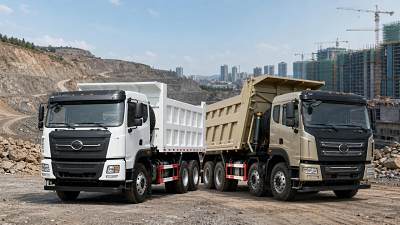
How to Choose a Dump Truck for Sale
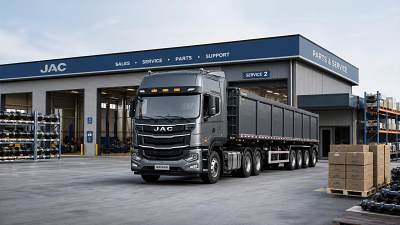
Choosing the right dump truck for sale requires more than comparing dump truck price alone. From truck tipper for sale options to matching equipment with excavator for construction needs, buyers must evaluate payload, durability, operating conditions, and supplier reliability. This guide helps procurement teams, distributors, and market researchers make smarter decisions while also considering related solutions such as excavator for sale, excavator rental, truck cement mixer models, and trusted truck parts manufacturer support.
In the road transport equipment sector, a dump truck is not just a vehicle purchase. It is a productivity asset that affects hauling efficiency, fuel cost, maintenance planning, project uptime, and resale value over a 3- to 8-year operating cycle. For B2B buyers, the right specification depends on application type, legal road limits, terrain, body volume, axle layout, and after-sales support.
Whether you are sourcing for infrastructure projects, mining support, municipal works, dealer inventory, or fleet expansion, the evaluation process should connect technical suitability with supply-chain reliability. A professional B2B sourcing platform can simplify comparison across manufacturers, spare parts sources, and related construction equipment categories, reducing procurement risk before the first unit is shipped.
Understand the Job Before Comparing Any Dump Truck for Sale
The first mistake many buyers make is looking at dump truck price before defining the transport task. A dump truck that performs well on urban construction routes may fail in quarry operations, while a heavy mining configuration may be too expensive and inefficient for short-haul municipal work. Start with the material type, haul distance, loading method, and daily cycle count.
In practical procurement reviews, 4 baseline questions should be answered first: What material will be transported, what is the average one-way distance, how many trips are expected per day, and what road condition dominates the route? Sand, gravel, ore, demolition waste, and wet soil place very different demands on body strength, suspension, and tipping stability.
For example, a buyer planning 20 to 35 trips per day on paved roads may prioritize fuel economy and turnaround speed. A contractor operating on rough, inclined, or muddy routes may instead need reinforced chassis strength, higher ground clearance, and better traction. Matching the truck to the actual duty cycle can reduce over-specification and under-performance at the same time.
Key application scenarios to define
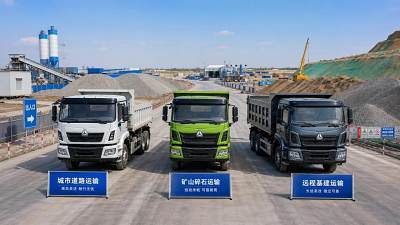
- Urban construction hauling: usually shorter distances, tighter turning radius, and stricter road compliance.
- Infrastructure projects: balanced demand for payload, uptime, and compatibility with excavator for construction loading patterns.
- Mining or quarry support: high body wear, heavy loads, and stronger demand for axle durability and reinforced steel bodies.
- Municipal engineering: frequent stops, mixed road conditions, and attention to hydraulic reliability.
The table below shows how common operating environments influence the type of truck tipper for sale that buyers should shortlist first rather than last.
The main takeaway is simple: the best dump truck for sale is the one that fits the real operating profile. Procurement teams that define job conditions early usually compare fewer unsuitable units and make faster supplier decisions within 2 to 4 review cycles.
Common planning errors
A frequent sourcing error is using body volume alone as a buying standard. If the truck is regularly overloaded, the result may be faster tire wear, brake stress, higher fuel use, and reduced service life. Another mistake is ignoring loader compatibility. If an excavator bucket size and truck body height are mismatched, loading time can increase by 10% to 20% per cycle.
Evaluate Core Specifications: Payload, Axle Layout, Body Type, and Engine Match
Once the operating scenario is clear, the next step is technical fit. In most B2B transactions, buyers compare payload capacity, gross vehicle weight, axle arrangement, horsepower range, body dimensions, hydraulic lifting performance, and drivetrain suitability. These technical factors determine whether a dump truck can perform efficiently under continuous commercial use.
Payload requirements often fall into broad segments such as 10-15 tons, 16-25 tons, and 25 tons or above, depending on local regulations and application needs. A lighter unit may be sufficient for city works, while quarry operations often require a stronger frame and more robust suspension. It is important to balance legal loading limits with usable body volume and route conditions.
Axle configuration is another critical decision. Common layouts include 4x2, 6x4, 8x4, and specialized off-road formats. A 6x4 configuration is widely selected for medium to heavy hauling because it offers a practical balance between traction, payload, and cost. An 8x4 can support higher payload demands but may raise tire, maintenance, and compliance considerations depending on the target market.
How body design affects performance
Body design should match the transported material. For rock, ore, or demolition debris, a reinforced body with wear-resistant steel and stronger floor thickness can extend service intervals. For sand, grain, or lighter aggregates, body volume may matter more than floor reinforcement. Typical body volumes in commercial sourcing range from around 10 cubic meters to 30 cubic meters, but actual usable capacity depends on density and local overloading rules.
Engine and transmission matching also matter. A truck that is underpowered for steep gradients or off-road starts will consume more fuel and place strain on driveline components. In many standard applications, buyers compare engines in the 240 hp to 420 hp range, though exact needs vary by load and terrain. Torque delivery at low speed often matters more than headline horsepower in stop-start construction work.
The comparison table below can help sourcing teams narrow the shortlist based on practical operating priorities instead of catalog appearance.
For procurement teams, the best practice is to compare 3 to 5 shortlisted units side by side. This makes it easier to eliminate trucks that look competitive on price but fall short on body strength, traction, or local road compliance.
Related equipment planning
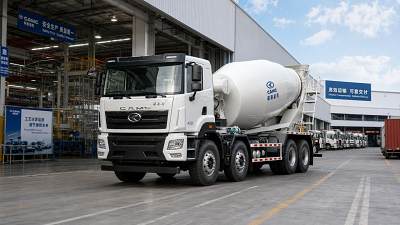
Many buyers also source adjacent equipment in the same procurement cycle. If the project includes excavator for sale, excavator rental, or truck cement mixer demand, it is worth checking whether suppliers can support coordinated delivery, parts compatibility, or consolidated export documentation. This can shorten procurement time by 7 to 15 days in multi-equipment purchasing programs.
Look Beyond Dump Truck Price: Total Cost of Ownership and Supplier Reliability
A low quote can be attractive, but the real buying decision should be based on total cost of ownership. For a commercial dump truck, purchase price is only one part of long-term cost. Fuel consumption, service intervals, wear parts replacement, tire life, hydraulic maintenance, downtime risk, and resale value all influence the financial outcome over 12, 24, or 60 months.
Procurement departments should ask suppliers for a breakdown that includes standard configuration, optional upgrades, spare parts package, lead time, warranty terms, and recommended service intervals. Even a 5% to 8% difference in fuel use or unscheduled downtime can significantly affect project margins when a truck runs daily in high-cycle hauling conditions.
Supplier reliability is equally important. A strong unit without parts support can become a costly asset within months. Buyers should verify communication speed, export experience, documentation quality, replacement part access, and technical responsiveness. For international sourcing, response time within 24 to 48 hours is often a practical benchmark during pre-sale evaluation.
Checklist for supplier assessment
- Confirm whether the supplier can provide clear configuration sheets, loading photos, and inspection records before shipment.
- Check spare parts availability for wear items such as hydraulic seals, suspension components, filters, and brake parts.
- Review packaging, export preparation, and delivery coordination for complete trucks and related machinery.
- Ask about after-sales support workflow, including technical feedback channels and replacement part lead times.
The following table helps buyers compare quote value more realistically than using unit price alone.
The most resilient purchasing decision usually comes from combining technical fit, realistic operating cost, and dependable supplier support. This is especially important for distributors and agents who need repeatable supply quality for multiple customers rather than a one-time transaction.
Why B2B platforms matter in comparison sourcing
A specialized global heavy truck industry platform can reduce sourcing friction by helping buyers compare suppliers, review multiple product categories, and identify related solutions in one place. That is particularly useful when fleets need dump trucks together with trailers, truck chassis, construction machinery, and spare parts from coordinated supply channels.
Match the Dump Truck With Delivery, Maintenance, and Parts Support
Selecting a dump truck for sale is not complete until delivery planning and after-sales support are reviewed. A technically suitable truck can still create problems if lead time is too long, spare parts are hard to source, or local service capability is weak. For cross-border buyers, coordination around documentation, shipment scheduling, and replacement parts often determines whether a project starts on time.
Lead time can vary based on stock availability and customization level. Ready units may move within 7 to 20 days, while trucks with custom bodies, axle changes, or additional export preparation may require 30 to 60 days. Buyers planning seasonal construction windows should build a buffer for inspection, inland transport, port handling, and destination clearance.
Maintenance planning should begin before the truck is delivered. Ask for preventive service intervals, lubrication schedules, hydraulic inspection points, and recommended spare parts for the first 6 to 12 months. Common fast-moving items may include filters, seals, brake components, electrical parts, and suspension wear items, depending on operating intensity.
Recommended implementation flow
- Define operational duty and legal load limits.
- Shortlist 3 to 5 dump truck models or suppliers.
- Confirm detailed specification, body design, and optional parts package.
- Review lead time, documentation, inspection method, and logistics plan.
- Prepare maintenance stock and technical onboarding before first deployment.
The table below summarizes a practical support framework for procurement, dealer stocking, and business evaluation teams.
For dealers and distributors, maintenance readiness is also a sales advantage. Customers evaluating a truck tipper for sale often prefer a supplier that can discuss not only the machine itself, but also delivery planning, parts continuity, and service support across the first operating year.
Related sourcing opportunities
Projects that require dump trucks frequently also need excavator support, spare parts, and concrete transport equipment. A platform that covers complete trucks, construction machinery, trailers, and components helps buyers centralize research and compare suppliers more efficiently across several categories instead of sourcing each item separately.
Frequently Asked Questions About Buying a Truck Tipper for Sale
How do I know what payload is right for my operation?
Start with material density, legal road restrictions, and average trip distance. If your route is mainly urban and regulated, a medium-capacity unit may deliver better utilization than a larger truck that cannot legally operate at full capacity. If the work is off-road or mining support, focus more on structural strength and body durability than on catalog volume alone.
Is the lowest dump truck price usually the best deal?
Not necessarily. A lower initial price may exclude reinforced body construction, stronger suspension, spare parts support, or technical documentation. Over a 12- to 36-month period, higher fuel use, extra maintenance, and delayed repairs can outweigh the original savings. Compare complete operating value, not just invoice price.
What should distributors and agents check before adding a dump truck model?
Distributors should review market fit, repeat parts demand, lead time stability, and supplier communication quality. It is useful to confirm whether the model suits at least 2 or 3 common local scenarios such as construction hauling, aggregate transport, and municipal engineering. Product line consistency is important for repeat orders and service planning.
Can I source dump trucks together with excavator for sale or truck cement mixer units?
Yes, and this can improve procurement efficiency. Many project buyers prefer to compare dump trucks, excavator for sale listings, excavator rental options, and truck cement mixer supply within a single heavy equipment sourcing ecosystem. This approach helps align delivery schedules, documentation, and spare parts planning across related categories.
What are the most common buying mistakes?
The most common errors are selecting by price only, ignoring route conditions, underestimating spare parts needs, and choosing a body type not suited to the transported material. Another risk is failing to verify response speed and after-sales process before payment. Strong supplier communication during pre-sale stages often predicts stronger support after delivery.
Choosing the right dump truck for sale means aligning real operating conditions, technical specifications, lifecycle cost, and supply reliability. Buyers who compare payload, axle layout, body durability, lead time, and parts support in a structured way are far more likely to secure a truck that performs well in construction, logistics, mining support, and municipal transport tasks.
For procurement teams, business evaluators, distributors, and market researchers, a specialized global heavy truck industry platform offers a practical way to compare complete trucks, construction machinery, trailers, and spare parts in one professional sourcing environment. If you are evaluating a truck tipper for sale, related excavator solutions, or trusted truck parts manufacturer resources, now is the right time to refine your shortlist. Contact us today to get tailored sourcing support, compare supplier options, and explore more commercial vehicle solutions.
Trending News
- Heavy Equipment Export to Africa: Cost Risks and Market Priorities
- Low Bed Trailer Export for Mining: Load Limits and Route Planning
- Construction Machinery for Mining: Key Specs That Affect Output
- Bulldozer Price vs Operating Cost: What Matters Before Purchase
- Truck Cement Mixer Supplier Comparison: Price, Lead Time, and Service
Tag
Recommended News
 Buying GuideBulldozer Price vs Operating Cost: What Matters Before PurchaseBulldozer price is only the starting point. Compare fuel, maintenance, uptime, parts support, and resale value to choose a dozer that delivers lower total ownership cost.
 FAQWater Sprinkler Truck Uses, Tank Sizes, and Road Safety BasicsWater sprinkler truck uses, tank sizes, and road safety basics explained. Learn how to choose the right capacity, improve dust control efficiency, and compare reliable fleet-ready options.
 Buying GuideTruck Cement Mixer Supplier Comparison: Price, Lead Time, and ServiceTruck cement mixer supplier comparison guide covering price, lead time, service, and technical fit. Compare smarter, reduce sourcing risk, and choose a supplier that supports long-term fleet value.
 Buying GuideChoosing a Truck Cement Mixer Manufacturer for Long-Term ReliabilityTruck cement mixer manufacturer selection affects uptime, maintenance costs, and delivery reliability. Compare key specs, service support, and sourcing tips for smarter long-term procurement.
 Buying GuideTruck Cement Mixer Price: What Drives Total Cost in 2026Truck cement mixer price in 2026 depends on more than the quote. Compare chassis, drum capacity, maintenance, delivery, and supplier risk to make smarter, lower-cost buying decisions.
 Buying GuideCrane Truck for Sale: 7 Checks Before You Choose a ModelCrane truck for sale: discover 7 essential checks to compare models, reduce procurement risk, control total cost, and choose the right truck for safer, more efficient operations.
 Buying GuideHow to Compare a Truck Trailer Supplier Beyond Unit PriceTruck trailer supplier comparison should go beyond unit price. Learn how to assess quality, compliance, delivery, and after-sales support to reduce risk and secure long-term value.
 Buying GuideSemi Trailer Bulk Order Checklist for Delivery Risk and Lead TimeSemi trailer bulk order success starts with a clear checklist. Learn how to reduce delivery risk, control lead time, compare suppliers, and keep large trailer procurement on schedule.
 Buying GuideTruck Tipper OEM vs Standard Models: Which Lowers Project Costs?Truck tipper OEM vs standard models: discover which option cuts total project costs through better uptime, compliance, payload fit, and lower lifecycle expenses.
 Buying GuideLogging Truck Price Guide: Spec Choices That Change Total Ownership CostLogging truck price is more than the upfront quote. Discover how axle setup, engine sizing, durability, and service support shape total ownership cost and smarter buying decisions.
 Buying GuideLogging Truck Supplier Selection: Load Capacity, Terrain Fit, and DowntimeLogging truck supplier selection guide: compare load capacity, terrain fit, parts support, and downtime risk to choose reliable forestry trucks and cut operating costs.
 Buying GuideCrane Truck Manufacturer Comparison: Boom Stability, Payload, and SupportCrane truck manufacturer comparison guide covering boom stability, payload, chassis integration, and support to help buyers choose safer, more efficient trucks with long-term value.
 Buying GuideDump Truck Supplier With Quick Delivery: What to Verify FirstDump truck supplier with quick delivery: learn what to verify first, from factory credibility and capacity to compliance, landed cost, and after-sales support before you buy.
 Buying GuideCab Chassis Truck for Fire Department: Key Fitment PointsCab chassis truck for fire department selection starts with fitment. Learn key points on GVWR, wheelbase, PTO, safety, and body integration to improve uptime and response performance.
 Fleet ManagementDelivery Truck Supplier in USA: What Matters Most for Fleet ExpansionDelivery truck supplier in USA selection impacts uptime, cost, and fleet growth. Learn how to compare suppliers by route needs, service support, and long-term scalability.
 Buying GuideCost-Effective Delivery Truck Supply: What Low Price May Leave OutDelivery truck supplier with cost-effective solutions: learn what low prices may leave out, from compliance and after-sales support to lifecycle value, so you can source smarter and avoid hidden costs.
 FAQDelivery Truck for School Transportation: Safety Points Before OrderingDelivery truck supplier for school transportation: review key safety points before ordering, from braking and visibility to compliance and passenger protection.
 Buying GuideHow to Choose a Truck Trailer Distributor for Stable After-Sales SupportTruck trailer distributor selection starts with after-sales strength. Learn how to compare service networks, parts support, warranty response, and technical help for long-term uptime.
 Buying GuideWhat to Check Before Choosing a Truck Cement Mixer SupplierTruck cement mixer supplier selection starts with the right checks. Learn how to compare quality, compliance, delivery, and after-sales support to reduce risk and choose with confidence.
 Buying GuideBulldozer Price Guide: What Affects Cost Across Jobsite TypesBulldozer price guide for construction, mining, roadwork, and municipal projects. Compare key cost drivers, avoid overbuying, and source the right dozer with confidence.
 Fleet ManagementHow to Choose Commercial Vehicle Parts for Warehouse Fleet UptimeCommercial vehicle parts for warehouse fleets directly impact uptime. Learn how to choose durable, accurate-fit parts and reliable suppliers to reduce downtime and control maintenance costs.
 Buying GuideLogging Truck Supplier Selection: Durability Points That Matter in Tough TerrainLogging truck supplier selection starts with durability. Discover the key strength, traction, braking, and support factors that reduce downtime in tough terrain.
 FAQDump Truck Sourcing Mistakes That Delay Construction ProjectsDump truck sourcing mistakes can delay construction projects, raise hidden costs, and disrupt site schedules. Learn the key risks to avoid and source smarter for faster, more reliable project delivery.
 Buying GuideWhat Makes a Delivery Truck Supplier Suitable for School TransportationDelivery truck supplier for school transportation: learn how to assess safety, compliance, body design, and after-sales support for urban, rural, and school logistics needs.
 Buying GuideHow to Plan a Semi Trailer Bulk Order Without Costly Specification MistakesSemi trailer bulk order planning starts with the right specs. Learn how to avoid costly mistakes, compare suppliers wisely, and secure compliant, fleet-ready trailers.