CAAM: New-Energy Heavy Trucks Exceed 50% Monthly Penetration in China
New-energy heavy trucks accounted for more than half of the relevant heavy-truck market in China in October 2026, according to data released by the China Association of Automobile Manufacturers (CAAM). The monthly penetration rate crossed 50%, a threshold that signals a shift in the role of new-energy vehicles in a segment long associated with high energy consumption.
The figure points to growing market demand and greater technological maturity for new-energy heavy trucks. Its immediate significance lies in the share recorded for a single month: new-energy vehicles moved beyond the halfway mark in the reported measure. Whether that position can be maintained is a separate question for subsequent data.
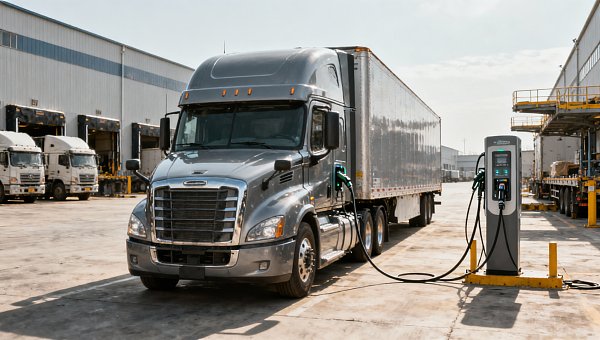
What the monthly threshold means
A penetration rate above 50% indicates that new-energy heavy trucks represented a larger share than other heavy trucks within the market covered by the measure during October. It is a meaningful marker of electrification in the segment, but it should be read as a monthly result. It does not establish the share for a longer period or the proportion of new-energy vehicles among all heavy trucks already in use.
The distinction matters because the pace of adoption can look different depending on the period and population being measured. A single month can show that new-energy vehicles have reached a prominent position in current market activity; it cannot by itself show how quickly the wider fleet is changing. Subsequent monthly figures and longer-period results would help show whether October represents a sustained pattern.
The headline figure also describes the segment as a whole. It does not show how adoption varies across operating needs or explain how much each factor contributed to the result. The increase is consistent with stronger demand and improving technological maturity, but the reported threshold alone does not establish the relative contribution of either.
Where the effect may be felt
For heavy-truck manufacturers, a market in which new-energy vehicles account for more than half of a month’s activity places greater emphasis on the ability to offer vehicles suited to buyers’ operating requirements. If the share remains elevated, decisions about product capacity and supply arrangements could increasingly reflect that demand. The October figure alone, however, does not show how any individual manufacturer will respond.
Suppliers may face a similar shift in the mix of requirements they receive. As new-energy vehicles take a larger share of orders, the components and services associated with those vehicles could become more prominent in purchasing decisions. The scale and timing of any change would depend on whether the reported market share persists and how manufacturers translate demand into production plans.
For fleet buyers and operators, the threshold is a signal to examine how well available vehicles fit their own work. Purchase decisions may depend on operating patterns, energy access and total costs over the vehicle’s useful life. A market-wide share above 50% does not mean that the same choice will suit every route or application.
The most useful development to follow is whether later association data shows the share remaining above the halfway mark over a longer period. Further detail on the scope of the measure and the makeup of demand would also help explain how broadly the October result applies across the heavy-truck market.
Trending News
- How to choose a replacement truck wing that fits your vehicle
- CAAM: New-Energy Heavy Trucks Exceed 50% Monthly Penetration in China
- How to check if excavator parts fit your machine
- CAAM: October Commercial Vehicle Sales Hit 354,000; Heavy Trucks Fall, Exports Surge
- How to check a water truck distributor's parts availability
Tag
Recommended News
 New Energy TrucksCAAM: New-Energy Heavy Trucks Exceed 50% Monthly Penetration in ChinaNew-energy heavy trucks exceeded 50% monthly penetration in China in October 2026, CAAM reports. Explore what this milestone means for manufacturers and fleets.
 New Energy TrucksElectric Trucks Exceed 50% of China's Heavy-Duty Sales in SeptemberElectric heavy-duty trucks reportedly reached 50.3% of China's September sales. Explore what this milestone could mean for fleet buyers and suppliers.
 New Energy TrucksDeepWay Enters Malaysia With Electric Heavy Trucks Offering Up to 400 km RangeDeepWay electric heavy trucks enter Malaysia with up to 400 km of stated range and prices from RM750,000. Explore models, route suitability and potential fleet operating savings.
 New Energy TrucksChina’s New Energy Heavy Truck Sales Share Exceeds 50% in September 2026China’s new energy heavy truck sales share reached 50.28% in September 2026. Explore what this milestone means for fleet operators, operating costs and service support.
 New Energy TrucksCATL Unveils Tianxing II Electric-to-Electric Range-Extended Heavy Truck SolutionCATL Tianxing II Electric-to-Electric Range-Extended Heavy Truck Solution signals a new era for battery swapping, fleet procurement, and logistics coordination. Explore key industry impacts and practical considerations.
 New Energy TrucksMIIT’s 404th Notice Clears Swap-Body Electric Trucks for ExportMIIT’s 404th notice approves FAW Jiefang swap-body electric trucks for export, boosting CE/ECE and UN R100 compliance readiness for global buyers.
 New Energy TrucksBrazil ANP Clears Three Chinese Battery Makers for Truck Swap NetworkBrazil ANP clears CATL, BYD FinDreams Battery, and Gotion for the truck swap network, opening new opportunities in Brazil’s electric heavy truck and battery-swapping market.
![]() New Energy TrucksEPA Phase 3 Rule Adds CIM Requirement for Hybrid HD TrucksEPA Phase 3 Rule adds CIM requirement for hybrid HD trucks from MY2027. Learn what U.S. importers, exporters, and OEMs must review now to stay compliant and market-ready.
 New Energy TrucksEPA Phase 3 Rule Adds Carbon Monitoring to N3 TrucksEPA Phase 3 Rule adds carbon monitoring to N3 trucks sold in the U.S. Learn how CARB-CIM v2.1, EPA validation, and 2027 deadlines impact exporters and heavy truck compliance.
 New Energy TrucksEU Battery Rule Starts July 5: 20% Recycled Cobalt Required for Heavy-Truck Power BatteriesEU Battery Rule starts July 5: heavy-truck power batteries entering the EU must disclose recycled content, including 20% recycled cobalt. Learn the compliance impact for exporters and suppliers.
 New Energy TrucksBrazil Tightens Local Battery Testing for NEV TrucksBrazil Tightens Local Battery Testing for NEV Trucks: learn how INMETRO’s new Brazil battery testing rule reshapes certification, delivery timelines, and market access for imported heavy-duty trucks.
 New Energy TrucksMexico Enforces Local Battery Thermal Runaway TestsMexico Enforces Local Battery Thermal Runaway Tests for imported new energy heavy trucks under NOM-042-SEMARNAT-2026. Learn the new Mexico compliance path, local lab testing rules, and what exporters must do now.
 New Energy TrucksIndonesia Extends B30 Rule, Tightens Imported Truck CertificationIndonesia extends B30 through 2027 and tightens imported truck certification. Learn how B30 adaptability testing affects diesel tractor truck exports, compliance costs, and delivery timelines.
 New Energy TrucksBrazil Sets H₂ Leak Monitoring Rule for Gas Tractor ImportsBrazil sets H₂ leak monitoring rule for gas tractor imports from Sept. 1, 2026. Learn how ANP, ABNT, and INMETRO requirements could impact compliance, certification, and delivery plans.
 New Energy TrucksEU Battery Rule Reshapes China E-Truck ExportsEU Battery Rule Reshapes China E-Truck Exports: learn how new UN38.3, IEC 62619, and carbon footprint requirements could impact compliance, lead times, and EU delivery plans.
 New Energy TrucksEU Battery Rules Raise Export Bar for China E-TrucksEU Battery Rules are raising the export bar for China e-trucks. Learn how battery passport registration, carbon footprint data, and supply-chain readiness will shape EU market access by 2026.
 New Energy TrucksBrazil ANP Rule Extends H₂ Leak Monitoring to Imported Gas TrucksBrazil ANP Rule extends H₂ leak monitoring to imported gas trucks, reshaping LNG/CNG export compliance, certification, and delivery planning for Brazil-bound heavy vehicles.
 New Energy TrucksEU Rule Sets Battery Passport Requirement for Imported E-TrucksEU battery passport requirement for imported e-trucks takes effect Aug 1, 2026. Learn the customs risks, compliance documents, and actions exporters, battery suppliers, and EU importers should review now.
 New Energy TrucksMexico PACK Launch Reshapes Heavy Truck Battery FlowsMexico PACK launch reshapes heavy truck battery flows as CATL starts mass production in Mexico, highlighting USMCA origin, AEO support, and localized delivery advantages for North America.
 New Energy TrucksBattery-Swap Corridor Opens on China-Mongolia RouteBattery-swap corridor opens on the China-Mongolia route, bringing 12 fast-swap stations, TIR booking access, and new opportunities for cross-border electric heavy truck logistics.
 New Energy TrucksCalifornia Sets 10% ZEV Truck Floor for 2027California sets a 10% ZEV truck floor for 2027, reshaping medium- and heavy-duty truck registrations, fleet buying, and charging plans. Learn what businesses should do now.
 New Energy TrucksChina CV Exports Rise as E-Trucks Gain New MarketsChina CV exports surge as e-trucks win new markets. Explore growth data, localized adaptation, compliance, and service strategies shaping commercial vehicle success in Latin America and Southeast Asia.
 New Energy TrucksBrazil ANP Sets 2027 Green Truck RuleBrazil ANP’s 2027 green truck rule reshapes municipal fleet procurement, driving demand for electric and hydrogen heavy-duty trucks, certification support, and market-entry planning.
 New Energy TrucksEU Tightens Battery Passport Rules for Heavy TrucksEU battery passport rules for heavy trucks now require ISO 14067 carbon verification. Learn how exporters, OEMs, and battery suppliers can prepare for compliance.
 New Energy TrucksYantai Port Aluminum Ore Logistics Boosts NEV Dump Truck OrdersYantai Port aluminum ore logistics surge drives NEV dump truck orders—42% short-haul haulage rise, 35% QoQ EV demand spike. Act now.