Mexico Enforces Local Battery Thermal Runaway Tests
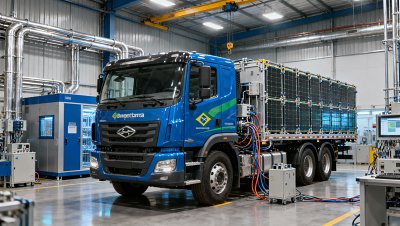
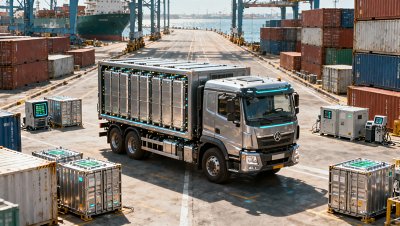
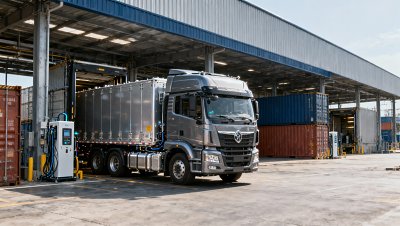
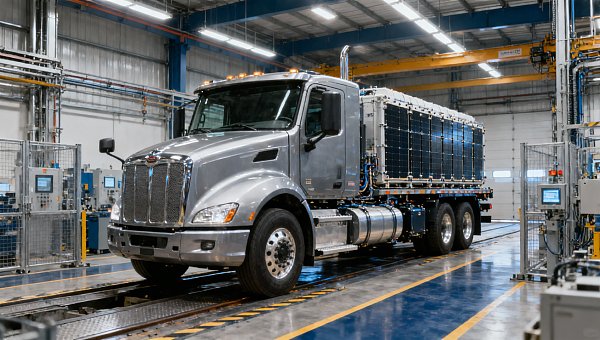
On July 1, 2026, Mexico put NOM-042-SEMARNAT-2026 into mandatory effect for imported new energy heavy trucks, bringing a new compliance requirement into immediate focus for exporters, battery pack suppliers, vehicle manufacturers, and certification partners. The key point for the industry is that imported battery electric and hydrogen fuel heavy trucks now face a localized testing and reporting path inside Mexico, making market access dependent not only on product performance but also on local certification execution.
What the Rule Now Requires
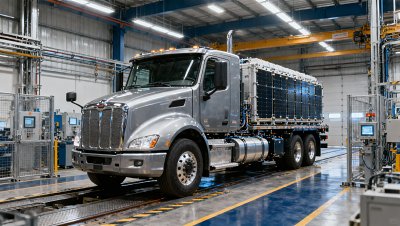
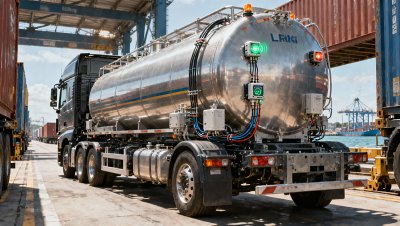
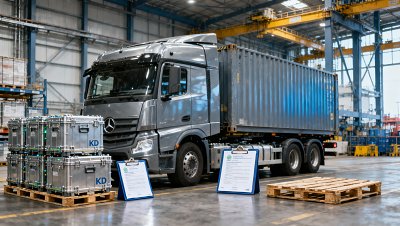
According to the provided information, Mexico’s Secretariat of Environment and Natural Resources (SEMARNAT) began mandatory implementation of NOM-042-SEMARNAT-2026 on July 1, 2026. The rule applies to all imported battery electric and hydrogen fuel heavy trucks. Under this requirement, a full-pack battery thermal runaway propagation test must be completed in a certification laboratory located in Mexico, following UN GTR 20 Annex 6. The resulting test report must be issued by a Mexican accredited body, identified in the provided information as EMA. The same information also states that Chinese battery pack and vehicle companies need to reconsider their localized testing cooperation routes.
Where the Impact Will Be Felt First
Export programs tied to Mexico market entry
From an industry perspective, companies directly exporting new energy heavy trucks to Mexico are likely to feel the impact first because compliance is now linked to in-country testing and locally recognized reporting. The affected business steps are likely to include homologation planning, launch scheduling, and shipment coordination. What deserves closer attention is whether existing export timelines and customer commitments were built around testing paths outside Mexico, because that assumption may no longer fit this rule structure.
Battery pack and vehicle integration teams
Analysis shows that battery pack suppliers and complete vehicle manufacturers are both exposed, since the requirement is framed around a full-pack thermal runaway propagation test rather than a narrow document-only review. For these companies, the main pressure point is coordination: test preparation, technical documentation, and local certification engagement may now need to be aligned earlier in the product delivery process. The practical issue is less about general policy awareness and more about whether current product programs are already mapped to a Mexico-based validation path.
Testing, certification, and compliance service partners
Observably, laboratories, certification intermediaries, and compliance service providers may also be affected because the rule places formal importance on testing inside Mexico and on reports issued through a Mexican recognized accreditation route. Their role becomes more central in booking tests, preparing evidence packages, and helping manufacturers understand document acceptance boundaries. The key change to watch is whether local testing capacity and coordination speed become a commercial bottleneck for cross-border projects.
What Companies Should Review Now
Check whether Mexico-specific testing is already built into project plans
Analysis shows that companies shipping or preparing to ship eligible heavy trucks should review whether their current compliance path already includes testing in a Mexican certification laboratory. If internal plans still rely on test evidence generated elsewhere, that gap may affect approval sequencing and delivery commitments.
Confirm the report issuance path, not only the test item
What deserves closer attention is that the provided information covers both the thermal runaway propagation test and the requirement that the test report be issued by a Mexican accredited body, EMA. In practice, this means companies should not treat test completion alone as the endpoint. The reporting chain and recognition path matter as part of market access preparation.
Reassess local cooperation arrangements
Observably, Chinese battery pack and vehicle companies are specifically highlighted in the provided information as needing to replan localized testing cooperation routes. That makes partner selection, communication channels, and scheduling discipline immediate operational topics rather than secondary administrative work.
Separate policy language from executable compliance steps
From an industry perspective, one of the main working-level risks is assuming that a standard’s effective date automatically answers every execution detail. Companies should continue to distinguish between the confirmed requirement itself and the practical steps needed to complete testing, secure the required report, and align those outputs with commercial delivery milestones.
Why This Looks Like More Than a Routine Filing Change
Analysis shows that this development is better understood as a concrete compliance change rather than a symbolic policy signal, because the requirement is already mandatory as of July 1, 2026 and is tied to a specific local test and report route. At the same time, it is also more appropriate to understand it as a longer-term market access signal: Mexico is not only referencing a technical test standard, but also requiring localized certification handling. That combination matters for companies whose business models depend on using cross-border testing resources efficiently.
Observably, the industry still needs to keep watching how this requirement is implemented in day-to-day certification practice. The confirmed fact is the rule’s mandatory effect and its local testing requirement. The part that still merits close observation is how companies adjust their operational pathways around it.
How the Market Should Read This Development
At this stage, the most balanced reading is that NOM-042-SEMARNAT-2026 has introduced a clear compliance threshold for imported new energy heavy trucks entering Mexico. The immediate significance lies in certification execution, especially for battery electric and hydrogen fuel heavy truck programs that depend on predictable testing and reporting timelines. It is more appropriate to understand this as an active market access requirement with longer-term strategic implications, rather than as a short-lived headline or a purely procedural update.
Basis of This Article and What Still Needs Verification
This article is based on the user-provided news title, event date, and event summary. For developments of this kind, commonly relevant source types may include official government notices, company statements, industry association updates, authoritative media coverage, and standard-related documents. A specific official source link was not provided in the input, so the precise public documentation path still needs ongoing verification. What deserves continued attention is any later official clarification on implementation details, laboratory execution arrangements, and practical certification procedures connected to this requirement.
Trending News
- How to choose an off road truck for steep and unstable job sites
- How to match crane truck lifting capacity to your jobsite loads
- What drives logging truck cost beyond the base purchase price?
- How to match lowbed trailer deck height to your hauling equipment
- What documents are needed to export a low bed trailer to Southeast Asia?
Tag
Recommended News
 New Energy TrucksMIIT’s 404th Notice Clears Swap-Body Electric Trucks for ExportMIIT’s 404th notice approves FAW Jiefang swap-body electric trucks for export, boosting CE/ECE and UN R100 compliance readiness for global buyers.
 New Energy TrucksBrazil ANP Clears Three Chinese Battery Makers for Truck Swap NetworkBrazil ANP clears CATL, BYD FinDreams Battery, and Gotion for the truck swap network, opening new opportunities in Brazil’s electric heavy truck and battery-swapping market.
![]() New Energy TrucksEPA Phase 3 Rule Adds CIM Requirement for Hybrid HD TrucksEPA Phase 3 Rule adds CIM requirement for hybrid HD trucks from MY2027. Learn what U.S. importers, exporters, and OEMs must review now to stay compliant and market-ready.
New Energy TrucksEPA Phase 3 Rule Adds CIM Requirement for Hybrid HD TrucksEPA Phase 3 Rule adds CIM requirement for hybrid HD trucks from MY2027. Learn what U.S. importers, exporters, and OEMs must review now to stay compliant and market-ready. New Energy TrucksEPA Phase 3 Rule Adds Carbon Monitoring to N3 TrucksEPA Phase 3 Rule adds carbon monitoring to N3 trucks sold in the U.S. Learn how CARB-CIM v2.1, EPA validation, and 2027 deadlines impact exporters and heavy truck compliance.
 New Energy TrucksEU Battery Rule Starts July 5: 20% Recycled Cobalt Required for Heavy-Truck Power BatteriesEU Battery Rule starts July 5: heavy-truck power batteries entering the EU must disclose recycled content, including 20% recycled cobalt. Learn the compliance impact for exporters and suppliers.
 New Energy TrucksBrazil Tightens Local Battery Testing for NEV TrucksBrazil Tightens Local Battery Testing for NEV Trucks: learn how INMETRO’s new Brazil battery testing rule reshapes certification, delivery timelines, and market access for imported heavy-duty trucks.
 New Energy TrucksMexico Enforces Local Battery Thermal Runaway TestsMexico Enforces Local Battery Thermal Runaway Tests for imported new energy heavy trucks under NOM-042-SEMARNAT-2026. Learn the new Mexico compliance path, local lab testing rules, and what exporters must do now.
 New Energy TrucksIndonesia Extends B30 Rule, Tightens Imported Truck CertificationIndonesia extends B30 through 2027 and tightens imported truck certification. Learn how B30 adaptability testing affects diesel tractor truck exports, compliance costs, and delivery timelines.
 New Energy TrucksBrazil Sets H₂ Leak Monitoring Rule for Gas Tractor ImportsBrazil sets H₂ leak monitoring rule for gas tractor imports from Sept. 1, 2026. Learn how ANP, ABNT, and INMETRO requirements could impact compliance, certification, and delivery plans.
 New Energy TrucksEU Battery Rule Reshapes China E-Truck ExportsEU Battery Rule Reshapes China E-Truck Exports: learn how new UN38.3, IEC 62619, and carbon footprint requirements could impact compliance, lead times, and EU delivery plans.
 New Energy TrucksEU Battery Rules Raise Export Bar for China E-TrucksEU Battery Rules are raising the export bar for China e-trucks. Learn how battery passport registration, carbon footprint data, and supply-chain readiness will shape EU market access by 2026.
 New Energy TrucksBrazil ANP Rule Extends H₂ Leak Monitoring to Imported Gas TrucksBrazil ANP Rule extends H₂ leak monitoring to imported gas trucks, reshaping LNG/CNG export compliance, certification, and delivery planning for Brazil-bound heavy vehicles.
 New Energy TrucksEU Rule Sets Battery Passport Requirement for Imported E-TrucksEU battery passport requirement for imported e-trucks takes effect Aug 1, 2026. Learn the customs risks, compliance documents, and actions exporters, battery suppliers, and EU importers should review now.
 New Energy TrucksMexico PACK Launch Reshapes Heavy Truck Battery FlowsMexico PACK launch reshapes heavy truck battery flows as CATL starts mass production in Mexico, highlighting USMCA origin, AEO support, and localized delivery advantages for North America.
 New Energy TrucksBattery-Swap Corridor Opens on China-Mongolia RouteBattery-swap corridor opens on the China-Mongolia route, bringing 12 fast-swap stations, TIR booking access, and new opportunities for cross-border electric heavy truck logistics.
 New Energy TrucksCalifornia Sets 10% ZEV Truck Floor for 2027California sets a 10% ZEV truck floor for 2027, reshaping medium- and heavy-duty truck registrations, fleet buying, and charging plans. Learn what businesses should do now.
 New Energy TrucksChina CV Exports Rise as E-Trucks Gain New MarketsChina CV exports surge as e-trucks win new markets. Explore growth data, localized adaptation, compliance, and service strategies shaping commercial vehicle success in Latin America and Southeast Asia.
 New Energy TrucksBrazil ANP Sets 2027 Green Truck RuleBrazil ANP’s 2027 green truck rule reshapes municipal fleet procurement, driving demand for electric and hydrogen heavy-duty trucks, certification support, and market-entry planning.
 New Energy TrucksEU Tightens Battery Passport Rules for Heavy TrucksEU battery passport rules for heavy trucks now require ISO 14067 carbon verification. Learn how exporters, OEMs, and battery suppliers can prepare for compliance.
 New Energy TrucksYantai Port Aluminum Ore Logistics Boosts NEV Dump Truck OrdersYantai Port aluminum ore logistics surge drives NEV dump truck orders—42% short-haul haulage rise, 35% QoQ EV demand spike. Act now.
 New Energy TrucksChina Adds Tractor-Trailer Battery-Swap Systems to Subsidy ProgramTractor-trailer battery-swap systems now qualify for China’s new energy subsidy—up to ¥32,000 per unit. Key update for陆路运输设备 manufacturers, logistics fleets, and EV infrastructure providers.
 New Energy TrucksChina Introduces Subsidies for EV Bus & Battery ReplacementEV bus & battery replacement subsidies now live in China—up to ¥12,000/unit for medium/heavy-duty tractors & refrigerated semi-trailers. Act now!
 New Energy TrucksWorld's Largest Methanol-Fueled Container Ship NamedWorld's largest methanol-fueled container ship named — accelerating green adoption across land-based port handling equipment, yard tractors, stacker cranes & reach stackers.
 New Energy TrucksKunming Launches Jacaranda-Themed EV Buses; Design Draws Interest from South AmericaKunming's jacaranda-themed EV buses showcase China's design-led electric bus innovation — drawing strong interest from South America's transport operators.
 New Energy TrucksNanning IRP Launches Smart EV Freight Charging & Swapping StationNanning IRP’s smart EV freight charging & swapping station — China’s first for cross-border heavy-duty trucks — boosts efficiency, cuts downtime, and sets a new benchmark for China–ASEAN green logistics.