Beijing Plan Targets Large-Scale Hydrogen Heavy-Truck Deployment
Beijing's hydrogen industry implementation plan identifies heavy-duty trucks as a focus for expanded transport demonstrations, with potential implications for vehicle manufacturers, fleet buyers and infrastructure providers. The date of the event is not specified; the supplied summary states that the plan was issued on October 30, 2026. For businesses considering hydrogen commercial vehicles, the plan provides a local policy signal while leaving practical execution details to be verified.
Heavy-Duty Freight in the Beijing Plan
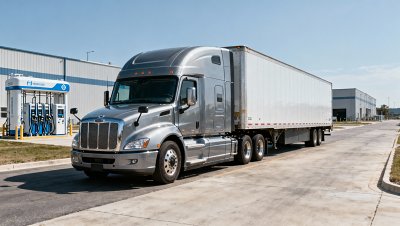
According to the supplied summary, the Beijing Municipal Bureau of Economy and Information Technology issued the Beijing Hydrogen Industry Development Implementation Plan for 2026–2030 on October 30, 2026. The plan calls for upgrading hydrogen transport demonstrations and focusing on suitable applications including trunk freight and cold-chain logistics.
It also calls for large-scale deployment of hydrogen heavy-duty trucks and for a model of deployment featuring low energy consumption and long driving range. The summary identifies the plan as local policy guidance for technology choices, market development and infrastructure construction involving new-energy heavy-duty trucks and hydrogen commercial vehicles.
Where the Policy Signal Could Reach the Supply Chain
Vehicle Development and Procurement
From an industry perspective, manufacturers and component suppliers may need to assess how their vehicle offerings address the plan's emphasis on energy consumption and range. Fleet buyers in trunk freight and cold-chain logistics may also consider those characteristics when comparing vehicles against route and delivery needs. The supplied summary does not specify performance thresholds, procurement criteria or certification requirements.
Fueling Infrastructure and Delivery Planning
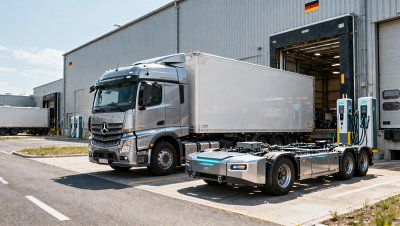
Analysis suggests that infrastructure providers, vehicle suppliers and fleet operators may need to coordinate their planning: the suitability of a truck for a route can depend on access to hydrogen and the timing of infrastructure delivery. The input does not establish where facilities will be built, when they will be available or what obligations individual parties will have.
Questions for Commercial Planning
Check Vehicle Specifications Against Actual Routes
Fleet buyers and suppliers could compare proposed range and energy-consumption claims with intended freight and cold-chain operating conditions. They should verify the basis for those claims and review relevant technical documentation when procurement specifications become available. The plan summary does not define how performance will be measured.
Review Procurement and Delivery Assumptions
Businesses evaluating projects may wish to check vehicle availability, delivery schedules and infrastructure readiness together. Any purchase or supply decision should be assessed against the relevant documents and confirmed project arrangements; the summary does not establish a procurement timetable or delivery commitment.
Verify Later Compliance Details
Manufacturers, buyers and service providers should monitor official implementation details and any applicable tender or technical documents. Certification, testing and documentation requirements should be checked against the rules applicable to a specific project, rather than inferred from this summary.
A Deployment Direction, With Details to Watch
At this stage, it is more appropriate to understand the plan as an issued policy direction and an execution signal for hydrogen heavy-duty transport than as evidence that large-scale deployment has already occurred. How businesses respond may depend on subsequent implementation details, procurement terms, infrastructure availability and feedback from users. The supplied information does not establish those outcomes.
Implications for Near-Term Decisions
The plan places hydrogen heavy-duty trucks within Beijing's stated transport demonstration priorities, particularly for trunk freight and cold-chain logistics. A measured response is to incorporate that direction into product and procurement assessments while verifying the requirements and delivery conditions of each proposed project.
Basis for This Report
This article is based on the user-provided news title, event-time field and event summary. The event-time field says the date is not specified, while the summary gives October 30, 2026 as the plan's issue date. No specific official source link was provided in the input, so the plan and its details require continued verification. Subsequent official announcements, implementation details, tender documents and industry feedback may help clarify how the policy is applied.
Recommended News
 Policy & RegulationsBeijing Plan Targets Large-Scale Hydrogen Heavy-Truck DeploymentBeijing's hydrogen heavy-duty truck plan signals opportunities for fleets and suppliers. Explore potential impacts on freight, procurement and fueling infrastructure.
 Policy & RegulationsHow axle load limits affect low bed trailer exports to Southeast AsiaPlanning low bed trailer export to Southeast Asia? Learn how axle load limits affect legal payload, axle layouts, and route compliance to avoid costly mistakes before ordering.
 Policy & RegulationsGermany Ends EV Subsidy ExtensionGermany ends EV subsidy extension, reshaping EV and commercial vehicle plans in Europe. See how importers, distributors, and Chinese NEV suppliers should respond.
 Policy & RegulationsEU Rule Sets LCA Certification for Truck ImportsEU Rule Sets LCA Certification for Truck Imports: learn how the new EU LCA and EPD compliance rule will affect truck approvals, export timelines, costs, and delivery planning.
 Policy & RegulationsEU Requires LCA Reports for Imported HDVs from Oct 2026EU LCA reports for imported HDVs become mandatory from Oct 2026. Learn how the new EU heavy-duty vehicle carbon compliance rule affects exporters, suppliers, costs, and delivery readiness.
 Policy & RegulationsChina Tightens Export Filing for New Energy Heavy TrucksChina Tightens Export Filing for New Energy Heavy Trucks: learn how new HS code rules and CNAS carbon-footprint reports may impact customs clearance, compliance, and delivery timelines.
 Policy & RegulationsEU Updates CO2 Rules for Heavy-Duty Vehicle ApprovalEU Updates CO2 Rules for Heavy-Duty Vehicle Approval: learn how new lifecycle carbon and battery due diligence requirements affect EU market access, approval timing, and compliance costs.
 Policy & RegulationsChina Customs Adds New Export Fields for Road Transport EquipmentChina Customs adds new export fields for road transport equipment from Aug 15, 2026. Learn how drive type and certification data may affect compliance, clearance speed, and export planning.
 Policy & RegulationsEU Tightens Truck WVTA Brake and Lighting TestsEU Tightens Truck WVTA Brake and Lighting Tests: learn how Regulation (EU) 2026/1387 reshapes brake response, headlamp compliance, certification timing, and EU market access.
 Policy & RegulationsEU Sets CO2 Rules for New Heavy Trucks from 2027EU Sets CO2 Rules for New Heavy Trucks from 2027: learn how new EU CO2 limits, OBD, and remote data upload requirements could reshape type approval, costs, and delivery planning.
 Policy & RegulationsEU Brings Forward Cybersecurity Approval for Heavy TrucksEU heavy truck cybersecurity approval moves to August 1, 2026. Learn how WVTA, UNECE R155, OTA and telematics rules will impact EU exports, type approval and delivery plans.
 Policy & RegulationsEU Moves Truck Cybersecurity WVTA Forward to Aug 1, 2026EU truck cybersecurity WVTA moves to Aug 1, 2026. Learn how UN R155 and EU 2022/1426 affect heavy truck type approval, exports, suppliers, and compliance planning.
 Policy & RegulationsEU Brings Forward WVTA Cybersecurity Approval for TrucksEU Brings Forward WVTA Cybersecurity Approval for Trucks: learn how the 2026 deadline impacts heavy truck exports, retrofit projects, supplier compliance, costs, and EU market-entry planning.
 Policy & RegulationsEU Brings Forward WVTA Cybersecurity Approval for Heavy TrucksEU heavy truck WVTA cybersecurity approval now starts on August 1, 2026. Learn how EU type approval, CSMS audits, ADAS, OTA, and registration risks affect exporters and manufacturers.
 Policy & RegulationsEU Cybersecurity Approval Rule Takes Effect for Heavy TrucksEU Cybersecurity Approval Rule now reshapes heavy trucks market access. Learn how CSMS, UNECE R155, and WVTA deadlines could impact certification, delivery, and EU export readiness.
 Policy & RegulationsEU Requires EN 15038 Declarations for Truck ImportsEU Requires EN 15038 Declarations for Truck Imports: learn how the new EU rule affects heavy truck customs clearance, compliance timing, and export readiness.
 Policy & RegulationsEU Rule Brings SCIP Filing to Imported Truck Battery PartsSCIP filing for imported truck battery parts becomes critical in the EU from Oct 1, 2026. Learn how the rule impacts heavy-duty truck exports, aftermarket parts, and customs compliance.
 Policy & RegulationsEU REACH Expands to Truck Battery PartsEU REACH expands to truck battery parts, covering lithium-ion battery modules, BMS units, and thermal systems. Learn how SCIP filing, SVHC disclosure, and EU export compliance may affect truck suppliers.
 Policy & RegulationsEU Sets Battery Footprint Rule for Heavy TrucksEU Sets Battery Footprint Rule for Heavy Trucks: learn how the 2027 EU battery carbon footprint requirement could impact type approval, customs clearance, and truck exports.
 Policy & RegulationsEU Requires Certified V2X Modules in Heavy TrucksEU Requires Certified V2X Modules in Heavy Trucks from July 22, 2026. Learn how UN R155 and ETSI EN 303 648 rules will impact EU type approval, registration, and exports.
 Policy & RegulationsEU Tightens V2X Approval for Heavy TrucksHeavy trucks entering the EU face tougher V2X approval from July 22, 2026. Learn how UNECE R155/R156 and EU Type Approval will affect registration, exports, and delivery readiness.
 Policy & RegulationsEU Rule Takes Effect: Heavy Trucks Need V2X from July 22, 2026Heavy trucks entering the EU from July 22, 2026 need V2X modules and UN R155 approval. Learn how this rule impacts compliance, certification, exports, and delivery.
 Policy & RegulationsEU Opens Euro 7 Transition for Heavy TrucksEU Opens Euro 7 Transition for Heavy Trucks: learn how new filing rules, battery carbon footprint declarations, and OBD II checks will impact EU truck exports and compliance planning.
 Policy & RegulationsEPA Update Removes Seven Chinese Diesel Engine ModelsEPA Update Removes Seven Chinese Diesel Engine Models: learn how this EPA compliance change could affect North American truck exports, sourcing, certification, and delivery planning.
 Policy & RegulationsEU Enforces Euro 7 for New Heavy TrucksEU Enforces Euro 7 for New Heavy Trucks: learn how stricter NOx, NH₃, and brake particle certification impacts EU market access, registration timing, and exporter compliance costs.