What Affects Truck Excavator Stability on Uneven Ground?
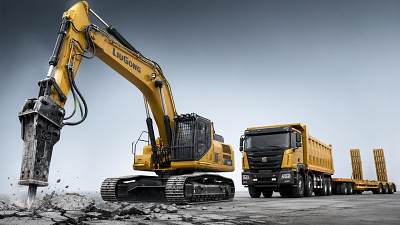
On uneven ground, the stability of a truck excavator is mainly affected by five things: the machine’s center of gravity, chassis and outrigger design, load distribution, ground bearing capacity, and operator control. For buyers, dealers, and commercial equipment evaluators, the key takeaway is simple: stability is not determined by one component alone. It comes from how the truck structure, hydraulic system, support system, and working environment perform together. If you are comparing truck excavator solutions alongside truck dumper, truck logging, truck wing, or truck spreader equipment, understanding these factors helps reduce rollover risk, improve work safety, and support better purchasing decisions.
In practical terms, a truck excavator that performs well on uneven terrain usually combines a rigid chassis, reliable outriggers, suitable axle and weight distribution, strong steel construction, and a properly matched working attachment. Just as importantly, safe performance depends on whether the equipment is used within rated operating limits and on ground conditions it was designed to handle. This is why procurement teams and distributors should evaluate both machine specifications and real application scenarios before making a decision.
Why stability on uneven ground matters so much
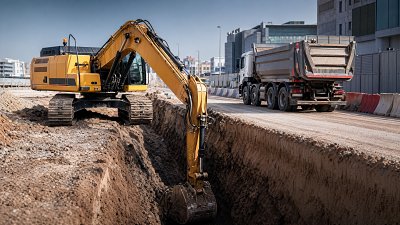
Truck excavators are often used in road construction, utility work, drainage projects, municipal maintenance, and light-to-medium excavation tasks where the jobsite is not perfectly level. On these surfaces, even a small imbalance can affect lifting performance, swing safety, digging accuracy, and overall machine control.
For business buyers, instability creates more than an operational issue. It can lead to downtime, repair costs, site safety incidents, reduced attachment life, and lower operator confidence. For dealers and distributors, recommending the wrong configuration can result in customer complaints or poor long-term machine performance. That is why stability should be treated as a purchasing and risk-evaluation factor, not just a technical detail.
The center of gravity is one of the biggest stability factors
On uneven ground, the position of the machine’s center of gravity changes constantly. A truck excavator with a higher center of gravity is generally more vulnerable to tipping, especially when the boom is extended, the upper structure swings to the side, or the machine is carrying a load on a slope.
Several design elements influence this:
- Upper structure weight and layout
- Boom and arm length
- Attachment size and weight
- Truck chassis height
- Load location during operation
If the excavator body is mounted too high on the truck frame, or if heavy components are unevenly positioned, the machine may feel less stable during side digging or rotation. Buyers should ask suppliers for stability data under real working positions, not only transport dimensions or engine power figures.
Chassis strength and structural rigidity directly affect machine balance
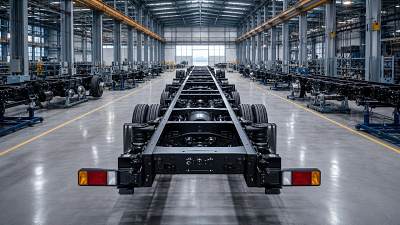
The truck chassis is the foundation of the entire excavator system. When operating on uneven ground, the chassis must resist twisting forces, support dynamic loads, and maintain alignment between the excavator upper structure and the truck base. A weak or poorly reinforced chassis can reduce stability, especially when one side of the vehicle is on softer or lower ground.
This is where truck steel quality becomes highly relevant. High-strength structural steel improves frame rigidity and helps the machine better handle repeated loading cycles. For procurement teams, this means the material specification is not just a durability concern. It is also a stability and lifecycle issue.
When comparing suppliers, it is worth checking:
- Frame reinforcement design
- Subframe integration between excavator and truck
- Steel grade used in key structural zones
- Resistance to torsion under off-level conditions
A well-built truck excavator should maintain structural consistency under demanding site conditions without excessive flexing that affects safe operation.
Outriggers and support systems often determine real-world stability
For many truck excavators, outriggers are one of the most important features for safe work on uneven terrain. They widen the support base, distribute working loads, and reduce the risk of tipping during digging, lifting, or side reach operations.
However, not all outrigger systems perform equally well. Stability depends on:
- Outrigger span width
- Vertical stroke and leveling capability
- Pad size and ground contact area
- Hydraulic holding performance
- Frame connection strength
If the outriggers cannot properly level the machine or if the support pads sink into soft ground, overall stability drops significantly. This is particularly important for users working in roadside projects, utility trenches, or temporary work zones where the surface may be uneven and partially compacted.
For sourcing teams, it is useful to ask whether the machine can maintain stable operation on cross slopes, what the maximum leveling range is, and whether additional support pads are available for soft ground applications.
Ground conditions matter just as much as machine design
Even the best truck excavator can become unstable if the ground cannot support it properly. Uneven ground is not only about slope. It also includes loose soil, wet surfaces, gravel edges, backfilled trenches, hidden voids, and partially compacted shoulders.
These conditions affect how loads are transferred from the truck body and outriggers into the ground. If one side settles more than the other, the machine’s center of gravity shifts and the excavator becomes harder to control safely.
This is why buyers should assess the intended working environment before selecting a machine. A truck excavator used mainly on urban hard surfaces may not need the same support setup as one used in rural utility construction, forestry access roads, or drainage maintenance areas.
For distributors and agents, matching the equipment to the customer’s actual terrain profile is often more valuable than simply recommending a larger model.
Load distribution and attachment matching are often overlooked
Load distribution affects both travel stability and working stability. If the truck excavator has poor front-to-rear or side-to-side weight balance, performance on uneven ground can degrade quickly. This becomes more noticeable when the machine is fitted with oversized buckets, grapples, augers, or other specialized tools.
Attachments change the effective working weight and the leverage applied during boom extension. A heavier or longer attachment increases overturning force, especially when operating on slopes or when the upper structure is rotated sideways.
This is highly relevant for buyers who also compare equipment categories such as truck logging, truck spreader, or truck wing solutions, where attachment and body configuration play a major role in operating balance. The same principle applies: a machine is only as stable as its actual working setup.
Before purchase, ask:
- Which attachments are approved by the manufacturer?
- How does each attachment affect rated working capacity?
- Are there load charts for uneven-ground operation?
- Is counterweight optimization available?
The truck air system and suspension can influence operating stability
Although outriggers typically carry the machine during excavation, the truck air system and suspension still matter, especially during positioning, setup, and transport over rough surfaces. A poorly maintained or unsuitable air system can affect initial leveling, axle load distribution, and overall machine posture before the outriggers are deployed.
In some configurations, suspension behavior may also influence how the machine responds while moving across uneven terrain between work points. Excessive body roll, uneven axle loading, or delayed suspension response can reduce confidence and increase setup difficulty.
For buyers evaluating long-term performance, the question is not simply whether the truck uses an air system, but whether the full chassis-suspension-support combination is suited to the excavator body and expected terrain conditions.
Operator technique still plays a major role in stability
Even a well-designed machine can become unstable if operated incorrectly. On uneven ground, sudden swing motions, overreaching, lifting beyond rated limits, or working without proper outrigger deployment all increase the chance of instability.
From a commercial standpoint, this matters because machine safety is partly a training issue. Buyers should consider whether the supplier offers operator guidance, load charts, control system support, and clear maintenance instructions. For fleet owners and distributors, after-sales training can be a strong value-added differentiator.
Key operating practices include:
- Fully deploying outriggers before work
- Keeping the boom and load as low as practical
- Avoiding side lifting on steep cross slopes
- Checking soil support before setup
- Following rated load and reach limits
What buyers should check before choosing a truck excavator for uneven ground
For procurement professionals, the most useful approach is to evaluate stability as a system-level capability. Instead of focusing only on price or basic specifications, compare how each model performs in the real conditions where it will be used.
A practical checklist includes:
- Chassis type and reinforcement quality
- Truck steel strength in critical structural areas
- Outrigger width, leveling range, and pad design
- Axle load distribution and mounted excavator balance
- Approved attachments and their effect on stability
- Ground condition suitability
- Hydraulic system reliability and holding performance
- Supplier support, documentation, and operator training
If possible, request working videos, application case studies, and technical drawings that show the machine in deployed condition. This helps buyers move beyond marketing claims and assess whether the machine is truly appropriate for uneven-ground operation.
How this understanding supports smarter sourcing decisions
For industry researchers, commercial buyers, and equipment distributors, the stability of a truck excavator on uneven ground is not just a safety topic. It affects productivity, maintenance cost, customer satisfaction, and equipment suitability across different market segments.
In many purchasing scenarios, the best choice is not the biggest or lowest-cost machine, but the one with the most appropriate balance of chassis strength, support design, attachment compatibility, and terrain adaptability. This is especially important in international B2B trade, where equipment may be shipped into regions with very different road conditions, soil quality, and operating standards.
By understanding what affects truck excavator stability, buyers can compare suppliers more effectively, reduce operational risk, and select equipment that delivers better long-term value.
In summary, truck excavator stability on uneven ground is affected by center of gravity, chassis rigidity, outrigger performance, ground conditions, load distribution, suspension behavior, and operator practice. For procurement teams and distributors, the most important decision factor is how these elements work together in actual jobsite conditions. A stable machine is not simply a stronger machine. It is a correctly designed, properly configured, and application-matched machine. Evaluating stability this way leads to safer operation, better investment outcomes, and more reliable equipment performance over time.
Trending News
- Low Bed Trailer Export to Southeast Asia: Specs That Avoid Clearance Delays
- Flatbed Trailer Supplier with Modular Design: Flexibility vs Maintenance Cost
- Construction Machinery Supplier for Municipal Engineering: What to Compare First
- Best Commercial Vehicle Parts for Warehouse Fleets with High Stop-Start Use
- What Fireproof Materials Mean for Semi Trailer Safety and Lifecycle Cost
Tag
Recommended News
 FAQWater Sprinkler Truck Uses, Tank Sizes, and Road Safety BasicsWater sprinkler truck uses, tank sizes, and road safety basics explained. Learn how to choose the right capacity, improve dust control efficiency, and compare reliable fleet-ready options.
 FAQDelivery Truck for School Transportation: Safety Points Before OrderingDelivery truck supplier for school transportation: review key safety points before ordering, from braking and visibility to compliance and passenger protection.
 FAQDump Truck Sourcing Mistakes That Delay Construction ProjectsDump truck sourcing mistakes can delay construction projects, raise hidden costs, and disrupt site schedules. Learn the key risks to avoid and source smarter for faster, more reliable project delivery.
 FAQIs a Bulldozer for Construction the Right Fit for Your Site ConditionsBulldozer for construction: learn how terrain, soil, slope, and job size determine the right machine fit. Compare site conditions, avoid costly mismatches, and choose with confidence.
 FAQDump Truck OEM Quality Control Points Before Factory AcceptanceDump truck OEM quality control points before factory acceptance: learn the key checks for welding, hydraulics, brakes, and safety to reduce risk, avoid failures, and choose reliable suppliers.
 FAQTruck Trailer Bulk Order: How to Avoid Spec Drift Across BatchesTruck trailer bulk order quality can fail when specs drift across batches. Learn how to lock standards, align suppliers, and protect safety, compliance, and delivery consistency.
 FAQWhat a Dump Truck Distributor Should Offer After Vehicle DeliveryDump truck distributor support matters after delivery. Learn what to expect in spare parts, warranty, training, and technical service to reduce downtime and protect your investment.
 FAQHow to Vet a Truck Cement Distributor for Stable After-Sales SupportTruck cement distributor selection starts with after-sales strength. Learn how to vet parts support, technical response, and warranty handling to reduce downtime and choose a reliable partner.
 FAQHeavy Truck Chassis Manufacturer With R&D Capability: Questions Worth Asking FirstHeavy truck chassis manufacturer with R&D capability: discover the key procurement questions to assess customization, compliance, durability, and long-term supply before you buy.
 FAQHow to Read a Water Truck Quotation Without Missing Hidden CostsWater truck quotation guide: learn how to spot hidden costs in specs, logistics, compliance, and after-sales terms so you can compare offers accurately and buy with confidence.
 FAQHow to Read a Water Truck Quotation Before You SignWater truck quotation review guide: learn how to check specs, pricing, delivery terms, and warranty details before signing to reduce risk and secure better value.
 FAQSemi Trailer Bulk Order Terms That Can Hurt You After DeliverySemi trailer bulk order risks often appear after delivery. Learn which warranty, inspection, spare parts, and payment terms can raise costs, delay operations, and weaken your claims.
 FAQSemi Trailer OEM or ODM? A Practical Guide for Custom OrdersSemi trailer OEM or ODM? Learn how to compare cost, lead time, compliance, and customization to choose the right semi trailer OEM strategy for smarter custom orders.
 FAQSemi Trailer Bulk Order Checklist Before You Confirm Production SlotsSemi trailer bulk order buyers: use this pre-production checklist to lock specs, lead times, compliance, and payment terms before confirming factory slots with confidence.
 FAQTruck Cement Supplier FAQ: Delivery, Capacity, and After-SalesTruck cement supplier FAQ covering delivery lead times, transport capacity, fleet options, and after-sales support to help buyers compare suppliers and source with confidence.
 FAQDump Truck Supplier with Quick Delivery: How to Avoid Delays After SigningDump truck supplier with quick delivery: learn how to verify production, parts, logistics, and documents before signing to avoid costly delays and choose a reliable partner faster.
 FAQTruck Trailer Bulk Order: 7 Details That Prevent Spec DisputesTruck trailer bulk order success starts with clear specs. Discover 7 critical details that reduce disputes, protect compliance, and improve trailer purchasing decisions.
 FAQTruck Tipper Sourcing Mistakes That Lead to Delays and ReworkTruck tipper sourcing mistakes can trigger delays, fitment issues, and costly rework. Learn how to avoid spec gaps, compare suppliers smarter, and choose the right tipper for every job.
 FAQAre Fireproof Semi Trailers Necessary for Sensitive FreightSemi trailer manufacturer with fireproof materials: learn when fireproof semi trailers are essential for sensitive freight, how to reduce risk, and what buyers should verify before sourcing.
 FAQQuick Delivery Dump Truck Supply: When Speed Becomes a RiskChoosing a dump truck supplier with quick delivery? Learn how to balance speed, quality, compliance, and after-sales support to avoid costly downtime and project risk.
 FAQEXCAVATOR for Demolition: Common Attachment Mistakes to AvoidEXCAVATOR for demolition attachment mistakes can drive wear, downtime, and repair costs. Learn how to match tools correctly, protect hydraulics, and improve fleet uptime.
 FAQExcavator for Construction: Is Size or Reach the Bigger Limit?Excavator for construction: learn whether size or reach limits your job first. Compare excavator for sale and excavator rental options to improve productivity, access, and total cost.
 FAQWhat repeated fuse failures say about a truck electrical systemTruck electrical system fuse failures often reveal faults in the truck control unit, truck fuel system, or truck cooling system. Learn how to assess risk, uptime, and parts quality before buying.
 FAQTruck cooling system pressure loss: fix radiator or thermostat?Truck cooling system pressure loss: fix radiator or thermostat? Learn how truck pump, truck electrical system, truck fuel system, and truck exhaust system checks help buyers cut downtime.
 FAQWhat causes early failure in a truck pump system?Truck pump failures often start with issues in the truck fuel system, truck cooling system, or truck electrical system. Learn key causes, buyer checks, and sourcing tips for bulk cement tanker and water sprinkler truck fleets.