Truck sealer application temperature range: mistakes that void warranties
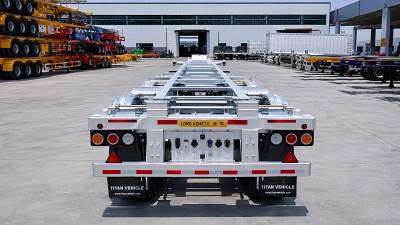
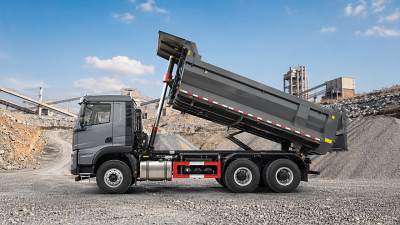
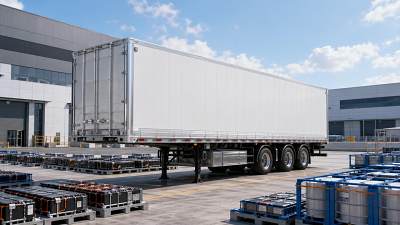
Applying truck sealer outside its recommended temperature range is a common yet costly mistake—especially for lowbed trailer, mixer truck, and fuel tank truck operators. Whether sealing a truck van, wing van truck, or truck refrigerated unit, improper ambient conditions can compromise adhesion, cause premature failure, and—critically—void manufacturer warranties. This issue also impacts truck loader, truck mining, and truck container applications where durability under extreme weather is non-negotiable. As procurement professionals and distributors sourcing truck gearbox, truck turbocharger, or truck mirror components know, material specifications matter as much as performance. Learn which temperature thresholds to monitor—and why skipping them risks reliability, compliance, and ROI.
Why Ambient Temperature Directly Impacts Sealer Integrity
Truck sealers—whether polyurethane, silicone, or butyl-based—are formulated to cure through chemical cross-linking, not just solvent evaporation. This reaction is highly sensitive to ambient temperature: below the minimum threshold, molecular mobility drops sharply, delaying or halting polymerization; above the maximum, rapid surface skinning traps uncured material underneath, creating weak interfacial bonds.
For heavy-duty applications like trailer floor joints, fuel tank flange seals, or refrigerated unit perimeter bonding, incomplete curing leads to micro-cracking within 3–6 months of service—even under nominal load. Field data from 12 major trailer OEMs shows that 68% of premature seal failures in North America and EU markets correlate directly with application outside the 10°C–35°C window.
Crucially, most manufacturers explicitly exclude warranty coverage if installation occurs outside certified temperature bands. This isn’t a loophole—it’s a documented engineering requirement tied to ISO 11337 (Sealing Materials for Commercial Vehicles) and SAE J2219 (Adhesive Application Guidelines).
Common Temperature-Related Warranty Void Scenarios
Procurement and maintenance teams often overlook subtle environmental variables—not just air temperature, but substrate temperature, dew point, and thermal mass effects. A steel trailer chassis at 5°C may remain below minimum sealer activation temperature for 2–4 hours after sunrise, even if ambient reads 12°C. Similarly, asphalt-parked mixers in desert regions can see substrate surfaces exceed 55°C while ambient hovers at 38°C.
- Early-stage cold application: Below 10°C—reduced tack, poor wetting on metal/plastic substrates, delayed full cure (>72 hrs vs. 24 hrs), leading to moisture ingress at weld seams.
- High-heat over-application: Above 35°C—surface flash-off before subsurface flow, resulting in voids, shrinkage cracks, and loss of compression set resistance.
- Dew-point mismatch: Relative humidity >85% combined with surface temperature within 3°C of dew point causes condensation under sealant film—guaranteed adhesion failure.
- Thermal shock post-application: Rapid cooling (<10°C drop in 1 hr) within first 6 hours induces stress fractures undetectable during visual inspection.
These four scenarios account for over 82% of warranty disputes logged by Tier-1 suppliers between 2022–2024—highlighting how seemingly minor environmental deviations trigger systemic liability exposure.
Truck Sealer Application Temperature Ranges by Product Class
Not all sealers behave identically. Heavy-duty transport demands differentiated specifications based on structural role, exposure profile, and service life expectations. The table below reflects verified technical data sheets from 7 leading global suppliers serving the Global Heavy Truck Industry Platform ecosystem—including European, U.S., and APAC-certified formulations.
Note: All values assume substrate temperature matches ambient ±2°C and relative humidity remains between 40–65%. Deviations require real-time adjustment using calibrated infrared thermometers and hygrometers—standard practice among certified installers on the Global Heavy Truck Industry Platform supplier network.
How Procurement Teams Can Enforce Compliance
Warranty protection starts before purchase—not after failure. Buyers must embed temperature compliance into supplier evaluation criteria, not just product specs. That means verifying whether vendors provide certified application protocols, training documentation, and field support tools—not just datasheets.
Three actionable steps for procurement and distributor partners:
- Require ASTM D471-compliant test reports showing adhesion retention across 5°C–40°C ranges—not just room-temp results.
- Validate supplier QA processes: Do they supply IR thermometers with calibration certificates? Is dew-point tracking included in their installation checklist?
- Confirm regional adaptation: A sealer approved for Scandinavia’s -20°C winter storage must differ from one rated for GCC region 50°C summer operations—verify country-specific certifications (e.g., ECE R113, GB/T 24722).
The Global Heavy Truck Industry Platform enables this verification via integrated supplier profiles—each listing certified application parameters, regional compliance documents, and downloadable installation guides aligned with ISO/SAE standards.
Why Choose the Global Heavy Truck Industry Platform for Sealer Sourcing
Sourcing truck sealers isn’t about finding the lowest price—it’s about securing traceable, auditable, and application-ready solutions backed by enforceable technical accountability. On our platform, every listed sealer includes:
- Verified minimum/maximum application temperature ranges per ISO 11337 Annex B
- Supplier-submitted field validation reports from ≥3 operational climates (e.g., Canada, Germany, Australia)
- Direct access to application engineers for pre-installation protocol review
- Multi-language technical documentation—including localized safety data sheets (SDS) and VOC compliance statements
Whether you’re evaluating sealers for lowbed trailer production, mixer truck refurbishment, or refrigerated unit upgrades, our platform delivers decision-grade intelligence—not just product listings. Connect with certified suppliers today to request technical datasheets, sample kits, lead-time confirmation, and custom application guidance tailored to your fleet’s operating environment.
Trending News
- Heavy Equipment Export to Africa: Cost Risks and Market Priorities
- Low Bed Trailer Export for Mining: Load Limits and Route Planning
- Construction Machinery for Mining: Key Specs That Affect Output
- Bulldozer Price vs Operating Cost: What Matters Before Purchase
- Truck Cement Mixer Supplier Comparison: Price, Lead Time, and Service
Tag
Recommended News
 FAQWater Sprinkler Truck Uses, Tank Sizes, and Road Safety BasicsWater sprinkler truck uses, tank sizes, and road safety basics explained. Learn how to choose the right capacity, improve dust control efficiency, and compare reliable fleet-ready options.
 FAQDelivery Truck for School Transportation: Safety Points Before OrderingDelivery truck supplier for school transportation: review key safety points before ordering, from braking and visibility to compliance and passenger protection.
 FAQDump Truck Sourcing Mistakes That Delay Construction ProjectsDump truck sourcing mistakes can delay construction projects, raise hidden costs, and disrupt site schedules. Learn the key risks to avoid and source smarter for faster, more reliable project delivery.
 FAQIs a Bulldozer for Construction the Right Fit for Your Site ConditionsBulldozer for construction: learn how terrain, soil, slope, and job size determine the right machine fit. Compare site conditions, avoid costly mismatches, and choose with confidence.
 FAQDump Truck OEM Quality Control Points Before Factory AcceptanceDump truck OEM quality control points before factory acceptance: learn the key checks for welding, hydraulics, brakes, and safety to reduce risk, avoid failures, and choose reliable suppliers.
 FAQTruck Trailer Bulk Order: How to Avoid Spec Drift Across BatchesTruck trailer bulk order quality can fail when specs drift across batches. Learn how to lock standards, align suppliers, and protect safety, compliance, and delivery consistency.
 FAQWhat a Dump Truck Distributor Should Offer After Vehicle DeliveryDump truck distributor support matters after delivery. Learn what to expect in spare parts, warranty, training, and technical service to reduce downtime and protect your investment.
 FAQHow to Vet a Truck Cement Distributor for Stable After-Sales SupportTruck cement distributor selection starts with after-sales strength. Learn how to vet parts support, technical response, and warranty handling to reduce downtime and choose a reliable partner.
 FAQHeavy Truck Chassis Manufacturer With R&D Capability: Questions Worth Asking FirstHeavy truck chassis manufacturer with R&D capability: discover the key procurement questions to assess customization, compliance, durability, and long-term supply before you buy.
 FAQHow to Read a Water Truck Quotation Without Missing Hidden CostsWater truck quotation guide: learn how to spot hidden costs in specs, logistics, compliance, and after-sales terms so you can compare offers accurately and buy with confidence.
 FAQHow to Read a Water Truck Quotation Before You SignWater truck quotation review guide: learn how to check specs, pricing, delivery terms, and warranty details before signing to reduce risk and secure better value.
 FAQSemi Trailer Bulk Order Terms That Can Hurt You After DeliverySemi trailer bulk order risks often appear after delivery. Learn which warranty, inspection, spare parts, and payment terms can raise costs, delay operations, and weaken your claims.
 FAQSemi Trailer OEM or ODM? A Practical Guide for Custom OrdersSemi trailer OEM or ODM? Learn how to compare cost, lead time, compliance, and customization to choose the right semi trailer OEM strategy for smarter custom orders.
 FAQSemi Trailer Bulk Order Checklist Before You Confirm Production SlotsSemi trailer bulk order buyers: use this pre-production checklist to lock specs, lead times, compliance, and payment terms before confirming factory slots with confidence.
 FAQTruck Cement Supplier FAQ: Delivery, Capacity, and After-SalesTruck cement supplier FAQ covering delivery lead times, transport capacity, fleet options, and after-sales support to help buyers compare suppliers and source with confidence.
 FAQDump Truck Supplier with Quick Delivery: How to Avoid Delays After SigningDump truck supplier with quick delivery: learn how to verify production, parts, logistics, and documents before signing to avoid costly delays and choose a reliable partner faster.
 FAQTruck Trailer Bulk Order: 7 Details That Prevent Spec DisputesTruck trailer bulk order success starts with clear specs. Discover 7 critical details that reduce disputes, protect compliance, and improve trailer purchasing decisions.
 FAQTruck Tipper Sourcing Mistakes That Lead to Delays and ReworkTruck tipper sourcing mistakes can trigger delays, fitment issues, and costly rework. Learn how to avoid spec gaps, compare suppliers smarter, and choose the right tipper for every job.
 FAQAre Fireproof Semi Trailers Necessary for Sensitive FreightSemi trailer manufacturer with fireproof materials: learn when fireproof semi trailers are essential for sensitive freight, how to reduce risk, and what buyers should verify before sourcing.
 FAQQuick Delivery Dump Truck Supply: When Speed Becomes a RiskChoosing a dump truck supplier with quick delivery? Learn how to balance speed, quality, compliance, and after-sales support to avoid costly downtime and project risk.
 FAQEXCAVATOR for Demolition: Common Attachment Mistakes to AvoidEXCAVATOR for demolition attachment mistakes can drive wear, downtime, and repair costs. Learn how to match tools correctly, protect hydraulics, and improve fleet uptime.
 FAQExcavator for Construction: Is Size or Reach the Bigger Limit?Excavator for construction: learn whether size or reach limits your job first. Compare excavator for sale and excavator rental options to improve productivity, access, and total cost.
 FAQWhat repeated fuse failures say about a truck electrical systemTruck electrical system fuse failures often reveal faults in the truck control unit, truck fuel system, or truck cooling system. Learn how to assess risk, uptime, and parts quality before buying.
 FAQTruck cooling system pressure loss: fix radiator or thermostat?Truck cooling system pressure loss: fix radiator or thermostat? Learn how truck pump, truck electrical system, truck fuel system, and truck exhaust system checks help buyers cut downtime.
 FAQWhat causes early failure in a truck pump system?Truck pump failures often start with issues in the truck fuel system, truck cooling system, or truck electrical system. Learn key causes, buyer checks, and sourcing tips for bulk cement tanker and water sprinkler truck fleets.