SHACMAN X5000 6×4 Dump Truck Review for Heavy Haul
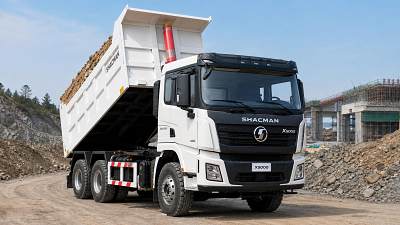
For project managers overseeing mining, infrastructure, and large-scale earthmoving operations, choosing the right heavy-haul vehicle directly affects productivity, safety, and lifecycle costs. This review of the SHACMAN X5000 6×4 Dump truck explores its powertrain performance, load capacity, durability, cab comfort, and suitability for demanding jobsite conditions. By examining practical operating value rather than specifications alone, this guide helps engineering and construction decision-makers evaluate whether the X5000 is a reliable option for heavy-duty transport projects.
Why the SHACMAN X5000 6×4 Dump truck Matters for Heavy-Haul Projects
Heavy-haul transport is rarely judged by engine output alone. A dump truck must keep cycle times stable, handle rough access roads, tolerate overload risks, and remain serviceable under pressure.
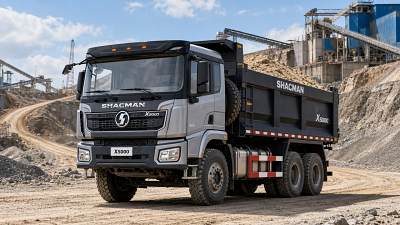
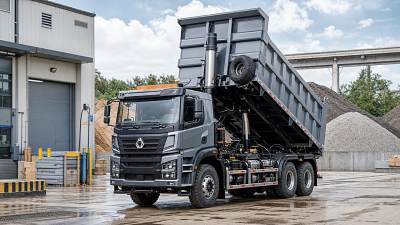
The SHACMAN X5000 6×4 Dump truck is positioned for contractors who need a balance between payload capability, road adaptability, driver usability, and procurement affordability.
- For mining sites, the truck must handle frequent climbing, braking, and tipping operations without excessive downtime.
- For infrastructure projects, the vehicle must support tight delivery schedules across mixed road and off-road conditions.
- For fleet managers, parts availability, fuel use, tire wear, and driver acceptance affect real ownership cost.
Project leaders often face limited time for comparison. The Global Heavy Truck Industry Platform helps buyers review truck categories, compare suppliers, and communicate technical requirements across markets.
Core Performance Review: What Should Buyers Check First?
Before ordering a SHACMAN X5000 6×4 Dump truck, procurement teams should translate jobsite conditions into measurable vehicle requirements. The table below summarizes practical review points.
This review framework prevents specification chasing. A SHACMAN X5000 6×4 Dump truck should be assessed against haul distance, material density, road slope, loading equipment, and maintenance resources.
Powertrain suitability
For heavy earthmoving, torque availability is more important than peak horsepower. Smooth gear matching helps drivers keep momentum when leaving a pit or climbing a ramp.
Buyers should request configuration sheets from suppliers because engine, transmission, axle ratio, and emission options may vary by destination market and regulatory requirement.
Which Jobsite Scenarios Fit the X5000 Dump Truck Best?
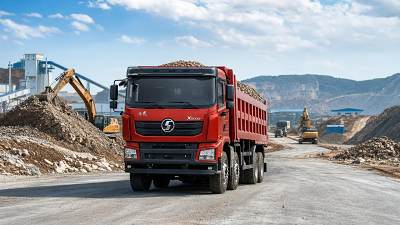
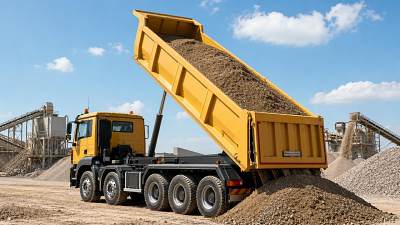
The SHACMAN X5000 6×4 Dump truck is most relevant where road access is available but conditions remain harsh. It is not the same decision as choosing a rigid mining truck.
The table below compares typical use cases and the purchasing logic behind each scenario, especially for project managers balancing budget and productivity.
The strongest fit is a project where payload efficiency and purchase cost both matter. For extremely soft ground or continuous deep-pit mining, buyers may need specialized off-road dumpers.
When a 6×4 layout makes sense
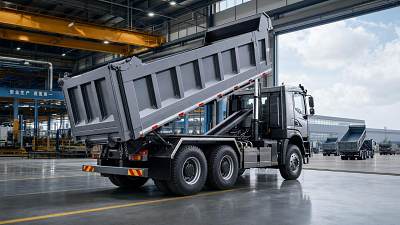
A 6×4 dump truck provides a practical compromise between traction, payload, turning radius, and maintenance cost. It suits many construction logistics routes better than heavier configurations.
If the project involves steep muddy roads, buyers should compare the SHACMAN X5000 6×4 Dump truck with 8×4 or all-wheel-drive alternatives before final approval.
Procurement Checklist for Project Managers
A purchasing mistake often starts with an incomplete request for quotation. Project teams should define the job, not just ask for the lowest unit price.
- Confirm material type, density, loading method, haul distance, road grade, daily operating hours, and expected annual utilization.
- Ask suppliers to specify engine, gearbox, axle ratio, tire model, body volume, hydraulic system, and emission configuration.
- Check whether local registration, road loading rules, safety standards, and emission requirements affect the final specification.
- Request a spare parts proposal covering filters, brake parts, hydraulic components, clutch parts, suspension parts, and wear plates.
- Evaluate supplier communication quality, export experience, documentation support, and ability to coordinate delivery schedules.
The Global Heavy Truck Industry Platform supports this process by connecting buyers with manufacturers, distributors, and suppliers across complete trucks, chassis, trailers, construction machinery, and spare parts.
Questions to include in your RFQ
When sourcing a SHACMAN X5000 6×4 Dump truck, ask whether the quoted configuration is intended for road transport, mine support, quarry loading, or mixed construction work.
Also request lead time, payment terms, warranty scope, recommended maintenance intervals, available language for manuals, and packaging or shipping arrangements for overseas delivery.
Cost, Alternatives, and Lifecycle Value
The initial purchase price of a SHACMAN X5000 6×4 Dump truck is only one part of the decision. Lifecycle cost can shift the final ranking between models.
Project managers should compare expected fuel consumption, tire life, maintenance frequency, driver training, parts access, financing cost, downtime risk, and resale expectations.
The lowest quote may be expensive if the body wears quickly or the wrong axle ratio increases fuel use. A balanced configuration protects project margins.
Practical cost-control measures
- Match dump body volume to material density instead of maximizing body size without considering legal payload limits.
- Standardize fleet configurations where possible to reduce parts complexity and shorten maintenance learning curves.
- Plan preventive maintenance windows around production cycles rather than waiting for unscheduled stoppages.
Durability, Safety, and Compliance Considerations
Durability depends on how the truck is specified and operated. A SHACMAN X5000 6×4 Dump truck used on abrasive quarry routes needs different protection than one serving urban earthwork.
Safety should include braking performance, visibility, tipping stability, lighting, reverse alarms, tire condition, and driver training. These factors directly affect site risk.
- Check whether the vehicle configuration meets local road registration, axle load, lighting, mirror, and rear protection requirements.
- Confirm emission standards applicable to the destination market, such as commonly referenced Euro-stage equivalents where relevant.
- Review operator manuals, maintenance schedules, safety decals, and documentation needed for fleet handover and driver onboarding.
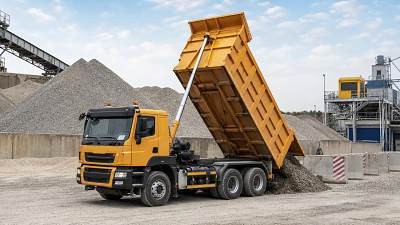
- Evaluate tipping-area procedures because uneven ground and overloaded bodies are common causes of dump truck accidents.
Avoiding misuse in heavy operations
Many failures are linked to overloading, aggressive braking, poor road maintenance, and delayed lubrication. These are management problems as much as vehicle problems.
A good supplier discussion should include driver training, daily inspection routines, hydraulic system care, and recommended loading practices for the SHACMAN X5000 6×4 Dump truck.
How the Global Heavy Truck Industry Platform Supports Sourcing
International heavy truck procurement involves multiple uncertainties: supplier reliability, configuration differences, shipping coordination, documentation, spare parts planning, and after-sales communication.
The Global Heavy Truck Industry Platform is designed as a B2B marketplace for commercial vehicles and heavy equipment, helping buyers discover products and compare supplier capabilities.
For project managers evaluating the SHACMAN X5000 6×4 Dump truck, this reduces early-stage uncertainty and improves the quality of supplier conversations.
A better way to prepare supplier discussions
Instead of sending a vague inquiry, buyers can prepare a structured specification sheet. This helps suppliers recommend realistic configurations and quote comparable solutions.
FAQ: Practical Questions Before Buying
Is the SHACMAN X5000 6×4 Dump truck suitable for mining operations?
It can be suitable for mine support, quarry transport, and managed haul roads. For severe open-pit cycles, compare it with dedicated off-road dump trucks.
What should I prioritize: engine power or body volume?
Prioritize total matching. Body volume must suit material density, legal payload, braking capacity, axle load, and the loading equipment used on site.
How can I reduce downtime after delivery?
Order critical spare parts with the truck, train drivers before full operation, record daily inspections, and establish maintenance intervals based on actual site severity.
What documents should overseas buyers request?
Request commercial documents, configuration details, operation manuals, maintenance guidance, available compliance information, and shipping-related documents required by the destination market.
Why Choose Us for Heavy Truck Sourcing Support?
Selecting a SHACMAN X5000 6×4 Dump truck is easier when technical needs, supplier options, and project risks are reviewed together. That is where structured sourcing support matters.
Through the Global Heavy Truck Industry Platform, project managers can discuss parameter confirmation, model selection, delivery schedules, spare parts planning, certification requirements, and quotation communication.
If your project involves mining haulage, road construction, infrastructure earthwork, or municipal engineering transport, prepare your operating conditions and target budget before consultation.
Contact the platform to compare suitable dump truck configurations, review supplier options, clarify customization possibilities, and build a procurement plan aligned with your project timeline.
Trending News
- How to verify a truck trailer OEM's claimed payload capacity
- How does operating weight affect the price of a new excavator?
- How to compare concrete mixer truck suppliers by total landed cost
- How axle load limits affect low bed trailer exports to Southeast Asia
- How to locate a truck exhaust system leak before replacing parts
Tag
Recommended News
 Truck ReviewsBulk Trailer Capacity vs Stability: What Matters Most on SiteBulk trailer decisions are not just about capacity. Learn how stability, axle setup, tipping safety, and site conditions affect real productivity and smarter fleet performance.
 Truck ReviewsSHACMAN X5000 6×4 Dump Truck: Payload, Fuel Use, and Site Fit ExplainedSHACMAN X5000 6×4 Dump truck guide covering payload, fuel use, and site fit. See how this heavy-duty model supports smarter hauling decisions and lower operating risk.
 Truck ReviewsMixer Truck Capacity Guide: Choosing the Right Size for Jobsite EfficiencyMixer truck capacity guide for better jobsite efficiency. Learn how to choose the right size to reduce trips, improve concrete delivery flow, and compare supplier options with confidence.
 Truck ReviewsWheel Loader vs Excavator: Which Handles Mixed Jobsite Loading BetterWheel loader or excavator? Discover which machine handles mixed jobsite loading better, cuts delays, improves truck flow, and delivers stronger site efficiency.
 Truck ReviewsHow to Choose a Log Truck for Steep Terrain and Long HaulsLog truck selection guide for steep terrain and long hauls. Learn how to compare drivetrain, braking, payload, and durability to cut risk, improve uptime, and choose the right truck.
 Truck ReviewsTruck Dozer vs Wheel Dozer: Which Fits Tough Jobsite ConditionsTruck dozer vs wheel dozer: discover which machine performs better in soft ground, rock, slopes, and fast cycles, and choose the right fit for tough jobsites with confidence.
 Truck ReviewsCurtain Side Trailer vs Box Trailer for Mixed Cargo LoadsCurtain side trailer vs box trailer: discover which option handles mixed cargo loads better for faster loading, stronger protection, and more efficient multi-stop deliveries.
 Truck ReviewsTruck Tipper for Construction: Key Specs That Affect Loading EfficiencyTruck tipper for construction buying guide: compare body volume, hydraulics, chassis strength, axle setup, and tipping angle to improve loading efficiency and jobsite output.
 Truck ReviewsSHACMAN X5000 6×4 Dump Truck: Payload, Fuel Use, and Jobsite FitSHACMAN X5000 6×4 Dump truck insights on payload, fuel use, and jobsite fit. See how it performs in construction, quarry, and infrastructure work before you buy.
 Truck ReviewsHeavy Duty Trucks for Sale: Compare Payload, Fuel Use, and Service LifeHeavy duty trucks for sale: compare payload, fuel use, and service life to find reliable, cost-efficient transport solutions and smarter global sourcing options.
 Truck ReviewsTruck Excavator vs Standard Digger for Tight Job SitesTruck excavator or standard digger for tight job sites? Compare mobility, stability, setup speed, and real productivity to choose the smarter machine.
 Truck ReviewsSHACMAN X5000 6×4 Dump Truck Review for Heavy HaulSHACMAN X5000 6×4 Dump truck review for heavy haul: compare performance, payload, durability, safety, costs, and sourcing tips for demanding projects.
 Truck ReviewsLight Duty Truck With Durable Engine: What Matters MostLight duty truck with durable engine: discover the key checks for uptime, lower fuel costs, smarter maintenance, and reliable performance before you buy.
 Truck ReviewsWhat Makes a Truck Tipper for Construction Perform Better On-Site?Truck tipper for construction performance depends on site conditions, body strength, hydraulics, and traction. Learn how to choose the right model for safer, faster, more efficient jobs.
 Truck ReviewsLogging Truck Producer Comparison: Durability Issues That Affect UptimeLogging truck producer comparison guide: discover the durability issues that impact uptime, repair costs, and safety, and learn how to choose a truck built for harsh forestry transport.
 Truck ReviewsTruck Tipper for Construction: When Payload Matters More Than PriceTruck tipper for construction buying guide: learn why payload, durability, and cycle efficiency matter more than price to cut costs, boost uptime, and improve site productivity.
 Truck ReviewsCrane Truck Manufacturer Comparison for Urban Lifting and Narrow SitesCrane truck manufacturer comparison for urban lifting: discover how to choose compact, safe, high-efficiency models for narrow sites, faster setup, and reliable support.
 Truck ReviewsTruck Cement Mixer Manufacturer Comparison: Drum Design, Output, and ServiceTruck cement mixer manufacturer comparison guide covering drum design, real output, and after-sales service. Help your team compare suppliers, reduce sourcing risk, and choose with confidence.
 Truck ReviewsTruck Tipper Manufacturer Comparison: Build Quality Points That MatterTruck tipper manufacturer comparison guide: discover the build quality points that truly affect durability, payload stability, maintenance, and long-term operating cost.
 Truck ReviewsTruck Cement for Sale: How to Judge Value From Photos and Spec SheetsTruck cement for sale buyers can learn to judge true value from photos and spec sheets. Spot wear, compare capacity, and avoid costly mistakes before you contact sellers.
 Truck ReviewsLogging Truck Producer Comparison: Features That Matter in Tough TerrainLogging truck producer comparison for tough terrain: discover the features that impact traction, stability, durability, and uptime to choose the right forestry truck with confidence.
 Truck ReviewsLogging Truck Producer Comparison: Capacity, Durability, and ServiceLogging truck producer comparison guide covering capacity, durability, and service. Compare real-world fit, reduce fleet risk, and choose reliable suppliers for forestry transport.
 Truck ReviewsFlatbed Trailer Supplier With High Strength: What Really MattersFlatbed trailer supplier with high strength: learn how to assess materials, structure, compliance, and lifecycle value to choose reliable trailer partners with confidence.
 Truck ReviewsDoes Quick Installation Really Matter When Choosing an Excavator ManufacturerExcavator manufacturer with quick installation: learn why fast setup only matters when paired with reliable performance, lower downtime, operator support, and long-term jobsite efficiency.
 Truck ReviewsWhat Makes a Truck Tipper for Construction Easier to Maintain On SiteTruck tipper for construction models with easy hydraulic access, modular parts, and clear service points cut downtime, lower repair costs, and keep demanding jobsites running.