New TIR Route Reaches Baku in 7 Days
On March 25, 2026, a new TIR international road route linking the SCO demonstration area with Azerbaijan entered regular operation, creating a faster compliance-based logistics option for complete heavy vehicle exports to Baku. For vehicle manufacturers, traders, and supply chain providers, the main significance lies in the route’s use of the TIR framework and the customs green channels already connected in Kazakhstan and Georgia, which directly affect transit efficiency, customs handling, and delivery planning.
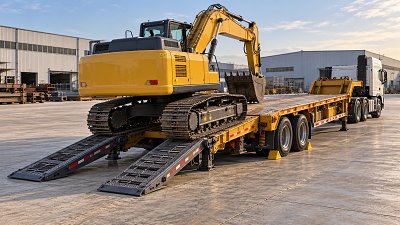
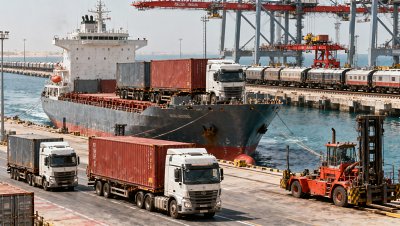
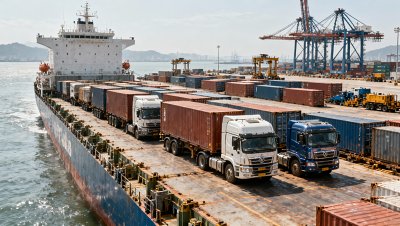
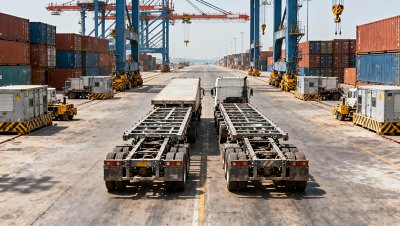
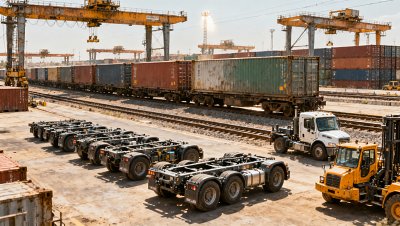
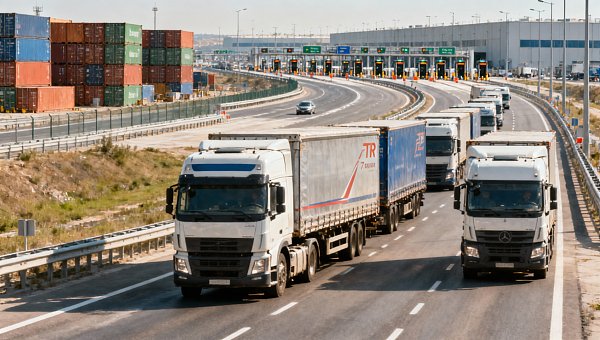
Image placement plan: One image is recommended before the factual overview section to highlight the route, cross-border transport setting, or exported complete vehicles.
What Has Been Confirmed About the Route
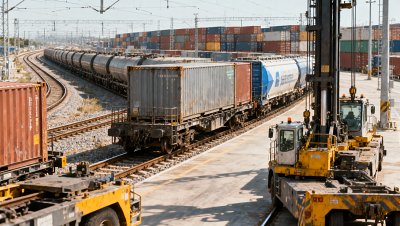
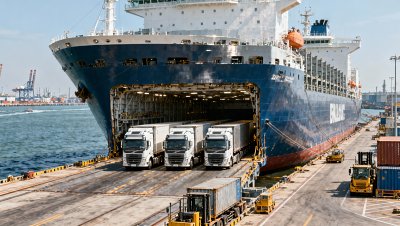
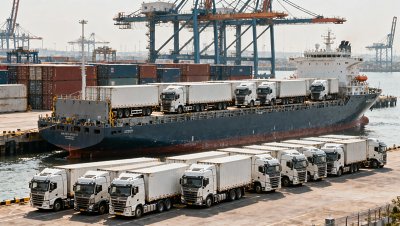
The route was opened on March 25, 2026 and has already entered regular operation. It runs via Horgos, Almaty, Tbilisi, and Baku, with a total distance of about 4,200 kilometers. Transport time for complete heavy trucks has remained stable at 6 to 7 days. According to the provided event summary, this is 22 days faster than sea freight and 83% lower in cost than air freight. The service currently supports direct shipment from original equipment manufacturers of China-made medium and heavy trucks, new energy special-purpose vehicles, and special operation vehicles. The route has also been connected to TIR green channels in the customs systems of Kazakhstan and Georgia.
How the Change May Affect Different Market Participants
Trading companies handling finished vehicle exports
These companies are affected because route availability and customs treatment directly shape quotation cycles, delivery commitments, and customer negotiation terms. The most immediate impact appears in cross-border transport planning for complete vehicles, especially where buyers value faster delivery than sea freight but cannot accept the cost structure of air cargo. What deserves closer attention is whether internal contract terms, delivery windows, and Incoterm-related operational arrangements are updated to reflect the new 6 to 7 day transport rhythm and TIR-based transit process.
Companies sourcing raw materials and key components
Although the route is described for complete vehicle dispatch, upstream procurement teams may still feel indirect effects. From an industry perspective, once finished vehicle delivery becomes faster and more stable, production scheduling pressure can move upstream into parts readiness, packaging coordination, and outbound release timing. These companies may need to pay closer attention to whether customer orders become more time-sensitive and whether production support materials must be aligned more tightly with factory dispatch windows.
Manufacturers of trucks and special-purpose vehicles
Vehicle manufacturers are among the most directly affected participants because the route currently supports direct shipment from original equipment manufacturers. The influence is likely to be seen in export order organization, pre-delivery inspection, documentation preparation, and factory-to-border coordination. Observably, manufacturers should focus on whether vehicle specifications, technical documentation, and destination-market compliance files are complete enough to match a faster customs and transit process, especially for medium and heavy trucks, new energy special-purpose vehicles, and special operation vehicles.
Supply chain and logistics service providers
Logistics operators, customs service providers, and cross-border coordination firms are affected because the route combines route efficiency with procedural advantages under the TIR framework and connected green channels. The operational impact may be visible in customs declaration sequencing, transit document management, route monitoring, and exception handling across multiple jurisdictions. It is more appropriate to understand this as a service capability upgrade rather than only a transport shortcut, meaning providers may need to strengthen document accuracy, multimarket coordination, and timing control across the full trip to Baku.
Key Business Priorities and Practical Responses
Review export compliance files before switching to the route
Companies planning to use this corridor should first review whether vehicle export documentation can support a regular TIR road movement with faster border passage expectations. This includes checking the completeness and consistency of product descriptions, shipment documents, and records needed for customs processing. For manufacturers shipping complete vehicles directly, faster transport leaves less room to correct missing or inconsistent paperwork after dispatch.
Align factory release, inspection, and delivery timing
The confirmed 6 to 7 day transit time can change how manufacturers arrange final inspection, release approval, and outbound scheduling. Businesses may need to adjust procurement and production calendars so that finished vehicles are ready in a more precise sequence. This matters particularly for direct factory shipment, where delays at the point of origin can reduce the practical value of a faster international corridor.
Match technical specifications to destination and transit needs
For medium and heavy trucks, new energy special-purpose vehicles, and special operation vehicles, companies should pay attention to whether technical specifications and supporting files are organized clearly enough for export execution. From a risk-control perspective, any mismatch between product configuration and shipment documentation can create avoidable friction in transport and handover. Firms should also make sure internal teams handling sales, engineering, and shipping are working from the same specification set.
Prepare after-sales traceability for faster market arrival
Shorter delivery time can improve market responsiveness, but it also means companies may need stronger after-sales tracking and quality traceability arrangements once vehicles arrive sooner. This is especially relevant for complete vehicle exports where user feedback, service part planning, and issue identification may begin earlier than under a slower sea freight model. Businesses should therefore coordinate shipment records, vehicle identification data, and service response procedures in advance.
Industry Reading: Why This Route Matters Beyond Transit Time
Analysis shows the importance of this development is not limited to speed. The combination of regular operation, TIR transit, and connected customs green channels points to a rule-based logistics improvement for complete vehicle exports. From an industry perspective, this can reduce uncertainty in the execution stage of cross-border trade, which is often as important as nominal transport time.
Observably, the route may be most valuable for products that sit between the cost profile of sea freight and the urgency profile of air cargo. That does not automatically mean every exporter will switch modes. It is more appropriate to understand the change as an additional compliance-enabled option that could reshape transport selection, customer delivery promises, and export planning for certain vehicle categories.
What deserves closer attention is whether faster road export channels will push manufacturers to improve readiness in documentation, technical alignment, and quality traceability. If transport efficiency rises but internal export management remains slow, part of the route’s advantage could be lost inside the enterprise rather than at the border.
Measured Conclusion for the Market
The launch and regular operation of this TIR route to Azerbaijan provide a confirmed new cross-border delivery path for complete heavy vehicles and selected special vehicle categories. Its significance lies in the combination of stable 6 to 7 day transit, direct OEM shipment support, and access to customs green channels in Kazakhstan and Georgia. A rational reading is that the route can improve execution efficiency for relevant exporters, but the final business benefit will still depend on how well companies align compliance, documentation, scheduling, and service support with the new logistics conditions.
Information Basis and Ongoing Verification
This article was generated based on the user-provided news title, event date, and event summary. For events of this type, companies usually also monitor customs notices, TIR-related transport guidance, border clearance updates, trade facilitation announcements, and buyer-side tender or procurement documents. Specific official source links were not provided in the input and should be verified continuously.
Items that still merit ongoing observation include any later clarification on implementation details, the practical interpretation of customs facilitation measures, changes in certification or documentation expectations, adjustments in tender specifications, and feedback from exporters, manufacturers, and logistics operators using the route in regular operations.
Trending News
- How to load an excavator onto a lowbed trailer without tipping
- China’s New Energy Heavy Truck Sales Share Exceeds 50% in September 2026
- CATL Unveils Heavy-Truck Battery Range Extension, Signs Deals for 13,000 Vehicles
- CATL Unveils Tianxing II Electric-to-Electric Range-Extended Heavy Truck Solution
- How much torque does a truck engine need for heavy-duty hauling?
Tag
Recommended News
 Logistics & FreightHow to load an excavator onto a lowbed trailer without tippingLoading an excavator onto a lowbed trailer? Discover essential ramp checks, alignment tips, and controlled loading practices to reduce tipping risks and protect your equipment.
 Logistics & FreightHow does a truck wing body improve loading and unloading efficiency?Truck wing bodies speed up loading and unloading with wide side access, faster forklift handling, and flexible pallet delivery. Discover whether they fit your operation.
 Logistics & FreightRed Sea Delays Push Ro-Ro Transit to 42 DaysRed Sea delays push Ro-Ro transit to 42 days, forcing heavy-truck exporters to rethink Suez route timing, freight costs, and delivery planning. Explore faster alternatives and key trade impacts.
 Logistics & FreightCai Mep Delays Stretch Truck Parts Clearance to 12 DaysTruck parts clearance at Cai Mep now stretches to 12 days, disrupting road transport equipment imports. Learn the impact on delivery, procurement, and logistics planning.
 Logistics & FreightTruck Logging: Common Route and Load Mistakes That Raise Operating RiskTruck logging mistakes in route and load planning can quietly raise fuel costs, delays, wear, and compliance risk. Learn the key errors and how to build safer, more reliable transport decisions.
 Logistics & FreightLight Commercial Vehicle for Urban Delivery: Best Fit for Stop-and-Go RoutesLight commercial vehicle for urban delivery choices can make or break stop-and-go efficiency. Discover how to match payload, maneuverability, and cost for smarter city routes.
 Logistics & FreightRed Sea Disruptions Push Equipment Exports to Rail and Caspian RouteRed Sea disruptions are pushing equipment exports to rail and the Caspian route, cutting transit to 18–21 days. See how exporters can balance delivery speed, cost, and supply chain reliability.
![]() Logistics & FreightAlashankou Opens Priority Clearance for NEV Heavy TrucksAlashankou opens priority clearance for NEV heavy trucks, cutting customs time to under 4 hours and removing key port fees. See what this means for exporters, logistics teams, and buyers.
Logistics & FreightAlashankou Opens Priority Clearance for NEV Heavy TrucksAlashankou opens priority clearance for NEV heavy trucks, cutting customs time to under 4 hours and removing key port fees. See what this means for exporters, logistics teams, and buyers. Logistics & FreightChina-Europe Rail Adds Emergency Fuel SurchargeChina-Europe rail adds an emergency fuel surcharge of USD 1,200/TEU for trucks, semi-trailers, and chassis exports. See route impact, cost risks, and planning actions now.
 Logistics & FreightKazakhstan AI Customs Review Lifts Truck Parts Checks to 37%Kazakhstan AI customs review lifts truck parts checks to 37%, raising HS 8708 inspection risks and delays. Learn what exporters, importers, and brokers must do now.
 Logistics & FreightSuez Fee Hike Reshapes Ro-Ro Truck BookingsSuez fee hike reshapes Ro-Ro truck bookings as heavy truck exporters face higher freight costs, 90-day booking windows, and tighter vessel space—see what to plan now.
 Logistics & FreightRed Sea Disruption Tightens Ro-Ro Capacity on Asia-Europe RouteRed Sea disruption squeezes Ro-Ro capacity on the Asia-Europe route, driving heavy-truck shipping costs and delays. See what exporters, buyers, and logistics teams must track now.
 Logistics & FreightBest Light Commercial Vehicle for Urban Delivery in Tight City RoutesLight commercial vehicle for urban delivery: discover how to choose the best model for tight city routes with better maneuverability, loading efficiency, and lower operating costs.
 Logistics & FreightGTRI Jumps 12.3% as Red Sea Diversions Tighten CapacityGTRI jumps 12.3% as Red Sea diversions tighten truck shipping capacity on Asia-Europe routes. See what rising costs, 62-75 day lead times, and booking suspensions mean for exporters.
 Logistics & FreightWing Van Truck Loading Problems and Practical Ways to Reduce Cargo DamageWing van truck loading mistakes can damage cargo even on short routes. Learn practical ways to improve load balance, restraint, and daily handling to cut losses.
 Logistics & FreightSuez Canal Fees Rise 35% as Heavy Truck Shipping Hits 68 DaysSuez Canal fees rise 35% as heavy truck shipping stretches to 68 days. See how higher costs and longer transit can disrupt Q3 truck and chassis delivery plans.
 Logistics & FreightDjibouti Port Clearance for Truck Chassis Extends to 18 DaysDjibouti Port clearance for truck chassis now extends to 18 days, disrupting East Africa transit. Learn the impact on truck chassis shipments, documents, and delivery planning.
 Logistics & FreightDjibouti Port Extends Truck Chassis Clearance to 18 WorkdaysDjibouti Port extends truck chassis clearance to 18 workdays, raising customs risks for East Africa and Middle East shipments. Learn the new VIN and drawing rules now.
 Logistics & FreightSuez Eastbound Rates Rise 12% as Rail Alternatives GainSuez eastbound rates rise 12% as rail alternatives gain amid Djibouti congestion. See how shippers, vehicle parts importers, and logistics providers can adapt routing and protect supply continuity.
 Logistics & FreightBulk Trailer vs Container Trailer for High-Volume FreightBulk trailer or container trailer? Discover which option cuts handling costs, speeds high-volume freight, and fits your cargo, route, and delivery goals best.
 Logistics & FreightCentral Asia Rail Rates Jump as Red Sea Diversions BiteCentral Asia rail rates jump as Red Sea diversions tighten capacity. See how rising costs on the China-Kyrgyzstan-Uzbekistan corridor affect heavy truck exports, documents, and delivery planning.
 Logistics & FreightRail Rate Jump Signals Cost Pressure on Eurasian DiversionRail rate jump on the China-Kyrgyzstan-Uzbekistan corridor signals rising Eurasian cost pressure. See how it may impact delivery timing, export quotes, and supply chain planning.
 Logistics & FreightWhen a Van Trailer Is the Right Choice for Secure FreightVan trailer solutions protect secure freight from weather, dust, and theft. Learn when a van trailer is the smart choice for safer delivery and better cargo control.
 Logistics & FreightRed Sea Disruption Lifts China-Kyrgyz-Uzbek Rail Rates 18%Red Sea disruption lifts China-Kyrgyz-Uzbek rail rates 18%, raising export costs for truck KD parts, chassis, and loose components. See what shippers must monitor now.
 Logistics & FreightChina-Europe Rail Eastern Route Passes 40,000 TripsChina-Europe Rail Eastern Route passes 40,000 trips as Manzhouli launches a smart warehouse for heavy truck KD exports. Discover how faster customs clearance may improve rail logistics planning.