Vietnam Tightens Papers for Used Commercial Vehicle Imports
On July 1, 2026, Vietnam’s Ministry of Industry and Trade put a new documentation rule into effect for imported used commercial vehicles. The notice draws immediate attention from exporters of used engineering vehicles from China, import traders in Vietnam, inspection service providers, and supply chain teams, because it shifts the focus from price and vehicle availability to document readiness, certification validity, and the ability to complete cross-border compliance without delays.
What the New Notice Clearly Requires
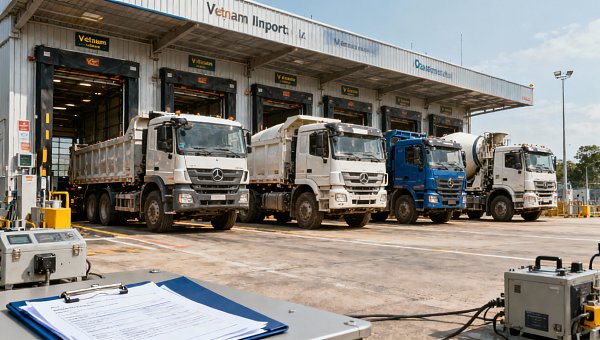
According to Notice No. 88/2026/TT-BCT issued by Vietnam’s Ministry of Industry and Trade, from July 1, 2026, all imported used commercial vehicles must be accompanied by two specific documents. One is a remanufacturing enterprise qualification certificate issued by a provincial industry and information technology authority in China. The other is a complete vehicle performance re-inspection report issued by a third-party testing institution.
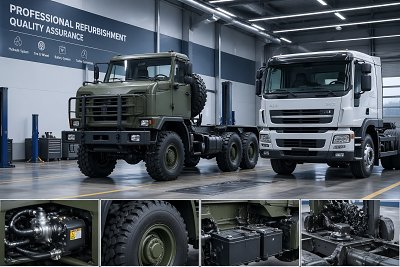
The requirement applies to used commercial vehicles including tractors, dump trucks, and concrete mixer trucks. Based on the information provided, the new rule raises the compliance threshold and documentation cost for exports of used Chinese engineering vehicles to Vietnam.
Where the Pressure Is Likely to Appear First
Export transactions may face a higher document burden
From an industry perspective, direct trading companies are likely to feel the impact first because the new requirement is attached to import clearance documentation. The practical pressure is likely to appear in document collection, document matching for each vehicle shipment, and the need to confirm whether the required qualification certificate and re-inspection report can be prepared in time.
Vehicle sourcing and remanufacturing links become more sensitive
Analysis shows that the sourcing side of used commercial vehicle exports may also be affected. If a transaction depends on proof tied to remanufacturing qualifications, the origin of the vehicle and the associated enterprise credentials become more important in deal execution. What deserves closer attention is not only vehicle condition, but also whether supporting qualification materials can follow the transaction in a compliant form.
Inspection and delivery coordination may become a bottleneck
Supply chain service providers and related facilitators may need to pay closer attention to timing risk. The addition of a third-party complete vehicle performance re-inspection report means that inspection, paperwork preparation, and delivery coordination may become more closely linked. In practice, this can affect handover schedules, customs preparation, and communication between exporters, importers, and service partners.
What Companies Should Watch Now
Check whether current vehicle categories fall within scope
Companies involved in tractors, dump trucks, and concrete mixer trucks should first review whether their existing or planned shipments are directly covered by the notice. This matters because the rule is category-based and tied to import documentation rather than general market sentiment.
Verify the availability of qualification and re-inspection documents
What deserves closer attention is whether the required remanufacturing enterprise qualification certificate and third-party re-inspection report can be obtained in a form that supports actual shipment execution. For many businesses, the key issue is not only understanding the rule, but also confirming document availability before sales, procurement, or dispatch decisions are finalized.
Separate policy wording from operational execution
Observably, one important practical task is to distinguish the published requirement from the details of operational implementation. Companies should pay attention to how the documentation requirement is interpreted in real transactions, especially in relation to filing order, document completeness, and the timing of submission within the delivery process.
Prepare for longer internal and customer communication cycles
Analysis shows that higher compliance thresholds usually increase the need for earlier communication across suppliers, traders, logistics coordinators, and buyers. For companies already serving the Vietnam market, the immediate focus is likely to be contract communication, shipment scheduling, and contingency planning around paperwork readiness rather than volume expansion.
Why This Looks Like More Than a One-Off Filing Detail
This section is an editorial observation. It is more appropriate to understand this development first as a concrete compliance change with direct transaction-level effects, rather than as a broad market conclusion. At the same time, the notice can also be read as a policy signal that documentation quality and traceable remanufacturing credentials are becoming more central in the used commercial vehicle trade serving Vietnam.
That said, it is still too early to turn this single notice into a definitive judgment about long-term trade outcomes. Observably, the more useful near-term reading is that market participants need to follow how the rule is applied in actual shipments and whether additional clarifications, supporting procedures, or related interpretations emerge.
How the Market May Need to Read This Stage
For the industry, the significance of this update lies less in headline impact and more in the shift of operational focus. The rule does not simply add another document; it may reshape how exporters, importers, and service providers assess deal feasibility for used commercial vehicles entering Vietnam. At the current stage, it is more appropriate to understand the development as an immediate compliance tightening and a policy signal that still requires continued observation in real business execution.
Basis of This Article and What Still Needs Verification
This article is generated based on the user-provided news title, event date, and event summary. For this type of development, commonly relevant source categories may include official notices, company announcements, industry association updates, authoritative media coverage, and standards-related documents. A specific official source link was not provided in the input, so further verification remains necessary. Continued attention should focus on any later official wording, implementation clarifications, and practical requirements that emerge during actual import and export operations.
Trending News
- How to match crane truck lifting capacity to your jobsite loads
- What drives logging truck cost beyond the base purchase price?
- How to match lowbed trailer deck height to your hauling equipment
- What documents are needed to export a low bed trailer to Southeast Asia?
- What to verify before choosing a delivery truck supplier for school transportation
Tag
Recommended News
 Used Truck MarketVietnam Tightens Used Heavy Truck Import RecordsVietnam Tightens Used Heavy Truck Import Records: learn how Vietnam’s 2026 rule on used heavy truck imports affects licensing, sourcing, and compliance for traders and fleet buyers.
 Used Truck MarketUsed or New Heavy Duty Trucks for Sale in Canada: Which Pays Off?Heavy duty trucks for sale in Canada: compare used vs new by total cost, downtime risk, fuel savings, and ROI. Find the smartest fleet buy and source with confidence.
 Used Truck MarketVietnam Tightens Rules for Used Commercial Vehicle ImportsVietnam tightens rules for used commercial vehicle imports with certified maintenance records and bilingual VCEM reports. See what exporters and buyers must do now.
 Used Truck MarketVietnam Tightens Used Commercial Vehicle Import FilesVietnam tightens used commercial vehicle import files from July 1, 2026. Learn the new bilingual maintenance and emissions document rules, customs risks, and key compliance steps.
 Used Truck MarketSoutheast Asia Tightens Used Truck Import RulesUsed truck import rules in Southeast Asia tighten from Sept. 2026, requiring OBD-II SAE J1939 compliance and local platform access. See how exporters can stay compliant.
 Used Truck MarketVietnam Tightens Used Commercial Vehicle Import RulesUsed commercial vehicle exporters face tighter Vietnam import rules from July 2026. Learn how new compliance documents may affect customs clearance, inventory turnover, and shipment planning.
 Used Truck MarketVietnam Tightens Proof Rules for Used Commercial Vehicle ImportsVietnam tightens proof rules for used commercial vehicle imports from July 1, 2026. Learn key compliance risks, certificate requirements, and how importers can avoid port refusal.
 Used Truck MarketVietnam Tightens Papers for Used Commercial Vehicle ImportsVietnam tightens papers for used commercial vehicle imports from July 1, 2026. Learn the new certificate and re-inspection rules, key compliance risks, and how exporters can avoid costly delays.
 Used Truck MarketVietnam to Enforce Used Truck Import Rules from Q4 2026Used truck import rules in Vietnam: OEM-certified remanufactured trucks required from Q4 2026 — key implications for Chinese exporters & logistics providers.
 Used Truck MarketSemi Trailer Wholesale: Which Specs Matter Most for Resale ValueSemi trailer wholesale buyers: learn which specs most influence resale value, from axle layout to payload, materials, and parts compatibility—make smarter, higher-margin sourcing decisions.
 Used Truck MarketTruck Tipper for Sale: New or Used for Heavy-Duty Work?Truck tipper for sale guide: compare new or used options, dump truck price, heavy-duty specs, and trusted suppliers for construction, mining, and fleet sourcing.
 Used Truck MarketTruck Military Auctions Look Cheaper Until Refit Costs AppearTruck military auction deals can hide high refit costs. Compare hydraulic pump, truck battery, truck trailer, truck tipper, off road truck and truck leasing options before you buy.
 Used Truck MarketUsed Wheel Loader Inspection Points That Matter MostHydraulic pump and wheel loader inspection tips that matter most for used equipment buyers. Compare off road truck, truck trailer, and truck tipper options to reduce risk and source smarter.
 Used Truck MarketUsed Truck Skeleton Trailers: What Usually Wears Out First?Truck skeleton buyers: learn what wears out first on used trailers, from truck steel fatigue and truck air system leaks to truck lighting system faults, and inspect smarter before you buy.
 Used Truck MarketWhat to Check Before Buying a Used Truck VanUsed truck van buying guide: inspect service history, load capacity, body wear, and supplier reliability. Compare truck van, lowbed trailer, refrigerated truck, mixer truck, and construction truck options with confidence.
 Used Truck MarketRebuilt or New Truck Piston? The Cost Difference Is Not the Whole StoryTruck piston buying guide: compare rebuilt vs new on lifecycle cost, downtime risk, and supplier quality. See how truck gasket, truck pump, and truck export decisions affect fleet value.
 Used Truck MarketNew vs Remanufactured Engine Assembly: Which Holds Value Better?Engine assembly value guide: compare new vs reman options for industrial transportation, with insights on truck turbocharger, truck gearbox, and fleet ROI.
 Used Truck MarketUsed Tipper Trailer Checks That Prevent Expensive RepairsTipper trailer buyers: learn used inspection checks that prevent costly repairs. Verify truck lighting, construction truck, mining truck, and off road truck compatibility before you buy.
 Used Truck MarketDump Truck for Sale: New or Used in 2026?Dump truck for sale in 2026: compare new or used options, review dump truck price trends, and source excavator for sale, truck cement mixer, and excavator parts with confidence.
 Used Truck MarketNew vs Used Excavator for Sale in 2026Excavator for sale in 2026: compare new vs used options, excavator rental, excavator parts, and dump truck for sale insights to cut risk, control cost, and buy with confidence.
 Used Truck MarketWhat to Inspect Before Choosing a Used Truck Trailer for SaleTruck trailer for sale guide: inspect frame, axles, brakes, and records before comparing truck trailer price or choosing a semi trailer supplier for safer, smarter sourcing.
 Used Truck MarketWhat ‘truck trailer for sale’ listings won’t tell you about frame fatigue historyDiscover hidden frame fatigue history in 'dump truck for sale', 'truck trailer for sale', and 'semi trailer for sale'—get verified structural data, NDT reports & fatigue risk scores before buying.
 Used Truck MarketDump truck for sale: Red flags in used unit listings you should never ignoreDump truck for sale? Avoid costly mistakes—spot red flags in used listings, compare dump truck price & truck tipper for sale options with expert guidance.
 Used Truck MarketHeavy Duty Trucks for Sale: Which Specs Hold Resale Value?Heavy duty trucks for sale: learn which engine, cab chassis truck and truck brake system specs protect resale value, reduce downtime, and improve fleet ROI with stronger parts support.
 Used Truck MarketLinquan Court Auctions HOWO Tractor + Dump Semi-trailer Combo, Highlighting Potential Supply for Used Trailer ExportsExplore Linquan Court's HOWO tractor & dump semi-trailer auction - a rare opportunity for used commercial vehicle exporters targeting Middle East, Africa & Latin America markets. Starting bid 86,500 RMB with full documentation.