Semi Trailer Wholesale: Which Specs Matter Most for Resale Value
In semi trailer wholesale, the specifications you choose today can directly affect resale value tomorrow. For dealers, distributors, and agents, understanding which features buyers prioritize—such as axle configuration, payload capacity, material quality, and brand compatibility—can reduce risk and improve margins. This article explores the key semi-trailer specs that matter most when balancing purchase cost, market demand, and long-term resale potential.
For B2B buyers in the road transport equipment sector, resale value is not a secondary issue. It directly influences inventory turnover, financing pressure, remarketing speed, and customer trust. A trailer that looks competitive at the time of purchase can become difficult to move after 24–36 months if its configuration does not match mainstream fleet requirements in the destination market.
That is why semi trailer wholesale decisions should be based on more than the initial unit price. Dealers and distributors need to evaluate which specifications stay liquid across regions, which options narrow the buyer pool, and which structural details support long-term asset value. On a global B2B platform, where suppliers, manufacturers, and commercial vehicle buyers compare options side by side, clarity on these specifications becomes a practical advantage.
Why Resale Value Starts with Specification Strategy
In most export and domestic distribution channels, resale performance is shaped by 4 core factors: regulatory fit, operating flexibility, maintenance cost, and brand acceptance. A trailer that meets only one use case may sell quickly in a project cycle, but a trailer with broader compatibility often performs better over a 3–5 year resale horizon.
For example, a semi-trailer built around a common 3-axle layout, standard landing gear, serviceable suspension, and widely available brake components will usually attract more second-hand buyers than a highly customized design. In semi trailer wholesale, wider buyer acceptance often matters more than small savings on non-standard parts.
How Dealers Typically Lose Value
- Choosing axle or suspension setups that do not match local road limits or fleet practices
- Buying payload-heavy designs for markets that prioritize tare weight reduction
- Over-specifying specialty features that only 10%–20% of buyers actually need
- Ignoring tractor head compatibility, kingpin standards, and parts availability
- Stocking trailer bodies made from materials that are expensive to repair locally
These issues are common across flatbeds, lowbeds, skeletal trailers, side wall trailers, and tipper semi-trailers. The underlying rule is simple: the easier the trailer is to redeploy across fleets, the better its residual value tends to hold.
The Most Resale-Sensitive Specifications at a Glance
Before comparing suppliers on a heavy truck industry platform, distributors often need a quick screening framework. The table below highlights which trailer specifications usually have the strongest effect on resale speed and price retention.
The key takeaway is that resale value is usually highest when a trailer sits in the middle of the market, not at the extremes. Mainstream configurations typically attract more buyers within 30–90 days, while niche configurations may remain unsold much longer unless priced aggressively.
Which Semi-Trailer Specs Matter Most in Wholesale Purchasing
When evaluating semi trailer wholesale opportunities, dealers should focus first on the specifications that directly affect route legality, maintenance economics, and cross-fleet usability. The following areas deserve the most attention during sourcing and supplier comparison.
Axle Configuration and Load Distribution
Axle layout is one of the strongest predictors of resale value because it affects both legal compliance and fleet economics. In many markets, 3-axle semi-trailers remain the broadest-appeal option for general cargo, containers, and bulk transport. A 2-axle model may reduce tare weight, but it can limit payload acceptance in markets where operators expect higher carrying capacity.
Distributors should also assess axle spacing, equalization performance, and service support. A trailer with standard service parts and familiar axle geometry is easier for second owners to maintain over 12–18 month usage cycles. If replacement bearings, brake chambers, or suspension bushings are hard to source, resale demand usually drops.
Practical checklist
- Confirm legal gross vehicle weight expectations in the target market.
- Check whether the axle brand has local or regional parts support.
- Review tire size commonality, especially for fleets running high-mileage routes.
- Verify whether the suspension setup matches road quality and cargo type.
Payload Capacity Versus Tare Weight
A higher payload rating does not automatically improve resale value. In semi trailer wholesale, what matters is fit with actual operating demand. If a market commonly moves 25–40 tons, an overbuilt trailer designed for significantly heavier duty may create two problems: higher empty weight and higher acquisition cost. Both can weaken second-hand appeal.
By contrast, a balanced design often resells better. Buyers usually prefer a trailer that delivers reliable payload performance without unnecessary structural mass. This is especially true in logistics sectors where fuel consumption, toll classification, and multi-route flexibility influence total operating cost.
Frame Material and Structural Durability
Material selection affects more than durability on paper. It influences weld integrity, repair convenience, corrosion resistance, and appearance after years of service. High-strength steel is widely preferred in many trailer categories because it balances structural performance with market familiarity. Poor welding quality, uneven steel thickness, or weak anti-corrosion treatment can reduce resale value even if the trailer looks competitive when new.
For dealers, it is important to inspect beam design, cross-member density, floor plate thickness, and paint or coating processes. A trailer that maintains structural straightness and surface condition after 2–3 years of use usually earns faster buyer trust in the secondary market.
Brake System, Suspension, and Serviceability
Brake and suspension systems have a direct effect on operating uptime. Mechanical suspension may still be preferred in rough-road, heavy-load, or price-sensitive regions because it is easier to repair and typically less expensive to service. Air suspension can support cargo protection and ride quality, but resale depends heavily on whether local workshops can maintain valves, bags, and related components.
Second-hand buyers often calculate not only purchase price, but also expected maintenance intervals every 20,000–50,000 km and the availability of replacement parts within 48–72 hours. If the trailer uses uncommon brake components, resale pricing normally comes under pressure.
How Market Compatibility Protects Resale Margins
Even a well-built trailer can underperform on resale if it does not fit the target market’s daily operating reality. Dealers, agents, and distributors should evaluate compatibility at the market level before placing volume orders. This means checking not only the trailer itself, but also the wider transport ecosystem around it.
Tractor Head, Kingpin, and Coupling Compatibility
Compatibility with existing tractor fleets is critical. If kingpin height, fifth-wheel matching, electrical connectors, or braking interfaces differ from what fleets commonly use, the resale pool shrinks immediately. Many used-equipment buyers will not consider a trailer that requires extra adaptation cost or additional downtime before operation.
In practical terms, distributors should confirm at least 5 points before purchase: kingpin standard, landing gear height range, brake line interface, lighting connection, and axle track suitability. These details may seem minor during wholesale sourcing, but they strongly affect how quickly the trailer can be resold.
Body Type and Cargo Versatility
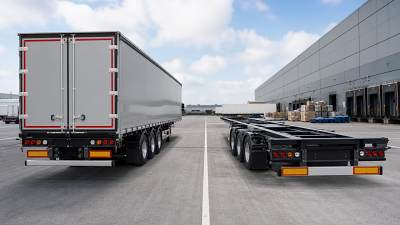
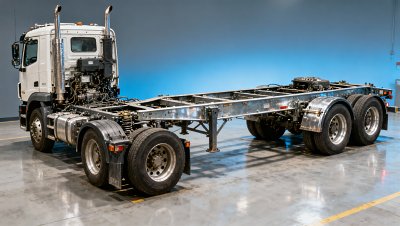
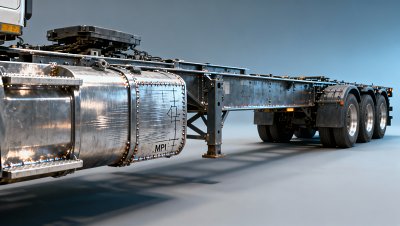
A specialized trailer can deliver excellent first-sale performance if tied to a clear project or industry. However, broad resale markets usually favor versatile trailer types. Flatbeds, skeletal container chassis, side wall semi-trailers, and standard lowbeds often hold stronger second-cycle demand because they can serve multiple freight scenarios.
For instance, a container chassis that supports common container sizes and standard locking points is easier to remarket than a heavily customized trailer designed for a narrow route profile. In semi trailer wholesale, versatility often improves exit options for dealers holding 10, 20, or 50 units in stock.
Regional Service Network and Parts Access
Resale value is not only about the metal; it is also about the support behind it. Buyers in Africa, Southeast Asia, the Middle East, Latin America, and other growth markets often ask how quickly they can source brake shoes, air valves, hubs, leaf springs, lamps, or landing gear components. If parts lead times stretch to 3–6 weeks, used-equipment demand may weaken.
This is where a global commercial vehicle marketplace creates value. By connecting buyers with suppliers, spare parts sources, and category-specific product listings, the platform helps distributors compare not only prices, but also support ecosystems that can preserve trailer liquidity after the first sale.
The table below shows how market compatibility factors should be reviewed before committing to a semi trailer wholesale order intended for future resale.
The strongest resale performers usually score well across all 4 factors, not just one. A competitively priced trailer with poor compatibility can still become expensive inventory if it remains unsold for 60–120 extra days.
Procurement Tactics for Dealers, Distributors, and Agents
Successful semi trailer wholesale purchasing requires a repeatable sourcing method. Resale-friendly inventory is rarely the result of luck. It comes from disciplined specification control, supplier comparison, and post-sale planning.
Use a 6-Point Evaluation Before Ordering
- Define the target resale market by country, route type, and cargo profile.
- Set 3–5 mandatory configuration requirements, such as axle count, payload range, and suspension type.
- Check service parts interchangeability with mainstream local brands.
- Review frame details, welding consistency, and anti-corrosion treatment.
- Confirm supplier lead time, usually within 20–45 days for standard builds and longer for customized units.
- Estimate remarketing ease after 24–36 months, not just first-sale attractiveness.
Avoid Two Common Wholesale Mistakes
Mistake 1: Buying for headline specs only
A trailer with a very high payload rating or extra-heavy beam structure may look impressive in a quotation sheet. But if fleets in your region prioritize standard cargo density, maintenance simplicity, and lower tare weight, those headline specs may not convert into resale value.
Mistake 2: Ignoring total lifecycle marketability
Some distributors focus heavily on the first transaction margin and overlook second-cycle demand. In practice, a trailer that loses market appeal after 18 months can tie up capital, reduce trade-in confidence, and force discounting. Long-term marketability should be priced into every sourcing decision.
How Digital B2B Platforms Improve Decision Quality
For commercial vehicle distributors, international sourcing can involve multiple risks: inconsistent specifications, weak supplier transparency, and limited comparison across regions. A specialized heavy truck industry platform helps reduce that friction by bringing together trailers, semi-trailers, truck chassis, spare parts, supplier information, and industry buying guides in one ecosystem.
This matters in semi trailer wholesale because better information leads to better stocking decisions. Buyers can compare product categories, identify suppliers with relevant production capability, review related component availability, and align trailer selection with broader transport equipment demand across logistics, mining, infrastructure, and municipal engineering applications.
FAQ: Resale-Focused Questions Buyers Often Ask
Is the cheapest semi-trailer the best option for resale?
Usually not. Low purchase cost can help initial margin, but poor component compatibility, weak corrosion protection, or uncommon specifications may reduce resale price more than the original savings. Dealers should compare lifecycle marketability, not only invoice price.
Which trailer type tends to hold value better?
The answer depends on the region, but versatile and widely used trailer types often retain value better than niche designs. Standard flatbeds, skeletal trailers, and common 3-axle general cargo semi-trailers typically have broader buyer demand than highly specialized units.
How important is parts support in the resale market?
It is extremely important. Many second-hand buyers care less about the brand name alone and more about whether brake parts, suspension items, hubs, tires, and electrical components can be sourced within a few days. Good parts access supports better pricing and faster transactions.
Should dealers stock highly customized semi-trailers?
Only when there is a clearly defined customer base or project pipeline. Customized trailers can be profitable, but they usually carry higher remarketing risk. For general inventory, standardized configurations are often safer from a resale perspective.
In semi trailer wholesale, the best resale results usually come from disciplined specification choices rather than extreme configurations. Axle setup, payload balance, material quality, braking and suspension serviceability, and market compatibility all shape how easily a trailer can be resold after its first operating cycle. For dealers, distributors, and agents, choosing mainstream, supportable, and regulation-aligned specifications is one of the most practical ways to protect margins.
If you are sourcing trailers, comparing suppliers, or building a more resilient commercial vehicle portfolio, the Global Heavy Truck Industry Platform can help you evaluate products, connect with qualified manufacturers, and access the industry resources needed for smarter purchasing decisions. Contact us today to discuss product details, request a tailored sourcing plan, or explore more semi-trailer solutions for your market.
Recommended News
 Used Truck MarketVietnam Tightens Used Commercial Vehicle Import RulesUsed commercial vehicle exporters face tighter Vietnam import rules from July 2026. Learn how new compliance documents may affect customs clearance, inventory turnover, and shipment planning.
 Used Truck MarketVietnam Tightens Proof Rules for Used Commercial Vehicle ImportsVietnam tightens proof rules for used commercial vehicle imports from July 1, 2026. Learn key compliance risks, certificate requirements, and how importers can avoid port refusal.
 Used Truck MarketVietnam Tightens Papers for Used Commercial Vehicle ImportsVietnam tightens papers for used commercial vehicle imports from July 1, 2026. Learn the new certificate and re-inspection rules, key compliance risks, and how exporters can avoid costly delays.
 Used Truck MarketVietnam to Enforce Used Truck Import Rules from Q4 2026Used truck import rules in Vietnam: OEM-certified remanufactured trucks required from Q4 2026 — key implications for Chinese exporters & logistics providers.
 Used Truck MarketSemi Trailer Wholesale: Which Specs Matter Most for Resale ValueSemi trailer wholesale buyers: learn which specs most influence resale value, from axle layout to payload, materials, and parts compatibility—make smarter, higher-margin sourcing decisions.
 Used Truck MarketTruck Tipper for Sale: New or Used for Heavy-Duty Work?Truck tipper for sale guide: compare new or used options, dump truck price, heavy-duty specs, and trusted suppliers for construction, mining, and fleet sourcing.
 Used Truck MarketTruck Military Auctions Look Cheaper Until Refit Costs AppearTruck military auction deals can hide high refit costs. Compare hydraulic pump, truck battery, truck trailer, truck tipper, off road truck and truck leasing options before you buy.
 Used Truck MarketUsed Wheel Loader Inspection Points That Matter MostHydraulic pump and wheel loader inspection tips that matter most for used equipment buyers. Compare off road truck, truck trailer, and truck tipper options to reduce risk and source smarter.
 Used Truck MarketUsed Truck Skeleton Trailers: What Usually Wears Out First?Truck skeleton buyers: learn what wears out first on used trailers, from truck steel fatigue and truck air system leaks to truck lighting system faults, and inspect smarter before you buy.
 Used Truck MarketWhat to Check Before Buying a Used Truck VanUsed truck van buying guide: inspect service history, load capacity, body wear, and supplier reliability. Compare truck van, lowbed trailer, refrigerated truck, mixer truck, and construction truck options with confidence.
 Used Truck MarketRebuilt or New Truck Piston? The Cost Difference Is Not the Whole StoryTruck piston buying guide: compare rebuilt vs new on lifecycle cost, downtime risk, and supplier quality. See how truck gasket, truck pump, and truck export decisions affect fleet value.
 Used Truck MarketNew vs Remanufactured Engine Assembly: Which Holds Value Better?Engine assembly value guide: compare new vs reman options for industrial transportation, with insights on truck turbocharger, truck gearbox, and fleet ROI.
 Used Truck MarketUsed Tipper Trailer Checks That Prevent Expensive RepairsTipper trailer buyers: learn used inspection checks that prevent costly repairs. Verify truck lighting, construction truck, mining truck, and off road truck compatibility before you buy.
 Used Truck MarketDump Truck for Sale: New or Used in 2026?Dump truck for sale in 2026: compare new or used options, review dump truck price trends, and source excavator for sale, truck cement mixer, and excavator parts with confidence.
 Used Truck MarketNew vs Used Excavator for Sale in 2026Excavator for sale in 2026: compare new vs used options, excavator rental, excavator parts, and dump truck for sale insights to cut risk, control cost, and buy with confidence.
 Used Truck MarketWhat to Inspect Before Choosing a Used Truck Trailer for SaleTruck trailer for sale guide: inspect frame, axles, brakes, and records before comparing truck trailer price or choosing a semi trailer supplier for safer, smarter sourcing.
 Used Truck MarketWhat ‘truck trailer for sale’ listings won’t tell you about frame fatigue historyDiscover hidden frame fatigue history in 'dump truck for sale', 'truck trailer for sale', and 'semi trailer for sale'—get verified structural data, NDT reports & fatigue risk scores before buying.
 Used Truck MarketDump truck for sale: Red flags in used unit listings you should never ignoreDump truck for sale? Avoid costly mistakes—spot red flags in used listings, compare dump truck price & truck tipper for sale options with expert guidance.
 Used Truck MarketHeavy Duty Trucks for Sale: Which Specs Hold Resale Value?Heavy duty trucks for sale: learn which engine, cab chassis truck and truck brake system specs protect resale value, reduce downtime, and improve fleet ROI with stronger parts support.
 Used Truck MarketLinquan Court Auctions HOWO Tractor + Dump Semi-trailer Combo, Highlighting Potential Supply for Used Trailer ExportsExplore Linquan Court's HOWO tractor & dump semi-trailer auction - a rare opportunity for used commercial vehicle exporters targeting Middle East, Africa & Latin America markets. Starting bid 86,500 RMB with full documentation.
 Used Truck MarketHow bulldozer factory certifications affect resale value in AustraliaBulldozer manufacturer certifications boost resale value in Australia—key for bulldozer supplier, distributor & heavy duty trucks for sale. Learn how ISO, AS/NZS & OEM standards drive premiums.
 Used Truck MarketExcavator for sale online: Why certified pre-owned listings often skip hydraulic flow testing recordsExcavator for sale online? Discover why certified pre-owned units often lack hydraulic flow testing—critical for accurate excavator price, attachment performance & demolition readiness.
 Used Truck MarketTruck mounted crane resale values fell faster than expected after hybrid powertrain adoption — why?Truck mounted crane resale values plummeted—outpacing forecasts. See why garbage truck, water truck, logging truck, low bed trailer & refrigerated truck fleets are rethinking hybrid adoption.
 Used Truck MarketCement tanker residual value drops faster than other heavy trucks—what drives depreciation?Cement tanker depreciation outpaces other heavy trucks—explore truck parts, mixer truck specs & residual value drivers for smarter procurement.
 Used Truck MarketHeavy duty truck resale value drops faster after 3 years—if it’s not Euro VI compliantDump truck, semi trailer, concrete pump truck & more: Euro VI compliance slashes heavy duty truck depreciation—boost resale value, financing approval & LEZ access. Source verified inventory now.