What to Inspect Before Choosing a Used Truck Trailer for Sale
Before choosing a used truck trailer for sale, buyers should inspect structural condition, axle performance, tires, suspension, braking systems, and maintenance history to avoid hidden costs. Whether you are comparing truck trailer price, evaluating a semi trailer supplier, or planning truck trailer wholesale, a careful inspection helps procurement teams, dealers, and distributors make safer, more cost-effective decisions.
Why inspection matters before buying a used truck trailer
In the road transport equipment industry, a used truck trailer for sale can look acceptable in photos and still create major operating risk after delivery. For procurement teams, the real issue is not only the truck trailer price at the time of purchase, but also the 6 to 24 months of maintenance, downtime, tire wear, and compliance work that follow.
This is especially important for buyers handling regional logistics, construction transport, mining support, or fleet expansion. A trailer that has already experienced overloading, frame stress, poor maintenance, or irregular repairs may quickly increase lifecycle cost. For dealers, distributors, and agents, this also affects resale reputation and customer claims.
Many buyers compare several units from different suppliers within a short sourcing window of 7 to 15 days. In that situation, a structured inspection process helps reduce guesswork. Instead of relying on appearance, procurement staff can evaluate 5 key dimensions: structure, running gear, safety systems, document history, and supplier support capability.
The Global Heavy Truck Industry Platform supports this decision process by connecting buyers with global semi trailer supplier resources, product categories, market insights, and practical buying guides. This is useful when you need to compare truck trailer wholesale sources across different regions, specifications, and commercial conditions without losing focus on technical risk.
A practical pre-purchase mindset
A used trailer should be assessed as an operating asset, not as a low-cost opportunity alone. If the unit will run long distance routes, carry heavy loads, or enter regulated markets, the pre-purchase review should be as disciplined as a new equipment qualification. Even a modest defect in suspension geometry or brake response can affect cost per kilometer.
- Check whether the trailer matches the intended cargo type, route conditions, and expected annual utilization.
- Separate cosmetic issues from structural or safety-related defects that can disrupt operations.
- Request maintenance records, repair invoices, and axle or brake service history where available.
- Confirm whether replacement parts are available locally or through the supplier’s after-sales network.
What to inspect first: frame, body, axles, tires, and braking system
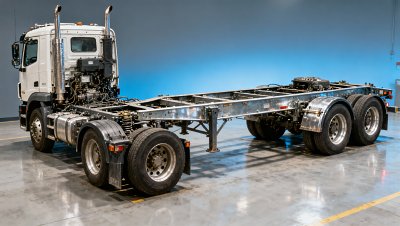
Start with the structure. On a used truck trailer for sale, the frame is the foundation of value. Buyers should inspect main beams, cross members, welding seams, landing gear mounts, kingpin area, rear impact guard, and side rails. Visible cracks, non-uniform welds, fresh paint over stress points, or bent sections often indicate previous overloading or accident repair.
Then evaluate the running gear. Axles, suspension, hubs, wheel ends, and alignment condition directly affect road stability and maintenance frequency. Uneven tire wear is often one of the fastest warning signs. It may point to axle misalignment, damaged suspension components, worn bushings, or a frame that is no longer square.
The braking system deserves a separate review because it affects both safety and compliance. Inspect air lines, chambers, slack adjusters, drums or discs, parking brake function, and air leakage behavior. If pressure loss is noticeable over a short interval, or braking response varies from axle to axle, the trailer may require immediate service before commercial use.
For trailers used in cross-border transport or fleet operations, electrical systems also matter. Buyers should test lights, connectors, ABS or EBS-related wiring if fitted, and harness condition. A low truck trailer price can become less attractive if rewiring, lamp replacement, and brake calibration must be completed before registration or dispatch.
Five high-priority inspection zones
The following table summarizes common inspection zones and what procurement teams should look for during a first-pass review. It is especially useful when comparing units from more than one semi trailer supplier.
This checklist helps convert a visual inspection into a procurement decision tool. If 2 or more major systems show unresolved wear, buyers should either renegotiate truck trailer price, request refurbishment details, or compare another used truck trailer for sale from a more transparent supplier.
Quick field checks before deeper evaluation
When time is limited, field teams can complete a 20 to 40 minute first-level inspection before deciding on a detailed technical review. This approach is useful in auctions, yard visits, and truck trailer wholesale sourcing trips involving multiple units in one day.
- Walk around the trailer and look for asymmetry in ride height, body position, or tire stance.
- Inspect the underside for fresh repair paint, oil contamination, rust scaling, and impact damage.
- Check VIN or identification details against documents and service records.
- Test air and electrical connections with a compatible tractor unit where possible.
How to compare condition versus truck trailer price
A lower truck trailer price is not always a better procurement result. Buyers should compare purchase price against expected refurbishment cost, parts replacement, downtime, and usable service life. In many cases, a trailer priced 10% to 15% lower may require 20% or more in corrective work within the first quarter of operation.
This is why business evaluation teams often build a simple total acquisition model. The model does not need exact market forecasting. It only needs realistic cost categories: initial price, immediate repair budget, registration or compliance preparation, transport to destination, and the first 3 to 6 months of wear-related service.
For dealers and distributors, this comparison also shapes resale margin. A unit acquired cheaply but delivered late due to workshop repairs can weaken commercial performance. For fleet users, delayed deployment affects route planning, contract execution, and equipment utilization. Cost should therefore be measured in operational readiness, not only invoice value.
The table below offers a practical way to compare a low-price trailer against a better-maintained unit. It supports sourcing decisions when reviewing offers from different truck trailer wholesale channels or international suppliers.
This comparison does not mean buyers should avoid lower-priced units. It means they should attach each price to a clear technical condition profile. If your team needs to source at scale, a digital B2B platform that helps compare supplier information, product categories, and support resources can reduce commercial uncertainty before negotiation.
When is a used trailer the right choice?
A used truck trailer for sale may be the right option in 3 typical cases: fleet expansion under budget pressure, temporary project demand lasting 6 to 18 months, or dealer inventory replenishment for price-sensitive markets. In these scenarios, inspection quality determines whether the purchase creates savings or avoidable after-sales burden.
- Choose used when route conditions are known and maintenance access is available.
- Be cautious when the trailer must meet strict certification, specialized transport, or premium fleet image requirements.
- Use condition scoring to compare units across multiple suppliers rather than negotiating on price alone.
What documents, compliance items, and supplier checks should buyers review?
A technically acceptable trailer can still become a difficult purchase if documents are incomplete. Buyers should verify ownership records, serial identification, export readiness, maintenance logs, and any available inspection certificates. In cross-border trade, missing documentation can delay customs, registration, local inspection, or financing review.
Compliance expectations vary by market, but it is reasonable to review core roadworthiness items, braking system condition, lighting functionality, dimensions, axle configuration, and load-related suitability. If the destination market requires pre-registration inspection, buyers should confirm which modifications are commonly needed before shipment or before local licensing.
Supplier screening is equally important. A semi trailer supplier should be able to explain unit condition, refurbishment scope if any, visible defects, spare parts availability, and loading or shipping arrangements. When sourcing truck trailer wholesale, transparent communication reduces the risk of receiving mixed-condition inventory that does not match the original specification.
The Global Heavy Truck Industry Platform is valuable here because buyers can explore broad supplier networks, compare product sourcing options, and use professional buying guides to narrow risk early. This is particularly useful for procurement departments and business evaluators working across different countries, categories, and seller profiles.
A practical supplier due diligence checklist
Before confirming an order, ask for a minimum set of commercial and technical information. This can often be collected within 3 to 5 business days and helps procurement teams move from inquiry to decision with fewer surprises.
- Unit identification details, manufacturing year, axle configuration, and trailer type.
- Recent photos or videos covering chassis underside, tires, brakes, landing legs, and rear structure.
- Maintenance history, known defects, replaced components, and refurbishment scope if performed.
- Packing, loading, inland transport, and estimated shipping or dispatch timeline.
- Availability of spare parts support or technical guidance after delivery.
Common red flags during evaluation
Buyers should pause the transaction if the supplier cannot provide consistent identification, avoids underside images, gives vague answers on brake or axle condition, or changes the specification after quotation. In used equipment trade, incomplete disclosure often leads to additional cost after arrival.
Another warning sign is a price that appears attractive but excludes loading preparation, basic service checks, or document processing. Ask whether the quoted truck trailer price is unit-only, ex-yard, loaded for export, or delivered to a specific port or inland destination. Small clarification gaps can materially change total landed cost.
FAQ: procurement questions buyers often ask about used truck trailers
How old is too old for a used truck trailer for sale?
Age alone is not the deciding factor. A well-maintained trailer with documented service history may be a better purchase than a newer unit with poor structural condition. Buyers should compare age with usage intensity, corrosion level, axle and brake wear, and whether the trailer can operate another 3 to 5 years under the intended load cycle.
What should procurement teams focus on if they cannot inspect in person?
Ask for a structured video inspection, detailed underside images, tire close-ups, brake area photos, and a document pack. Request at least 10 to 15 images covering all sides and major wear points. If the order volume is larger, consider third-party inspection or staged approval before shipment.
Is truck trailer wholesale better than buying one unit at a time?
Wholesale sourcing can improve pricing and supplier coordination, but condition consistency becomes more important. If buying multiple used units, insist on a unit-by-unit list covering axle type, tire condition, brake status, and visible repairs. A batch deal only works when technical variance is controlled.
How long does pre-delivery preparation usually take?
For a used trailer requiring only basic inspection and loading preparation, a typical range may be 3 to 10 business days. If tire replacement, brake service, welding correction, or export documentation adjustment is needed, lead time can extend to 2 to 4 weeks depending on parts and yard capacity.
Why work with a specialized global heavy truck industry platform
Buying a used truck trailer for sale is no longer only about finding a seller. Buyers also need efficient access to supplier comparison, category visibility, industry information, and procurement guidance. This is where a specialized international B2B platform adds value. It helps users move faster from market research to technical screening and commercial discussion.
The Global Heavy Truck Industry Platform serves the commercial vehicle and heavy equipment supply chain by connecting manufacturers, suppliers, distributors, and buyers across truck chassis, complete trucks, trailers, semi-trailers, construction machinery, and spare parts. This broader ecosystem matters because trailer procurement is often linked with parts availability, fleet planning, and cross-category sourcing.
For information researchers and business evaluators, the platform provides a more transparent way to compare supply options and understand market direction. For procurement staff and distribution partners, it supports practical work such as supplier discovery, model comparison, sourcing inquiries, and pre-purchase decision support across global markets.
If you are evaluating truck trailer price, checking used trailer condition, comparing a semi trailer supplier, or planning truck trailer wholesale purchasing, you can use the platform to discuss parameters, application needs, delivery schedule, and supplier matching more efficiently. That shortens the path from inquiry to qualified sourcing.
Why choose us
We focus on the global commercial vehicle and heavy equipment sector, which means your inquiry is handled within an industry-specific sourcing environment rather than a generic marketplace. Buyers can consult on trailer type selection, axle configuration, inspection priorities, truck trailer price comparison logic, and supplier matching for different logistics or project scenarios.
You can contact us for practical procurement topics, including parameter confirmation, suitable trailer categories, available sourcing regions, expected delivery cycle, document requirements, spare parts coordination, and quotation communication. If you are managing fleet expansion, dealership replenishment, or export-oriented equipment sourcing, we can help organize the decision process more clearly.
For buyers who need a more controlled approach, it is useful to prepare 4 items before consultation: intended cargo type, target load range, destination market, and expected timeline. With that information, discussions around used truck trailer for sale options become more accurate, and supplier comparison becomes faster and more relevant.
Trending News
- How to choose the right bulldozer size for a construction site
- How to choose a military truck for off-road transport
- Cummins Expects EPA to Finalize Heavy-Duty Truck NOx Rule in December
- How to choose the right bulk cement trailer capacity
- China Truckmakers' Third-Quarter Results Diverge as Exports Offset Weak Domestic Demand
Tag
Recommended News
 Used Truck MarketVietnam Tightens Used Heavy Truck Import RecordsVietnam Tightens Used Heavy Truck Import Records: learn how Vietnam’s 2026 rule on used heavy truck imports affects licensing, sourcing, and compliance for traders and fleet buyers.
 Used Truck MarketUsed or New Heavy Duty Trucks for Sale in Canada: Which Pays Off?Heavy duty trucks for sale in Canada: compare used vs new by total cost, downtime risk, fuel savings, and ROI. Find the smartest fleet buy and source with confidence.
 Used Truck MarketVietnam Tightens Rules for Used Commercial Vehicle ImportsVietnam tightens rules for used commercial vehicle imports with certified maintenance records and bilingual VCEM reports. See what exporters and buyers must do now.
 Used Truck MarketVietnam Tightens Used Commercial Vehicle Import FilesVietnam tightens used commercial vehicle import files from July 1, 2026. Learn the new bilingual maintenance and emissions document rules, customs risks, and key compliance steps.
 Used Truck MarketSoutheast Asia Tightens Used Truck Import RulesUsed truck import rules in Southeast Asia tighten from Sept. 2026, requiring OBD-II SAE J1939 compliance and local platform access. See how exporters can stay compliant.
 Used Truck MarketVietnam Tightens Used Commercial Vehicle Import RulesUsed commercial vehicle exporters face tighter Vietnam import rules from July 2026. Learn how new compliance documents may affect customs clearance, inventory turnover, and shipment planning.
 Used Truck MarketVietnam Tightens Proof Rules for Used Commercial Vehicle ImportsVietnam tightens proof rules for used commercial vehicle imports from July 1, 2026. Learn key compliance risks, certificate requirements, and how importers can avoid port refusal.
 Used Truck MarketVietnam Tightens Papers for Used Commercial Vehicle ImportsVietnam tightens papers for used commercial vehicle imports from July 1, 2026. Learn the new certificate and re-inspection rules, key compliance risks, and how exporters can avoid costly delays.
 Used Truck MarketVietnam to Enforce Used Truck Import Rules from Q4 2026Used truck import rules in Vietnam: OEM-certified remanufactured trucks required from Q4 2026 — key implications for Chinese exporters & logistics providers.
 Used Truck MarketSemi Trailer Wholesale: Which Specs Matter Most for Resale ValueSemi trailer wholesale buyers: learn which specs most influence resale value, from axle layout to payload, materials, and parts compatibility—make smarter, higher-margin sourcing decisions.
 Used Truck MarketTruck Tipper for Sale: New or Used for Heavy-Duty Work?Truck tipper for sale guide: compare new or used options, dump truck price, heavy-duty specs, and trusted suppliers for construction, mining, and fleet sourcing.
 Used Truck MarketTruck Military Auctions Look Cheaper Until Refit Costs AppearTruck military auction deals can hide high refit costs. Compare hydraulic pump, truck battery, truck trailer, truck tipper, off road truck and truck leasing options before you buy.
 Used Truck MarketUsed Wheel Loader Inspection Points That Matter MostHydraulic pump and wheel loader inspection tips that matter most for used equipment buyers. Compare off road truck, truck trailer, and truck tipper options to reduce risk and source smarter.
 Used Truck MarketUsed Truck Skeleton Trailers: What Usually Wears Out First?Truck skeleton buyers: learn what wears out first on used trailers, from truck steel fatigue and truck air system leaks to truck lighting system faults, and inspect smarter before you buy.
 Used Truck MarketWhat to Check Before Buying a Used Truck VanUsed truck van buying guide: inspect service history, load capacity, body wear, and supplier reliability. Compare truck van, lowbed trailer, refrigerated truck, mixer truck, and construction truck options with confidence.
 Used Truck MarketRebuilt or New Truck Piston? The Cost Difference Is Not the Whole StoryTruck piston buying guide: compare rebuilt vs new on lifecycle cost, downtime risk, and supplier quality. See how truck gasket, truck pump, and truck export decisions affect fleet value.
 Used Truck MarketNew vs Remanufactured Engine Assembly: Which Holds Value Better?Engine assembly value guide: compare new vs reman options for industrial transportation, with insights on truck turbocharger, truck gearbox, and fleet ROI.
 Used Truck MarketUsed Tipper Trailer Checks That Prevent Expensive RepairsTipper trailer buyers: learn used inspection checks that prevent costly repairs. Verify truck lighting, construction truck, mining truck, and off road truck compatibility before you buy.
 Used Truck MarketDump Truck for Sale: New or Used in 2026?Dump truck for sale in 2026: compare new or used options, review dump truck price trends, and source excavator for sale, truck cement mixer, and excavator parts with confidence.
 Used Truck MarketNew vs Used Excavator for Sale in 2026Excavator for sale in 2026: compare new vs used options, excavator rental, excavator parts, and dump truck for sale insights to cut risk, control cost, and buy with confidence.
 Used Truck MarketWhat to Inspect Before Choosing a Used Truck Trailer for SaleTruck trailer for sale guide: inspect frame, axles, brakes, and records before comparing truck trailer price or choosing a semi trailer supplier for safer, smarter sourcing.
 Used Truck MarketWhat ‘truck trailer for sale’ listings won’t tell you about frame fatigue historyDiscover hidden frame fatigue history in 'dump truck for sale', 'truck trailer for sale', and 'semi trailer for sale'—get verified structural data, NDT reports & fatigue risk scores before buying.
 Used Truck MarketDump truck for sale: Red flags in used unit listings you should never ignoreDump truck for sale? Avoid costly mistakes—spot red flags in used listings, compare dump truck price & truck tipper for sale options with expert guidance.
 Used Truck MarketHeavy Duty Trucks for Sale: Which Specs Hold Resale Value?Heavy duty trucks for sale: learn which engine, cab chassis truck and truck brake system specs protect resale value, reduce downtime, and improve fleet ROI with stronger parts support.
 Used Truck MarketLinquan Court Auctions HOWO Tractor + Dump Semi-trailer Combo, Highlighting Potential Supply for Used Trailer ExportsExplore Linquan Court's HOWO tractor & dump semi-trailer auction - a rare opportunity for used commercial vehicle exporters targeting Middle East, Africa & Latin America markets. Starting bid 86,500 RMB with full documentation.