Truck Container Trends Reshaping Regional Freight in 2026
In 2026, regional freight is being reshaped by smarter truck container solutions, rising demand for refrigerated truck fleets, and more versatile construction truck and lowbed trailer applications. For buyers, distributors, and market analysts, understanding how truck van, mixer truck, fuel tank truck, and truck mounted crane segments evolve is essential to evaluating suppliers, costs, and long-term opportunities across the commercial transport market.
Across short- to mid-haul corridors, fleet operators are no longer choosing equipment only by payload and purchase price. They are comparing container compatibility, body configuration flexibility, fuel efficiency, uptime targets, maintenance intervals, and delivery lead times. In many regional markets, a 5% to 12% improvement in loading efficiency or route utilization can directly affect contract competitiveness.
For sourcing teams and distributors, this shift creates a more complex buying environment. A truck container strategy now touches cold chain reliability, municipal delivery, infrastructure support, cross-border documentation, and aftermarket service planning. That is why a structured view of 2026 trends matters not only for transport companies, but also for B2B platforms connecting global buyers with qualified heavy truck suppliers.
Regional Freight Is Moving Toward Smarter and More Modular Truck Container Systems
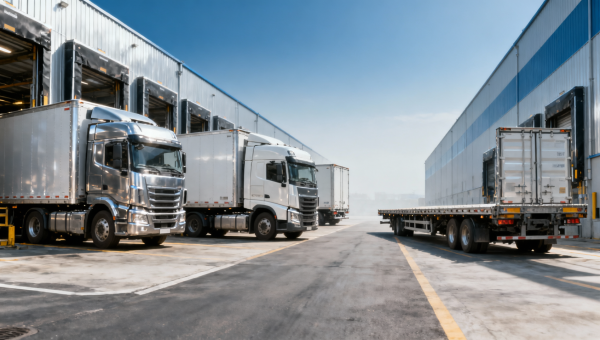
Regional freight networks in 2026 are demanding faster loading cycles, better route adaptability, and lower idle time at depots. As a result, truck container systems are becoming more modular. Buyers increasingly prefer bodies and trailer combinations that can serve 2 to 4 operational purposes instead of a single narrow use case. This is especially visible in logistics hubs handling retail, industrial supply, and municipal distribution within a 300 to 800 km radius.
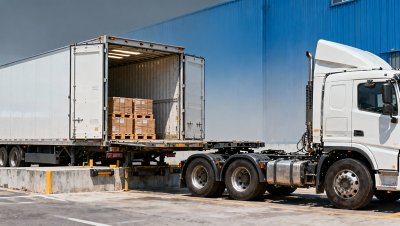
Truck van configurations remain important for dry freight, but demand is shifting toward units with improved door sealing, reinforced flooring, and telematics-ready designs. In parallel, refrigerated truck fleets are growing because food, pharmaceuticals, and temperature-sensitive chemicals require stable transport conditions, often within a range such as -18°C for frozen goods or 2°C to 8°C for chilled cargo. That makes insulation quality and reefer unit compatibility a key evaluation point.
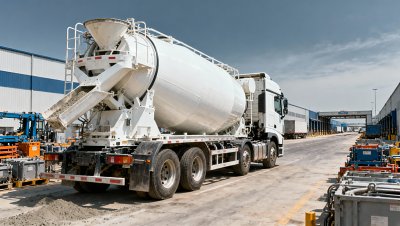
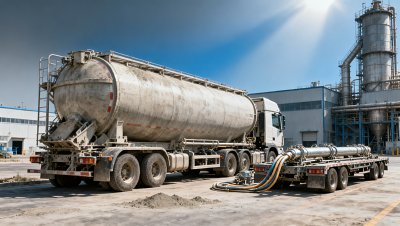
Construction truck demand is also influencing regional equipment planning. Mixer truck, fuel tank truck, and truck mounted crane applications are no longer limited to large urban projects. Smaller regional infrastructure programs, mining support routes, and utility works now require versatile vehicles that can move between paved roads, industrial sites, and temporary project zones. In these scenarios, body durability and chassis matching become as important as engine output.
For distributors and procurement teams, the practical question is how to select equipment that balances payload, serviceability, and route-specific constraints. The answer often begins with defining duty cycles, axle requirements, and local road regulations before comparing suppliers. A truck container solution that looks cost-effective on paper may create hidden costs if body materials, refrigeration capacity, or trailer deck dimensions do not match actual cargo turnover.
Why modularity matters for 2026 procurement
Modularity improves asset utilization. A distributor serving several sectors may need one fleet segment for palletized consumer goods, another for cold chain routes, and a third for project cargo. If chassis platforms, spare parts, and service routines are standardized across those segments, downtime can be reduced and parts stocking can become easier to forecast over a 12- to 24-month period.
- Standardized body interfaces can shorten body replacement or conversion planning cycles.
- Shared components across truck van and refrigerated truck units can reduce spare-part complexity.
- Telematics-ready fleets make route, fuel, and maintenance monitoring easier across mixed applications.
The following comparison helps buyers align common vehicle types with typical regional freight tasks and sourcing priorities.
The key takeaway is that regional freight procurement is becoming configuration-driven. Instead of asking which truck is cheapest, buyers are asking which truck container system delivers the lowest lifecycle friction across loading, maintenance, compliance, and redeployment.
How Refrigerated Truck, Truck Van, and Specialized Bodies Are Redefining Fleet Mix
A major 2026 trend is the diversification of regional fleet composition. Operators are reducing dependence on one body style and building a mixed fleet that covers dry cargo, temperature-controlled goods, fuel delivery, and light project support. This trend reflects changing customer contracts: a regional carrier may handle supermarket replenishment in the morning, industrial components in the afternoon, and last-mile wholesale distribution over the weekend.
Refrigerated truck procurement is rising because supply chains are tightening product quality standards. Even in regional freight, a few hours of temperature deviation can cause cargo loss, rejected deliveries, or compliance issues. Buyers therefore need to compare reefer unit service networks, insulation panel quality, and expected operating cycles. In many practical cases, maintenance checks every 250 to 500 operating hours can be more relevant than only comparing initial purchase cost.
Truck van fleets, meanwhile, are being upgraded with higher-volume body layouts and loading-friendly features such as multi-door access, anti-slip floors, and internal cargo restraint systems. For sectors like e-commerce wholesale, FMCG, and spare parts delivery, these details improve unloading speed and reduce damage claims. On routes with 8 to 15 stops per day, access design can materially affect driver efficiency.
Specialized bodies are also gaining market share. Fuel tank truck demand remains steady in industrial and municipal service regions where fixed-site fuel infrastructure is limited. Mixer truck demand follows decentralized construction activity, while truck mounted crane units are increasingly used by utilities, local contractors, and equipment installers. Each of these body types requires closer attention to chassis-body integration, legal payload, and service capability.
Fleet mix decisions by use case
For commercial buyers, fleet planning should begin with cargo characteristics, stop density, and road conditions. A body type that performs well on flat, urban routes may underperform on rough access roads or in mixed-temperature operations. The matrix below supports a use-case-based approach.
This comparison shows that body selection should follow job design, not just catalog classification. In B2B sourcing, the most resilient fleets are usually those built around repeatable operating patterns and supplier support coverage rather than one-time price advantages.
Common sourcing mistakes in specialized vehicle selection
- Choosing reefer units without confirming local parts availability within 24 to 72 hours.
- Buying a truck van body with insufficient floor load rating for palletized cargo.
- Overlooking legal axle load and turning-radius limits on regional roads.
- Evaluating a mixer truck or fuel tank truck without checking pump, PTO, or auxiliary system compatibility.
Lowbed Trailer and Construction Truck Demand Is Expanding Beyond Traditional Heavy Haul
Lowbed trailer demand in 2026 is not limited to large-scale heavy transport contractors. More regional buyers are using lowbed trailer assets to support rental equipment delivery, agricultural machinery movement, compact excavator transport, and municipal works. This creates a broader market for trailers with balanced deck height, axle capacity, and easy-loading ramps rather than only maximum-tonnage configurations.
Construction truck segments are experiencing a similar expansion. Regional road maintenance, energy installations, and industrial park development all depend on equipment that can carry materials, support lifting tasks, or mix concrete on short notice. In many cases, fleet managers now prefer multi-role construction truck platforms that can be assigned across several project types during a 6- to 12-month planning cycle.
This shift also affects dealer and distributor strategy. Instead of stocking only conventional dump or haulage units, many channel partners are broadening inventory to include lowbed trailer variants, truck mounted crane combinations, and project-oriented chassis options. The goal is to meet demand from contractors who need faster delivery than factory-built special orders can offer, especially when local infrastructure projects launch with short procurement windows.
For commercial buyers, the important point is that overspecification can be as costly as underspecification. A trailer built for extremely heavy cargo may add unnecessary tare weight and reduce flexibility. Conversely, a construction truck chosen only for entry price may fail under repeated load cycles, rough terrain, or PTO-intensive applications.
Selection checklist for project-based transport equipment
- Confirm payload class and deck or body dimensions against the largest 3 to 5 recurring cargo types.
- Review axle configuration and suspension suitability for road quality and loading frequency.
- Check ramp angle, tie-down quantity, and access safety if machinery is loaded daily or weekly.
- Verify hydraulic, crane, or mixer auxiliary system integration before finalizing chassis selection.
- Assess aftersales capacity, spare-part lead time, and service coverage across operating regions.
A practical buying approach is to compare equipment by work cycle rather than generic category. For example, a lowbed trailer used for compact equipment transfers 3 times per week may require a very different specification from one moving larger machines 2 times per month over long-distance industrial routes. The same logic applies to mixer truck and truck mounted crane procurement.
For sourcing through an international B2B platform, buyers should use supplier comparison tools to check available configurations, body-building capability, export readiness, and communication speed. A response gap of even 48 hours during quotation rounds can slow project procurement, especially when multiple equipment types must be purchased together.
What Procurement Teams Should Evaluate Before Comparing Suppliers
In a market shaped by truck container flexibility and specialized body demand, procurement cannot rely on headline quotations alone. Buyers need a structured evaluation model that covers technical fit, commercial terms, delivery timing, and service responsiveness. This is particularly important when sourcing through global channels, where two suppliers may offer similar-looking equipment but very different lifecycle support conditions.
A strong procurement review typically includes at least 4 dimensions: operational suitability, compliance readiness, total service cost, and supplier communication reliability. For example, a refrigerated truck with a competitive ex-works price may become a risky option if reefer parts require 4 to 6 weeks of lead time. A lowbed trailer may appear attractive until local axle compliance or ramp usability is checked.
Distributors and agents should also evaluate supplier consistency. The ability to provide drawings, body specifications, packing details, and spare-part lists in a timely manner often signals whether a manufacturer is prepared for international B2B cooperation. Clear documentation can reduce disputes during inspection, customs handling, and aftermarket support.
The table below presents a practical framework that buyers can adapt when sourcing truck van, refrigerated truck, construction truck, or lowbed trailer units from multiple suppliers.
For B2B buyers, the conclusion is straightforward: a supplier should be evaluated as a delivery partner, not only as a product source. Consistency in communication, configuration accuracy, and service follow-up often determines whether the purchase performs well after handover.
Useful procurement signals on a digital industry platform
- Breadth of product categories, including chassis, complete trucks, trailers, and spare parts.
- Responsiveness during quotation, technical clarification, and revision stages.
- Availability of market insights and buying guides that help compare options objectively.
- Supplier visibility across multiple applications such as logistics, mining, and infrastructure support.
Implementation, Risk Control, and FAQ for 2026 Buyers
Once the right truck container or specialized vehicle category has been identified, the next challenge is implementation. Delays often happen between quotation approval and equipment delivery because specification details are not frozen early enough. For regional freight projects, buyers should build a 5-step implementation path covering requirement definition, technical confirmation, order review, pre-shipment inspection, and service planning.
Risk control is especially important when fleets include mixed assets such as refrigerated truck units, truck van bodies, lowbed trailer platforms, and truck mounted crane configurations. These vehicles require different spare parts, driver training needs, and preventive maintenance routines. A practical service plan should define who handles chassis maintenance, body maintenance, and auxiliary equipment support, with target response times such as 24, 48, or 72 hours depending on route criticality.
Buyers should also document acceptance criteria before shipment. For example, a refrigerated truck may need temperature pull-down verification, while a lowbed trailer may require ramp function checks, weld inspection, and dimensional confirmation. Construction truck and mixer truck deliveries should include PTO and hydraulic system validation. These checks reduce the risk of disputes and make cross-border transactions more predictable.
The value of a professional heavy truck B2B platform becomes clear here. A platform that aggregates manufacturers, suppliers, distributors, buyers, market insights, and category-specific guides can shorten supplier screening time and improve sourcing transparency. For information researchers, procurement managers, and business evaluators, that means better comparison quality and faster decision cycles.
A practical 5-step implementation flow
- Define route profile, cargo type, payload range, and operating frequency.
- Match chassis, body, and trailer configuration to the actual application.
- Confirm drawings, dimensions, lead time, and spare-part scope in writing.
- Carry out inspection before shipment or at dispatch readiness stage.
- Prepare driver training, preventive maintenance, and service escalation contacts.
How do buyers choose between truck van and refrigerated truck for regional distribution?
The choice depends first on cargo sensitivity. If products require a controlled range such as 2°C to 8°C or frozen transport below -18°C, a refrigerated truck is necessary. If cargo is dry, palletized, and stop-intensive, a truck van with strong floor load rating and efficient door access usually offers better operating economy.
What is a reasonable lead time for specialized vehicles in 2026?
Typical lead times vary by configuration complexity. Standard truck van units may fit within 30 to 60 days, while refrigerated truck, lowbed trailer, or truck mounted crane orders can extend to 45 to 90 days depending on body-building scope, parts availability, and export scheduling. Buyers should confirm whether quoted lead times include documentation and inspection stages.
Which indicators matter most when comparing suppliers?
Four indicators are especially useful: configuration accuracy, delivery predictability, documentation quality, and aftersales responsiveness. Price remains important, but in regional freight operations, downtime and mismatch costs can quickly outweigh a modest upfront saving.
In 2026, truck container trends are reshaping regional freight through modular design, mixed-fleet planning, and stronger demand for specialized bodies such as refrigerated truck, mixer truck, fuel tank truck, lowbed trailer, and truck mounted crane solutions. For buyers and channel partners, the best results come from matching equipment to real duty cycles, checking supplier capability beyond product catalogs, and planning service support early. To explore qualified suppliers, compare configurations, and get more targeted sourcing insight across the heavy truck supply chain, contact us today to discuss your requirements or request a tailored solution.
Trending News
- China's MW-Class Hydrogen Aviation Turboprop Engine First Flight
- Oil Prices Rise, Airlines Cut Capacity, Land Freight Costs Pressure
- Henan's 2026 Key Projects List: RMB 1 Trillion Investment Drives Heavy-Duty & Special Vehicle Demand
- Guangxi Xijiang Waterway Enforces Zero Discharge for Vessel Pollutants
- China Accelerates Low-Altitude Economy Clusters, Boosting Demand for Smart Airport Tugs
Tag
Recommended News
 Logistics & FreightChengdu Heavy-Load Transport Restriction on Apr 21, 2026 Affects Export LogisticsChengdu heavy-load transport restriction on Apr 21, 2026 disrupts export logistics for truck chassis & rail freight—key insights & mitigation strategies.
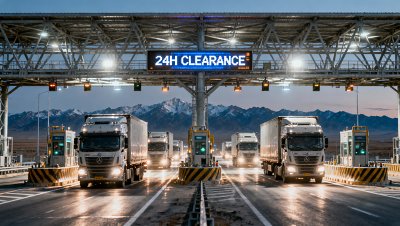
 Logistics & FreightErenhot Highway Port Launches 24-Hour Freight ClearanceErenhot Highway Port now offers 24-hour freight clearance—boosting efficiency for heavy vehicle exporters, cold-chain equipment makers, and Eurasian corridor logistics providers.
 Logistics & FreightXinjiang Accelerates 170 Highway Projects to Boost China-Central Asia Heavy-Duty Truck RoutesXinjiang's 170 highway projects boost China-Central Asia heavy-duty truck routes—faster transit, all-weather reliability, and smarter logistics for freight forwarders & trucking operators.
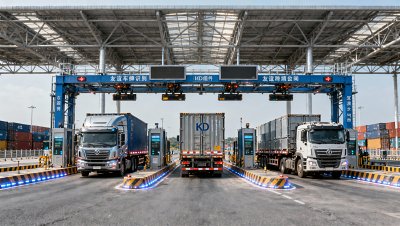
 to Begin Trial Operation in April 2026") Logistics & FreightFriendship Pass Cross-Border Smart Port (China Side) to Begin Trial Operation in April 2026Friendship Pass Cross-Border Smart Port (China Side) launches trial operation in April 2026—enabling 24-hour customs clearance and under-24h Nanning–Bac Ninh road freight for heavy-duty trucks, NEVs, and KD kits.
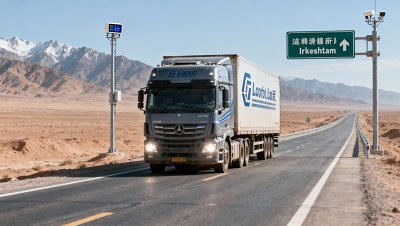
Logistics & FreightFriendship Pass Cross-Border Smart Port (China Side) to Begin Trial Operation in April 2026Friendship Pass Cross-Border Smart Port (China Side) launches trial operation in April 2026—enabling 24-hour customs clearance and under-24h Nanning–Bac Ninh road freight for heavy-duty trucks, NEVs, and KD kits. Logistics & FreightIrkeshtam Port 24-Hour Freight Clearance Hits 1243 Trucks/DayIrkeshtam Port 24-hour freight clearance hits 1,243 trucks/day — faster border transit for heavy-duty trucks, KD kits & chassis exporters to Central Asia.
 Logistics & FreightTemporary Parking Arrangement for Trailers During Canton Fair 2026 Affects Export LogisticsLearn how the temporary parking arrangement for trailers during Canton Fair 2026 will impact export logistics, affecting trailer manufacturers, export traders, and freight forwarders. Plan ahead for smoother operations.
 Logistics & FreightShandong Port's New 150,000-ton Multipurpose Terminal Boosts Heavy Vehicle ExportsShandong Port's new 150,000-ton multipurpose terminal boosts heavy vehicle exports, enhancing logistics for manufacturers and global trade. Learn how this upgrade impacts industries and creates new opportunities.
 Logistics & FreightDongguan's Daoyun Waterway Transport Restrictions Impact South China Land LogisticsDongguan's Daoyun Waterway transport restrictions from April 7-10, 2026 will delay South China land logistics by 1-2 days. Learn how this impacts heavy equipment, construction materials & global supply chains, plus actionable contingency plans.
 Logistics & FreightYangtze River航道尺度上调释放滚装船运力Yangtze River航道尺度上调 boosts ro-ro ship capacity, enhancing heavy vehicle transport efficiency from Yibin to Chongqing. Key benefits for automotive logistics & heavy equipment exporters from China's inland hubs.
 Logistics & FreightYangtze River航道尺度上调释放滚装船运力Yangtze River航道尺度上调释放滚装船运力,2026年4月起Yibin-Chongqing段升级,提升15-20%装载量,降低重型设备出口成本$80-$120/TEU。优化物流方案选择,关注最新航道标准与运费报价。
 Logistics & FreightDongguan's Daoyun Waterway Transport Control Impacts South China Land LogisticsDongguan's Daoyun Waterway transport control from April 7-10, 2026 disrupts South China land logistics, impacting export manufacturers and specialized vehicle transport. Learn contingency plans for this critical supply chain bottleneck.
 Logistics & FreightChina Launches New Freight Hub Upgrade with Focus on Multimodal Transport EquipmentChina's new freight hub upgrade focuses on multimodal transport equipment, enhancing rail-road vehicles, swap bodies & smart containers for global standards. Key for manufacturers, logistics & international buyers.
 Logistics & FreightTemporary Traffic Control in Dongguan's Daoyun Waterway Impacts South China Land Transport LogisticsTemporary traffic control in Dongguan's Daoyun Waterway from April 7-10, 2026 will impact South China land transport logistics, causing 1-3 day delays for automotive exports and port operations. Learn how to mitigate supply chain disruptions.
 Logistics & FreightTemporary Traffic Control in Dongguan's Daoyun Waterway Impacts Land Logistics in South ChinaTemporary traffic control in Dongguan's Daoyun Waterway (April 7-10, 2026) disrupts South China land logistics, causing delays for heavy transport equipment exports. Learn mitigation strategies for affected industries.
 Logistics & FreightDongguan's Daoyun Waterway Temporary Traffic Control Impacts South China Land LogisticsDongguan's Daoyun Waterway traffic control from April 7-10, 2026 will impact South China land logistics, causing delays for export manufacturing and increasing trucking demand. Learn how to mitigate supply chain disruptions.
 Logistics & FreightDongguan's Daoyun Waterway Temporary Control Impacts South China LogisticsDongguan's Daoyun Waterway temporary control from April 7-10, 2026 impacts South China logistics, causing 1-2 day delays. Export manufacturers, logistics providers & supply chains must adjust routes and schedules. Learn mitigation strategies.
 Logistics & FreightDongguan's Daoyun Waterway Imposes Steel Beam Transport Restrictions from April 7, Affecting Land Logistics EfficiencyDongguan's Daoyun Waterway steel beam transport restrictions from April 7-10, 2026 will impact Guangzhou-Shenzhen Expressway logistics. Learn how manufacturing exporters and 3PLs can mitigate delays during this critical post-Qingming shipment period.
 Logistics & FreightMixer Truck Capacity Guide for Concrete Delivery PlanningMixer truck capacity guide for smarter concrete delivery planning. Compare construction truck options, lowbed trailer support, truck mounted crane coordination, and sourcing tips to cut costs and improve fleet efficiency.
 Logistics & FreightTruck Container Trends Reshaping Regional Freight in 2026Truck container trends in 2026 are transforming regional freight, from refrigerated truck and truck van fleets to construction truck and lowbed trailer sourcing. Explore smarter fleet strategies now.
 Logistics & FreightWhy Mixer Truck Delivery Efficiency Depends on Route PlanningMixer truck efficiency starts with smart route planning. Compare construction truck, lowbed trailer, truck mounted crane and refrigerated truck solutions to cut costs and boost fleet productivity.
 Logistics & FreightTruck Cement Bulk Order Planning Gets Harder With Freight VolatilityTruck trailer for sale strategies now demand smarter truck cement bulk order planning. Compare truck trailer price, semi trailer supplier options, and truck cement sourcing tips to cut risk.
 Logistics & FreightTruck Cement Sourcing Problems That Delay Delivery SchedulesTruck cement sourcing issues can raise truck cement price, truck trailer price, and semi trailer price while delaying delivery. Learn how to choose a reliable semi trailer supplier for bulk orders.
 Logistics & FreightTruck tipper price isn’t just about size — payload distribution changes everythingDump truck price & truck tipper price depend on payload distribution—not just size. Compare verified dump truck for sale, semi trailer for sale, and more with real axle load data.
 Logistics & FreightVan Trailer Size Mistakes That Lead to Costly ReworkVan trailer sizing mistakes can cause costly rework and delays. Compare van trailer, stake trailer, and gooseneck trailer options with a trusted flatbed trailer supplier and heavy truck parts manufacturer.
 Logistics & FreightHunan Launches 'Three-Vertical, Five-Horizontal' Freight Network with Dedicated Heavy-Truck LanesHeavy-truck lanes & AI scheduling in Hunan’s 'three-vertical, five-horizontal' freight network boost port reliability for exporters, OEMs, and forwarders.