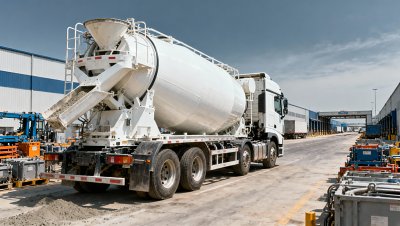
Mixer Truck Capacity Guide for Concrete Delivery Planning
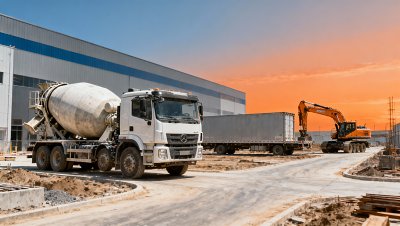
Choosing the right mixer truck capacity is one of the fastest ways to improve concrete delivery efficiency, reduce waste, and keep construction schedules on track. For buyers evaluating equipment for infrastructure, municipal, and building projects, the best capacity is not simply the largest drum available. It depends on pour volume, haul distance, site access, road limits, unloading speed, and fleet coordination. When concrete logistics are planned together with supporting equipment such as a lowbed trailer, truck mounted crane, and truck loader, project teams can make more accurate purchasing and deployment decisions.
For most buyers, the practical question is this: what mixer truck capacity delivers the best balance between payload, transport efficiency, operating cost, and project fit? The answer usually comes from matching drum volume and legal payload to actual jobsite conditions rather than choosing by headline specification alone. This guide explains how to assess mixer truck capacity, what trade-offs matter most, and how procurement teams can compare suppliers with greater confidence.
How to choose the right mixer truck capacity for concrete delivery planning
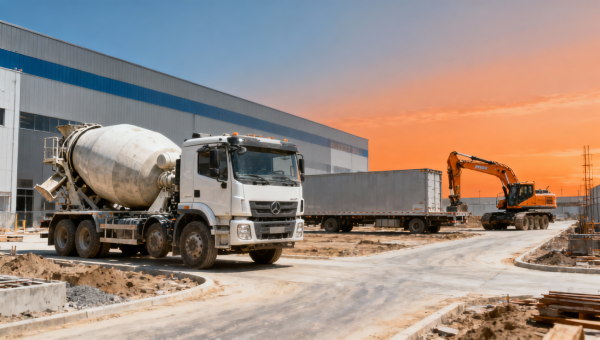
When users search for a mixer truck capacity guide, their core intent is usually commercial and practical. They want to understand which truck size is suitable for a certain project, how many trips will be required, what transport limitations may apply, and whether a specific model will improve delivery efficiency. For procurement teams and business evaluators, the goal is not technical knowledge alone; it is better purchasing judgment.
In real buying scenarios, the most useful starting point is to evaluate five variables together:
- Required concrete volume per day or per pour
- Distance between batching plant and jobsite
- Road regulations and gross vehicle weight limits
- Jobsite entry conditions, turning radius, and unloading space
- Coordination with other transport and lifting equipment
A larger mixer truck may reduce the number of trips, but it is not automatically the better option. If roads are restricted, jobsite access is narrow, or unloading queues are long, a high-capacity truck may create delays rather than savings. On the other hand, if the project requires continuous concrete supply for large pours, a higher-capacity model can reduce fleet pressure and improve batching efficiency.
What mixer truck capacity options are most common in the market
Mixer truck capacity is often discussed in cubic meters, but buyers should remember that nominal drum volume and actual transportable concrete volume may differ. Common market ranges include:
- Small mixer trucks: around 3–6 m³, often used in urban works, narrow sites, repair work, and smaller municipal projects
- Medium mixer trucks: around 6–8 m³, suitable for many commercial building and infrastructure delivery tasks
- Large mixer trucks: around 8–12 m³ or more, commonly selected for higher-volume transport where route and weight conditions permit
For many buyers, medium and large capacity trucks are the main comparison categories. However, capacity selection should not rely on drum size alone. Chassis strength, axle configuration, engine power, transmission matching, and local compliance rules all affect how much concrete the truck can legally and efficiently carry.
For example, in some markets, a nominal 10 m³ mixer may not be able to operate at full practical loading under certain road weight restrictions. That means a buyer comparing trucks only by advertised drum volume could overestimate actual delivery performance.
Which factors have the biggest impact on actual delivery efficiency
Buyers and project planners often focus first on truck capacity, but field efficiency depends on a broader set of operating conditions. The following factors usually have the greatest impact:
1. Haul distance and cycle time
If the batching plant is far from the site, round-trip time increases. In these cases, larger capacity can help reduce total trips. But if travel time is short and jobsite unloading is slow, a larger fleet of medium-capacity trucks may perform better than a smaller fleet of large trucks.
2. Road conditions and legal payload limits
Bridge limits, axle load regulations, mountain routes, and urban restrictions can all reduce the practical advantage of larger drums. Procurement teams should always verify local transport compliance before finalizing capacity assumptions.
3. Concrete type and slump requirements
Different concrete mixes behave differently in transit. Delivery planning for ready-mix concrete with strict quality requirements may call for tighter control of rotation speed, discharge timing, and trip duration. In these cases, consistency of operation can matter as much as nominal capacity.
4. Jobsite unloading conditions
Sites with limited staging space, narrow entrances, or multiple subcontractors often experience congestion. If trucks must wait to discharge, oversized units can create traffic and reduce overall site productivity.
5. Fleet coordination with other equipment
Concrete logistics often connect with a wider equipment chain. A lowbed trailer may be used to move supporting construction machinery, a truck mounted crane may assist with site setup or material handling, and a truck loader may support related loading tasks. When fleet deployment is planned as one system rather than isolated vehicle purchases, buyers can improve equipment utilization and reduce downtime.
How to calculate the mixer truck capacity you actually need
A simple planning method can help buyers move from general interest to realistic equipment selection.
Step 1: Estimate total concrete demand
Start with the expected pour volume per day, per shift, or per project phase. For example, if a site needs 120 m³ in one continuous operation, this becomes the baseline demand.
Step 2: Estimate effective load per trip
Do not use drum size alone. Use the expected legal and practical concrete load based on chassis, route restrictions, and mix density.
Step 3: Calculate round-trip cycle time
Include loading, transit, waiting, discharge, cleaning, and return time. This is often where planning errors occur.
Step 4: Determine trips required
Divide total volume by effective load per trip. Then compare the result against cycle time and pouring schedule.
Step 5: Add a reliability margin
Allow for traffic, plant delays, site congestion, weather, and maintenance interruptions. Concrete delivery plans that look efficient on paper can fail if no buffer is included.
Example: If a project needs 120 m³, and a truck can effectively carry 8 m³ per trip, at least 15 trips are required. If one full cycle takes 90 minutes, the planner can then estimate how many trucks are needed to maintain uninterrupted supply. This is far more useful than choosing a truck simply because it has a larger drum.
What procurement teams should compare when evaluating mixer trucks
For B2B buyers, the key concern is not only capacity but total purchasing value. A better procurement decision usually comes from comparing these points:
- Drum capacity vs effective payload
- Chassis brand, axle layout, and load-bearing reliability
- Engine power and fuel economy under full load
- Hydraulic system and drum performance stability
- Discharge efficiency and maintenance accessibility
- Spare parts availability in target market
- After-sales support and technical service response
- Compliance with local transport and emissions requirements
Dealers, distributors, and sourcing managers should also consider whether the supplier can support multiple product categories. Buyers working across construction transport projects may prefer partners that can provide mixer trucks alongside lowbed trailer solutions, truck mounted crane options, truck loader models, spare parts, and related heavy-duty vehicle resources. This can simplify supplier management and improve long-term purchasing efficiency.
When smaller mixer trucks make more sense than larger ones
Some buyers assume that higher capacity always lowers cost per cubic meter. In practice, smaller mixer trucks can be the better choice in several situations:
- Urban construction sites with restricted road access
- Projects with frequent small-batch pours
- Markets with strict axle load limits
- Sites where unloading space is limited
- Operations requiring more flexible dispatching across multiple locations
For dealers and distributors, this matters because product-market fit influences sales success. Stocking or promoting only high-capacity mixer trucks may not match the needs of municipal contractors, urban builders, or smaller infrastructure operators.
How to reduce risk when sourcing mixer trucks internationally
International buyers often face uncertainty around product specification accuracy, supplier capability, regulatory fit, and post-sale support. To reduce sourcing risk, buyers should ask for:
- Detailed vehicle and drum specifications
- Chassis origin and component brand information
- Payload and axle configuration data
- Photos or videos of production and finished units
- Export market references or case studies
- Spare parts support commitment
- Warranty terms and service process details
- Compliance documents for destination market requirements
A professional B2B heavy truck platform can help buyers compare these factors more efficiently by giving access to supplier directories, product categories, market information, and industry sourcing resources in one place. This is especially valuable for procurement teams assessing multiple construction transport products across different project applications.
Final decision framework for buyers and project planners
If you are selecting a mixer truck for concrete delivery planning, the best decision usually follows this logic:
- Define actual project delivery volume and schedule
- Check route, site, and legal transport limitations
- Estimate effective, not theoretical, per-trip capacity
- Compare cycle time and fleet coordination needs
- Review total ownership value, not just purchase price
- Choose suppliers with reliable support and relevant export experience
In short, mixer truck capacity should be treated as an operational planning variable, not just a specification on a brochure. The right truck is the one that keeps concrete moving efficiently, fits local transport realities, supports project timing, and delivers dependable long-term value.
For buyers, distributors, and commercial evaluators in the heavy transport and construction equipment market, understanding this relationship between capacity, route conditions, site efficiency, and supplier reliability leads to smarter decisions. A well-matched mixer truck can improve delivery performance, control costs, and strengthen the overall effectiveness of a construction fleet.
Trending News
- China's MW-Class Hydrogen Aviation Turboprop Engine First Flight
- Oil Prices Rise, Airlines Cut Capacity, Land Freight Costs Pressure
- Henan's 2026 Key Projects List: RMB 1 Trillion Investment Drives Heavy-Duty & Special Vehicle Demand
- Guangxi Xijiang Waterway Enforces Zero Discharge for Vessel Pollutants
- China Accelerates Low-Altitude Economy Clusters, Boosting Demand for Smart Airport Tugs
Tag
Recommended News
 Logistics & FreightChengdu Heavy-Load Transport Restriction on Apr 21, 2026 Affects Export LogisticsChengdu heavy-load transport restriction on Apr 21, 2026 disrupts export logistics for truck chassis & rail freight—key insights & mitigation strategies.
 Logistics & FreightErenhot Highway Port Launches 24-Hour Freight ClearanceErenhot Highway Port now offers 24-hour freight clearance—boosting efficiency for heavy vehicle exporters, cold-chain equipment makers, and Eurasian corridor logistics providers.
 Logistics & FreightXinjiang Accelerates 170 Highway Projects to Boost China-Central Asia Heavy-Duty Truck RoutesXinjiang's 170 highway projects boost China-Central Asia heavy-duty truck routes—faster transit, all-weather reliability, and smarter logistics for freight forwarders & trucking operators.
 to Begin Trial Operation in April 2026") Logistics & FreightFriendship Pass Cross-Border Smart Port (China Side) to Begin Trial Operation in April 2026Friendship Pass Cross-Border Smart Port (China Side) launches trial operation in April 2026—enabling 24-hour customs clearance and under-24h Nanning–Bac Ninh road freight for heavy-duty trucks, NEVs, and KD kits.
Logistics & FreightFriendship Pass Cross-Border Smart Port (China Side) to Begin Trial Operation in April 2026Friendship Pass Cross-Border Smart Port (China Side) launches trial operation in April 2026—enabling 24-hour customs clearance and under-24h Nanning–Bac Ninh road freight for heavy-duty trucks, NEVs, and KD kits. Logistics & FreightIrkeshtam Port 24-Hour Freight Clearance Hits 1243 Trucks/DayIrkeshtam Port 24-hour freight clearance hits 1,243 trucks/day — faster border transit for heavy-duty trucks, KD kits & chassis exporters to Central Asia.
 Logistics & FreightTemporary Parking Arrangement for Trailers During Canton Fair 2026 Affects Export LogisticsLearn how the temporary parking arrangement for trailers during Canton Fair 2026 will impact export logistics, affecting trailer manufacturers, export traders, and freight forwarders. Plan ahead for smoother operations.
 Logistics & FreightShandong Port's New 150,000-ton Multipurpose Terminal Boosts Heavy Vehicle ExportsShandong Port's new 150,000-ton multipurpose terminal boosts heavy vehicle exports, enhancing logistics for manufacturers and global trade. Learn how this upgrade impacts industries and creates new opportunities.
 Logistics & FreightDongguan's Daoyun Waterway Transport Restrictions Impact South China Land LogisticsDongguan's Daoyun Waterway transport restrictions from April 7-10, 2026 will delay South China land logistics by 1-2 days. Learn how this impacts heavy equipment, construction materials & global supply chains, plus actionable contingency plans.
 Logistics & FreightYangtze River航道尺度上调释放滚装船运力Yangtze River航道尺度上调 boosts ro-ro ship capacity, enhancing heavy vehicle transport efficiency from Yibin to Chongqing. Key benefits for automotive logistics & heavy equipment exporters from China's inland hubs.
 Logistics & FreightYangtze River航道尺度上调释放滚装船运力Yangtze River航道尺度上调释放滚装船运力,2026年4月起Yibin-Chongqing段升级,提升15-20%装载量,降低重型设备出口成本$80-$120/TEU。优化物流方案选择,关注最新航道标准与运费报价。
 Logistics & FreightDongguan's Daoyun Waterway Transport Control Impacts South China Land LogisticsDongguan's Daoyun Waterway transport control from April 7-10, 2026 disrupts South China land logistics, impacting export manufacturers and specialized vehicle transport. Learn contingency plans for this critical supply chain bottleneck.
 Logistics & FreightChina Launches New Freight Hub Upgrade with Focus on Multimodal Transport EquipmentChina's new freight hub upgrade focuses on multimodal transport equipment, enhancing rail-road vehicles, swap bodies & smart containers for global standards. Key for manufacturers, logistics & international buyers.
 Logistics & FreightTemporary Traffic Control in Dongguan's Daoyun Waterway Impacts South China Land Transport LogisticsTemporary traffic control in Dongguan's Daoyun Waterway from April 7-10, 2026 will impact South China land transport logistics, causing 1-3 day delays for automotive exports and port operations. Learn how to mitigate supply chain disruptions.
 Logistics & FreightTemporary Traffic Control in Dongguan's Daoyun Waterway Impacts Land Logistics in South ChinaTemporary traffic control in Dongguan's Daoyun Waterway (April 7-10, 2026) disrupts South China land logistics, causing delays for heavy transport equipment exports. Learn mitigation strategies for affected industries.
 Logistics & FreightDongguan's Daoyun Waterway Temporary Traffic Control Impacts South China Land LogisticsDongguan's Daoyun Waterway traffic control from April 7-10, 2026 will impact South China land logistics, causing delays for export manufacturing and increasing trucking demand. Learn how to mitigate supply chain disruptions.
 Logistics & FreightDongguan's Daoyun Waterway Temporary Control Impacts South China LogisticsDongguan's Daoyun Waterway temporary control from April 7-10, 2026 impacts South China logistics, causing 1-2 day delays. Export manufacturers, logistics providers & supply chains must adjust routes and schedules. Learn mitigation strategies.
 Logistics & FreightDongguan's Daoyun Waterway Imposes Steel Beam Transport Restrictions from April 7, Affecting Land Logistics EfficiencyDongguan's Daoyun Waterway steel beam transport restrictions from April 7-10, 2026 will impact Guangzhou-Shenzhen Expressway logistics. Learn how manufacturing exporters and 3PLs can mitigate delays during this critical post-Qingming shipment period.
 Logistics & FreightMixer Truck Capacity Guide for Concrete Delivery PlanningMixer truck capacity guide for smarter concrete delivery planning. Compare construction truck options, lowbed trailer support, truck mounted crane coordination, and sourcing tips to cut costs and improve fleet efficiency.
 Logistics & FreightTruck Container Trends Reshaping Regional Freight in 2026Truck container trends in 2026 are transforming regional freight, from refrigerated truck and truck van fleets to construction truck and lowbed trailer sourcing. Explore smarter fleet strategies now.
 Logistics & FreightWhy Mixer Truck Delivery Efficiency Depends on Route PlanningMixer truck efficiency starts with smart route planning. Compare construction truck, lowbed trailer, truck mounted crane and refrigerated truck solutions to cut costs and boost fleet productivity.
 Logistics & FreightTruck Cement Bulk Order Planning Gets Harder With Freight VolatilityTruck trailer for sale strategies now demand smarter truck cement bulk order planning. Compare truck trailer price, semi trailer supplier options, and truck cement sourcing tips to cut risk.
 Logistics & FreightTruck Cement Sourcing Problems That Delay Delivery SchedulesTruck cement sourcing issues can raise truck cement price, truck trailer price, and semi trailer price while delaying delivery. Learn how to choose a reliable semi trailer supplier for bulk orders.
 Logistics & FreightTruck tipper price isn’t just about size — payload distribution changes everythingDump truck price & truck tipper price depend on payload distribution—not just size. Compare verified dump truck for sale, semi trailer for sale, and more with real axle load data.
 Logistics & FreightVan Trailer Size Mistakes That Lead to Costly ReworkVan trailer sizing mistakes can cause costly rework and delays. Compare van trailer, stake trailer, and gooseneck trailer options with a trusted flatbed trailer supplier and heavy truck parts manufacturer.
 Logistics & FreightHunan Launches 'Three-Vertical, Five-Horizontal' Freight Network with Dedicated Heavy-Truck LanesHeavy-truck lanes & AI scheduling in Hunan’s 'three-vertical, five-horizontal' freight network boost port reliability for exporters, OEMs, and forwarders.