What Raises Refrigerated Truck Operating Costs Most
For fleet buyers, distributors, and market researchers, the biggest drivers of refrigerated truck operating costs are usually not a single line item but the interaction between fuel consumption, refrigeration unit workload, maintenance frequency, insulation quality, route conditions, and parts availability. In practice, poor thermal efficiency and unreliable refrigeration systems often raise total operating cost faster than buyers expect, especially in multi-stop urban delivery, hot-climate transport, and cross-border operations. For companies comparing suppliers or evaluating truck specifications, the real question is not only “What costs the most?” but “Which cost drivers stay high over the truck’s working life, and which can be reduced through better equipment selection?”
What actually raises refrigerated truck operating costs the most?
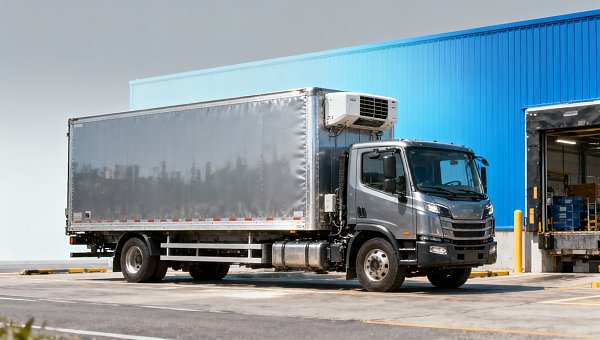
The short answer is this: fuel and refrigeration-related energy demand usually represent the largest direct operating burden, while maintenance, thermal loss, and downtime often become the biggest hidden cost multipliers.
Many buyers initially focus on the truck purchase price, but refrigerated truck economics are decided over years of use. A lower upfront price can quickly lose its advantage if the vehicle has weak insulation, an inefficient refrigeration unit, poor component reliability, or limited access to replacement parts. For procurement teams and distributors, this is why total cost of ownership matters more than sticker price.
In most operating scenarios, the main cost drivers include:
- Fuel consumption of the base vehicle, especially on long-distance or high-frequency routes
- Fuel or power consumption of the refrigeration unit, particularly when frequent door openings force the unit to work harder
- Maintenance and repair costs for both the truck chassis and cold-chain equipment
- Insulation performance loss, which increases refrigeration workload over time
- Downtime and cargo risk caused by refrigeration failure or unstable temperature control
- Parts sourcing difficulty, especially for imported units or less common brands
For commercial buyers, the largest cost is often the one that continues every day in operation. That is why energy efficiency, thermal stability, and service support usually matter more than cosmetic configuration differences.
Why fuel and refrigeration energy use usually dominate the cost structure
When companies ask what raises refrigerated truck operating costs most, fuel is still one of the first and most important answers. Refrigerated trucks carry the same basic operating expenses as other commercial vehicles, but they also power a temperature-control system that runs continuously or intermittently depending on cargo type, ambient temperature, stop frequency, and loading behavior.
This creates a double energy burden:
- The truck engine consumes fuel to move the vehicle and cargo
- The refrigeration unit consumes additional fuel or power to maintain target temperature
In hot weather, under heavy payload, or in urban distribution with repeated unloading, refrigeration demand rises sharply. Every door opening allows warm air to enter, forcing the unit to cycle more often. Over time, this has a major effect on operating cost.
For buyers comparing different refrigerated truck models, important questions include:
- What is the average fuel consumption under loaded cold-chain conditions, not just standard road test conditions?
- How efficient is the refrigeration unit at different ambient temperatures?
- Does the truck use standby electric operation when parked, reducing fuel burn?
- How much do route profile and stop frequency affect real-world consumption?
A truck serving frozen food delivery in dense urban areas may cost significantly more to operate than one transporting chilled products on stable highway routes, even if both vehicles have similar payload ratings.
How insulation quality quietly increases long-term operating cost
Insulation is one of the most underestimated factors in refrigerated truck operating cost. Many buyers focus on engine brand, refrigeration unit model, or payload capacity, but the box body’s thermal performance often determines how hard the refrigeration system must work every day.
If insulation quality is poor, or if construction joints, door seals, and panel integrity degrade over time, cold air escapes and external heat enters more easily. This leads to:
- Higher refrigeration energy consumption
- Longer pull-down time to reach required temperature
- More compressor workload and faster wear
- Greater temperature fluctuation risk for sensitive cargo
For procurement professionals, this means a cheaper body structure may create much higher lifetime cost. Better insulation materials, stronger panel bonding, durable door sealing systems, and higher manufacturing consistency can reduce operating expense over the full service life of the truck.
When evaluating suppliers, ask for more than marketing claims. Look for information on:
- Insulation material type and density
- Panel thickness and thermal performance data
- Door seal durability
- Body construction quality and leakage resistance
- Long-term performance in hot, humid, or high-cycle delivery conditions
This is especially important for international buyers sourcing vehicles for regions with extreme temperatures or limited maintenance infrastructure.
Why maintenance and downtime can cost more than expected
Maintenance is another major contributor, and in many fleets it becomes the most difficult cost to control. A refrigerated truck has more systems than a standard cargo truck: engine, transmission, axle, braking system, electrical system, insulated body, refrigeration compressor, condenser, evaporator, controls, and sensors. More systems mean more maintenance points and more opportunities for failure.
The cost problem is not only repair expense. It is also lost utilization. When a refrigerated truck is out of service, the business may face:
- Delivery interruption
- Emergency repair fees
- Spoilage or cargo claims
- Customer dissatisfaction
- Need for backup vehicle allocation
This is why fleet managers and procurement teams should evaluate reliability and serviceability together. A lower-cost refrigeration unit with limited service network support may become expensive very quickly if spare parts are slow to obtain or technicians are not locally available.
For distributors and agents, aftersales support is often a key sales argument. Buyers increasingly want to know:
- How often does the refrigeration system require scheduled service?
- Are spare parts standardized and easy to source?
- Is technical support available in export markets?
- How long is typical repair downtime?
- Are diagnostics simple or dependent on proprietary tools?
What operating conditions make costs rise fastest?
Not all refrigerated truck applications create the same cost profile. Some usage scenarios push operating costs much higher than average. This is critical for business evaluation because a truck that performs well in one environment may become expensive in another.
The highest-cost scenarios usually include:
- Multi-stop urban delivery, due to idling, traffic, and frequent door opening
- High ambient temperature regions, where the refrigeration unit runs harder and longer
- Frozen cargo transport, which requires lower temperature setpoints than chilled goods
- Poor road conditions, which accelerate wear on chassis, body, and refrigeration mounts
- Cross-border or remote operations, where service access and parts availability are limited
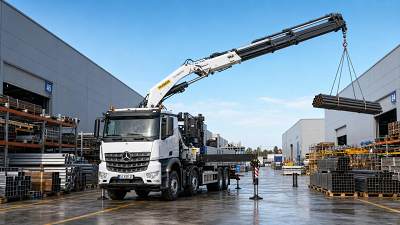
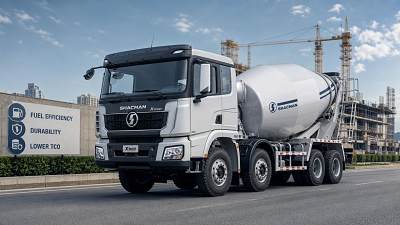
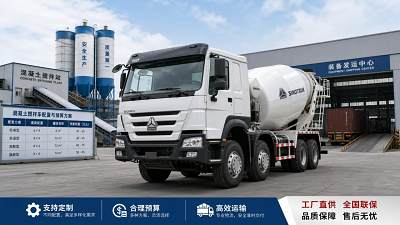
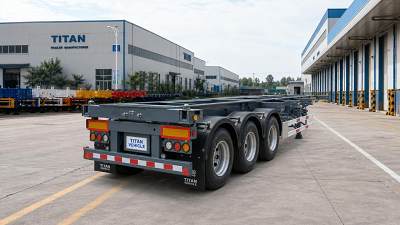
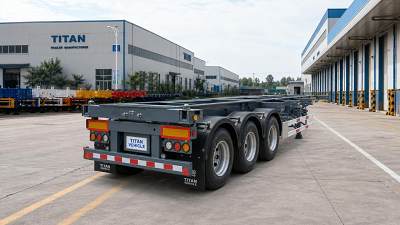
These factors matter not only to cold-chain operators but also to broader commercial vehicle market participants. Buyers who already compare equipment across segments such as construction truck, mixer truck, lowbed trailer, or truck mounted crane should understand that refrigerated trucks are even more sensitive to duty-cycle mismatch. The wrong specification for the route can sharply increase fuel use, maintenance demand, and operating risk.
How parts sourcing and supplier support affect total cost of ownership
For international procurement teams, operating cost is strongly influenced by the supply chain behind the vehicle. Even a technically good refrigerated truck can become expensive if filters, compressors, sensors, controllers, door hardware, or insulation repair materials are difficult to obtain.
This is where B2B sourcing decisions become strategic. Buyers should assess not only the vehicle itself but also the supplier ecosystem around it. Strong supplier support can reduce cost through:
- Faster spare parts delivery
- Clear maintenance documentation
- Wider service coverage
- Better warranty response
- More predictable lifecycle planning
For distributors, this also affects resale confidence. Trucks backed by stronger parts channels and recognized refrigeration brands are often easier to position in the market. For sourcing platforms serving the global heavy truck industry, supplier transparency, product comparison, and support-network visibility help buyers make better long-term decisions.
What should buyers compare before purchasing a refrigerated truck?
If the goal is to control refrigerated truck operating costs, buyers should compare vehicles using a lifecycle lens rather than a simple purchase-price lens. The most useful comparison points include:
- Real-world fuel consumption under actual route and payload conditions
- Refrigeration unit efficiency at the required temperature range
- Insulation and body build quality over long-term use
- Maintenance intervals and repair complexity
- Parts availability and service network strength
- Downtime risk and warranty support
- Cargo type compatibility, including chilled vs. frozen transport requirements
A smart procurement process should also ask whether the truck will operate in urban retail delivery, regional logistics, food distribution, pharmaceutical transport, or export-sensitive cold chain routes. Cost drivers vary significantly by use case.
In many cases, the best-value truck is not the cheapest unit. It is the one that keeps temperatures stable, minimizes fuel waste, reduces service interruptions, and remains easy to support across its operating life.
Conclusion: the biggest cost is usually preventable with better specification and sourcing
What raises refrigerated truck operating costs most is typically a combination of fuel usage, refrigeration energy demand, insulation inefficiency, maintenance burden, and downtime risk. Among these, poor thermal performance and weak service support are often the hidden reasons why some trucks become far more expensive than expected after purchase.
For information researchers, procurement managers, business evaluators, and distributors, the key takeaway is clear: refrigerated truck cost should be judged as a full operating system, not just a vehicle price. The right truck, refrigeration unit, body design, and supplier support network can significantly improve long-term profitability, reduce risk, and strengthen fleet reliability.
When comparing refrigerated transport equipment in the wider commercial vehicle market, businesses that evaluate lifecycle cost early are usually the ones that buy more competitively and operate more efficiently later.
Trending News
- Manzhouli Highway Port Launches 24-Hour Freight Clearance
- Irkeshtam Port’s 24-Hour Freight Clearance Boosts Exports to Kyrgyzstan by 66%
- Erenhot-Mongolia 24-Hour Freight Clearance Marks One-Year Milestone
- MOF & MOT Launch New Freight Hub Resilience Initiative
- Six New Iran-Pakistan Land Crossings Opened, Land Clearance Cut to 6 Hours
Tag
Recommended News
 Transportation CostsCrane Truck Price Breakdown: Capacity, Boom Type, and Operating CostCrane truck price explained by capacity, boom type, and operating cost. Compare key cost drivers, ownership value, and smart buying tips to choose the right crane truck.
 Transportation CostsTruck Cement Mixer Price in 2026: What Changes Total Ownership CostTruck cement mixer price in 2026 depends on fuel, compliance, maintenance, financing, and resale—not just the quote. Discover how to compare real ownership cost and choose smarter.
 Transportation CostsHeavy Equipment Export to Mexico: Cost Factors Beyond Shipping RatesHeavy equipment export to Mexico involves more than freight rates. Discover hidden cost factors, customs, taxes, inland delivery, and compliance tips to reduce risk and improve ROI.
 Transportation CostsWhen Bulk Discounts From a Truck Spare Parts Supplier Really Save MoneyDiscover when a truck spare parts supplier with bulk order discounts truly cuts fleet costs—compare total cost, compatibility, inventory risk, and supplier reliability before you buy.
 Transportation CostsTruck Cement Mixer Price in 2026: What Buyers Should Budget ForTruck cement mixer price in 2026 depends on more than the base quote. Discover key cost drivers, landed cost factors, and smart sourcing tips to budget better and buy with confidence.
 Transportation CostsTruck Trailer OEM for Custom Loads: Where the Real Cost BeginsTruck trailer OEM costs start beyond the quote. Learn how custom loads, compliance, delivery, and maintenance shape true ROI—and how to choose a supplier that protects long-term fleet value.
 Transportation CostsTruck Tipper Bulk Order: Cost Factors Often Missed in Early QuotesTruck tipper bulk order costs go far beyond the first quote. Discover hidden factors in specs, shipping, compliance, parts, and support to avoid budget surprises.
![]() Transportation CostsTruck Cement Wholesale: What Impacts Margin More Than Purchase PriceTruck cement wholesale margins depend on more than purchase price. Discover how fuel use, payload, uptime, compliance, and supplier stability shape long-term profitability.
Transportation CostsTruck Cement Wholesale: What Impacts Margin More Than Purchase PriceTruck cement wholesale margins depend on more than purchase price. Discover how fuel use, payload, uptime, compliance, and supplier stability shape long-term profitability. Transportation CostsTruck Trailer OEM for Custom Loads: Where the Real Cost BeginsTruck trailer OEM costs start beyond the quote. Learn how custom loads, compliance, delivery, and maintenance shape true ROI—and how to choose a supplier that protects long-term fleet value.
 Transportation CostsTruck Tipper Bulk Order: Cost Factors Often Missed in Early QuotesTruck tipper bulk order costs go far beyond the first quote. Discover hidden factors in specs, shipping, compliance, parts, and support to avoid budget surprises.
![]() Transportation CostsTruck Cement Wholesale: What Impacts Margin More Than Purchase PriceTruck cement wholesale margins depend on more than purchase price. Discover how fuel use, payload, uptime, compliance, and supplier stability shape long-term profitability.
Transportation CostsTruck Cement Wholesale: What Impacts Margin More Than Purchase PriceTruck cement wholesale margins depend on more than purchase price. Discover how fuel use, payload, uptime, compliance, and supplier stability shape long-term profitability. Transportation CostsTruck Trailer OEM for Custom Loads: Where the Real Cost BeginsTruck trailer OEM costs start beyond the quote. Learn how custom loads, compliance, delivery, and maintenance shape true ROI—and how to choose a supplier that protects long-term fleet value.
 Transportation CostsTruck Tipper Bulk Order: Cost Factors Often Missed in Early QuotesTruck tipper bulk order costs go far beyond the first quote. Discover hidden factors in specs, shipping, compliance, parts, and support to avoid budget surprises.
![]() Transportation CostsTruck Cement Wholesale: What Impacts Margin More Than Purchase PriceTruck cement wholesale margins depend on more than purchase price. Discover how fuel use, payload, uptime, compliance, and supplier stability shape long-term profitability.
Transportation CostsTruck Cement Wholesale: What Impacts Margin More Than Purchase PriceTruck cement wholesale margins depend on more than purchase price. Discover how fuel use, payload, uptime, compliance, and supplier stability shape long-term profitability. Transportation CostsCrane Truck Cost: A Practical Guide to Total Ownership ExpenseCrane truck cost explained beyond the sticker price—compare financing, maintenance, fuel, compliance, downtime, and resale value to make smarter, lower-risk fleet investment decisions.
 Transportation CostsConstruction Machinery Cost Breakdown for Better Project BudgetingConstruction machinery cost explained clearly: compare purchase, rental, fuel, maintenance, and downtime to budget smarter, control risk, and improve project profitability.
 Transportation CostsLogging Truck Price: What Drives Cost Up or DownLogging truck price depends on configuration, payload, compliance, brand, and market timing. Learn how to compare true cost, reduce risk, and choose higher-value trucks.
 Transportation CostsCrane Truck Cost: What Affects Ownership Beyond the Purchase PriceCrane truck cost goes beyond the sticker price. Discover how fuel, maintenance, training, financing, compliance, and resale value shape true ownership costs and smarter buying decisions.
 Transportation CostsConstruction Machinery Cost Breakdown for Better Project PlanningConstruction machinery cost explained for smarter project planning. Learn key cost drivers, reduce downtime, control budgets, and choose equipment with better lifecycle value.
 Transportation CostsLogging Truck Price Guide: What Drives the Final CostLogging truck price depends on far more than chassis cost. Discover what drives total ownership cost, compare specs smarter, and choose the right truck for long-term ROI.
 Transportation CostsTruck Cement Wholesale: How Bulk Pricing Changes by Order SizeTruck cement wholesale pricing changes with order size. Learn how small, mid, and bulk purchases affect total cost, cash flow, and supplier terms to secure smarter deals.
 Transportation CostsBulldozer Price in 2026: What Actually Drives the Cost UpBulldozer price in 2026 is driven by steel, emissions rules, digital features, freight, and brand support. Learn what really raises costs and compare suppliers with confidence.
 Transportation CostsTruck Trailer Bulk Order: 7 Cost Factors That Change the Final QuoteTruck trailer bulk order pricing can change fast. Discover 7 key cost factors that affect the final quote and learn how to compare suppliers, control budget risk, and buy smarter.
 Transportation CostsConstruction Machinery Cost Planning for Multi-Stage ProjectsConstruction machinery cost planning for multi-stage projects: learn how to control equipment, transport, maintenance, and supplier costs to protect margins and improve project performance.
 Transportation CostsConstruction Machinery Price: How to Compare Quotes Without Missing Hidden CostsConstruction machinery price comparison made smarter: uncover hidden costs in freight, duties, warranty, parts, and downtime to choose the best supplier with confidence.