How Exporters Pick a Truck Spare Parts Supplier
Choosing the right truck spare parts supplier is a critical step for exporters seeking reliable commercial vehicle parts and long-term market success. From truck injector and truck cylinder quality to sourcing partners for truck steel, truck skeleton, bulk cement trailer, bulk cement tanker, and even a trusted construction machinery supplier or flatbed trailer supplier, every decision affects cost, compliance, and delivery performance.
What Exporters Really Need From a Truck Spare Parts Supplier
For exporters in the road transport equipment industry, supplier selection is not just a price comparison exercise. A qualified truck spare parts supplier must support stable product quality, cross-border documentation, predictable lead times, and communication that works across time zones. In practice, buyers often evaluate at least 5 core dimensions: product consistency, compliance readiness, production capacity, after-sales support, and commercial responsiveness.
This matters even more when the product mix includes critical commercial vehicle parts such as truck injector assemblies, truck cylinder components, brake parts, suspension items, steering systems, and trailer accessories. A shipment delay of 7–15 days can disrupt downstream distributor planning, while variation between sample quality and batch quality can damage local market reputation and increase warranty claims.
Exporters also face a wider sourcing challenge. They may need one supplier for replacement parts, another for truck steel components, and others for complete equipment categories such as bulk cement trailer units, bulk cement tanker solutions, construction machinery, or flatbed trailer products. Managing multiple vendors without a structured assessment model can increase hidden procurement costs and raise supply risk over a 6–12 month cycle.
That is why many information researchers, purchasing teams, business evaluators, and distributors use a platform-based sourcing method. A specialized B2B marketplace focused on heavy trucks and commercial vehicle equipment makes it easier to compare suppliers, review category depth, confirm communication efficiency, and identify partners that can support both current orders and future market expansion.
Why category depth matters in export sourcing
A supplier may perform well in one narrow category but fail when your business expands into adjacent products. Exporters serving fleets, workshops, infrastructure projects, or regional dealers often need coordinated supply across spare parts, trailers, chassis-related items, and machinery accessories. A fragmented supply base can create mismatched specifications, inconsistent packaging standards, and separate shipping schedules.
- A distributor selling engine-related truck parts may also need fast-moving suspension and brake items within the same quarterly purchasing plan.
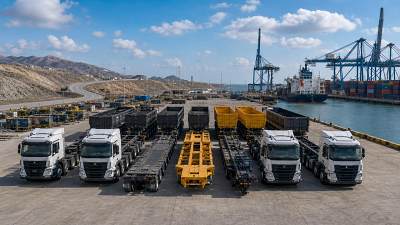
- A project buyer sourcing a bulk cement tanker may later require replacement valves, seals, pipe fittings, or axle-related components.
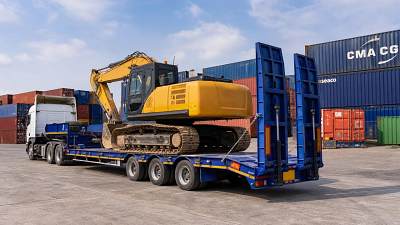
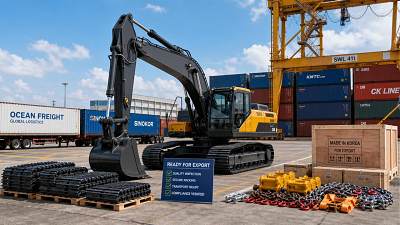
- A dealer working with a construction machinery supplier may prefer coordinated sourcing for trailer parts, truck steel structures, and wear components to simplify import handling.
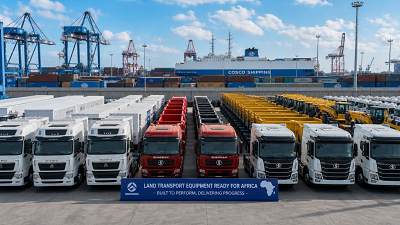
The Global Heavy Truck Industry Platform helps address this by connecting buyers with manufacturers and suppliers across truck chassis and cab systems, complete trucks, light trucks, construction machinery, trailers, semi-trailers, and spare parts. For exporters, this broad category coverage reduces search friction and improves supplier comparison quality before any purchase commitment is made.
How to Compare Suppliers Beyond Unit Price
Unit price is visible, but total sourcing cost is usually shaped by at least 6 variables: defect rate, delivery reliability, packaging suitability, documentation accuracy, communication speed, and replacement handling. A truck spare parts supplier with a slightly higher quotation may still produce a lower total landed cost if it reduces rework, customs delays, and after-sales disputes.
Exporters should compare suppliers using a decision matrix that reflects both operational and commercial realities. This is especially important for products tied to vehicle uptime, such as truck injector parts, truck cylinder components, braking systems, and suspension items. Small specification errors can create major issues once the cargo reaches the destination market.
The table below shows a practical evaluation structure for buyers selecting a truck spare parts supplier or related equipment source. It can also be applied when screening a flatbed trailer supplier, a bulk cement trailer manufacturer, or a construction machinery supplier.
A useful rule is to score each dimension on a 1–5 scale and review the total before moving to negotiation. This creates a clearer basis for supplier selection than relying on quote comparison alone. For business evaluation teams, such a matrix also supports internal approval and supplier onboarding.
Common comparison mistakes
One frequent mistake is evaluating a supplier only by catalog breadth. A large catalog can be helpful, but it does not prove stable production capability. Another common error is accepting a sample without checking whether the same process and material standard can be maintained across medium-volume and large-volume orders.
Buyers should also avoid treating all parts as equivalent. Truck injector components, truck cylinder assemblies, sealing systems, and trailer suspension parts have different sensitivity levels. For critical items, verification should include fitment confirmation, operating condition suitability, and packaging protection for long-distance shipping.
A practical 4-step screening method
- Shortlist 3–5 suppliers by product match, export readiness, and communication quality.
- Confirm drawings, part numbers, materials, and packaging details before quotation approval.
- Test sample quality and compare it with pre-shipment confirmation standards.
- Review lead time, claim process, and reorder support before placing a full batch order.
Using a digital sourcing platform can shorten this process because buyers can review supplier categories, compare product information, and identify suitable manufacturers in one place instead of restarting the search for every new product line.
Which Technical and Compliance Checks Should Come First?
In commercial vehicle export, technical suitability should be confirmed before commercial negotiation is finalized. This sequence matters because the wrong specification can erase any nominal price advantage. A truck spare parts supplier should be able to clarify product application, material information, dimensional references, packaging method, and expected service conditions within the first 1–2 rounds of technical discussion.
For truck injector and truck cylinder parts, exporters usually need to verify fitment references, operating environment, and storage protection. For truck steel structures, truck skeleton components, flatbed trailer assemblies, and bulk cement tanker products, buyers should focus on structural specifications, surface treatment, welding consistency, and transport-ready packaging. These categories are exposed to longer logistics chains and rougher handling conditions.
Compliance is another key filter. Requirements vary by market, but buyers commonly review product descriptions, country-specific import rules, invoice accuracy, packing labels, and any applicable test or conformity documents requested by local authorities or end customers. A capable supplier may not control all market-entry rules, but it should support documentation alignment and technical clarification.
The following table summarizes common checkpoints exporters use when screening suppliers for road transport equipment parts and related machinery categories.
For exporters with limited engineering support, a specialized heavy truck platform is especially useful because it reduces the gap between product discovery and technical comparison. Buyers can review multiple supplier profiles, compare categories such as spare parts, semi-trailers, and construction machinery, and narrow options before deeper sample discussions begin.
What good technical communication looks like
Strong suppliers answer technical questions directly and in sequence. They clarify whether a part is standard, customized, or adapted for specific truck models. They also explain any limitation in application conditions, such as load range, operating environment, or maintenance expectation. This is far more useful than generic claims about durability or quality.
Exporters should expect a workable confirmation flow: inquiry, technical review, sample or specification confirmation, production schedule alignment, and shipping document review. When this 5-step process is handled clearly, the risk of mismatch falls significantly and repeat orders become easier to manage.
How Exporters Balance Cost, Risk, and Supply Continuity
A low purchase price does not always mean a competitive sourcing result. Exporters need to balance direct cost with defect exposure, delay risk, reorder stability, and market support. This is especially true for distributors and agents who carry inventory and must protect both working capital and customer satisfaction across monthly or quarterly replenishment cycles.
In road transport equipment sourcing, cost analysis usually works best when divided into 3 layers: purchase cost, logistics cost, and failure cost. Purchase cost includes unit price and tooling or packaging charges. Logistics cost covers consolidation, container loading efficiency, and shipment timing. Failure cost includes incorrect fitment, returns, market complaints, and emergency replacement orders.
This is why many exporters prefer suppliers that can support broader sourcing plans. If one platform helps them compare truck spare parts, truck steel products, bulk cement trailer equipment, bulk cement tanker assemblies, and construction machinery supply options, they can reduce repeated search time and improve procurement coordination across categories.
A simple cost-risk view for B2B buyers
The table below can help procurement teams and business evaluators compare sourcing models when selecting a truck spare parts supplier or related heavy truck equipment partner.
The right model depends on order size, product criticality, and internal procurement resources. For small trial orders, a specialized supplier may be enough. For broader export development over 6–12 months, platform-assisted sourcing often provides better flexibility because it supports both category expansion and supplier backup planning.
Risk signals that buyers should not ignore
- The supplier avoids confirming application details and focuses only on commercial terms.
- Lead time promises change repeatedly between inquiry, sample stage, and order stage.
- Packaging details are left undefined even for fragile or precision-related truck parts.
- Document descriptions are vague, which may create customs or classification problems later.
When these signals appear, buyers should slow down the order process and ask for clarification. A trustworthy supplier relationship is built not only on supply capability but also on how problems are handled before shipment starts.
FAQ: Questions Exporters Ask Before Choosing a Supplier
How many suppliers should an exporter compare before making a decision?
In most cases, comparing 3–5 qualified suppliers is practical. Fewer than 3 may limit benchmarking, while too many options can slow decision-making without improving quality. The best shortlist includes suppliers that match the target category, such as truck spare parts, flatbed trailer products, or construction machinery supply, and that can respond clearly within the first 48–72 hours.
What should be confirmed before ordering truck injector or truck cylinder parts?
Buyers should confirm part number references, dimensional compatibility, material or process notes when applicable, and packaging protection for export transit. It is also wise to align sample standards with batch-order expectations. For these components, one mismatch can affect vehicle performance, so technical confirmation should come before final price negotiation.
Are complete equipment suppliers better than parts-only suppliers?
Not always. A parts-only supplier may have stronger technical focus in a narrow category, while a complete equipment supplier may be more useful for cross-category projects involving bulk cement trailer, bulk cement tanker, trailer accessories, and replacement parts. The better choice depends on whether your business needs depth in one product line or coordinated sourcing across several product families.
What is a reasonable lead time expectation in this industry?
Lead times vary by product and order complexity. Standard parts may move faster, while customized trailer or structural components can require a longer production cycle. Buyers should ask suppliers to separate the timeline into at least 3 stages: technical confirmation, production, and shipment preparation. This gives a more realistic planning basis than a single headline delivery promise.
How can a B2B platform improve supplier selection?
A specialized platform improves visibility, not just convenience. It allows exporters to compare product categories, review supplier scope, identify alternatives more quickly, and access related industry information such as market insights, buying guides, and brand directories. For teams evaluating several categories at once, this reduces search duplication and supports faster internal decision-making.
Why Work With a Specialized Heavy Truck Industry Platform
Exporters do not simply need more supplier names. They need a sourcing environment that helps them discover products, compare suppliers, understand category differences, and move from research to procurement with fewer blind spots. This is where a specialized industry platform creates practical value for information researchers, procurement teams, business evaluators, distributors, and agents.
The Global Heavy Truck Industry Platform is built around the commercial vehicle and heavy equipment supply chain. It connects manufacturers, suppliers, distributors, and buyers across product groups including truck chassis and cab, complete trucks, light trucks, construction machinery, trailers, semi-trailers, and spare parts. This makes it easier to evaluate both single-category suppliers and broader sourcing partners in one professional environment.
For exporters selecting a truck spare parts supplier, the platform supports a more efficient workflow: identify relevant product categories, compare supplier options, review market-facing information, and narrow decisions before requesting samples or quotations. The same process can support buyers looking for truck steel products, truck skeleton structures, bulk cement trailer solutions, bulk cement tanker supply, or a reliable flatbed trailer supplier.
Because the platform also provides buying guides, industry news, market insights, and truck brand directories, it helps procurement teams make decisions with better context. That is useful when entering a new market, expanding a dealer portfolio, or testing a new heavy truck parts category over the next 1–2 purchasing cycles.
Why choose us
If you are comparing truck spare parts suppliers or evaluating broader commercial vehicle sourcing options, we can help you move faster with clearer information. You can consult us on part parameter confirmation, product selection across multiple categories, estimated lead time planning, packaging and shipment coordination, supplier matching, and quotation communication for both standard and project-based demand.
We are also a practical starting point when your demand spans more than one category. If your purchasing plan includes truck injector parts, truck cylinder components, trailer-related products, construction machinery support, or bulk transport equipment such as bulk cement tanker and bulk cement trailer solutions, our platform helps you compare options and identify suitable partners more efficiently.
Contact us to discuss your target market, required product range, sample support expectations, documentation concerns, and delivery schedule. With a structured sourcing approach and a focused heavy truck industry network, you can reduce supplier selection risk and build a more stable export supply chain.
- construction machinery supplier
- flatbed trailer supplier
- truck spare parts supplier
- commercial vehicle parts
- truck chassis
- heavy truck
- cement tanker
- construction machinery
- truck parts
- bulk cement trailer
- truck spare parts
- flatbed trailer
- truck injector
- truck cylinder
- truck skeleton
- truck steel
- commercial vehicle
- heavy equipment
- bulk cement tanker
Trending News
- Truck Tipper Exporter Compliance Risks in Cross-Border Deliveries
- Truck Trailer Distributor Trends Shaping Regional Market Growth in 2026
- Crane Truck for Sale: 7 Checks Before You Choose a Model
- How to Compare a Truck Trailer Supplier Beyond Unit Price
- Bulldozer for Construction: Key Specs That Affect Earthmoving Efficiency
Tag
Recommended News
 Truck ExportTruck Tipper Exporter Compliance Risks in Cross-Border DeliveriesTruck tipper exporter compliance risks can delay cross-border deliveries and raise liability. Learn key controls for safety, customs, and documentation to protect shipments.
 Truck ExportIran Launches New HS Code System, Boosting Trailer Export EfficiencyIran's new 2026 HS code system boosts trailer export efficiency—key for Chinese exporters targeting the Middle East with intelligent air-suspension and aluminum trailers.
 Truck ExportErlianhot 24-Hour Freight Clearance for Mongolia Marks One YearErlianhot 24-hour freight clearance boosts Mongolia truck exports — customs time slashed to 18 mins, lead times down 40%. Optimize your陆路运输设备 supply chain now.
 Truck ExportWater Truck Exporter Checklist for Harsh Climate and Road ConditionsWater truck exporter checklist for harsh climates and rough roads. Learn how to compare durability, compliance, chassis fit, and support to reduce risk and choose with confidence.
 Truck ExportIrkeshtam Port 24/7 Cargo Clearance Boosts Exports to Kyrgyzstan by 66%Irkeshtam Port’s 24/7 cargo clearance boosts陆路运输设备 exports to Kyrgyzstan by 66%—unlock faster customs, higher volumes & modular trailer demand.
 Truck ExportErenhot-Mongolia 24-Hour Freight Clearance Marks First AnniversaryErenhot-Mongolia 24-hour freight clearance boosts heavy-duty truck equipment exports by 37% — optimize logistics, cut customs time to 18 mins.
 Truck ExportConstruction Machinery Exporter Selection: 5 Key Cost ChecksConstruction machinery exporter selection starts with 5 critical cost checks. Learn how to compare total cost, delivery risk, parts support, and warranty to source smarter.
 Truck ExportYerkeshkan Port 24-Hour Freight Clearance Boosts Heavy Vehicle Exports to KyrgyzstanYerkeshkan Port’s 24-hour freight clearance is accelerating heavy vehicle exports to Kyrgyzstan — boosting demand for semi-trailers, tankers & rugged chassis. Act now.
 Truck ExportManzhouli Highway Port Launches 24-Hour Freight ClearanceManzhouli Highway Port’s 24-hour freight clearance boosts heavy-duty truck, natural gas tractor & engineering chassis exports to Russia/CIS — faster, more reliable cross-border logistics.
 Truck ExportIrkeshtam Port’s 24-Hour Freight Clearance Boosts Exports to Kyrgyzstan by 66%Irkeshtam Port’s 24-hour freight clearance slashes border delays—boosting China-to-Kyrgyzstan auto component exports by 66%. Optimize your陆路运输设备 supply chain now.
 Truck ExportErenhot-Mongolia 24-Hour Freight Clearance Marks One-Year MilestoneErenhot-Mongolia 24-hour freight clearance boosts reliability for heavy-duty trucks, refrigerated semi-trailers & dump chassis exports — optimize your cross-border logistics now.
 Truck ExportErenhot-Mongolia 24-Hour Freight Clearance Marks First AnniversaryErenhot-Mongolia 24-hour freight clearance delivers 40% faster road freight & zero-delay customs for auto parts, machinery, and fresh produce—key for logistics and heavy-vehicle exporters.
 Truck ExportChina-Europe Railway Express Surpasses 130,000 TrainsChina-Europe Railway Express surpasses 130,000 trains — a pivotal milestone for陆路运输设备 exporters, offering faster, more reliable overland logistics amid maritime volatility.
 Truck ExportHeavy Equipment Export to Africa: Market Openings and Compliance ChallengesHeavy equipment export to Africa is accelerating as infrastructure and logistics demand grows. Explore market openings, compliance risks, and smart strategies for sustainable expansion.
 Truck ExportLow Bed Trailer Export to Southeast Asia: Specs That Meet Local DemandLow bed trailer export to Southeast Asia starts with the right specs. Discover how to match payload, axles, ramps, and compliance needs to win dealers, reduce risk, and boost sales.
 Truck ExportHeavy Equipment Export for Mining Operations: Key Risks Before ShipmentHeavy equipment export for mining operations: identify compliance, logistics, technical, and supplier risks before shipment to avoid delays, control costs, and protect mine project timelines.
 Truck ExportHow to Vet an Excavator Exporter for Delivery Risk and ComplianceExcavator exporter selection affects delivery, customs, and project timelines. Learn how to vet suppliers, verify compliance, and reduce shipping risk before you buy.
 Truck ExportManzhouli Highway Port Hits 1-Year Milestone in 24/7 Freight ClearanceManzhouli Highway Port’s 24/7 freight clearance boosts heavy-duty truck & semi-trailer exports by 290% — faster, more reliable Eurasian land transport.
 Truck ExportWorld's Largest Car Carrier Makes Maiden Call at Shanghai PortWorld's largest car carrier Gro Navigator arrives at Shanghai Port—boosting capacity for heavy-duty & NEV exports to Europe, ME, LATAM. Key update for PCTC shippers.
 Truck ExportLow Bed Trailer Export for Mining: How to Match Axle Layout to Load TypeLow bed trailer export for mining: learn how to match axle layout to load type for safer transport, better compliance, and higher payload efficiency in demanding mining routes.
 Truck ExportAre Waterproof Features Worth It in Low Bed Trailer Export ProjectsLow bed trailer export with waterproof features: find out when the upgrade protects cargo, cuts corrosion and downtime, and delivers stronger long-term value in export projects.
![]() Truck ExportTruck Parts Exporter Guide: How to Avoid Fitment and Packaging ProblemsTruck parts exporter guide for buyers who need accurate fitment and secure packaging. Learn how to reduce returns, prevent damage, and choose reliable suppliers for global heavy truck parts trade.
Truck ExportTruck Parts Exporter Guide: How to Avoid Fitment and Packaging ProblemsTruck parts exporter guide for buyers who need accurate fitment and secure packaging. Learn how to reduce returns, prevent damage, and choose reliable suppliers for global heavy truck parts trade. Truck ExportLow Bed Trailer Export to Southeast Asia: Specs That Commonly Cause DelaysLow bed trailer export to Southeast Asia often faces delays from spec mismatches. Learn the key dimensions, axle, brake, tire, and ramp details buyers must verify before ordering.
 Truck ExportExcavator Exporter Checklist: Documents, Lead Time, and Delivery RisksExcavator exporter checklist covering key documents, realistic lead times, and delivery risks. Learn how to compare suppliers, reduce import uncertainty, and make smarter sourcing decisions.
 Truck ExportIrkeshtam Port 24-Hour Freight Clearance Boosts Exports to KyrgyzstanIrkeshtam Port’s 24-hour freight clearance boosts exports to Kyrgyzstan—87.4% surge in medium trucks, crane chassis & hydraulic outriggers. Optimize your陆路运输设备 logistics now.