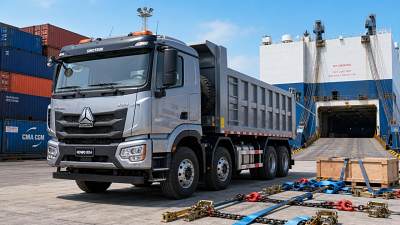
Erenhot-Mongolia 24-Hour Freight Clearance Marks First Anniversary
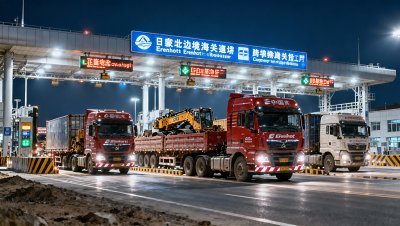
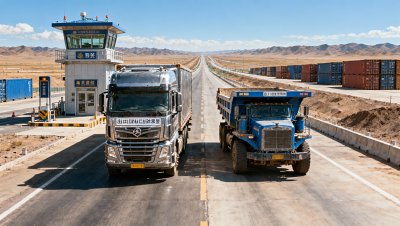
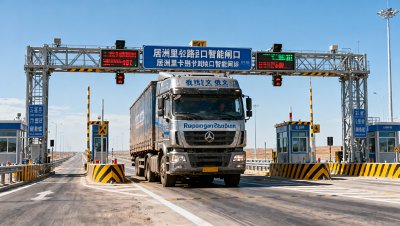
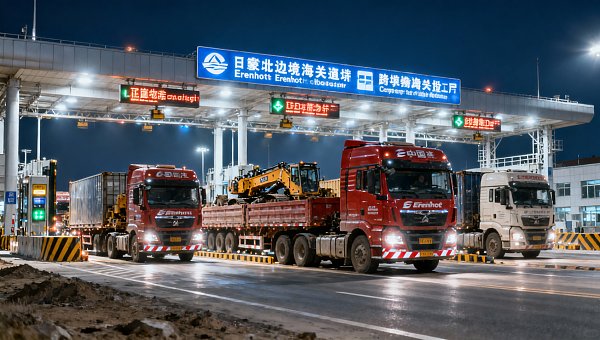
On April 1, 2025, the Erenhot Highway Port’s 24-hour freight clearance for Mongolia completed its first full year of operation. This milestone has delivered measurable improvements in cross-border trucking efficiency—most notably a 40% reduction in transit time for China–Mongolia road freight—and established near-zero-delay customs clearance for time-sensitive goods including fresh produce, automotive parts, and construction machinery components. Logistics operators, heavy-duty vehicle exporters, and Mongolian infrastructure suppliers are among the most directly affected stakeholders.
Event Overview
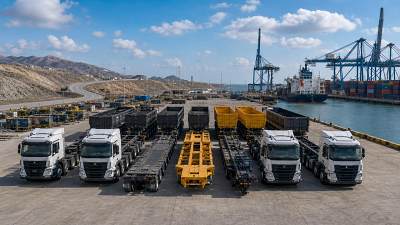
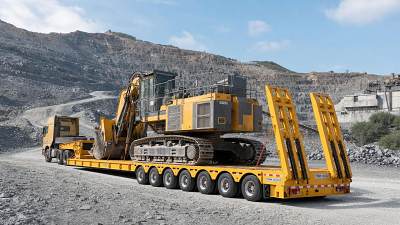
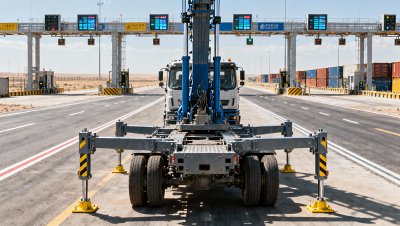
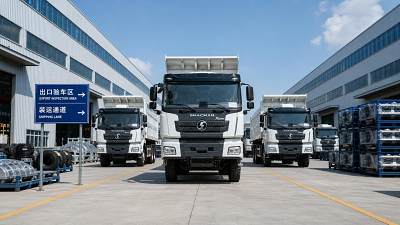
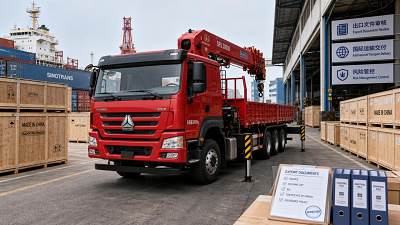
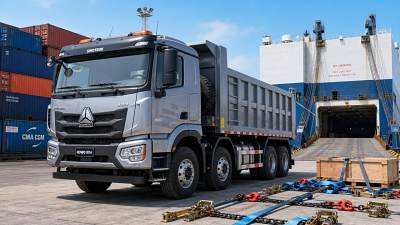
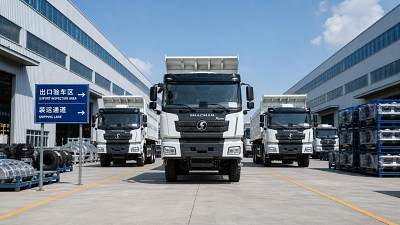
The 24-hour freight clearance initiative at Erenhot Highway Port officially commenced on April 1, 2024. As of April 1, 2025, it has operated continuously for one year. Publicly confirmed outcomes include: (1) an average 40% improvement in trucking transit time for China–Mongolia road freight; (2) consistent zero-delay customs clearance for perishables, auto parts, and engineering equipment components; (3) the port now handles over 70% of Mongolia’s imported consumer goods and infrastructure equipment; and (4) it serves as the primary export channel for Chinese heavy-duty trucks, dump trucks, and mining-specialized vehicles to Mongolia.
Industries Affected
Direct Trading Enterprises
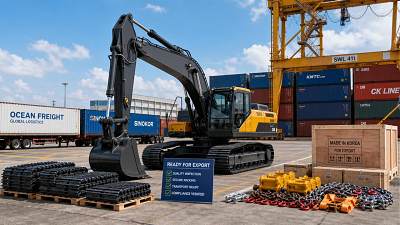
Companies exporting finished goods—especially heavy vehicles and machinery—to Mongolia benefit from predictable lead times and reduced demurrage risk. The zero-delay clearance for designated categories lowers customs-related uncertainty, directly improving order fulfillment reliability and inventory turnover planning.
Raw Material Procurement Enterprises
Firms sourcing Mongolian minerals or raw materials for downstream processing in China may experience indirect effects: improved return-trip efficiency for outbound trucks increases fleet utilization and lowers per-trip transport cost, potentially supporting more competitive inland procurement terms—but this remains contingent on bilateral backhaul demand alignment.
Manufacturing Enterprises (OEMs & Tier Suppliers)
Chinese manufacturers of automotive components and construction equipment see enhanced delivery certainty for just-in-time supply chains serving Mongolian projects. The 40% transit time reduction supports tighter production scheduling and reduces safety stock requirements—particularly for high-value, low-volume spare parts.
Supply Chain Service Providers
Freight forwarders, customs brokers, and integrated logistics providers operating on the Erenhot corridor face intensified operational expectations. Zero-delay clearance applies only to pre-qualified cargo categories and requires strict documentation compliance—raising the bar for pre-clearance coordination and real-time status tracking capability.
What Relevant Enterprises or Practitioners Should Monitor and Act On
Track official expansion announcements and category eligibility updates
The ‘zero-delay’ status currently applies only to specified commodities (fresh produce, auto parts, engineering components). Stakeholders should monitor announcements from China’s General Administration of Customs and Mongolia’s National Customs Agency for potential expansions—including possible inclusion of electronics, pharmaceuticals, or agricultural inputs.
Assess exposure to Mongolia-specific supply chain dependencies
Given that Erenhot handles >70% of Mongolia’s imported consumer and infrastructure goods, any future disruptions—e.g., seasonal weather closures, system upgrades, or regulatory adjustments—could have outsized impact. Companies with concentrated Mongolian distribution should map alternative routing options (e.g., via Manzhouli or rail-freight intermodal) even if currently suboptimal.
Distinguish policy implementation pace from headline metrics
The reported 40% transit time improvement reflects annual average performance—not guaranteed per-shipment latency. Operational variance persists across cargo type, documentation accuracy, and shift timing. Firms should benchmark actual gate-to-gate times over the past 3–6 months before adjusting service-level agreements or customer commitments.
Pre-validate documentation workflows for zero-delay eligibility
Eligibility for zero-delay clearance requires pre-submission of electronic manifests, verified origin certificates, and standardized commodity coding. Exporters should audit current filing practices against Erenhot’s latest technical guidelines and conduct dry-run submissions for high-priority SKUs ahead of peak shipping periods.
Editorial Perspective / Industry Observation
Observably, this milestone reflects maturation—not initiation—of institutional coordination between Chinese and Mongolian border agencies. The consistency of zero-delay clearance for priority categories signals strengthened interoperability of customs IT systems and harmonized risk assessment protocols. Analysis shows the 40% transit time gain is largely attributable to reduced queuing during off-peak hours rather than accelerated physical inspection—meaning further gains will likely require deeper process integration, not just extended operating hours. From an industry perspective, this is best understood as an operational stabilization signal: it confirms reliability for existing trade flows, but does not yet indicate structural capacity expansion or diversification of border access points.
Conclusion: The first anniversary of Erenhot’s 24-hour freight clearance marks a consolidation of cross-border logistics efficiency—not a breakthrough into new markets or modal shifts. Its primary value lies in de-risking scheduled deliveries for time-sensitive, high-value cargo moving between northern China and Mongolia. For stakeholders, it is more accurately interpreted as evidence of sustained institutional execution than as a catalyst for immediate strategic pivots.
Source: Official data released by the Erenhot Municipal Government and China’s General Administration of Customs, as reported on April 1, 2025. Note: Expansion of zero-delay eligibility beyond currently listed categories remains under observation and has not been formally announced.
Trending News
- Nanjing Launches First Wind Power Equipment Shipping Route to Pakistan
- Irkeshtam Port’s 24-Hour Freight Clearance Boosts Exports to Kyrgyzstan
- Erenhot-Mongolia 24-Hour Freight Clearance Marks First Anniversary
- China-Europe Railway Express Surpasses 130,000 Trains
- Iran-Pakistan Launch 6 Cross-Border Roads, 3 New Land Ports
Tag
Recommended News
 Truck ExportErenhot-Mongolia 24-Hour Freight Clearance Marks First AnniversaryErenhot-Mongolia 24-hour freight clearance delivers 40% faster road freight & zero-delay customs for auto parts, machinery, and fresh produce—key for logistics and heavy-vehicle exporters.
 Truck ExportChina-Europe Railway Express Surpasses 130,000 TrainsChina-Europe Railway Express surpasses 130,000 trains — a pivotal milestone for陆路运输设备 exporters, offering faster, more reliable overland logistics amid maritime volatility.
 Truck ExportHeavy Equipment Export to Africa: Market Openings and Compliance ChallengesHeavy equipment export to Africa is accelerating as infrastructure and logistics demand grows. Explore market openings, compliance risks, and smart strategies for sustainable expansion.
 Truck ExportLow Bed Trailer Export to Southeast Asia: Specs That Meet Local DemandLow bed trailer export to Southeast Asia starts with the right specs. Discover how to match payload, axles, ramps, and compliance needs to win dealers, reduce risk, and boost sales.
 Truck ExportHeavy Equipment Export for Mining Operations: Key Risks Before ShipmentHeavy equipment export for mining operations: identify compliance, logistics, technical, and supplier risks before shipment to avoid delays, control costs, and protect mine project timelines.
 Truck ExportHow to Vet an Excavator Exporter for Delivery Risk and ComplianceExcavator exporter selection affects delivery, customs, and project timelines. Learn how to vet suppliers, verify compliance, and reduce shipping risk before you buy.
 Truck ExportManzhouli Highway Port Hits 1-Year Milestone in 24/7 Freight ClearanceManzhouli Highway Port’s 24/7 freight clearance boosts heavy-duty truck & semi-trailer exports by 290% — faster, more reliable Eurasian land transport.
 Truck ExportWorld's Largest Car Carrier Makes Maiden Call at Shanghai PortWorld's largest car carrier Gro Navigator arrives at Shanghai Port—boosting capacity for heavy-duty & NEV exports to Europe, ME, LATAM. Key update for PCTC shippers.
 Truck ExportLow Bed Trailer Export for Mining: How to Match Axle Layout to Load TypeLow bed trailer export for mining: learn how to match axle layout to load type for safer transport, better compliance, and higher payload efficiency in demanding mining routes.
 Truck ExportAre Waterproof Features Worth It in Low Bed Trailer Export ProjectsLow bed trailer export with waterproof features: find out when the upgrade protects cargo, cuts corrosion and downtime, and delivers stronger long-term value in export projects.
![]() Truck ExportTruck Parts Exporter Guide: How to Avoid Fitment and Packaging ProblemsTruck parts exporter guide for buyers who need accurate fitment and secure packaging. Learn how to reduce returns, prevent damage, and choose reliable suppliers for global heavy truck parts trade.
Truck ExportTruck Parts Exporter Guide: How to Avoid Fitment and Packaging ProblemsTruck parts exporter guide for buyers who need accurate fitment and secure packaging. Learn how to reduce returns, prevent damage, and choose reliable suppliers for global heavy truck parts trade. Truck ExportLow Bed Trailer Export to Southeast Asia: Specs That Commonly Cause DelaysLow bed trailer export to Southeast Asia often faces delays from spec mismatches. Learn the key dimensions, axle, brake, tire, and ramp details buyers must verify before ordering.
 Truck ExportExcavator Exporter Checklist: Documents, Lead Time, and Delivery RisksExcavator exporter checklist covering key documents, realistic lead times, and delivery risks. Learn how to compare suppliers, reduce import uncertainty, and make smarter sourcing decisions.
 Truck ExportIrkeshtam Port 24-Hour Freight Clearance Boosts Exports to KyrgyzstanIrkeshtam Port’s 24-hour freight clearance boosts exports to Kyrgyzstan—87.4% surge in medium trucks, crane chassis & hydraulic outriggers. Optimize your陆路运输设备 logistics now.
 Truck ExportManzhouli Highway Port 24-Hour Freight Clearance: Heavy-Duty Truck Exports Up 2.9xManzhouli Highway Port’s 24-hour freight clearance boosts heavy-duty truck exports 2.9x — faster release, lower demurrage, smarter logistics for Eurasian land transport.
 Truck ExportIran to Shift 40% of Trade to Land Routes by End-2026Iran’s 40% land-route trade shift by 2026 boosts demand for heavy-duty trucks, low-bed semi-trailers & modular road trains — act now to capture certified export opportunities.
 Truck ExportDump Truck Exporter Red Flags Before You Confirm the First ShipmentDump truck exporter warning signs can determine your first shipment’s cost and compliance. Learn the key red flags before you approve a supplier and protect long-term fleet reliability.
![]() Truck ExportHow to Compare a Truck Trailer Exporter Beyond Unit PriceTruck trailer exporter comparison goes beyond unit price. Learn how to assess quality, compliance, delivery, and after-sales support to reduce hidden costs and improve fleet value.
Truck ExportHow to Compare a Truck Trailer Exporter Beyond Unit PriceTruck trailer exporter comparison goes beyond unit price. Learn how to assess quality, compliance, delivery, and after-sales support to reduce hidden costs and improve fleet value. Truck ExportCrane Truck Exporter Selection: Key Documents and Delivery RisksCrane truck exporter selection starts with the right documents. Learn how to check compliance, shipping terms, and delivery risks to avoid delays and source with confidence.
 Truck ExportTruck Tipper Exporter: Common Shipping Risks and How to Reduce ThemTruck tipper exporter guide: learn the most common shipping risks, from damage and delays to document errors, and discover practical ways to reduce costs, disputes, and delivery issues.
![]() Truck ExportTruck Trailer Supplier Checklist for Cross-Border Delivery ProjectsTruck trailer supplier checklist for cross-border delivery projects: compare compliance, lead time, quality control, and after-sales support to reduce risk and choose with confidence.
Truck ExportTruck Trailer Supplier Checklist for Cross-Border Delivery ProjectsTruck trailer supplier checklist for cross-border delivery projects: compare compliance, lead time, quality control, and after-sales support to reduce risk and choose with confidence. Truck ExportDump Truck Exporter Red Flags Before You Confirm the First ShipmentDump truck exporter warning signs can determine your first shipment’s cost and compliance. Learn the key red flags before you approve a supplier and protect long-term fleet reliability.
![]() Truck ExportHow to Compare a Truck Trailer Exporter Beyond Unit PriceTruck trailer exporter comparison goes beyond unit price. Learn how to assess quality, compliance, delivery, and after-sales support to reduce hidden costs and improve fleet value.
Truck ExportHow to Compare a Truck Trailer Exporter Beyond Unit PriceTruck trailer exporter comparison goes beyond unit price. Learn how to assess quality, compliance, delivery, and after-sales support to reduce hidden costs and improve fleet value. Truck ExportCrane Truck Exporter Selection: Key Documents and Delivery RisksCrane truck exporter selection starts with the right documents. Learn how to check compliance, shipping terms, and delivery risks to avoid delays and source with confidence.
 Truck ExportTruck Tipper Exporter: Common Shipping Risks and How to Reduce ThemTruck tipper exporter guide: learn the most common shipping risks, from damage and delays to document errors, and discover practical ways to reduce costs, disputes, and delivery issues.