Erlianhot Highway Port Goes Full-Time Freight Clearance
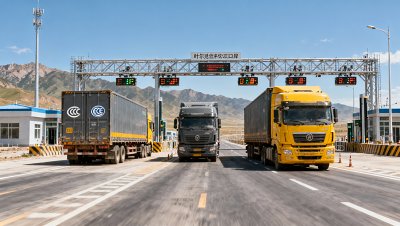
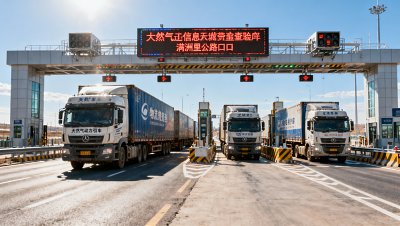
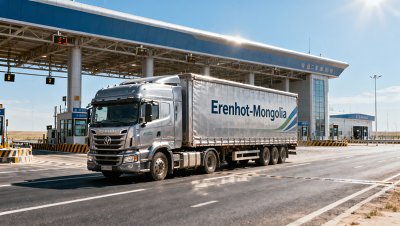
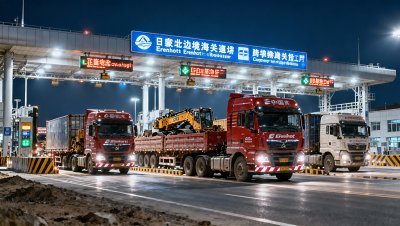
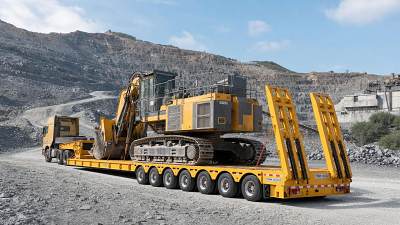
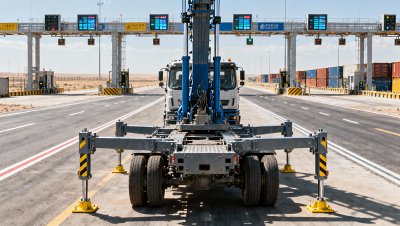
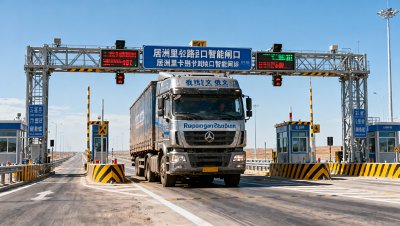
On April 22, 2026, Erlianhot Highway Port in Inner Mongolia officially launched常态化 24-hour freight clearance for trucks and semi-trailers — ending a six-month trial period. The move directly impacts cross-border logistics operators, heavy-vehicle exporters, and procurement entities serving Mongolia, Russia, and Central Asia, as it significantly reduces customs processing uncertainty and improves delivery predictability.
Event Overview
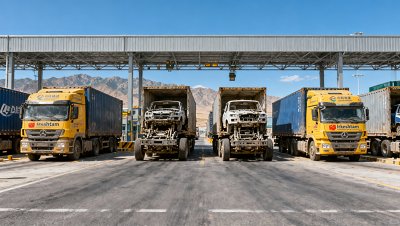
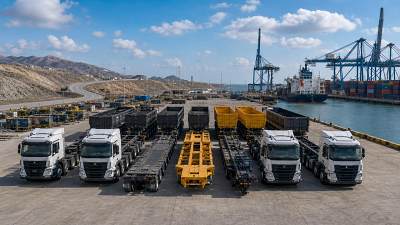
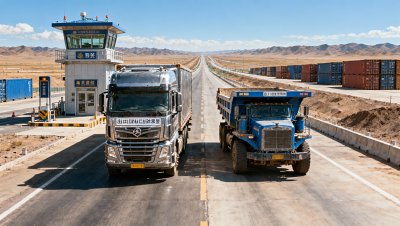
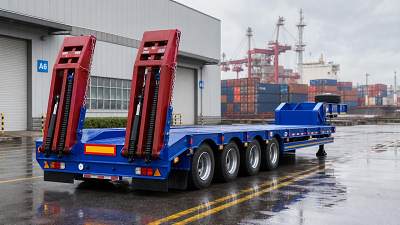
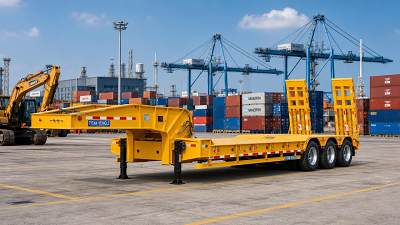
Effective April 22, 2026, Erlianhot Highway Port transitioned from a six-month 24-hour freight clearance trial to full-time,常态化 operation. The port handles over 70% of Mongolia’s daily consumer goods transported by land. Under the new arrangement, heavy-duty trucks, tractors, semi-trailers, and chassis components exported to Mongolia are subject to ‘inspection upon arrival’, with average customs clearance time reduced to under 18 minutes — a 35% improvement over prior levels.
Industries Affected
Direct Exporters of Road Transport Equipment
Manufacturers and traders exporting heavy trucks, semi-trailers, and related chassis parts to Mongolia now benefit from predictable clearance windows and shorter dwell times at the border. This reduces demurrage exposure and enables tighter scheduling of outbound shipments.
Importers and Procurement Agents Serving Mongolia, Russia & Central Asia
Buyers sourcing transport equipment for regional logistics fleets face lower customs-related delays and greater control over order-to-delivery timelines. Reduced clearance variability supports more reliable demand planning and inventory management across land-based supply chains.
Logistics and Cross-Border Freight Service Providers
Third-party logistics (3PL) firms managing trucking schedules between China and Mongolia gain operational flexibility. Shorter and more consistent clearance durations allow for better fleet utilization, optimized return-load planning, and improved service-level agreement (SLA) adherence.
Supply Chain Coordination Units in Multinational Trading Companies
Internal teams responsible for end-to-end shipment visibility and customs coordination now operate with higher certainty on border crossing timelines. This simplifies inter-departmental handoffs (e.g., sales → logistics → finance) and strengthens data-driven performance tracking for Mongolia-bound consignments.
What Enterprises and Practitioners Should Monitor and Do Now
Track official implementation scope and documentation requirements
While ‘inspection upon arrival’ is confirmed for heavy trucks and semi-trailers, enterprises should verify whether supporting documents (e.g., type approvals, conformity certificates) have been updated or streamlined — and whether digital submission channels are now mandatory.
Confirm applicability to specific vehicle categories and export destinations
The 35% reduction in clearance time applies explicitly to heavy-duty trucks, tractors, semi-trailers, and chassis components destined for Mongolia. Exporters targeting Russia or Central Asia via this port should confirm whether the same protocols apply — or if separate customs procedures remain in effect.
Distinguish policy rollout from ground-level execution
Although the port has entered常态化 operation, field-level consistency (e.g., shift coverage, inspection capacity during late-night hours) may vary initially. Companies should monitor real-time clearance performance metrics for at least one full month before adjusting long-term scheduling assumptions.
Update internal shipping workflows and contingency plans
Export operations teams should revise standard operating procedures (SOPs) for Erlianhot-bound shipments — including pre-clearance documentation checks, driver briefing materials, and escalation contacts for after-hours support. Pre-positioning key documents digitally may further reduce processing friction.
Editorial Perspective / Industry Observation
From an industry perspective, this shift is best understood not as a standalone infrastructure upgrade, but as a signal of institutional alignment between Chinese customs authorities and regional trade priorities. It reflects growing recognition of Mongolia’s dependence on land-based transport equipment and the strategic importance of Erlianhot as a throughput node. Analysis来看, the 35% time reduction is meaningful only if sustained across shifts and seasons — making real-time operational monitoring more critical than policy announcement alone. Observation来看, this development is less about immediate cost savings and more about de-risking lead time volatility for buyers reliant on just-in-time deployment of road freight assets. Current momentum suggests it functions primarily as an enabler for tighter cross-border supply chain integration — rather than a completed transformation.
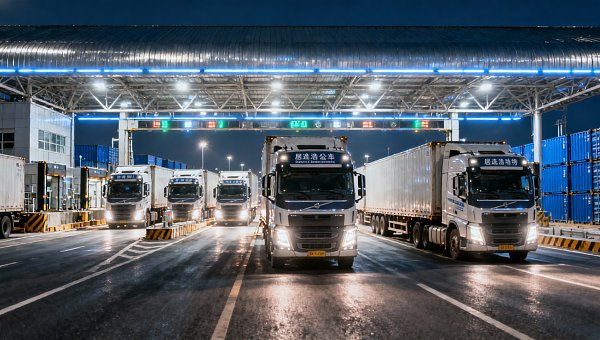
In summary, the formalization of 24-hour freight clearance at Erlianhot Highway Port marks a measurable step toward procedural reliability for land-based equipment exports to Mongolia. Its significance lies not in scale or novelty, but in its role as a stabilizing factor within a historically variable border environment. It is more accurately interpreted as an operational calibration — one that improves planning confidence without altering underlying trade terms, regulatory frameworks, or market access conditions.
Source: Official announcement issued by Erlianhot Customs Sub-administration, effective April 22, 2026. Note: Ongoing observation is recommended regarding actual clearance time consistency across night shifts and seasonal volume fluctuations.
Trending News
- Construction Machinery Cost Control: 7 Hidden Expenses in Project Planning
- Logging Truck Price Guide: Spec Choices That Change Total Ownership Cost
- Crane Truck Cost Breakdown: Chassis, Crane Unit, and Compliance Fees
- How to Vet a Logging Truck Distributor Before Entering a New Market
- Logging Truck Supplier Selection: Load Capacity, Terrain Fit, and Downtime
Tag
Recommended News
 Truck ExportWater Truck Exporter Checklist for Harsh Climate and Road ConditionsWater truck exporter checklist for harsh climates and rough roads. Learn how to compare durability, compliance, chassis fit, and support to reduce risk and choose with confidence.
 Truck ExportIrkeshtam Port 24/7 Cargo Clearance Boosts Exports to Kyrgyzstan by 66%Irkeshtam Port’s 24/7 cargo clearance boosts陆路运输设备 exports to Kyrgyzstan by 66%—unlock faster customs, higher volumes & modular trailer demand.
 Truck ExportErenhot-Mongolia 24-Hour Freight Clearance Marks First AnniversaryErenhot-Mongolia 24-hour freight clearance boosts heavy-duty truck equipment exports by 37% — optimize logistics, cut customs time to 18 mins.
 Truck ExportConstruction Machinery Exporter Selection: 5 Key Cost ChecksConstruction machinery exporter selection starts with 5 critical cost checks. Learn how to compare total cost, delivery risk, parts support, and warranty to source smarter.
 Truck ExportYerkeshkan Port 24-Hour Freight Clearance Boosts Heavy Vehicle Exports to KyrgyzstanYerkeshkan Port’s 24-hour freight clearance is accelerating heavy vehicle exports to Kyrgyzstan — boosting demand for semi-trailers, tankers & rugged chassis. Act now.
 Truck ExportManzhouli Highway Port Launches 24-Hour Freight ClearanceManzhouli Highway Port’s 24-hour freight clearance boosts heavy-duty truck, natural gas tractor & engineering chassis exports to Russia/CIS — faster, more reliable cross-border logistics.
 Truck ExportIrkeshtam Port’s 24-Hour Freight Clearance Boosts Exports to Kyrgyzstan by 66%Irkeshtam Port’s 24-hour freight clearance slashes border delays—boosting China-to-Kyrgyzstan auto component exports by 66%. Optimize your陆路运输设备 supply chain now.
 Truck ExportErenhot-Mongolia 24-Hour Freight Clearance Marks One-Year MilestoneErenhot-Mongolia 24-hour freight clearance boosts reliability for heavy-duty trucks, refrigerated semi-trailers & dump chassis exports — optimize your cross-border logistics now.
 Truck ExportErenhot-Mongolia 24-Hour Freight Clearance Marks First AnniversaryErenhot-Mongolia 24-hour freight clearance delivers 40% faster road freight & zero-delay customs for auto parts, machinery, and fresh produce—key for logistics and heavy-vehicle exporters.
 Truck ExportChina-Europe Railway Express Surpasses 130,000 TrainsChina-Europe Railway Express surpasses 130,000 trains — a pivotal milestone for陆路运输设备 exporters, offering faster, more reliable overland logistics amid maritime volatility.
 Truck ExportHeavy Equipment Export to Africa: Market Openings and Compliance ChallengesHeavy equipment export to Africa is accelerating as infrastructure and logistics demand grows. Explore market openings, compliance risks, and smart strategies for sustainable expansion.
 Truck ExportLow Bed Trailer Export to Southeast Asia: Specs That Meet Local DemandLow bed trailer export to Southeast Asia starts with the right specs. Discover how to match payload, axles, ramps, and compliance needs to win dealers, reduce risk, and boost sales.
 Truck ExportHeavy Equipment Export for Mining Operations: Key Risks Before ShipmentHeavy equipment export for mining operations: identify compliance, logistics, technical, and supplier risks before shipment to avoid delays, control costs, and protect mine project timelines.
 Truck ExportHow to Vet an Excavator Exporter for Delivery Risk and ComplianceExcavator exporter selection affects delivery, customs, and project timelines. Learn how to vet suppliers, verify compliance, and reduce shipping risk before you buy.
 Truck ExportManzhouli Highway Port Hits 1-Year Milestone in 24/7 Freight ClearanceManzhouli Highway Port’s 24/7 freight clearance boosts heavy-duty truck & semi-trailer exports by 290% — faster, more reliable Eurasian land transport.
 Truck ExportWorld's Largest Car Carrier Makes Maiden Call at Shanghai PortWorld's largest car carrier Gro Navigator arrives at Shanghai Port—boosting capacity for heavy-duty & NEV exports to Europe, ME, LATAM. Key update for PCTC shippers.
 Truck ExportLow Bed Trailer Export for Mining: How to Match Axle Layout to Load TypeLow bed trailer export for mining: learn how to match axle layout to load type for safer transport, better compliance, and higher payload efficiency in demanding mining routes.
 Truck ExportAre Waterproof Features Worth It in Low Bed Trailer Export ProjectsLow bed trailer export with waterproof features: find out when the upgrade protects cargo, cuts corrosion and downtime, and delivers stronger long-term value in export projects.
![]() Truck ExportTruck Parts Exporter Guide: How to Avoid Fitment and Packaging ProblemsTruck parts exporter guide for buyers who need accurate fitment and secure packaging. Learn how to reduce returns, prevent damage, and choose reliable suppliers for global heavy truck parts trade.
Truck ExportTruck Parts Exporter Guide: How to Avoid Fitment and Packaging ProblemsTruck parts exporter guide for buyers who need accurate fitment and secure packaging. Learn how to reduce returns, prevent damage, and choose reliable suppliers for global heavy truck parts trade. Truck ExportLow Bed Trailer Export to Southeast Asia: Specs That Commonly Cause DelaysLow bed trailer export to Southeast Asia often faces delays from spec mismatches. Learn the key dimensions, axle, brake, tire, and ramp details buyers must verify before ordering.
 Truck ExportExcavator Exporter Checklist: Documents, Lead Time, and Delivery RisksExcavator exporter checklist covering key documents, realistic lead times, and delivery risks. Learn how to compare suppliers, reduce import uncertainty, and make smarter sourcing decisions.
 Truck ExportIrkeshtam Port 24-Hour Freight Clearance Boosts Exports to KyrgyzstanIrkeshtam Port’s 24-hour freight clearance boosts exports to Kyrgyzstan—87.4% surge in medium trucks, crane chassis & hydraulic outriggers. Optimize your陆路运输设备 logistics now.
 Truck ExportManzhouli Highway Port 24-Hour Freight Clearance: Heavy-Duty Truck Exports Up 2.9xManzhouli Highway Port’s 24-hour freight clearance boosts heavy-duty truck exports 2.9x — faster release, lower demurrage, smarter logistics for Eurasian land transport.
 Truck ExportIran to Shift 40% of Trade to Land Routes by End-2026Iran’s 40% land-route trade shift by 2026 boosts demand for heavy-duty trucks, low-bed semi-trailers & modular road trains — act now to capture certified export opportunities.
 Truck ExportTruck Tipper Exporter: Common Shipping Risks and How to Reduce ThemTruck tipper exporter guide: learn the most common shipping risks, from damage and delays to document errors, and discover practical ways to reduce costs, disputes, and delivery issues.