When a Truck Dumper Upgrade Pays Off Faster Than Expected
In industrial transportation, a truck dumper upgrade can deliver returns sooner than many buyers expect—especially when uptime, payload efficiency, and maintenance costs directly affect fleet performance. For procurement teams, dealers, and market researchers comparing equipment options, understanding how a modern truck dumper works alongside components like truck gearbox, engine assembly, truck turbocharger, and truck filter is the first step toward smarter investment decisions.
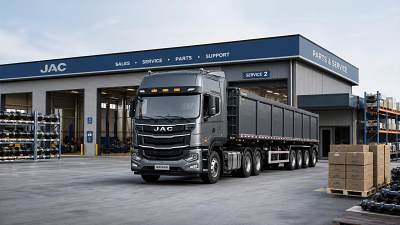
For most buyers, the key question is not whether a truck dumper upgrade improves performance, but how quickly the investment pays back in real operating conditions. In many fleets, the payback arrives faster than expected when the upgrade reduces unloading time, lowers component stress, improves fuel use, and cuts unplanned maintenance. That is especially true in mining, construction, municipal hauling, and bulk material logistics, where every delay in unloading affects the next trip, labor scheduling, and total daily output.
What Buyers Are Really Trying to Find Out
When someone searches for information around a truck dumper upgrade, the real intent usually goes beyond product specifications. Buyers, sourcing teams, and dealers want to know whether a newer dumper system creates measurable operational value. They are typically evaluating questions such as:
- Will the upgrade shorten unloading cycles enough to increase daily throughput?
- Can it reduce wear on the truck chassis, hydraulic system, gearbox, and engine assembly?
- Will maintenance costs drop compared with the current setup?
- Is the upgrade suitable for the type of material being transported?
- How long is the realistic return-on-investment period?
- Which suppliers can provide reliable equipment and after-sales support?
For B2B decision-makers, these are business questions first and technical questions second. A successful upgrade is one that improves fleet economics, not just one that adds newer hardware.
Why a Truck Dumper Upgrade Can Pay Off Faster Than Expected
The fastest payback usually comes from a combination of small but repeated gains. In high-frequency haulage operations, even minor improvements per cycle can produce significant savings over weeks or months.
1. Faster unloading means more trips per day.
An upgraded truck dumper can reduce queuing and unloading time, particularly where old systems operate slowly or inconsistently. If each vehicle saves several minutes per cycle, fleets handling bulk aggregates, ore, sand, grain, or demolition material may complete more runs with the same labor and vehicle count.
2. Lower mechanical strain reduces repair frequency.
Modern dumper systems often deliver smoother lifting, better load distribution, and improved structural control. That can reduce shock loads transferred to the truck chassis, suspension, and related driveline components. Less stress on connected systems can contribute to longer service life for the truck gearbox, engine assembly, and supporting powertrain parts.
3. Better material handling reduces hidden losses.
Poor dumping efficiency can leave residual material in the body, cause uneven discharge, or create safety risks during unloading. Upgraded systems often improve tipping angle, body stability, and hydraulic responsiveness, helping operators unload more completely and consistently.
4. Improved fuel efficiency supports ROI.
Although a truck dumper is not the only factor in fuel consumption, inefficient unloading increases idle time and repeated maneuvering. In operations where trucks wait with engines running, reducing unload duration can directly improve fuel economy. Combined with optimized performance from a well-matched truck turbocharger and clean truck filter system, this can create meaningful savings.
5. Downtime reduction has immediate financial impact.
Unexpected dumper failures can stop an entire material flow process. Upgrades that improve hydraulic reliability, structural durability, and maintenance accessibility often produce a faster-than-expected return simply because they prevent costly interruptions.
Which Cost Factors Have the Biggest Impact on Payback
Many procurement teams focus too heavily on the purchase price and not enough on operating cost drivers. In practice, these factors often determine whether a truck dumper upgrade pays back in a short period:
- Cycle time reduction: shorter unload times increase asset utilization
- Maintenance savings: fewer hydraulic failures, less structural wear, reduced labor hours
- Fuel and idle-time savings: especially important in large fleets or continuous operations
- Lower material loss: more complete unloading reduces residual waste
- Safety improvements: fewer incidents, lower risk exposure, less operational disruption
- Extended component life: reduced stress on engine assembly, transmission, and supporting systems
For buyers comparing options on a global heavy truck industry platform, these are the cost areas worth modeling first. A higher initial equipment cost may still be the better commercial decision if reliability and throughput gains are strong enough.
How the Dumper Upgrade Affects Other Truck Components
A truck dumper should not be evaluated in isolation. Its performance influences, and is influenced by, the broader vehicle system. This matters for buyers assessing long-term fleet value.
Truck gearbox:
Frequent stop-start operation, poor unloading positioning, and repeated maneuvering place extra demand on the gearbox. A more efficient dumper setup can reduce unnecessary repositioning and operational strain.
Engine assembly:
Long idle periods during slow unloading contribute to inefficiency and wear. When the dumper operates faster and more reliably, the engine spends less time running without productive movement.
Truck turbocharger:
In heavy-duty applications, engine responsiveness matters during loading, hauling, and unloading cycles. A well-maintained turbocharger supports overall performance, but operational efficiency from the dumper helps reduce wasteful cycle delays.
Truck filter systems:
Dusty environments such as mining, aggregate transport, and construction sites place high demands on air, fuel, and hydraulic filtration. Upgraded dumper systems often perform better when paired with proper truck filter maintenance, because contamination is a major cause of hydraulic and engine-related issues.
This systems-level view is particularly important for procurement managers comparing total cost of ownership across multiple truck and equipment configurations.
When the Upgrade Makes the Most Business Sense
A truck dumper upgrade tends to deliver the strongest and fastest returns in these scenarios:
- High-volume bulk material transport with frequent unloading cycles
- Operations facing recurring dumper maintenance issues
- Fleets with high idle time at unloading points
- Projects where turnaround time directly affects daily revenue
- Sites with safety concerns linked to unstable or incomplete unloading
- Businesses planning to scale output without proportionally expanding fleet size
For dealers and distributors, these use cases also help identify which customer segments are most likely to respond to an upgrade offer. Buyers under pressure to increase productivity without replacing the entire truck fleet are often ideal candidates.
Questions Procurement Teams Should Ask Before Buying
To make a sound decision, procurement and commercial evaluation teams should move beyond brochure claims and ask suppliers practical questions:
- What is the expected unloading cycle improvement in comparable applications?
- Which materials and payload ranges is the dumper designed for?
- How does the system affect maintenance intervals and spare parts demand?
- What hydraulic, chassis, and body reinforcements are included?
- Can the supplier provide performance data, case examples, or customer references?
- What after-sales support is available for international buyers?
- How easily does the system integrate with existing truck models?
On a professional B2B sourcing platform, this comparison process becomes easier because buyers can review multiple suppliers, product categories, and supporting industry information in one place. That helps reduce sourcing risk and improves supplier screening efficiency.
A Simple Way to Estimate ROI Before You Commit
Buyers do not always need a complex financial model to form an initial judgment. A practical pre-purchase estimate can start with these inputs:
- Current average unloading time per trip
- Expected time saved after upgrade
- Number of trips per day per truck
- Fleet size
- Current maintenance cost related to dumper issues
- Fuel cost associated with idling and delays
- Estimated annual downtime cost
If the upgrade saves time on every trip, lowers repairs, and improves availability, the payback period can shorten quickly. In many heavy-duty transport environments, a faster-than-expected return comes not from one dramatic gain, but from continuous operational improvements across every vehicle in the fleet.
What Dealers, Distributors, and Market Researchers Should Watch
For channel partners and industry researchers, the value of a truck dumper upgrade is also a market signal. Strong demand for upgraded unloading systems usually reflects broader trends in logistics efficiency, infrastructure growth, mining productivity, and fleet modernization.
Key indicators to watch include:
- Demand growth in construction and mining transport equipment
- Interest in reducing total cost of ownership rather than only purchase price
- Growing buyer attention to uptime and maintenance planning
- Preference for integrated vehicle solutions instead of isolated part purchases
- Rising importance of cross-border supplier transparency and support capability
These trends matter because buyers increasingly want suppliers that understand not only the dumper itself, but also related heavy truck components and complete fleet application needs.
Conclusion: The Real Value Is in Operational Gains, Not Just New Equipment
A truck dumper upgrade pays off faster than expected when it improves the metrics that matter most: unloading speed, equipment uptime, maintenance burden, fuel efficiency, and safe handling of heavy loads. For procurement teams, distributors, and market evaluators, the smartest approach is to assess the upgrade as part of the full truck operating system, including the truck gearbox, engine assembly, truck turbocharger, and truck filter performance.
The best buying decisions come from comparing real application fit, lifecycle cost, supplier reliability, and expected productivity gains. In heavy-duty transport, the return on a dumper upgrade is often much less about the hardware itself and much more about how many operational problems it removes every day.
Trending News
- Construction Machinery Cost Control: 7 Hidden Expenses in Project Planning
- Logging Truck Price Guide: Spec Choices That Change Total Ownership Cost
- Crane Truck Cost Breakdown: Chassis, Crane Unit, and Compliance Fees
- How to Vet a Logging Truck Distributor Before Entering a New Market
- Logging Truck Supplier Selection: Load Capacity, Terrain Fit, and Downtime
Tag
Recommended News
 Buying GuideLogging Truck Price Guide: Spec Choices That Change Total Ownership CostLogging truck price is more than the upfront quote. Discover how axle setup, engine sizing, durability, and service support shape total ownership cost and smarter buying decisions.
 Buying GuideLogging Truck Supplier Selection: Load Capacity, Terrain Fit, and DowntimeLogging truck supplier selection guide: compare load capacity, terrain fit, parts support, and downtime risk to choose reliable forestry trucks and cut operating costs.
 Buying GuideCrane Truck Manufacturer Comparison: Boom Stability, Payload, and SupportCrane truck manufacturer comparison guide covering boom stability, payload, chassis integration, and support to help buyers choose safer, more efficient trucks with long-term value.
 Buying GuideHow to Evaluate a Heavy Truck Chassis Manufacturer With R&D CapabilityHeavy truck chassis manufacturer with R&D capability: learn how to assess engineering strength, testing, customization, and long-term support to choose a reliable partner.
 Buying GuideDump Truck Supplier With Quick Delivery: What to Verify FirstDump truck supplier with quick delivery: learn what to verify first, from factory credibility and capacity to compliance, landed cost, and after-sales support before you buy.
 Buying GuideCab Chassis Truck for Fire Department: Key Fitment PointsCab chassis truck for fire department selection starts with fitment. Learn key points on GVWR, wheelbase, PTO, safety, and body integration to improve uptime and response performance.
 Buying GuideHow to Evaluate a Heavy Truck Chassis Manufacturer With R&D CapabilityLearn how to evaluate a heavy truck chassis manufacturer with R&D capability using practical criteria for design, testing, customization, and long-term fleet value.
 Fleet ManagementDelivery Truck Supplier in USA: What Matters Most for Fleet ExpansionDelivery truck supplier in USA selection impacts uptime, cost, and fleet growth. Learn how to compare suppliers by route needs, service support, and long-term scalability.
 Buying GuideCost-Effective Delivery Truck Supply: What Low Price May Leave OutDelivery truck supplier with cost-effective solutions: learn what low prices may leave out, from compliance and after-sales support to lifecycle value, so you can source smarter and avoid hidden costs.
 FAQDelivery Truck for School Transportation: Safety Points Before OrderingDelivery truck supplier for school transportation: review key safety points before ordering, from braking and visibility to compliance and passenger protection.
 Buying GuideHow to Choose a Truck Trailer Distributor for Stable After-Sales SupportTruck trailer distributor selection starts with after-sales strength. Learn how to compare service networks, parts support, warranty response, and technical help for long-term uptime.
 Buying GuideWhat to Check Before Choosing a Truck Cement Mixer SupplierTruck cement mixer supplier selection starts with the right checks. Learn how to compare quality, compliance, delivery, and after-sales support to reduce risk and choose with confidence.
 Buying GuideBulldozer Price Guide: What Affects Cost Across Jobsite TypesBulldozer price guide for construction, mining, roadwork, and municipal projects. Compare key cost drivers, avoid overbuying, and source the right dozer with confidence.
 Fleet ManagementHow to Choose Commercial Vehicle Parts for Warehouse Fleet UptimeCommercial vehicle parts for warehouse fleets directly impact uptime. Learn how to choose durable, accurate-fit parts and reliable suppliers to reduce downtime and control maintenance costs.
 Buying GuideLogging Truck Supplier Selection: Durability Points That Matter in Tough TerrainLogging truck supplier selection starts with durability. Discover the key strength, traction, braking, and support factors that reduce downtime in tough terrain.
 FAQDump Truck Sourcing Mistakes That Delay Construction ProjectsDump truck sourcing mistakes can delay construction projects, raise hidden costs, and disrupt site schedules. Learn the key risks to avoid and source smarter for faster, more reliable project delivery.
 Buying GuideWhat Makes a Delivery Truck Supplier Suitable for School TransportationDelivery truck supplier for school transportation: learn how to assess safety, compliance, body design, and after-sales support for urban, rural, and school logistics needs.
 Buying GuideHow to Plan a Semi Trailer Bulk Order Without Costly Specification MistakesSemi trailer bulk order planning starts with the right specs. Learn how to avoid costly mistakes, compare suppliers wisely, and secure compliant, fleet-ready trailers.
 Fleet ManagementWhy a Light Duty Truck Manufacturer in USA Still Matters for Fleet ReliabilityLight duty truck manufacturer in USA choices still shape fleet uptime, parts access, and lifecycle value. See what buyers should compare for more reliable operations.
![]() Buying GuideFlatbed Trailer Supplier for Logistics Transportation: What to Check Before OrderingFlatbed trailer supplier for logistics transportation: learn what to check before ordering, from load capacity and compliance to customization and supplier reliability.
Buying GuideFlatbed Trailer Supplier for Logistics Transportation: What to Check Before OrderingFlatbed trailer supplier for logistics transportation: learn what to check before ordering, from load capacity and compliance to customization and supplier reliability. FAQIs a Bulldozer for Construction the Right Fit for Your Site ConditionsBulldozer for construction: learn how terrain, soil, slope, and job size determine the right machine fit. Compare site conditions, avoid costly mismatches, and choose with confidence.
![]() Buying GuideBulldozer Price Guide: What Changes the Final Cost MostBulldozer price explained for finance buyers: compare size, brand, used vs. new, shipping, and service factors that shape total cost and smarter budget decisions.
Buying GuideBulldozer Price Guide: What Changes the Final Cost MostBulldozer price explained for finance buyers: compare size, brand, used vs. new, shipping, and service factors that shape total cost and smarter budget decisions. Buying GuideChoosing a Truck Cement Mixer Supplier for Stable Long-Term OperationTruck cement mixer supplier selection affects uptime, parts access, and lifecycle cost. Use this practical checklist to compare suppliers and choose reliable equipment for stable long-term operation.
 FAQDump Truck OEM Quality Control Points Before Factory AcceptanceDump truck OEM quality control points before factory acceptance: learn the key checks for welding, hydraulics, brakes, and safety to reduce risk, avoid failures, and choose reliable suppliers.
 Buying GuideHow to Shortlist a Water Truck Supplier for Municipal ContractsWater truck supplier shortlist guide for municipal contracts: compare compliance, chassis reliability, service support, and lifecycle value to choose with confidence.