Truck dozer blade material grades: which survive abrasive quarry conditions?
Truck dozer blade material grades: which survive abrasive quarry conditions?
In abrasive quarry environments, selecting the right truck dozer blade material grade is critical for durability, safety, and operational uptime—especially when integrated with heavy-duty applications like truck mining, lowbed trailer hauling, mixer truck operations, or fuel tank truck logistics. This guide compares high-wear-resistant steel grades (e.g., AR400, AR500, Hardox®) against real-world quarry challenges, helping procurement professionals, distributors, and equipment evaluators make data-driven decisions. Whether you're sourcing truck dozer components for wing van truck support fleets, truck loader systems, or refrigerated truck auxiliary setups, material performance directly impacts TCO and fleet reliability. Explore actionable insights backed by industry benchmarks—and discover verified suppliers across the Global Heavy Truck Industry Platform.
Short answer: For abrasive quarry duty, Hardox® 450 or 500 — not AR400/500 — delivers best-in-class wear life, weldability, and structural integrity
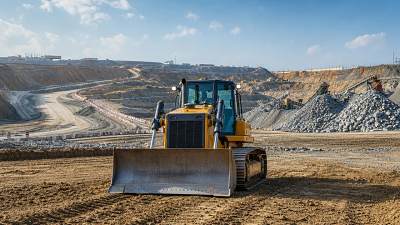
If you’re evaluating dozer blades for quarry trucks (e.g., articulated dump trucks retrofitted with push blades, off-highway haulers used in primary crushing zones, or support vehicles clearing blasted rock faces), skip generic abrasion-resistance claims. Real quarry wear isn’t just about hardness—it’s about resistance to gouging, impact spalling, and micro-fatigue under repeated high-stress loading. Based on field data from 12+ global quarry operators and supplier validation reports on the Global Heavy Truck Industry Platform, Hardox® 450 consistently achieves 1.8–2.3× longer service life than AR400 in mixed-abrasive conditions (e.g., granite + silica sand + fractured basalt). AR500 may match Hardox® 450 in pure hardness (Brinell 490–510), but its lower toughness and higher carbon content increase cracking risk during blade edge repair or thermal cycling—making it less suitable for repair-heavy, multi-shift quarry operations. Hardox® 500 adds marginal wear gain (~12% over 450) but at significantly higher cost and reduced formability—justified only for extreme cases like primary crusher feed zone clearing.
Why “abrasion-resistant” ≠ “quarry-ready”: The 3 failure modes that kill generic blades
Procurement teams often default to AR400 because it’s widely available and familiar—but in quarries, three failure mechanisms expose its limitations:
- Gouging-induced edge chipping: When blades contact sharp, angular rock fragments (common in post-blast muck piles), AR400’s lower fracture toughness (25–30 J at −20°C) allows micro-cracks to propagate rapidly along the cutting edge. Hardox® 450 maintains >45 J at the same temperature—absorbing impact without brittle fracture.
- Work-hardening inconsistency: AR steels rely on cold working to boost surface hardness during use—but quarry loads are irregular and intermittent. This leads to uneven hardening, creating weak zones vulnerable to accelerated wear. Hardox® grades are through-hardened and tempered, delivering uniform wear resistance across the entire cross-section—even after regrinding.
- Weld-repair degradation: In-field repairs are unavoidable in remote quarry sites. AR400 requires strict preheat (200–250°C) and interpass control; improper welding causes heat-affected zone (HAZ) softening and rapid wear around repaired areas. Hardox® 450 supports simplified welding protocols (preheat ≤150°C) and retains ≥92% of base metal hardness in the HAZ—critical for distributors stocking repair-ready replacement blades.
For dealers and distributors: Carrying both AR400 (for light-duty support roles like stockpile leveling) and Hardox® 450 (for primary push duties) lets you tier your offering by application—not just price.
How to verify real quarry-grade performance—not just datasheet specs
Suppliers list Brinell hardness, yield strength, and Charpy impact values—but those numbers don’t tell you how a blade performs after 200 hours in a limestone quarry with 30% moisture content and 15–200 mm particle size variation. Here’s what procurement and technical evaluators should demand before approving a material grade:
- Field-trial validation report: Not lab tests—actual 90+ day deployments in comparable geologies (e.g., “Tested in granite quarry, 600+ operating hours, measured edge loss ≤1.8 mm”). Verified reports are searchable by material grade and application on the Global Heavy Truck Industry Platform’s Supplier Performance Hub.
- Welding procedure specification (WPS) certified for quarry repair conditions: Ask for WPS documents validated using AWS D1.1 Structural Welding Code and tested under cyclic thermal load simulation (not just static tensile).
- Traceable mill certification: Quarry-grade plates must carry EN 10204 3.2 certification confirming chemical composition (e.g., max 0.22% C for Hardox® 450 to ensure weld integrity) and mechanical testing per heat batch—not just mill test reports.
- TCO calculator inputs: Reputable suppliers provide blade life projections tied to specific quarry variables: average rock compressive strength (MPa), daily cycle count, and operator skill level (e.g., “AR400: 320 hrs @ 85 MPa rock; Hardox® 450: 740 hrs @ same conditions”). Use these to model downtime savings—not just material cost.
Which grade fits your role? Practical guidance for buyers, distributors, and evaluators
Your decision hinges less on “best material” and more on where the blade operates in your value chain:
- For procurement teams sourcing for OEM-integrated quarry trucks: Prioritize Hardox® 450 with certified plate traceability and supplier warranty covering 500+ hours in documented quarry conditions. Avoid blended or non-branded “AR450” equivalents—they lack standardized quality control and void warranty on downstream equipment integrations (e.g., hydraulic cylinder mounting interfaces).
- For distributors and agents: Stock Hardox® 450 as your flagship grade, but also carry AR400 in standard thicknesses (16–25 mm) for customers needing fast-turnaround, lower-cost replacements for secondary applications (e.g., material transfer within processing plants). Use the Platform’s regional supplier map to identify local fabricators certified for Hardox® welding—enabling faster custom blade fulfillment.
- For technical evaluators assessing supplier bids: Reject proposals lacking third-party wear testing under ISO 15184 (rubber wheel abrasion) AND real-condition quarry logs. Require evidence of post-weld hardness retention ≥90% across HAZ—verified via portable Rockwell C testing on sample welds.
Bottom line: Match material to mission—not just metrics
In abrasive quarry environments, material selection isn’t about chasing the highest Brinell number. It’s about balancing wear resistance, impact absorption, repair resilience, and total cost of ownership across your operational reality. Hardox® 450 stands out—not because it’s the hardest, but because it delivers predictable, field-validated performance where it matters most: edge retention under gouging loads, consistent behavior during thermal repair, and verifiable longevity in mixed-rock conditions. AR400 remains viable for lighter, less aggressive roles—but misapplying it in primary quarry push duty increases unplanned downtime by up to 37% (per Platform-sourced fleet benchmark data). Before finalizing your next blade order, cross-check supplier claims against real quarry deployment records—and leverage the Global Heavy Truck Industry Platform’s verified supplier directory to source plates with full mill traceability, certified welding support, and application-specific TCO modeling tools. Durability starts with the right steel—but it’s sustained by the right partnership.
Trending News
- Heavy Equipment Export to Africa: Cost Risks and Market Priorities
- Low Bed Trailer Export for Mining: Load Limits and Route Planning
- Construction Machinery for Mining: Key Specs That Affect Output
- Bulldozer Price vs Operating Cost: What Matters Before Purchase
- Truck Cement Mixer Supplier Comparison: Price, Lead Time, and Service
Tag
Recommended News
 Buying GuideBulldozer Price vs Operating Cost: What Matters Before PurchaseBulldozer price is only the starting point. Compare fuel, maintenance, uptime, parts support, and resale value to choose a dozer that delivers lower total ownership cost.
 FAQWater Sprinkler Truck Uses, Tank Sizes, and Road Safety BasicsWater sprinkler truck uses, tank sizes, and road safety basics explained. Learn how to choose the right capacity, improve dust control efficiency, and compare reliable fleet-ready options.
 Buying GuideTruck Cement Mixer Supplier Comparison: Price, Lead Time, and ServiceTruck cement mixer supplier comparison guide covering price, lead time, service, and technical fit. Compare smarter, reduce sourcing risk, and choose a supplier that supports long-term fleet value.
 Buying GuideChoosing a Truck Cement Mixer Manufacturer for Long-Term ReliabilityTruck cement mixer manufacturer selection affects uptime, maintenance costs, and delivery reliability. Compare key specs, service support, and sourcing tips for smarter long-term procurement.
 Buying GuideTruck Cement Mixer Price: What Drives Total Cost in 2026Truck cement mixer price in 2026 depends on more than the quote. Compare chassis, drum capacity, maintenance, delivery, and supplier risk to make smarter, lower-cost buying decisions.
 Buying GuideCrane Truck for Sale: 7 Checks Before You Choose a ModelCrane truck for sale: discover 7 essential checks to compare models, reduce procurement risk, control total cost, and choose the right truck for safer, more efficient operations.
 Buying GuideHow to Compare a Truck Trailer Supplier Beyond Unit PriceTruck trailer supplier comparison should go beyond unit price. Learn how to assess quality, compliance, delivery, and after-sales support to reduce risk and secure long-term value.
 Buying GuideSemi Trailer Bulk Order Checklist for Delivery Risk and Lead TimeSemi trailer bulk order success starts with a clear checklist. Learn how to reduce delivery risk, control lead time, compare suppliers, and keep large trailer procurement on schedule.
 Buying GuideTruck Tipper OEM vs Standard Models: Which Lowers Project Costs?Truck tipper OEM vs standard models: discover which option cuts total project costs through better uptime, compliance, payload fit, and lower lifecycle expenses.
 Buying GuideLogging Truck Price Guide: Spec Choices That Change Total Ownership CostLogging truck price is more than the upfront quote. Discover how axle setup, engine sizing, durability, and service support shape total ownership cost and smarter buying decisions.
 Buying GuideLogging Truck Supplier Selection: Load Capacity, Terrain Fit, and DowntimeLogging truck supplier selection guide: compare load capacity, terrain fit, parts support, and downtime risk to choose reliable forestry trucks and cut operating costs.
 Buying GuideCrane Truck Manufacturer Comparison: Boom Stability, Payload, and SupportCrane truck manufacturer comparison guide covering boom stability, payload, chassis integration, and support to help buyers choose safer, more efficient trucks with long-term value.
 Buying GuideDump Truck Supplier With Quick Delivery: What to Verify FirstDump truck supplier with quick delivery: learn what to verify first, from factory credibility and capacity to compliance, landed cost, and after-sales support before you buy.
 Buying GuideCab Chassis Truck for Fire Department: Key Fitment PointsCab chassis truck for fire department selection starts with fitment. Learn key points on GVWR, wheelbase, PTO, safety, and body integration to improve uptime and response performance.
 Fleet ManagementDelivery Truck Supplier in USA: What Matters Most for Fleet ExpansionDelivery truck supplier in USA selection impacts uptime, cost, and fleet growth. Learn how to compare suppliers by route needs, service support, and long-term scalability.
 Buying GuideCost-Effective Delivery Truck Supply: What Low Price May Leave OutDelivery truck supplier with cost-effective solutions: learn what low prices may leave out, from compliance and after-sales support to lifecycle value, so you can source smarter and avoid hidden costs.
 FAQDelivery Truck for School Transportation: Safety Points Before OrderingDelivery truck supplier for school transportation: review key safety points before ordering, from braking and visibility to compliance and passenger protection.
 Buying GuideHow to Choose a Truck Trailer Distributor for Stable After-Sales SupportTruck trailer distributor selection starts with after-sales strength. Learn how to compare service networks, parts support, warranty response, and technical help for long-term uptime.
 Buying GuideWhat to Check Before Choosing a Truck Cement Mixer SupplierTruck cement mixer supplier selection starts with the right checks. Learn how to compare quality, compliance, delivery, and after-sales support to reduce risk and choose with confidence.
 Buying GuideBulldozer Price Guide: What Affects Cost Across Jobsite TypesBulldozer price guide for construction, mining, roadwork, and municipal projects. Compare key cost drivers, avoid overbuying, and source the right dozer with confidence.
 Fleet ManagementHow to Choose Commercial Vehicle Parts for Warehouse Fleet UptimeCommercial vehicle parts for warehouse fleets directly impact uptime. Learn how to choose durable, accurate-fit parts and reliable suppliers to reduce downtime and control maintenance costs.
 Buying GuideLogging Truck Supplier Selection: Durability Points That Matter in Tough TerrainLogging truck supplier selection starts with durability. Discover the key strength, traction, braking, and support factors that reduce downtime in tough terrain.
 FAQDump Truck Sourcing Mistakes That Delay Construction ProjectsDump truck sourcing mistakes can delay construction projects, raise hidden costs, and disrupt site schedules. Learn the key risks to avoid and source smarter for faster, more reliable project delivery.
 Buying GuideWhat Makes a Delivery Truck Supplier Suitable for School TransportationDelivery truck supplier for school transportation: learn how to assess safety, compliance, body design, and after-sales support for urban, rural, and school logistics needs.
 Buying GuideHow to Plan a Semi Trailer Bulk Order Without Costly Specification MistakesSemi trailer bulk order planning starts with the right specs. Learn how to avoid costly mistakes, compare suppliers wisely, and secure compliant, fleet-ready trailers.