Truck dozer attachments: compatibility pitfalls when retrofitting older fleets
Truck Dozer Attachments: Compatibility Pitfalls When Retrofitting Older Fleets
Retrofitting older heavy truck fleets with truck dozer attachments promises enhanced versatility—but compatibility pitfalls can derail ROI, especially across diverse vehicle types like mixer truck, fuel tank truck, truck mining, and lowbed trailer platforms. Misalignment with hydraulic systems, frame mounting points, or control interfaces risks downtime, safety issues, and costly rework. For procurement professionals and distributors evaluating upgrades, understanding OEM specifications, interface standards, and real-world integration challenges is critical—whether deploying on truck container, wing van truck, or truck refrigerated units. This guide cuts through the noise to spotlight key compatibility checkpoints before retrofitting begins.
Why “Plug-and-Play” Is a Myth for Older Truck Platforms
Procurement teams and distributors often assume that modern dozer attachments—designed for standardized ISO 8643 or SAE J1942 mounting interfaces—will integrate seamlessly into legacy fleets. In reality, most trucks built before 2015 lack consistent frame rail geometry, hydraulic flow/pressure profiles, or CAN bus architecture needed for reliable attachment control. A fuel tank truck from 2008 may share the same chassis model number as a 2022 unit—but its hydraulic pump delivers only 18 GPM at 2,200 PSI (vs. 32 GPM/3,500 PSI today), and its frame lacks the reinforced cross-member gussets required to absorb dozer thrust loads. Without verifying these parameters *before* purchase, buyers risk ordering attachments that either won’t lift, overheat the pump, or induce dangerous frame flex under load.
The 3 Non-Negotiable Compatibility Checks (Before Quoting or Ordering)
For procurement staff evaluating suppliers and distributors vetting product listings on global B2B platforms, skip the marketing specs—go straight to these three field-tested validation steps:
- Frame Mounting Integrity Audit: Request OEM frame blueprints (not just photos) showing exact mounting point locations, rail thickness, and weldment reinforcement details. Cross-reference against the attachment’s mounting kit torque specs and load path diagrams. If the supplier cannot provide engineering-grade mounting documentation—or insists on “universal brackets”—treat it as a red flag.
- Hydraulic Interface Mapping: Match not just connector type (e.g., 1/2" ORB), but actual system capability: pump displacement, relief valve setting, reservoir capacity, and whether the truck uses open- or closed-center hydraulics. A mismatch here causes cavitation, slow cycle times, or premature valve failure—especially on mixer trucks where hydraulic priority valves already manage drum rotation and steering assist.
- Control Signal Handshake Verification: Modern dozers rely on CAN-based command signals (e.g., J1939 PGNs for blade angle, tilt, and float). Older trucks rarely support this natively. Ask suppliers: Does the solution require a standalone controller? If yes, does it log fault codes via J1587 or J1939? Can it be calibrated without proprietary software—and is calibration data exportable for fleet telematics integration?
Real-World Integration Risks by Vehicle Type
One-size-fits-all compatibility assessments fail because application context changes everything. Here’s what procurement and distribution teams must verify per platform:
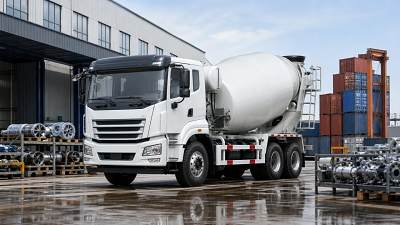
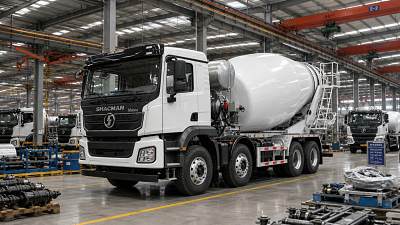
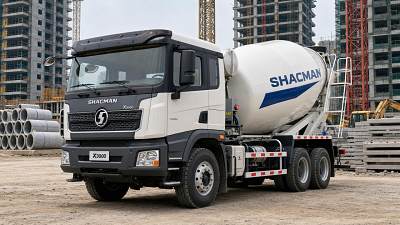
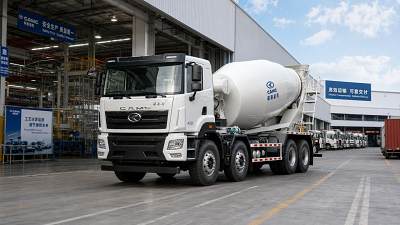
- Mixer Trucks: Frame stress concentrates near the rear axle due to drum weight + dozer load. Retrofitting requires structural analysis—not just bolt-on kits. Also, hydraulic priority valves may divert flow from the dozer during high-demand mixing cycles, causing erratic blade response.
- Fuel Tank Trucks: Explosion-proof certification (e.g., ATEX, UL 1803) applies to all electrical components—including dozer control modules. Many aftermarket controllers lack certified enclosures or intrinsically safe wiring layouts, blocking regulatory approval in North America and EU markets.
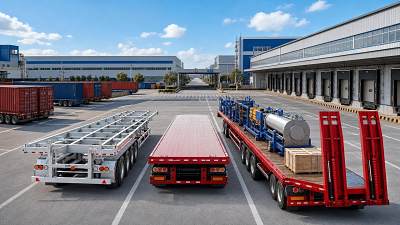
- Mining & Lowbed Trailers: These often use non-OEM chassis modifications (e.g., extended rails, custom crossmembers). Suppliers quoting “standard fit” without reviewing actual chassis photos and VIN-decoded build sheets are guessing—not engineering.
- Refrigerated & Wing Van Units: Space constraints around rear doors and refrigeration units limit blade width and swing radius. Verify dimensional clearance *with the refrigeration unit installed*, not just the bare chassis.
How Global Buyers Can De-Risk Sourcing (Without On-Site Visits)
For international procurement teams and distributors sourcing from overseas manufacturers, verification doesn’t require travel—it requires structured due diligence:
- Require suppliers to submit a Compatibility Confirmation Dossier—including OEM chassis service bulletins, hydraulic schematics annotated with flow/pressure test points, and third-party structural simulation reports (not just CAD renders).
- Use VIN decoding tools (e.g., SAE J2534-compliant services) to pull original equipment specs—not just model-year assumptions. A 2012 Kenworth W900 built for Canadian winter service has different frame specs than the same model built for Gulf Coast deliveries.
- Leverage the Global Heavy Truck Industry Platform’s verified supplier badges: Look for “Hydraulic Integration Certified” or “OEM Chassis Validation Verified” status—these indicate documented proof of successful retrofits on ≥3 distinct legacy chassis models, not just lab bench tests.
Bottom Line: Compatibility Isn’t Technical—It’s Procurement Discipline
Retrofitting older fleets with truck dozer attachments isn’t inherently risky—but proceeding without chassis-specific validation is. For procurement professionals, the highest ROI comes not from choosing the lowest-cost attachment, but from selecting the supplier who provides auditable, vehicle-level compatibility evidence. For distributors and agents, your value lies in translating OEM complexity into actionable verification checklists—not quoting generic specs. Before approving any order, ask: “What specific chassis VIN or build sheet was used to validate this fit?” If the answer is vague, delayed, or absent—you haven’t found a partner. You’ve found a liability.
Trending News
- Heavy Equipment Export to Africa: Cost Risks and Market Priorities
- Low Bed Trailer Export for Mining: Load Limits and Route Planning
- Construction Machinery for Mining: Key Specs That Affect Output
- Bulldozer Price vs Operating Cost: What Matters Before Purchase
- Truck Cement Mixer Supplier Comparison: Price, Lead Time, and Service
Tag
Recommended News
 Buying GuideBulldozer Price vs Operating Cost: What Matters Before PurchaseBulldozer price is only the starting point. Compare fuel, maintenance, uptime, parts support, and resale value to choose a dozer that delivers lower total ownership cost.
 FAQWater Sprinkler Truck Uses, Tank Sizes, and Road Safety BasicsWater sprinkler truck uses, tank sizes, and road safety basics explained. Learn how to choose the right capacity, improve dust control efficiency, and compare reliable fleet-ready options.
 Buying GuideTruck Cement Mixer Supplier Comparison: Price, Lead Time, and ServiceTruck cement mixer supplier comparison guide covering price, lead time, service, and technical fit. Compare smarter, reduce sourcing risk, and choose a supplier that supports long-term fleet value.
 Buying GuideChoosing a Truck Cement Mixer Manufacturer for Long-Term ReliabilityTruck cement mixer manufacturer selection affects uptime, maintenance costs, and delivery reliability. Compare key specs, service support, and sourcing tips for smarter long-term procurement.
 Buying GuideTruck Cement Mixer Price: What Drives Total Cost in 2026Truck cement mixer price in 2026 depends on more than the quote. Compare chassis, drum capacity, maintenance, delivery, and supplier risk to make smarter, lower-cost buying decisions.
 Buying GuideCrane Truck for Sale: 7 Checks Before You Choose a ModelCrane truck for sale: discover 7 essential checks to compare models, reduce procurement risk, control total cost, and choose the right truck for safer, more efficient operations.
 Buying GuideHow to Compare a Truck Trailer Supplier Beyond Unit PriceTruck trailer supplier comparison should go beyond unit price. Learn how to assess quality, compliance, delivery, and after-sales support to reduce risk and secure long-term value.
 Buying GuideSemi Trailer Bulk Order Checklist for Delivery Risk and Lead TimeSemi trailer bulk order success starts with a clear checklist. Learn how to reduce delivery risk, control lead time, compare suppliers, and keep large trailer procurement on schedule.
 Buying GuideTruck Tipper OEM vs Standard Models: Which Lowers Project Costs?Truck tipper OEM vs standard models: discover which option cuts total project costs through better uptime, compliance, payload fit, and lower lifecycle expenses.
 Buying GuideLogging Truck Price Guide: Spec Choices That Change Total Ownership CostLogging truck price is more than the upfront quote. Discover how axle setup, engine sizing, durability, and service support shape total ownership cost and smarter buying decisions.
 Buying GuideLogging Truck Supplier Selection: Load Capacity, Terrain Fit, and DowntimeLogging truck supplier selection guide: compare load capacity, terrain fit, parts support, and downtime risk to choose reliable forestry trucks and cut operating costs.
 Buying GuideCrane Truck Manufacturer Comparison: Boom Stability, Payload, and SupportCrane truck manufacturer comparison guide covering boom stability, payload, chassis integration, and support to help buyers choose safer, more efficient trucks with long-term value.
 Buying GuideDump Truck Supplier With Quick Delivery: What to Verify FirstDump truck supplier with quick delivery: learn what to verify first, from factory credibility and capacity to compliance, landed cost, and after-sales support before you buy.
 Buying GuideCab Chassis Truck for Fire Department: Key Fitment PointsCab chassis truck for fire department selection starts with fitment. Learn key points on GVWR, wheelbase, PTO, safety, and body integration to improve uptime and response performance.
 Fleet ManagementDelivery Truck Supplier in USA: What Matters Most for Fleet ExpansionDelivery truck supplier in USA selection impacts uptime, cost, and fleet growth. Learn how to compare suppliers by route needs, service support, and long-term scalability.
 Buying GuideCost-Effective Delivery Truck Supply: What Low Price May Leave OutDelivery truck supplier with cost-effective solutions: learn what low prices may leave out, from compliance and after-sales support to lifecycle value, so you can source smarter and avoid hidden costs.
 FAQDelivery Truck for School Transportation: Safety Points Before OrderingDelivery truck supplier for school transportation: review key safety points before ordering, from braking and visibility to compliance and passenger protection.
 Buying GuideHow to Choose a Truck Trailer Distributor for Stable After-Sales SupportTruck trailer distributor selection starts with after-sales strength. Learn how to compare service networks, parts support, warranty response, and technical help for long-term uptime.
 Buying GuideWhat to Check Before Choosing a Truck Cement Mixer SupplierTruck cement mixer supplier selection starts with the right checks. Learn how to compare quality, compliance, delivery, and after-sales support to reduce risk and choose with confidence.
 Buying GuideBulldozer Price Guide: What Affects Cost Across Jobsite TypesBulldozer price guide for construction, mining, roadwork, and municipal projects. Compare key cost drivers, avoid overbuying, and source the right dozer with confidence.
 Fleet ManagementHow to Choose Commercial Vehicle Parts for Warehouse Fleet UptimeCommercial vehicle parts for warehouse fleets directly impact uptime. Learn how to choose durable, accurate-fit parts and reliable suppliers to reduce downtime and control maintenance costs.
 Buying GuideLogging Truck Supplier Selection: Durability Points That Matter in Tough TerrainLogging truck supplier selection starts with durability. Discover the key strength, traction, braking, and support factors that reduce downtime in tough terrain.
 FAQDump Truck Sourcing Mistakes That Delay Construction ProjectsDump truck sourcing mistakes can delay construction projects, raise hidden costs, and disrupt site schedules. Learn the key risks to avoid and source smarter for faster, more reliable project delivery.
 Buying GuideWhat Makes a Delivery Truck Supplier Suitable for School TransportationDelivery truck supplier for school transportation: learn how to assess safety, compliance, body design, and after-sales support for urban, rural, and school logistics needs.
 Buying GuideHow to Plan a Semi Trailer Bulk Order Without Costly Specification MistakesSemi trailer bulk order planning starts with the right specs. Learn how to avoid costly mistakes, compare suppliers wisely, and secure compliant, fleet-ready trailers.