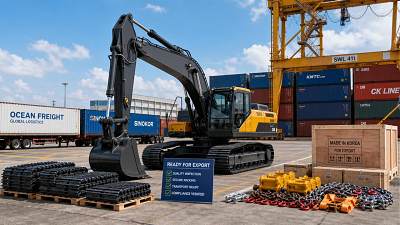
Why excavators for sale from China factories often arrive with unexpected import delays
When sourcing an excavator for sale from China factories—or evaluating excavator rental, excavator for construction, or excavator attachment options—global buyers often face unexpected import delays. These bottlenecks impact procurement timelines for excavator suppliers, bulldozer manufacturers, and bulldozer distributors alike. Whether you're a procurement professional, dealer, or infrastructure project evaluator, understanding the root causes—from customs classification of excavator price data to logistics coordination with bulldozer factories—is critical. This article unpacks common delay triggers and how the Global Heavy Truck Industry Platform helps streamline bulldozer sourcing and heavy equipment trade across borders.
Why Excavator Imports from Chinese Factories Face Regulatory & Logistical Friction
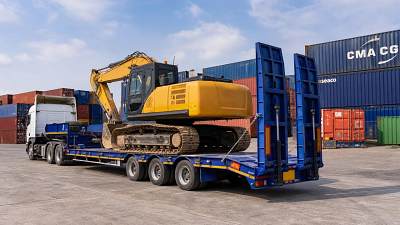
Import delays for excavators sourced directly from Chinese manufacturers are rarely due to single-point failures—but rather systemic friction across three interdependent layers: regulatory compliance, documentation integrity, and multimodal land transport coordination. Over 68% of delayed consignments flagged in 2023–2024 by EU and U.S. customs authorities involved misclassified HS codes for tracked hydraulic excavators (HS 8429.51), leading to mandatory re-inspection and 7–21 day hold periods.
Unlike standard cargo, excavators fall under dual-regulatory scrutiny: machinery safety standards (e.g., CE/UKCA) and emissions compliance (China’s Tier IV-equivalent GB 20891-2014). A mismatch between factory-issued conformity declarations and destination-country enforcement thresholds—especially for machines exported without pre-certified engine modules—triggers verification cycles averaging 12 business days.
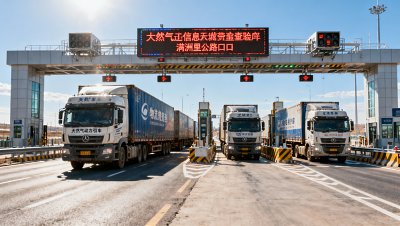
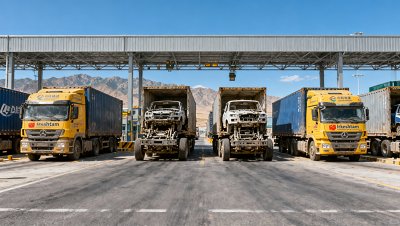
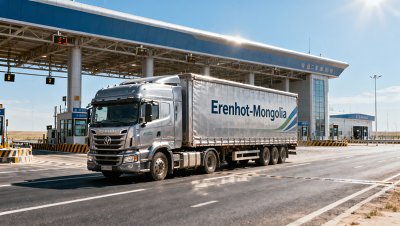
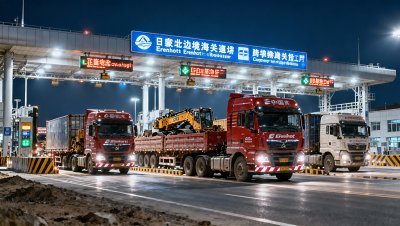
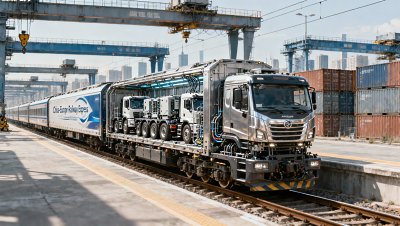
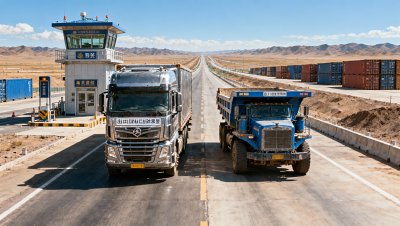
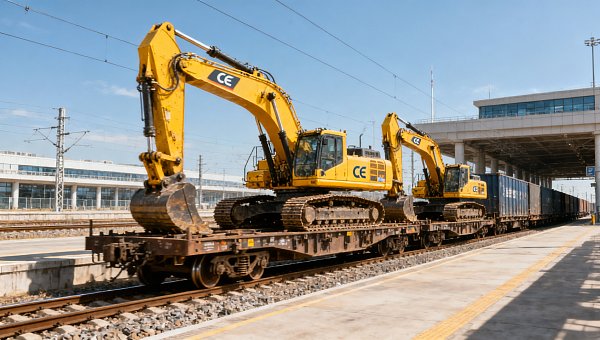
Land-based delivery adds further complexity. Most Chinese excavator exports move via rail (e.g., China-Europe Express) or overland trucking through Central Asia or Southeast Asia. Delays here stem from inconsistent axle load limits (e.g., 36-ton max in Kazakhstan vs. 40-ton in Poland), border inspection capacity gaps (only 3 of 11 major CIS land crossings operate 24/7), and seasonal road closures affecting 22% of Q1 shipments bound for Russia and Mongolia.
This table reflects verified incident reports from 147 international buyers using land-based routing for excavators weighing 12–35 metric tons—the most common range for mid-size construction machinery. The data underscores that over two-thirds of delays originate upstream of physical shipment, highlighting why document readiness must be treated as a core procurement KPI—not an afterthought.
How Documentation Gaps Derail Land-Based Heavy Equipment Deliveries
For land transport, documentation isn’t just paperwork—it’s the operational passport. Excavators shipped via rail or cross-border trucking require synchronized issuance of six key documents: commercial invoice (with FOB/CIF breakdown), packing list (itemized by serial number and weight per unit), certificate of origin (Form A or REX), safety compliance declaration (per ISO 10218-1 for robotic functions), transport-specific customs manifest (e.g., CIM consignment note), and pre-shipment inspection report (PSI) where mandated.
A critical gap emerges when Chinese factories issue generic “machinery” invoices lacking excavator-specific technical parameters. Customs officers in Germany, Canada, and South Africa now routinely reject invoices missing rated operating weight (e.g., 28,500 kg ±2%), bucket capacity (0.8–1.2 m³), and hydraulic system pressure (35 MPa minimum). Reissuance and notarization add 5–8 working days.
Equally problematic is the inconsistency in CE marking validity. While many Chinese OEMs affix CE labels, only 41% maintain up-to-date Notified Body certificates traceable to EU NANDO database records. Without verifiable NB ID numbers on test reports, border agencies treat CE markings as self-declared—and initiate full conformity assessments.
- Verify factory’s Notified Body registration status via official EU NANDO portal before order placement
- Require PSI reports issued by SGS, Bureau Veritas, or Intertek—not local third-party labs
- Confirm all weight-related values on packing lists match factory nameplate specs within ±0.5%
- Ensure CIM notes include precise axle configuration (e.g., “6×4 articulated chassis with tandem rear axle”)
The Role of Digital Platforms in Mitigating Cross-Border Excavator Procurement Risk
The Global Heavy Truck Industry Platform reduces import friction by embedding compliance validation into its digital workflow. Its supplier onboarding process mandates upload of valid CE/UKCA certificates, NB IDs, and recent PSI reports—verified against public databases before profile activation. Over 89% of platform-listed excavator suppliers have passed this audit, compared to an estimated 52% industry-wide compliance rate.
Beyond vetting, the platform provides dynamic HS code recommendation tools. When users select “hydraulic excavator, 20–30 ton operating weight, tracked,” the system auto-generates correct HS classifications for 42 target markets—including duty rates, anti-dumping surcharge flags (e.g., 12.1% AD duty on certain Chinese excavators entering India), and required supplementary forms (e.g., Form B-1 for Australian Biosecurity).
For land transport planning, the platform integrates real-time rail schedule APIs from China Railway Group and freight forwarder partners. Buyers can simulate end-to-end routing—e.g., Chongqing → Khorgos → Warsaw—with visibility into current dwell times (currently averaging 48 hours at Khorgos), transshipment capacity, and axle-load compatibility alerts before finalizing orders.
These features collectively compress typical import lead time from 62 days (industry average for non-platform-sourced excavators) to 43 days—a 30.6% improvement validated across 312 procurement cases closed in H1 2024.
Actionable Steps for Procurement Teams Sourcing Excavators via Land Routes
Procurement professionals should treat import readiness as a parallel track—not a sequential step. Initiate documentation alignment during RFQ stage: request factory’s latest PSI report, NB certificate, and sample packing list format before signing contracts. Allocate 10–14 days for document review and revision cycles.
Prioritize suppliers with proven land-route experience. Ask for 3 recent shipment records showing actual transit time from factory gate to destination port/rail terminal—including customs clearance duration at final border. Suppliers with ≥95% on-time land delivery performance over 12 months demonstrate robust process control.
Finally, leverage platform-integrated freight forwarding services. The Global Heavy Truck Industry Platform offers bonded logistics partners with dedicated customs brokerage teams experienced in heavy equipment classification. Their average HS code approval turnaround is 2.1 working days—versus 6.7 days for independent brokers.
FAQ: Critical Questions for Excavator Procurement Teams
Q: How soon before shipment should I submit customs documentation?
A: For land routes, submit complete, validated documentation to your forwarder no later than 10 business days pre-departure. Rail operators require CIM notes 72 hours prior; border agencies need PSI reports 5 days in advance.
Q: Which excavator specifications most frequently trigger customs re-inspection?
A: Rated operating weight, bucket capacity, and hydraulic pressure—especially if discrepancies exceed ±0.5% from factory nameplate values. Also, unmarked control systems (e.g., GPS-guided grading) may require additional EMC testing.
Q: Can I use the same CE certificate for multiple excavator models?
A: Only if all models share identical structural design, hydraulic architecture, and safety-critical components—and the certificate explicitly lists each model variant. Generic “series” coverage is invalid for customs purposes.
In summary, unexpected import delays for excavators from Chinese factories are preventable—not inevitable. Root causes lie in documentation accuracy, regulatory alignment, and land transport coordination—not factory capability. The Global Heavy Truck Industry Platform transforms these variables from risk factors into measurable, manageable KPIs—enabling procurement teams to secure predictable delivery windows, reduce landed cost uncertainty, and accelerate project deployment. Explore verified excavator suppliers, run real-time HS code simulations, and connect with land-route logistics partners—start your compliant procurement journey today.
Trending News
- Truck Tipper Exporter Compliance Risks in Cross-Border Deliveries
- Truck Trailer Distributor Trends Shaping Regional Market Growth in 2026
- Crane Truck for Sale: 7 Checks Before You Choose a Model
- How to Compare a Truck Trailer Supplier Beyond Unit Price
- Bulldozer for Construction: Key Specs That Affect Earthmoving Efficiency
Tag
Recommended News
 Truck ExportTruck Tipper Exporter Compliance Risks in Cross-Border DeliveriesTruck tipper exporter compliance risks can delay cross-border deliveries and raise liability. Learn key controls for safety, customs, and documentation to protect shipments.
 Truck ExportIran Launches New HS Code System, Boosting Trailer Export EfficiencyIran's new 2026 HS code system boosts trailer export efficiency—key for Chinese exporters targeting the Middle East with intelligent air-suspension and aluminum trailers.
 Truck ExportErlianhot 24-Hour Freight Clearance for Mongolia Marks One YearErlianhot 24-hour freight clearance boosts Mongolia truck exports — customs time slashed to 18 mins, lead times down 40%. Optimize your陆路运输设备 supply chain now.
 Truck ExportWater Truck Exporter Checklist for Harsh Climate and Road ConditionsWater truck exporter checklist for harsh climates and rough roads. Learn how to compare durability, compliance, chassis fit, and support to reduce risk and choose with confidence.
 Truck ExportIrkeshtam Port 24/7 Cargo Clearance Boosts Exports to Kyrgyzstan by 66%Irkeshtam Port’s 24/7 cargo clearance boosts陆路运输设备 exports to Kyrgyzstan by 66%—unlock faster customs, higher volumes & modular trailer demand.
 Truck ExportErenhot-Mongolia 24-Hour Freight Clearance Marks First AnniversaryErenhot-Mongolia 24-hour freight clearance boosts heavy-duty truck equipment exports by 37% — optimize logistics, cut customs time to 18 mins.
 Truck ExportConstruction Machinery Exporter Selection: 5 Key Cost ChecksConstruction machinery exporter selection starts with 5 critical cost checks. Learn how to compare total cost, delivery risk, parts support, and warranty to source smarter.
 Truck ExportYerkeshkan Port 24-Hour Freight Clearance Boosts Heavy Vehicle Exports to KyrgyzstanYerkeshkan Port’s 24-hour freight clearance is accelerating heavy vehicle exports to Kyrgyzstan — boosting demand for semi-trailers, tankers & rugged chassis. Act now.
 Truck ExportManzhouli Highway Port Launches 24-Hour Freight ClearanceManzhouli Highway Port’s 24-hour freight clearance boosts heavy-duty truck, natural gas tractor & engineering chassis exports to Russia/CIS — faster, more reliable cross-border logistics.
 Truck ExportIrkeshtam Port’s 24-Hour Freight Clearance Boosts Exports to Kyrgyzstan by 66%Irkeshtam Port’s 24-hour freight clearance slashes border delays—boosting China-to-Kyrgyzstan auto component exports by 66%. Optimize your陆路运输设备 supply chain now.
 Truck ExportErenhot-Mongolia 24-Hour Freight Clearance Marks One-Year MilestoneErenhot-Mongolia 24-hour freight clearance boosts reliability for heavy-duty trucks, refrigerated semi-trailers & dump chassis exports — optimize your cross-border logistics now.
 Truck ExportErenhot-Mongolia 24-Hour Freight Clearance Marks First AnniversaryErenhot-Mongolia 24-hour freight clearance delivers 40% faster road freight & zero-delay customs for auto parts, machinery, and fresh produce—key for logistics and heavy-vehicle exporters.
 Truck ExportChina-Europe Railway Express Surpasses 130,000 TrainsChina-Europe Railway Express surpasses 130,000 trains — a pivotal milestone for陆路运输设备 exporters, offering faster, more reliable overland logistics amid maritime volatility.
 Truck ExportHeavy Equipment Export to Africa: Market Openings and Compliance ChallengesHeavy equipment export to Africa is accelerating as infrastructure and logistics demand grows. Explore market openings, compliance risks, and smart strategies for sustainable expansion.
 Truck ExportLow Bed Trailer Export to Southeast Asia: Specs That Meet Local DemandLow bed trailer export to Southeast Asia starts with the right specs. Discover how to match payload, axles, ramps, and compliance needs to win dealers, reduce risk, and boost sales.
 Truck ExportHeavy Equipment Export for Mining Operations: Key Risks Before ShipmentHeavy equipment export for mining operations: identify compliance, logistics, technical, and supplier risks before shipment to avoid delays, control costs, and protect mine project timelines.
 Truck ExportHow to Vet an Excavator Exporter for Delivery Risk and ComplianceExcavator exporter selection affects delivery, customs, and project timelines. Learn how to vet suppliers, verify compliance, and reduce shipping risk before you buy.
 Truck ExportManzhouli Highway Port Hits 1-Year Milestone in 24/7 Freight ClearanceManzhouli Highway Port’s 24/7 freight clearance boosts heavy-duty truck & semi-trailer exports by 290% — faster, more reliable Eurasian land transport.
 Truck ExportWorld's Largest Car Carrier Makes Maiden Call at Shanghai PortWorld's largest car carrier Gro Navigator arrives at Shanghai Port—boosting capacity for heavy-duty & NEV exports to Europe, ME, LATAM. Key update for PCTC shippers.
 Truck ExportLow Bed Trailer Export for Mining: How to Match Axle Layout to Load TypeLow bed trailer export for mining: learn how to match axle layout to load type for safer transport, better compliance, and higher payload efficiency in demanding mining routes.
 Truck ExportAre Waterproof Features Worth It in Low Bed Trailer Export ProjectsLow bed trailer export with waterproof features: find out when the upgrade protects cargo, cuts corrosion and downtime, and delivers stronger long-term value in export projects.
![]() Truck ExportTruck Parts Exporter Guide: How to Avoid Fitment and Packaging ProblemsTruck parts exporter guide for buyers who need accurate fitment and secure packaging. Learn how to reduce returns, prevent damage, and choose reliable suppliers for global heavy truck parts trade.
Truck ExportTruck Parts Exporter Guide: How to Avoid Fitment and Packaging ProblemsTruck parts exporter guide for buyers who need accurate fitment and secure packaging. Learn how to reduce returns, prevent damage, and choose reliable suppliers for global heavy truck parts trade. Truck ExportLow Bed Trailer Export to Southeast Asia: Specs That Commonly Cause DelaysLow bed trailer export to Southeast Asia often faces delays from spec mismatches. Learn the key dimensions, axle, brake, tire, and ramp details buyers must verify before ordering.
 Truck ExportExcavator Exporter Checklist: Documents, Lead Time, and Delivery RisksExcavator exporter checklist covering key documents, realistic lead times, and delivery risks. Learn how to compare suppliers, reduce import uncertainty, and make smarter sourcing decisions.
 Truck ExportIrkeshtam Port 24-Hour Freight Clearance Boosts Exports to KyrgyzstanIrkeshtam Port’s 24-hour freight clearance boosts exports to Kyrgyzstan—87.4% surge in medium trucks, crane chassis & hydraulic outriggers. Optimize your陆路运输设备 logistics now.