Truck Trailer Wholesale Risks to Check Before Ordering
Truck Trailer Wholesale Risks to Check Before Ordering
Ordering through truck trailer wholesale channels can expand inventory quickly and improve margins, but the risks deserve careful review.
Supplier credibility, certification, specification accuracy, service terms, and shipping conditions all affect profitability, compliance, and long-term customer trust.
A clear checklist helps reduce costly mistakes before bulk trailers enter logistics, construction, mining, or municipal transport operations.
Why Truck Trailer Wholesale Needs Checklist-Based Review
Truck trailer wholesale purchasing involves larger quantities, longer delivery routes, and higher financial exposure than single-unit sourcing.
Small errors in axle configuration, brake standards, or payload rating can become major after-sales disputes across multiple units.
A checklist gives structure to price comparison, supplier screening, technical validation, and delivery acceptance.
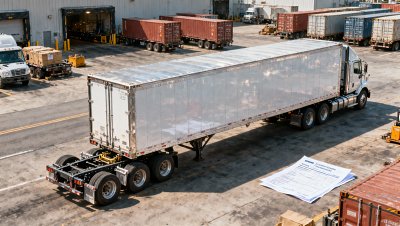
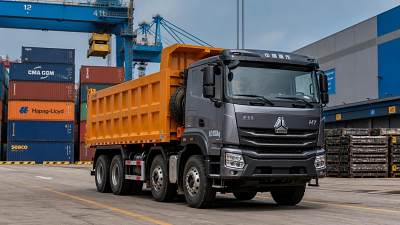
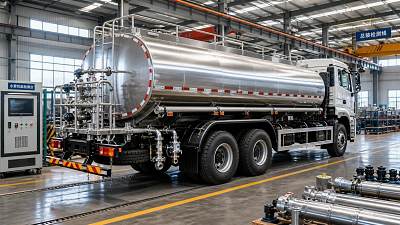
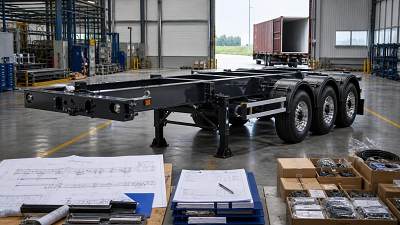
It also supports consistent evaluation when comparing flatbed trailers, lowbed trailers, tank trailers, dump trailers, and container chassis.
Core Truck Trailer Wholesale Checklist Before Ordering
Use the following checklist before confirming any truck trailer wholesale agreement, especially when sourcing from new international suppliers.
- Verify business registration, export history, factory address, and production scope before discussing bulk pricing or deposit arrangements.
- Request trailer specifications in writing, including axle brand, suspension type, steel grade, payload capacity, dimensions, and brake system.
- Check whether certificates match destination regulations, including lighting, braking, VIN, load rating, and road safety requirements.
- Compare total landed cost, not only unit price, by adding freight, insurance, duties, inland delivery, inspection, and port charges.
- Confirm production lead time, batch schedule, and penalty terms if the supplier delays shipment during peak logistics seasons.
- Ask for recent inspection reports, welding photos, paint thickness records, and pre-shipment testing evidence for similar trailer models.
- Review warranty coverage carefully, including frame cracks, axle defects, hydraulic issues, spare parts supply, and claim response time.
- Define packaging, anti-rust treatment, loading method, and lashing responsibility to reduce damage during sea or land transport.
- Use clear payment milestones linked to documents, inspection approval, and shipping confirmation instead of vague verbal promises.
- Record all changes to drawings, accessories, paint color, tires, electrical plugs, and optional systems before final production starts.
Supplier Credibility Risks in Truck Trailer Wholesale
The first risk in truck trailer wholesale is not always product quality. It is often supplier reliability.
A low quotation may hide outsourcing, weak quality control, unstable capacity, or limited export experience.
Request supplier profiles, business licenses, production videos, client references, and export documents from recent trailer shipments.
If possible, arrange factory inspection through a third party before releasing a large deposit.
- Check whether the supplier actually manufactures trailers or only resells from several factories without stable technical control.
- Review how quickly technical questions are answered, because slow responses before payment often become worse after delivery.
- Confirm whether the supplier can provide spare parts, documents, and warranty support in the destination market.
Specification and Compliance Risks
In truck trailer wholesale, specification mistakes can affect every unit in the order.
A trailer may look correct but fail local road limits, axle load rules, lighting standards, or coupling requirements.
Always compare the technical sheet with the actual operating environment before confirming production.
Key technical points to confirm
- Match axle number, axle load, tire size, and suspension design with legal road limits and expected cargo weight.
- Confirm kingpin size, fifth wheel height, electrical connector, air line layout, and tractor compatibility.
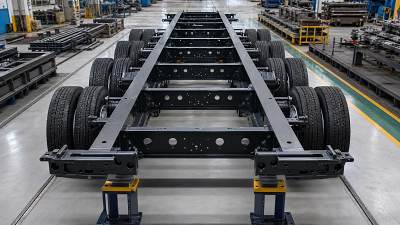
- Review frame structure, crossmember spacing, steel thickness, and reinforcement design for high-frequency loading operations.
- Validate brake type, ABS requirements, side guards, reflectors, lighting color, and rear underrun protection.
For cross-border truck trailer wholesale, ask suppliers to identify which standards are included and which require extra cost.
Price, Payment, and Contract Risks
Unit price is important, but the cheapest truck trailer wholesale offer may carry hidden expenses.
Some quotations exclude key components, certification, paint upgrades, spare tires, toolboxes, or destination documents.
The contract should define model, quantity, configuration, delivery term, inspection method, and dispute handling.
- Avoid paying a high deposit before receiving stamped proforma invoices, drawings, bank details, and supplier verification.
- Use payment stages tied to production progress, inspection approval, and bill of lading release.
- Clarify whether prices are based on FOB, CIF, CFR, EXW, or another Incoterms arrangement.
A complete truck trailer wholesale contract reduces arguments when freight rates, material costs, or delivery dates change unexpectedly.
Quality Inspection Before Shipment
Pre-shipment inspection is essential for truck trailer wholesale orders because rework after arrival is expensive.
Inspection should cover structure, welding, dimensions, paint, hydraulics, tires, brakes, wiring, and accessories.
Ask for photos and videos, but do not rely on edited materials alone for large orders.
Recommended inspection actions
- Measure sample units against approved drawings before the full batch leaves the production yard.
- Check weld continuity, deformation, frame alignment, paint coverage, rust spots, and hydraulic leakage points.
- Test braking, lighting, air pressure, landing gear, tailgate function, ramps, valves, and electrical connections.
- Confirm nameplates, VIN markings, manuals, certificates, and spare parts lists match the contract.
Shipping and Delivery Risks
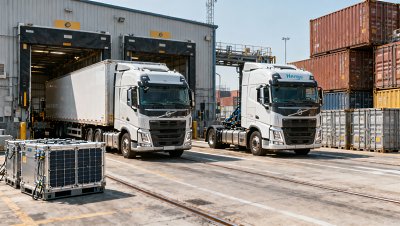
Truck trailer wholesale logistics can involve port congestion, oversize cargo handling, customs delays, and container limitations.
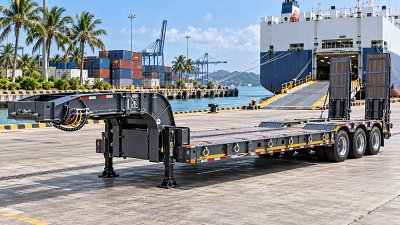
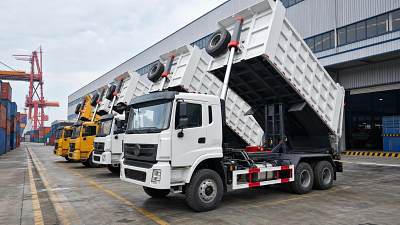
Flatbed, lowbed, tanker, and dump trailer shipments may require different loading and securing plans.
Confirm whether trailers ship by bulk carrier, roll-on roll-off vessel, containerized parts, or road transport.
- Ask who pays for port storage, demurrage, cleaning, lifting, lashing, and unexpected inspection charges.
- Review marine insurance coverage, claim procedures, and required damage evidence before shipment starts.
- Confirm document accuracy, including invoice, packing list, bill of lading, certificate of origin, and inspection certificate.
For truck trailer wholesale, logistics planning should begin before production, not after the units are ready.
Application Scenarios That Need Extra Review
Long-distance logistics
For highway freight, focus on durability, tire wear, fuel efficiency, braking stability, and quick maintenance access.
Truck trailer wholesale orders for logistics fleets should prioritize standardized components and reliable spare parts availability.
Construction and infrastructure transport
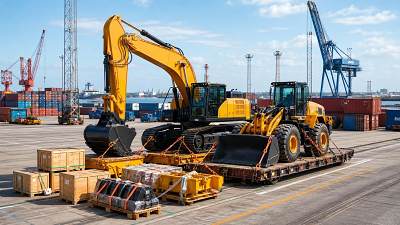
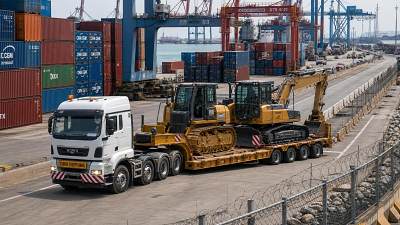
Construction trailers often carry excavators, steel structures, cement, sand, or oversized machinery.
Check ramps, deck height, frame reinforcement, hydraulic systems, and loading angles before confirming truck trailer wholesale specifications.
Mining and heavy industrial sites
Mining routes may include rough roads, heavy payloads, dust, vibration, and continuous operating cycles.
Choose stronger suspension, reinforced chassis, protected air lines, and reliable tipping systems for such truck trailer wholesale orders.
Common Overlooked Risks
Ignoring local registration rules. A trailer may pass factory inspection but fail registration because of VIN format, lighting layout, or documentation gaps.
Accepting unclear warranty language. Warranty promises should state covered parts, claim process, response time, and responsibility for labor or freight.
Overlooking spare parts consistency. Mixed axle, valve, tire, or suspension brands can complicate maintenance after truck trailer wholesale delivery.
Skipping sample confirmation. A sample unit or prototype review helps detect design errors before the full batch enters production.
Trusting photos without inspection. Photos show appearance, but they rarely prove weld strength, frame alignment, brake reliability, or paint durability.
Practical Execution Advice
Start with a written requirement sheet before requesting truck trailer wholesale quotations.
Include cargo type, route condition, legal limits, tractor model, preferred components, delivery schedule, and certification needs.
Shortlist suppliers through verified B2B platforms, industry directories, export records, and technical communication quality.
Then compare offers using the same specification sheet, not different supplier brochures.
- Prepare a comparison sheet covering price, configuration, lead time, warranty, documents, inspection, and shipping term.
- Request drawings and component lists before contract signing, especially for customized trailer structures.
- Use third-party inspection for first orders, large batches, or unfamiliar suppliers.
- Keep all approvals, changes, and inspection records in writing for future warranty and dispute handling.
Summary and Next Steps
Truck trailer wholesale can support fast inventory growth, wider market coverage, and stronger margin control.
However, success depends on disciplined checking before payment, production, inspection, and shipment.
Review supplier credibility, technical compliance, contract terms, quality control, shipping risks, and after-sales support as one connected process.
Before placing the next truck trailer wholesale order, build a checklist, compare verified suppliers, and confirm every detail in writing.
A structured approach helps reduce risk, protect capital, and deliver trailers that match real transport demands.
Trending News
- How to verify spare parts availability with a crane truck supplier
- How to verify a truck trailer OEM's claimed payload capacity
- How does operating weight affect the price of a new excavator?
- How to compare concrete mixer truck suppliers by total landed cost
- How axle load limits affect low bed trailer exports to Southeast Asia
Tag
Recommended News
 Truck ExportWhat documents are needed to export a low bed trailer to Southeast Asia?Low bed trailer export to Southeast Asia: discover essential shipping, customs, origin, and technical documents to avoid delays and ensure smooth import clearance.
 Truck ExportHow to verify supplier reliability when sourcing bulldozers overseasBulldozer sourcing made safer: learn how to verify overseas suppliers, inspect quality, confirm specifications, manage export documents, and reduce lifecycle risk.
 Truck ExportWhat paperwork is required for heavy equipment export shipments?Heavy equipment export paperwork explained: invoices, customs filings, bills of lading, origin certificates, technical approvals, and compliance records for smoother global shipments.
 Truck ExportHow to reduce quality risks when sourcing dump trucks overseasDump truck sourcing made safer: learn how to verify suppliers, control specifications, meet compliance rules, and inspect trucks before shipment.
 Truck ExportChina’s Electric Heavy Truck Exports Double in Four Months, With South and Southeast Asia LeadingChina’s electric heavy truck exports doubled in four months, with South and Southeast Asia leading demand. Explore compliance, delivery, and market-entry opportunities now.
 Truck ExportU.S. Final Ruling on Chinese Box Trailers Nears, Exporters Brace for ComplianceChinese box trailer exporters face the U.S. final ruling on anti-dumping duties. Learn how pricing, HS code compliance, contracts, and supply chains may be impacted.
 Truck ExportWhat to check before choosing a dump truck exporterDump truck exporter guide: discover the key checks before buying, from truck specs and compliance to export support, and avoid costly sourcing mistakes.
 Truck ExportBaosteel’s EN 15804+A2 EPD Signals a New Compliance Layer for Heavy Plate ExportsBaosteel’s EN 15804+A2 EPD Signals a New Compliance Layer for Heavy Plate Exports, showing how carbon disclosure and verified documentation may reshape export approval, sourcing, and OEM screening.
 Truck ExportHow to Evaluate a Water Truck Exporter for Build Quality and After-Sales SupportWater truck exporter selection starts with more than price. Learn how to assess build quality, compliance, parts support, and after-sales service before placing an order.
 Truck ExportHow to Evaluate a Semi Trailer Exporter for Compliance, Lead Time, and After-Sales SupportSemi trailer exporter evaluation made practical: learn how to verify compliance, compare real lead times, and assess after-sales support before choosing a reliable supplier.
 Truck ExportConstruction Machinery Exporter Checklist for Overseas Delivery RisksConstruction machinery exporter checklist for overseas delivery risks: learn how to reduce damage, customs delays, document errors, and cost exposure before shipment.
 Truck ExportChina Adds Battery Carbon Footprint Filing for NEV Truck ExportsChina adds battery carbon footprint filing for NEV truck exports, reshaping customs clearance, lead times, and export costs. Learn who is affected and how to prepare now.
 Truck ExportTruck Trailer OEM Checklist: Key Quality Points Before Supplier ApprovalTruck trailer OEM approval starts with the right checklist. Discover key quality, compliance, and audit points to screen suppliers, reduce sourcing risk, and choose with confidence.
 Truck ExportHeavy Equipment Export to Africa: Hidden Cost Risks Beyond Unit PriceHeavy equipment export to Africa involves more than unit price. Discover hidden costs in logistics, customs, parts, and after-sales support to make smarter, lower-risk buying decisions.
 Truck ExportTruck Tipper Exporter Checklist: 7 Risks to Review Before SigningTruck tipper exporter checklist: review 7 critical risks before signing, from compliance and quality control to delivery, warranty, and payment protection.
 Truck ExportChina Customs Rolls Out 2026 Export Truck GuideChina Customs Rolls Out 2026 Export Truck Guide: learn how new battery safety, automated driving data compliance, and GCC certification checks could impact truck exports and shipment readiness.
![]() Truck ExportWhat OEM Services Really Matter in a Commercial Trucks ManufacturerCommercial trucks manufacturer with OEM services: learn which OEM capabilities truly protect uptime, compliance, parts access, and fleet cost before you shortlist suppliers.
Truck ExportWhat OEM Services Really Matter in a Commercial Trucks ManufacturerCommercial trucks manufacturer with OEM services: learn which OEM capabilities truly protect uptime, compliance, parts access, and fleet cost before you shortlist suppliers. Truck ExportCommercial Trucks Manufacturer in China: Export Quality Standards to CheckCommercial trucks manufacturer in China: learn which export quality standards, certifications, factory controls, and compliance checks reduce sourcing risk and protect fleet performance.
 Truck ExportMexico Cuts PROSEC Duty on Truck Chassis, Adds Audit RuleMexico Cuts PROSEC Duty on Truck Chassis to 0% from July 2026, but new audit rules and a 35% localization threshold raise compliance risks. Learn what importers must do to stay eligible.
 Truck ExportAlashankou Opens Priority Clearance for New Energy TrucksAlashankou opens priority clearance for new energy trucks, cutting export customs time by 3.2 days. Learn how UN38.3, GB 38031, and ECE R100.03 compliance can speed rail deliveries.
 Truck ExportDump Truck Supplier in Brazil: Import Costs, Lead Times, and Compliance PointsDump truck supplier in Brazil guide: compare real import costs, lead times, and compliance points to avoid delays, control landed cost, and choose a reliable supplier faster.
 Truck ExportCommercial Trucks Manufacturer in China: How to Compare Factory StrengthCommercial trucks manufacturer in China comparison guide: learn how to assess factory strength, quality control, certifications, and export capability for safer, smarter sourcing.
 Truck ExportTruck Cement Exporter Checklist for Cross-Border Compliance and DeliveryTruck cement exporter checklist for cross-border success: verify compliance, documents, packaging, and delivery planning to reduce risk and choose reliable suppliers with confidence.
 Truck ExportIndia Cuts HS 8701.20 Export Rebate to 9%India Cuts HS 8701.20 Export Rebate to 9%: learn how the DGFT move impacts electric heavy truck chassis pricing, margins, contracts, and India-bound supply chain planning.
 Truck ExportVietnam Halts Non-EVTA Truck Import FilingsVietnam Halts Non-EVTA Truck Import Filings: learn how MOIT’s new rule affects Chinese heavy trucks, EVTA Form EUR.1 compliance, shipment risk, and Vietnam delivery planning.