How to verify supplier reliability when sourcing bulldozers overseas
How to Verify Supplier Reliability When Sourcing Bulldozers Overseas
Overseas bulldozer sourcing can unlock competitive prices and broader equipment choices, but supplier reliability must be verified before any payment or shipment. For procurement professionals, evaluating manufacturer credentials, production capacity, quality controls, export experience, and after-sales support is essential to reducing cross-border purchasing risk. This guide outlines practical steps to identify trustworthy bulldozer suppliers and make confident, informed sourcing decisions.
A bulldozer is not a simple imported commodity. Its working condition is shaped by soil type, blade application, operating hours, climate, fuel quality, maintenance practices, and the availability of parts long after delivery. A low quotation may look attractive at the tender stage, yet become expensive if the machine arrives with the wrong configuration, unclear documentation, or no realistic route to obtain undercarriage components. Reliable bulldozer sourcing therefore starts with supplier verification, but it must end with a delivery and lifecycle plan.
Separate the Supplier’s Identity From Its Online Presentation
A polished website, a large product catalogue, and fast replies do not by themselves prove that a seller builds bulldozers. In international equipment trade, a listing may be published by a manufacturer, an authorized distributor, an export trading company, or an intermediary with limited technical control over the equipment. None of these business models is automatically unacceptable. The issue is whether the supplier clearly represents its role and can support the obligations it is offering.
Ask early: Who will appear as the contractual seller? Who owns or controls the production line? Who performs final assembly and pre-shipment testing? Who will supply warranty parts? If the supplier is a trader, request the name and location of the actual manufacturer and confirm whether the trader has documented authority to export, quote, and coordinate technical matters on that manufacturer’s behalf.
Basic company documents should match across the quotation, bank account, commercial registration, factory address, export paperwork, and contract draft. Differences do not necessarily indicate fraud—group companies often use separate sales entities—but they should be explained in writing. Be cautious when payment is requested to an unrelated personal account, when the registered business scope appears disconnected from machinery trade, or when the supplier avoids providing a verifiable office or factory location.
Verify That the Factory Can Build the Machine You Are Buying
For a bulldozer order, production capability is more meaningful than a generic claim of “strong capacity.” The buyer needs evidence that the factory can manufacture, assemble, inspect, and document the specific machine class and configuration under discussion. A supplier may be competent at supplying compact equipment or standard agricultural tractors while relying on another party for heavier crawler machinery.
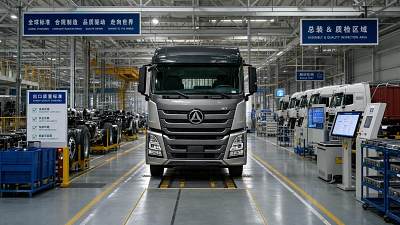
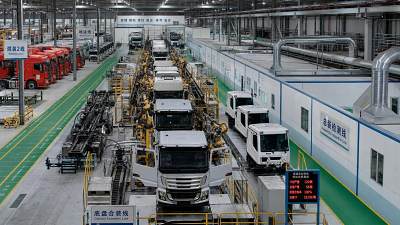
A factory visit is preferable for strategic purchases, fleet orders, or projects with strict acceptance requirements. If a visit is impractical, arrange a structured live video audit rather than accepting edited promotional footage. During the call, ask the supplier to move through the facility in real time: production or assembly areas, incoming-parts storage, welding or fabrication sections where relevant, paint preparation, test ground, finished-machine yard, and spare-parts warehouse. The purpose is not to judge factory size from a camera feed. It is to confirm that operations, people, equipment, and product flow align with the supplier’s claims.
Request photographs or videos of machines at different stages of completion, showing traceable serial or production identifiers where commercially appropriate. For a unit reportedly ready for shipment, ask for current-date images that include the actual machine, its serial number, blade configuration, ripper if specified, cabin or canopy arrangement, and any requested attachments. A supplier that cannot show the exact unit should state whether the offer is for stock, scheduled production, or an illustrative model.
Look Beyond the Main Machine
Bulldozer reliability is strongly affected by supporting components and service readiness. Ask where the engine, transmission, final drives, hydraulic pumps, hoses, track chains, rollers, sprockets, cutting edges, and filters come from. The aim is not to demand a particular brand without project justification; it is to establish a stable parts path and determine whether component references can be identified after delivery.
A useful supplier can explain which components are proprietary, which are sourced externally, and which wear parts can be cross-referenced. Vague answers such as “all parts are high quality” are not enough for a procurement file. Request a recommended initial spare-parts list based on the intended application, especially for remote infrastructure, quarry support, mining access roads, land clearing, or municipal earthmoving work. This discussion often reveals more about a supplier’s technical maturity than the headline equipment price.
Turn the Specification Into a Verification Tool
Many disputes in bulldozer sourcing arise because the buyer compares model names while the actual configurations differ. Two machines described as the same horsepower class may have different operating weights, blade capacities, track shoe widths, emissions arrangements, cabin equipment, control systems, ripper options, and transport dimensions. A dependable supplier should be willing to convert the commercial offer into a detailed, signed technical schedule.
The schedule should identify the exact model and variant, engine model, rated power basis, operating weight, blade type and capacity, undercarriage arrangement, shoe width, ground pressure where supplied by the manufacturer, transmission or drive configuration, cabin features, optional equipment, included tools, and supplied documents. It should also specify whether the quoted machine is new, remanufactured, or used. For used bulldozers, hour-meter readings, maintenance history, structural repairs, undercarriage condition, and engine or transmission work require separate scrutiny.
Do not treat technical detail as an engineering exercise separate from cost control. Track shoes suitable for soft ground may be less appropriate for abrasive rocky conditions. A basic canopy may be acceptable for certain applications, while a climate-controlled cab may be necessary for operator retention and safe, consistent work in extreme temperatures. The least expensive unit can be the wrong purchase if it does not match site conditions or local operator expectations.
Review Quality Controls Before You Rely on a Warranty
Warranty language is useful, but it is not a substitute for inspection. Once a machine has crossed borders and entered a project site, diagnosing responsibility for a defect can become slow and costly. A stronger approach is to examine how quality is checked before the bulldozer leaves the factory.
Ask for the supplier’s pre-delivery inspection process. It should cover practical items such as fluid leaks, track tension, operation of blade and ripper controls, steering response, gauges, lights, alarms, electrical connections, fastener checks, fluid levels, and visible damage. The exact test content will depend on the machine and factory process, but the inspection record should relate to the ordered unit rather than a generic blank form.
For higher-value purchases, appoint an independent inspection provider or a technically qualified representative to inspect before final payment or shipment release. The inspection scope should be agreed before the order: identity verification, quantity, configuration, workmanship, functional testing where possible, packaging, and document review. Independent inspection does not eliminate all risk, but it adds a decision point before the machine is handed to the carrier.
If the destination market has emissions, safety, registration, import, or operator-cab requirements, raise them before the production schedule is confirmed. The supplier should provide relevant evidence for the offered configuration, while the buyer or local importer should validate applicability with the appropriate authorities and project stakeholders. Assuming that a document accepted in one country will automatically satisfy another market is a common and avoidable error.
Assess Export Experience Through Documents, Not Claims
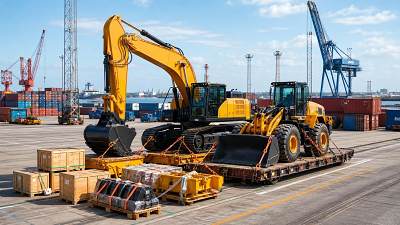
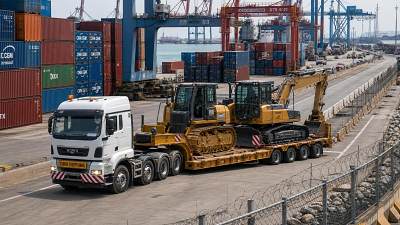
A supplier may manufacture capable equipment yet still struggle with export execution. Bulldozers require careful transport planning because dimensions, weight, blade installation, loose accessories, and port handling can affect cost and timing. Depending on the machine and route, shipment may involve containerized transport, flat-rack arrangements, or breakbulk and roll-on/roll-off options. The appropriate method must be reviewed against actual dimensions, port capabilities, inland transport restrictions, and cargo protection needs.
Ask the supplier to explain what shipping documents it normally provides and which party is responsible for each step under the agreed Incoterms rule. The commercial invoice, packing list, bill of lading or equivalent transport document, certificate of origin where required, technical manuals, and packing details should be discussed before shipment—not after the vessel has departed. If a bulldozer is partially disassembled for transport, confirm exactly what will be removed, who will perform reassembly, and whether the tools, instructions, and torque requirements are included.
Experienced exporters also ask sensible questions about the destination: port of discharge, inland route, customs broker, unloading equipment, local fuel, expected working environment, and commissioning support. A supplier that only gives a port price without asking operational questions may still be suitable, but the buyer should assume more responsibility for closing those gaps.
Compare Landed Cost and Downtime Exposure, Not Just FOB Price
The quoted bulldozer price is only one line in the acquisition budget. Procurement teams should compare offers on a common basis that includes export packing, inland delivery to the loading point where relevant, ocean freight, insurance, customs duties and taxes, port charges, local transport, unloading, assembly, commissioning, initial consumables, and recommended spare parts. Some costs sit with the buyer under the chosen delivery term, but they remain part of the project’s real cost.
The less visible cost is downtime. Before selecting a supplier, calculate what happens if a hose, track roller, cutting edge, sensor, or filter is needed urgently. Is there a regional parts stockist? Can the supplier provide an illustrated parts catalogue and part numbers? Can technical staff troubleshoot remotely using clear photos, videos, or machine data? How are warranty claims documented, and who pays freight for approved replacement parts? The answers should be written into the commercial arrangement rather than left to informal chat messages.
Payment terms deserve the same discipline. Avoid structures in which nearly all funds are released before machine identity, inspection status, and shipment evidence are confirmed. The workable structure will depend on the supplier relationship, order size, banking options, and risk appetite, but milestones should connect payment to observable events: order confirmation, production progress where appropriate, passed inspection, and shipping documentation. Reliability is partly about whether a supplier accepts reasonable transparency.
Use Supplier Comparison as a Decision Process
A comparison sheet is most useful when it records evidence rather than impressions. Score or comment on factory access, clarity of technical replies, configuration completeness, delivery assumptions, inspection cooperation, spare-parts readiness, warranty handling, export documentation, and total landed-cost visibility. A supplier with a slightly higher offer may present a lower operational risk if it supplies traceable parts, coherent documents, and practical technical support.
Digital industry marketplaces can make the early research stage more efficient, especially when buyers need to compare equipment categories, suppliers, and market information across regions. The Global Heavy Truck Industry Platform brings together manufacturers, suppliers, distributors, and buyers across commercial vehicles, construction machinery, trailers, spare parts, and related heavy-equipment sectors. Its supplier discovery tools, brand directories, market insights, and buying guides can help procurement teams build a credible initial shortlist. That shortlist should still be followed by direct verification, document review, technical clarification, and inspection appropriate to the order.
The most reliable overseas bulldozer supplier is not necessarily the one with the lowest opening quotation or the most expansive catalogue. It is the one that can demonstrate who it is, what it will deliver, how that exact machine will be checked, how it will reach the jobsite, and how essential parts and support will be handled afterward. Confirm those points before committing funds, and bulldozer sourcing becomes a controlled procurement decision rather than a gamble on distance.
Trending News
- CATL Unveils Heavy-Truck Battery Range Extension, Signs Deals for 13,000 Vehicles
- CATL Unveils Tianxing II Electric-to-Electric Range-Extended Heavy Truck Solution
- How much torque does a truck engine need for heavy-duty hauling?
- How to assess a crane truck distributor's spare parts support
- Volvo Group Forms Volvo Mining to Integrate Equipment and Autonomous Solutions
Tag
Recommended News
 Truck ExportWhat documents are needed to export a low bed trailer to Southeast Asia?Low bed trailer export to Southeast Asia: discover essential shipping, customs, origin, and technical documents to avoid delays and ensure smooth import clearance.
 Truck ExportHow to verify supplier reliability when sourcing bulldozers overseasBulldozer sourcing made safer: learn how to verify overseas suppliers, inspect quality, confirm specifications, manage export documents, and reduce lifecycle risk.
 Truck ExportWhat paperwork is required for heavy equipment export shipments?Heavy equipment export paperwork explained: invoices, customs filings, bills of lading, origin certificates, technical approvals, and compliance records for smoother global shipments.
 Truck ExportHow to reduce quality risks when sourcing dump trucks overseasDump truck sourcing made safer: learn how to verify suppliers, control specifications, meet compliance rules, and inspect trucks before shipment.
 Truck ExportChina’s Electric Heavy Truck Exports Double in Four Months, With South and Southeast Asia LeadingChina’s electric heavy truck exports doubled in four months, with South and Southeast Asia leading demand. Explore compliance, delivery, and market-entry opportunities now.
 Truck ExportU.S. Final Ruling on Chinese Box Trailers Nears, Exporters Brace for ComplianceChinese box trailer exporters face the U.S. final ruling on anti-dumping duties. Learn how pricing, HS code compliance, contracts, and supply chains may be impacted.
 Truck ExportWhat to check before choosing a dump truck exporterDump truck exporter guide: discover the key checks before buying, from truck specs and compliance to export support, and avoid costly sourcing mistakes.
 Truck ExportBaosteel’s EN 15804+A2 EPD Signals a New Compliance Layer for Heavy Plate ExportsBaosteel’s EN 15804+A2 EPD Signals a New Compliance Layer for Heavy Plate Exports, showing how carbon disclosure and verified documentation may reshape export approval, sourcing, and OEM screening.
 Truck ExportHow to Evaluate a Water Truck Exporter for Build Quality and After-Sales SupportWater truck exporter selection starts with more than price. Learn how to assess build quality, compliance, parts support, and after-sales service before placing an order.
 Truck ExportHow to Evaluate a Semi Trailer Exporter for Compliance, Lead Time, and After-Sales SupportSemi trailer exporter evaluation made practical: learn how to verify compliance, compare real lead times, and assess after-sales support before choosing a reliable supplier.
 Truck ExportConstruction Machinery Exporter Checklist for Overseas Delivery RisksConstruction machinery exporter checklist for overseas delivery risks: learn how to reduce damage, customs delays, document errors, and cost exposure before shipment.
 Truck ExportChina Adds Battery Carbon Footprint Filing for NEV Truck ExportsChina adds battery carbon footprint filing for NEV truck exports, reshaping customs clearance, lead times, and export costs. Learn who is affected and how to prepare now.
 Truck ExportTruck Trailer OEM Checklist: Key Quality Points Before Supplier ApprovalTruck trailer OEM approval starts with the right checklist. Discover key quality, compliance, and audit points to screen suppliers, reduce sourcing risk, and choose with confidence.
 Truck ExportHeavy Equipment Export to Africa: Hidden Cost Risks Beyond Unit PriceHeavy equipment export to Africa involves more than unit price. Discover hidden costs in logistics, customs, parts, and after-sales support to make smarter, lower-risk buying decisions.
 Truck ExportTruck Tipper Exporter Checklist: 7 Risks to Review Before SigningTruck tipper exporter checklist: review 7 critical risks before signing, from compliance and quality control to delivery, warranty, and payment protection.
 Truck ExportChina Customs Rolls Out 2026 Export Truck GuideChina Customs Rolls Out 2026 Export Truck Guide: learn how new battery safety, automated driving data compliance, and GCC certification checks could impact truck exports and shipment readiness.
![]() Truck ExportWhat OEM Services Really Matter in a Commercial Trucks ManufacturerCommercial trucks manufacturer with OEM services: learn which OEM capabilities truly protect uptime, compliance, parts access, and fleet cost before you shortlist suppliers.
Truck ExportWhat OEM Services Really Matter in a Commercial Trucks ManufacturerCommercial trucks manufacturer with OEM services: learn which OEM capabilities truly protect uptime, compliance, parts access, and fleet cost before you shortlist suppliers. Truck ExportCommercial Trucks Manufacturer in China: Export Quality Standards to CheckCommercial trucks manufacturer in China: learn which export quality standards, certifications, factory controls, and compliance checks reduce sourcing risk and protect fleet performance.
 Truck ExportMexico Cuts PROSEC Duty on Truck Chassis, Adds Audit RuleMexico Cuts PROSEC Duty on Truck Chassis to 0% from July 2026, but new audit rules and a 35% localization threshold raise compliance risks. Learn what importers must do to stay eligible.
 Truck ExportAlashankou Opens Priority Clearance for New Energy TrucksAlashankou opens priority clearance for new energy trucks, cutting export customs time by 3.2 days. Learn how UN38.3, GB 38031, and ECE R100.03 compliance can speed rail deliveries.
 Truck ExportDump Truck Supplier in Brazil: Import Costs, Lead Times, and Compliance PointsDump truck supplier in Brazil guide: compare real import costs, lead times, and compliance points to avoid delays, control landed cost, and choose a reliable supplier faster.
 Truck ExportCommercial Trucks Manufacturer in China: How to Compare Factory StrengthCommercial trucks manufacturer in China comparison guide: learn how to assess factory strength, quality control, certifications, and export capability for safer, smarter sourcing.
 Truck ExportTruck Cement Exporter Checklist for Cross-Border Compliance and DeliveryTruck cement exporter checklist for cross-border success: verify compliance, documents, packaging, and delivery planning to reduce risk and choose reliable suppliers with confidence.
 Truck ExportIndia Cuts HS 8701.20 Export Rebate to 9%India Cuts HS 8701.20 Export Rebate to 9%: learn how the DGFT move impacts electric heavy truck chassis pricing, margins, contracts, and India-bound supply chain planning.
 Truck ExportVietnam Halts Non-EVTA Truck Import FilingsVietnam Halts Non-EVTA Truck Import Filings: learn how MOIT’s new rule affects Chinese heavy trucks, EVTA Form EUR.1 compliance, shipment risk, and Vietnam delivery planning.