What to Expect from a Light Duty Truck Manufacturer in USA in 2026
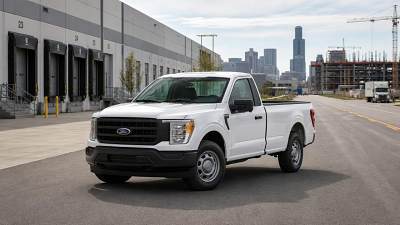
As 2026 approaches, choosing the right light duty truck manufacturer in USA will involve far more than comparing basic specs and pricing. Buyers and researchers should expect stronger fuel efficiency, smarter fleet technology, stricter compliance standards, and more flexible manufacturing capabilities. Understanding these shifts can help you evaluate suppliers more effectively and identify which manufacturers are best positioned to meet evolving commercial transport needs.
Why is the role of a light duty truck manufacturer in USA becoming more important in 2026?
The market is changing quickly. For many buyers, a light duty truck manufacturer in USA is no longer judged only by payload, engine size, or sticker price. In 2026, manufacturers will be evaluated by how well they respond to logistics pressure, urban delivery growth, labor shortages, emissions targets, and digital fleet management needs. This makes supplier selection more strategic than in previous years.
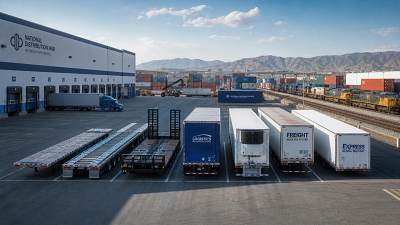
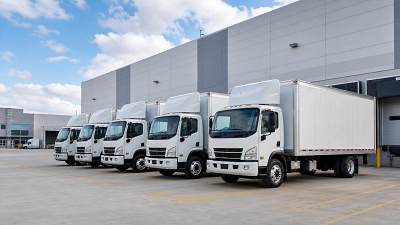
Light duty trucks serve a wide range of commercial applications, including last-mile distribution, municipal services, mobile maintenance fleets, regional construction support, utility operations, and small business transport. Because these vehicles often operate in dense routes and high-frequency duty cycles, even small improvements in fuel economy, uptime, driver comfort, or telematics can have a major effect on total operating cost.
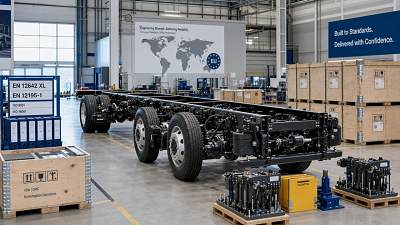
That is why researchers looking at a light duty truck manufacturer in USA should expect a broader value proposition. Leading producers are moving toward integrated solutions: body-ready chassis, connected diagnostics, better aftersales support, and platform-level customization for fleet buyers. Instead of asking only “What does this truck cost?”, buyers increasingly ask “How reliably can this manufacturer support my operation over five to seven years?”
What product and technology upgrades should buyers expect from a light duty truck manufacturer in USA?
By 2026, the average commercial buyer should expect much more advanced offerings from a light duty truck manufacturer in USA than from just a few years ago. These improvements are not limited to premium models. Many features that were once optional are becoming standard because fleets need better efficiency, safety, and data visibility.
First, fuel efficiency and powertrain optimization will remain a core priority. Even where electrification is still developing, manufacturers are refining gasoline, diesel, and hybrid options to reduce fuel consumption without sacrificing usable torque. Better transmission calibration, weight reduction, idle management, and aerodynamic improvements are all becoming practical selling points.
Second, smart fleet connectivity is becoming expected rather than optional. A competitive light duty truck manufacturer in USA should offer telematics compatibility, real-time vehicle health monitoring, maintenance alerts, driver behavior data, and integration with fleet management software. These systems help operators control downtime, track utilization, and make route decisions based on actual vehicle performance.
Third, safety technology will continue to expand. Buyers should look for features such as collision warning, lane support, rear visibility systems, adaptive cruise support, driver assistance packages, and braking enhancements. For urban delivery and service fleets, visibility and maneuverability improvements can be as valuable as raw horsepower.
Fourth, body integration and upfit readiness will matter more. Many commercial customers do not buy a truck just to leave it in factory form. They need refrigerated bodies, service units, utility boxes, flatbeds, or municipal equipment. A strong light duty truck manufacturer in USA should provide clear chassis specifications, strong body-builder support, and faster coordination with upfit partners.
Which evaluation factors matter most when comparing manufacturers?
If you are comparing suppliers for research, sourcing, or fleet planning, it helps to move beyond brand familiarity. The best light duty truck manufacturer in USA for one business may be a poor fit for another, depending on route length, payload pattern, service area, and regulatory exposure. A structured comparison is essential.
For information researchers, this table can serve as a practical screening framework. When studying a light duty truck manufacturer in USA, focus on whether the company can deliver consistent performance across these areas, not just one impressive specification. A manufacturer may advertise power or technology, but if service coverage is weak or parts lead times are long, operating value drops quickly.
How will regulations, sustainability goals, and fleet economics affect manufacturer expectations?
In 2026, regulation and cost management will shape procurement decisions as much as vehicle design. A capable light duty truck manufacturer in USA must show that its products are built not only for current use, but also for the near-future compliance environment. This includes emissions requirements, safety expectations, reporting transparency, and in some regions, pressure to reduce carbon intensity in fleet operations.
For many businesses, the most realistic question is not whether they should switch completely to new-energy vehicles immediately, but whether the manufacturer offers a credible transition path. Some fleets may need efficient internal combustion trucks now, hybrid pilots in the short term, and selected electric units for urban operations later. A forward-looking light duty truck manufacturer in USA should be able to support this staged approach.
Economics also play a major role. Rising maintenance costs, parts inflation, driver retention challenges, and route volatility all increase pressure on truck utilization. This means manufacturers must help buyers lower cost per mile, improve uptime, and simplify maintenance planning. The best suppliers will not frame value only in terms of unit price. They will explain lifecycle economics clearly, including service intervals, warranty coverage, expected residual value, and software-enabled maintenance planning.
For B2B sourcing platforms and global buyers, this trend creates a new standard for supplier comparison. The conversation is shifting from “Can this manufacturer build the truck?” to “Can this manufacturer support compliance, digital operations, and cost discipline at scale?”
What mistakes do buyers often make when researching a light duty truck manufacturer in USA?
One common mistake is focusing too heavily on headline specifications. Payload, horsepower, or a promotional price may look attractive, but these numbers do not tell the full story. A truck that appears economical upfront may become expensive if maintenance access is limited, software support is weak, or the chassis is difficult to upfit for the intended application.
Another mistake is ignoring service geography. A light duty truck manufacturer in USA may have a strong national image but uneven service depth in specific operating regions. Buyers should confirm local dealer coverage, technician capability, parts availability, and expected repair turnaround times. For fleets with time-sensitive delivery commitments, after-sales support can be a decisive factor.
A third mistake is assuming that one truck configuration fits every duty cycle. Some operations involve frequent stops, some require longer highway use, and others involve mixed urban and off-road segments. The right manufacturer should be able to recommend a realistic match between vehicle spec and real operating conditions. If a supplier pushes a standard configuration without understanding duty patterns, that is a warning sign.
Buyers also sometimes overlook upfit coordination. In commercial transport, a base truck is often only one part of the final working unit. If body installation, equipment integration, or certification takes too long, deployment schedules suffer. A reliable light duty truck manufacturer in USA should communicate clearly with body builders, fleet engineers, and end users throughout the process.
Who is most affected by these 2026 changes, and which use cases should be reviewed first?
The businesses most affected are those running route-sensitive, cost-sensitive, and uptime-dependent operations. This includes logistics providers, e-commerce delivery fleets, food and beverage distributors, municipal maintenance teams, utility contractors, rental fleets, and service companies with mobile work units. For these users, choosing the right light duty truck manufacturer in USA is not just a procurement task; it directly affects operational efficiency.
Urban and suburban delivery fleets should review stop-and-go efficiency, telematics depth, and safety visibility features first. Service fleets should pay closer attention to body-builder compatibility, electrical architecture, storage layout support, and idle reduction options. Construction support fleets may place greater value on frame durability, suspension options, and adaptability to mixed road conditions.
International buyers and industry researchers should also note that a light duty truck manufacturer in USA may be attractive for reasons beyond domestic fleet use. Some manufacturers offer engineering standards, export support, or product quality consistency that make them suitable for global sourcing partnerships. In those cases, researchers should examine not only product capability but also trade documentation, supply continuity, multilingual support, and responsiveness to international inquiries.
How can you tell whether a manufacturer is future-ready rather than just well-marketed?
A future-ready manufacturer provides evidence, not just claims. When assessing a light duty truck manufacturer in USA, look for concrete signs of operational maturity: stable production capacity, transparent specification data, clear after-sales structure, measurable technology integration, and a realistic roadmap for changing fleet requirements.
You should also look for responsiveness across the supply chain. A strong manufacturer usually works well with distributors, dealers, parts networks, fleet managers, and upfit partners. This ecosystem matters because commercial truck value is created over the full ownership cycle, not at the point of sale. If the manufacturer can explain how it supports procurement, deployment, maintenance, and renewal, it is likely better prepared for 2026 market conditions.
Another useful indicator is whether the manufacturer speaks the language of business outcomes. Instead of only listing features, advanced suppliers explain how their trucks reduce downtime, improve route economics, support compliance, or simplify fleet expansion. That practical orientation is especially important for decision-makers conducting early-stage research.
What should buyers ask first before moving toward sourcing or partnership discussions?
Before taking the next step, buyers should organize their questions around actual operating needs. A useful starting point is to ask about intended payload, route profile, expected annual mileage, service environment, emissions priorities, required body type, and preferred maintenance model. These questions make it easier to evaluate whether a light duty truck manufacturer in USA is a practical fit rather than just a familiar name.
It is also smart to confirm lead times, customization options, warranty terms, digital system compatibility, and service support in the target operating area. For businesses comparing multiple suppliers through a B2B marketplace, asking these questions early helps filter out options that look competitive online but may not perform well in real deployment.
For researchers, fleet planners, and global commercial vehicle buyers, the main takeaway is clear: in 2026, a light duty truck manufacturer in USA should be evaluated as a long-term operational partner, not simply as a vehicle producer. If you need to confirm specific models, technical parameters, sourcing direction, lead time, pricing logic, export capability, or cooperation methods, start by discussing duty cycle requirements, service expectations, compliance needs, and customization scope with qualified suppliers through a professional industry platform.
Recommended News
 Global Truck MarkeChina’s Commercial Vehicle Exports Jump 50.28%China’s commercial vehicle exports jump 50.28%, led by surging electric heavy truck demand. Explore key markets, EV truck parts opportunities, and export trends shaping global procurement.
 Global Truck MarkeCommercial Trucks Manufacturer in Germany: Market Position in 2026Commercial trucks manufacturer in Germany insights for 2026: explore market position, technology readiness, export strength, and supplier value to identify smarter sourcing opportunities.
 Global Truck MarkeHow to Vet a Logging Truck Distributor Before Entering a New MarketLogging truck distributor vetting starts with market knowledge, service reach, and compliance checks. Discover key questions, red flags, and smart verification tips before expanding.
 Global Truck MarkeCommercial Trucks Manufacturer in Germany: Market Strengths in 2026Commercial trucks manufacturer in Germany insights for 2026: explore market strengths, export reliability, sourcing trends, and smart buying tips for global fleet decisions.
 Global Truck MarkeLight Duty Truck Manufacturer in USA: What Sets Leading Models ApartLight duty truck manufacturer in USA guide: compare fuel efficiency, payload, safety, upfit flexibility, and dealer support to choose the best model for delivery, service, or construction.
 Global Truck MarkeTruck Chassis Supplier in Europe: What to Compare Beyond Unit PriceTruck chassis supplier in Europe: compare compliance, customization, delivery reliability, and after-sales support beyond unit price to reduce sourcing risk and improve lifecycle value.
 Global Truck MarkeHeavy Equipment Export to Africa: Market Gaps and Practical Entry PointsHeavy equipment export to Africa: uncover market gaps, high-demand equipment segments, and practical entry points to reduce risk, find reliable partners, and grow faster in Africa.
 Global Truck MarkeIs a Semi Trailer Distributor Better for Faster Regional CoverageSemi trailer distributor solutions for faster regional coverage: compare models, reduce sourcing risk, improve delivery speed, and expand dealer reach with stronger local support.
 Global Truck MarkeDelivery Truck Supplier in USA: How to Compare Service and Lead TimeDelivery truck supplier in USA comparison guide: learn how to evaluate service quality, response speed, and realistic lead times to reduce sourcing risk and choose with confidence.
 Global Truck MarkeCommercial Trucks Manufacturer in Germany: What Makes Them CompetitiveCommercial trucks manufacturer in Germany insights: discover why German brands lead in engineering, efficiency, safety, and export strength across long-haul, construction, and urban fleet applications.
 Global Truck MarkeLight Duty Truck Manufacturer in USA: How to Compare Local OptionsLight duty truck manufacturer in USA comparison guide: learn how to evaluate local suppliers by application, service network, upfit support, and total cost to source smarter.
 Global Truck MarkeCommercial Trucks Manufacturer in Germany: What Global Buyers CompareCommercial trucks manufacturer in Germany: discover what global buyers compare most—engineering, compliance, delivery, TCO, and after-sales support—to source smarter and reduce fleet risk.
 Global Truck MarkeWhat to Expect from a Light Duty Truck Manufacturer in USA in 2026Light duty truck manufacturer in USA trends for 2026: explore smarter tech, better fuel efficiency, stronger compliance, and fleet-ready support to choose the right supplier.
 Global Truck MarkeHow to Compare Logging Truck Distributors Across RegionsLogging truck distributor comparison made practical: learn how to evaluate regional compliance, specs, lead times, service support, and total cost for smarter fleet sourcing.
 Global Truck MarkeWhy Light Duty Truck Manufacturers in the USA Are Gaining AttentionLight duty truck manufacturer in USA trends are reshaping delivery, utility, and fleet sourcing. Discover key market drivers, buyer tips, and how to choose the right supplier.
 Global Truck MarkeTruck Trailer Manufacturer Trends Reshaping Export Orders in 2026Truck trailer manufacturer trends in 2026 are reshaping export orders through compliance, customization, and supply chain pressure. Discover smarter sourcing insights now.
 Global Truck MarkeTruck Mining Demand in 2026: Where Growth Looks StrongestTruck mining demand in 2026 is rising across construction truck, lowbed trailer, truck mounted crane, refrigerated truck, mixer truck and fuel tank truck segments—see where growth is strongest.
 Global Truck MarkeSemi Trailer Manufacturer Lead Times Are Changing in Global MarketsSemi trailer manufacturer lead times are shifting globally. Learn how truck export, truck hydraulic, truck tanker, truck aluminum and key parts affect delivery risk and smarter sourcing.
 Global Truck MarkeGlobal Truck Market Signals That Could Affect Parts Demand Next YearTruck turbocharger and engine assembly trends could reshape industrial transportation parts demand next year. Explore truck gearbox, filter, bearing, and compressor signals for smarter sourcing.
 Global Truck MarkeWhy Semi Trailer Price Quotes Vary So Much Across Export MarketsTruck trailer price and semi trailer price quotes vary by specs, Incoterms, compliance, and freight. Learn how to compare a semi trailer supplier and truck trailer for sale offers wisely.
 Global Truck MarkeConstruction machinery distributor tiering: How regional reps differ from national partnersCompare water truck cost, crane truck quotation & truck parts quotation across Tier-1 national partners vs. Tier-2 regional reps—optimize pricing, lead time & compliance.
 Global Truck MarkeWater truck distributor networks in Southeast Asia: Who controls supply and pricing?Discover water truck cost drivers, construction machinery quotation benchmarks, and crane truck distributor margins across SEA—get transparent, data-backed pricing insights now.
 Global Truck MarkeLogging truck OEM delivery timelines: why Q3 2026 orders face extended port delaysLogging truck OEM delays hit Q3 2026 orders—8–12 week port bottlenecks impact heavy duty trucks for sale in Canada, Australia, South Africa. Bulldozer supplier & excavator supplier planning must adapt now.
 Global Truck MarkeLogging truck bulk order lead times jumped 42% in Q1 2026 — what’s causing the delay?Logging truck bulk order delays up 42% in Q1 2026 — explore root causes, cross-segment impacts on water truck OEM, construction machinery OEM & more, and actionable mitigation strategies.
 Global Truck MarkeTruck crane lifting capacity drops above 2,000m elevation — is derating mandatory?Truck crane derating above 2,000m is mandatory—impacting truck hydraulic system, engine, brake system, suspension & axle performance. Verify altitude-certified models now.