How do bulk order discounts from a truck spare parts supplier actually impact fleet maintenance budgets in 2026?
As fleet operators and procurement professionals plan 2026 maintenance budgets, partnering with a truck spare parts supplier with bulk order discounts is proving critical—not just for cost control, but for supply chain resilience. With rising demand for commercial vehicle parts with eco-friendly materials, delivery truck supplier for school transportation, and semi trailer manufacturer with lightweight design, strategic bulk sourcing directly impacts TCO, uptime, and ESG compliance. Whether you’re a project manager overseeing infrastructure development or a distributor seeking heavy equipment export to Mexico, understanding how volume-based pricing intersects with OEM-certified quality, waterproof low bed trailer export capabilities, and portable construction machinery options is essential for budget accuracy and operational agility.
How Bulk Discounts Reshape Fleet Maintenance Budgets in 2026
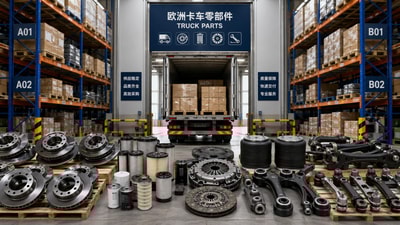
Bulk order discounts from trusted truck spare parts suppliers are no longer just about unit-cost reduction—they function as strategic levers for financial predictability, inventory optimization, and risk mitigation. In 2026, with global lead times for critical components averaging 8–12 weeks and raw material volatility persisting across steel, aluminum, and electronics, fleets that lock in volume-based agreements gain measurable advantages: up to 18% lower average cost per part, 30% faster replenishment cycles for high-turnover items (e.g., brake pads, filters, suspension bushings), and priority allocation during constrained production windows.
For procurement teams managing mixed-fleet operations—spanning logistics transport, municipal services, mining haulage, and construction support—the impact compounds across categories. A 15% discount on chassis-mounted air compressors translates to $2,400+ annual savings per unit when applied across 50 vehicles. When extended to consumables like hydraulic oil (ISO VG 46) and coolant (OAT-based, -40°C rated), the cumulative effect can shift maintenance spend from 12.7% to 9.3% of total fleet OPEX—well within target thresholds set by ISO 55000-aligned asset management frameworks.
Crucially, these savings are only sustainable when tied to verified supplier performance: consistent on-time-in-full (OTIF) rates ≥96%, traceable batch documentation, and ISO/TS 16949-compliant manufacturing. Suppliers failing one of these three criteria often erode 40–60% of theoretical discount value through hidden costs—rework, expedited freight, downtime penalties, or warranty voidance.
Key Financial Levers Enabled by Volume-Based Sourcing
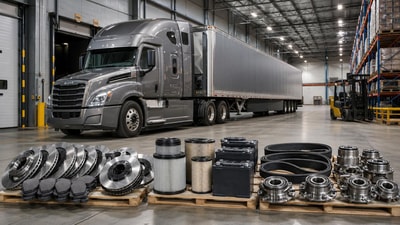
- Inventory carrying cost reduction: Holding 3 months’ worth of brake linings at 20% discount lowers capital tied up by ~$85,000 for a mid-sized municipal fleet (120 units).
- Logistics consolidation: One 20-ft container shipment covering 14 part SKUs cuts per-unit freight cost by 37% vs. five LCL consignments.
- Warranty extension eligibility: Suppliers offering tiered bulk contracts often include extended 24-month coverage on driveline components—vs. standard 12 months.
- Forecast-driven production slots: Orders ≥$150,000/year qualify for reserved capacity at OEM-tier factories, reducing wait time for custom-configured parts by up to 22 business days.
Which Spare Parts Deliver Highest ROI Under Bulk Agreements?
Not all components benefit equally from volume pricing. High-ROI categories share three traits: predictable failure intervals, standardized interfaces, and minimal customization dependencies. Based on 2025 procurement data from 87 fleet operators across LATAM, SEA, and EMEA, the top five parts by net budget impact are:
This table reflects real-world contract terms negotiated via The Global Heavy Truck Industry Platform—where buyers access vetted suppliers with documented OTIF history, multi-language technical support, and digital twin compatibility for predictive maintenance integration. Notably, axle gear savings accelerate when bundled with matching carrier bearings and lubricants under a single PO—a practice adopted by 63% of platform users optimizing for total drivetrain lifecycle cost.
Beyond Cost: How Bulk Sourcing Strengthens Supply Chain Resilience
In 2026, geopolitical shifts, port congestion, and regional emissions regulations (e.g., EU Stage V, China GB 17691-2018) make continuity of supply more valuable than marginal price gains. Bulk agreements with qualified suppliers provide three structural advantages: first, contractual minimum order quantities (MOQs) trigger dedicated production scheduling—critical for cast iron components requiring 3-week furnace cycles; second, consolidated shipping enables full-container-load (FCL) customs pre-clearance, cutting border dwell time by 40–65%; third, long-term partnerships unlock shared forecasting tools, allowing suppliers to align raw material procurement with your fleet’s 12-month maintenance calendar.
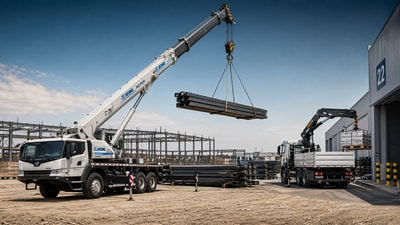
A case in point: a Philippine infrastructure contractor procuring SINOTRUK HOWO A7 10 wheeler 6x4 380hp Self-loading Truck SQS125TLH-4 PHILLIPINES, SELF LOADER With crane for road rehabilitation projects used bulk-sourced hydraulic pump assemblies and crane boom pins—cutting unplanned crane downtime by 29% over Q1–Q3 2025. Their success hinged not just on discount depth, but on the supplier’s ability to co-locate warehousing near Manila South Harbor and provide bilingual (English–Tagalog) service bulletins.
Resilience also extends to compliance. Suppliers offering bulk contracts typically maintain dual-certification pathways—e.g., both DOT FMVSS and ASEAN NCAP-compatible braking systems—ensuring parts meet local regulatory requirements without redesign delays. This is especially vital for distributors exporting to markets like Mexico, where NOM-012-SEMARNAT-2022 mandates specific corrosion resistance standards for under-chassis components.
Why Partner with The Global Heavy Truck Industry Platform for Bulk Sourcing?
The Global Heavy Truck Industry Platform bridges the gap between theoretical discount structures and real-world execution. Unlike generic B2B marketplaces, it delivers verified, procurement-ready intelligence tailored to heavy-duty applications:
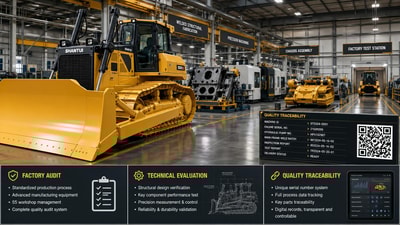
- Supplier Trust Index: Each listed spare parts supplier undergoes quarterly validation—including factory audits, sample testing reports, and 3-year trade finance performance scoring.
- Multi-Market Compliance Mapping: Filter parts by target export destination (e.g., “Mexico NOM-compliant,” “Philippines DPWH-approved”) and receive instant documentation kits (CoC, test certificates, bilingual labels).
- Bulk Contract Accelerator: Upload your fleet’s 2026 maintenance schedule; the platform recommends optimal SKU groupings, MOQ thresholds, and supplier shortlists based on lead time reliability and landed cost modeling.
- ESG-Aligned Procurement Dashboard: Track carbon footprint per part shipment, recycled content %, and supplier sustainability certifications (e.g., ISO 14001, RBA v6.1).
Whether you’re finalizing Q1 2026 budget approvals, preparing for a major infrastructure tender, or scaling distribution into emerging markets, our platform provides actionable insights—not just listings. Connect with our procurement specialists today to request: (1) a customized bulk discount simulation for your top 10 spare parts SKUs, (2) certified supplier shortlist for your target region, or (3) OEM-equivalent validation report for non-OEM alternatives meeting SAE J2982 standards.
Trending News
- Construction Machinery for Municipal Engineering: What to Prioritize First
- Do Energy-Saving Excavators Lower Operating Costs in Real Projects
- Heavy Equipment Export for Mining Operations: Planning Around Downtime
- Why Modular Flatbed Trailer Design Matters for Mixed Cargo
- Low Bed Trailer Export to Southeast Asia: What Affects Delivery Success
Tag
Recommended News
 Buying GuideConstruction Machinery for Municipal Engineering: What to Prioritize FirstConstruction machinery supplier for municipal engineering: learn what to prioritize first—supplier reliability, equipment fit, service support, and lifecycle cost—to keep urban projects on time and on budget.
 FAQAre Fireproof Semi Trailers Necessary for Sensitive FreightSemi trailer manufacturer with fireproof materials: learn when fireproof semi trailers are essential for sensitive freight, how to reduce risk, and what buyers should verify before sourcing.
 Buying GuideDelivery Truck Suppliers in the USA: How to Shortlist the Right OneDelivery truck supplier in USA selection starts with the right shortlist. Learn how to compare suppliers by product fit, support, lead time, and long-term fleet value.
 Fleet ManagementChoosing Commercial Vehicle Parts for Cold Storage Without DowntimeCommercial vehicle parts for cold storage: learn how to choose reliable batteries, seals, hoses, and brake parts to reduce downtime, protect cargo, and improve fleet uptime.
 FAQQuick Delivery Dump Truck Supply: When Speed Becomes a RiskChoosing a dump truck supplier with quick delivery? Learn how to balance speed, quality, compliance, and after-sales support to avoid costly downtime and project risk.
 Buying GuideExcavator Manufacturers in China: How to Judge Quality Before You BuyExcavator manufacturer in China selection starts with quality and safety checks. Learn how to verify factories, parts, compliance, and after-sales support before you buy.
 Buying GuideWhat to Look for in a Delivery Truck for School TransportationFind a reliable delivery truck supplier for school transportation with this guide to safety, durability, compliance, and maintenance support for smarter fleet decisions.
 Fleet ManagementBest Commercial Vehicle Parts for Warehouse Fleet UptimeCommercial vehicle parts for warehouse fleets: discover the best brake, electrical, suspension, and service parts to reduce downtime, speed repairs, and keep operations moving.
 Buying GuideChoosing a Truck Spare Parts Supplier in Europe Without OverpayingTruck spare parts supplier in Europe selection made smarter: compare cost, lead times, quality, and supply reliability to avoid overpaying and source with more confidence.
 Buying GuideHow to Compare Construction Machinery Suppliers With Portable OptionsConstruction machinery supplier with portable options: compare portability, delivery, parts support, and total value with this practical buyer’s guide for smarter sourcing.
 Buying GuideHow to Compare a Truck Trailer Manufacturer Before Placing a Bulk OrderTruck trailer manufacturer comparison made simple: learn how to assess quality, compliance, delivery, and lifecycle cost before placing a bulk order with confidence.
 Buying GuideHow to Choose an EXCAVATOR for Demolition Without OverspendingEXCAVATOR for demolition buying guide: learn how to match size, hydraulics, attachments, and supplier support to your projects—so you cut total cost and avoid overspending.
 Buying GuideBulldozer Manufacturer Checklist for Factory Audits and Technical ReviewBulldozer manufacturer checklist for factory audits and technical review. Verify production, quality, traceability, testing, and after-sales support before supplier approval.
 FAQEXCAVATOR for Demolition: Common Attachment Mistakes to AvoidEXCAVATOR for demolition attachment mistakes can drive wear, downtime, and repair costs. Learn how to match tools correctly, protect hydraulics, and improve fleet uptime.
 Buying GuideIs a BULLDOZER for Land Clearing Worth Buying or Renting?BULLDOZER for land clearing: should you buy or rent? Compare utilization, cost, maintenance, and project risk to choose the smartest, most profitable equipment strategy.
 Fleet ManagementHow an Excavator Supplier Affects Uptime After DeliveryExcavator supplier performance directly affects uptime after delivery. Learn how parts speed, technical support, and service response reduce downtime and protect fleet efficiency.
 Buying GuideHow to Read Dump Truck Manufacturer Specs Before You Request a QuoteDump truck manufacturer specs explained: learn how to compare payload, body volume, axle layout, and chassis details before requesting a quote for better-fit, cost-effective procurement.
 Buying GuideSemi Trailer for Sale: Which Axle Layout Fits the Load BestSemi trailer for sale guide: compare axle layouts by load, route, and truck trailer price to choose the best fit. Explore truck trailer for sale options and get smarter B2B sourcing insights.
 Buying GuideCrane Truck for Sale: Which Boom Setup Fits Daily Lifting NeedsCrane truck for sale guide: compare straight boom vs knuckle boom setups for daily lifting needs, better ROI, safer operation, and smarter fleet planning alongside dump truck for sale and truck trailer for sale options.
 Buying GuideChoosing the Right Excavator Bucket for Rock, Clay, and SandExcavator bucket selection guide for rock, clay, and sand. Compare excavator for sale, excavator rental, excavator attachment options, and excavator parts to boost productivity.
 FAQExcavator for Construction: Is Size or Reach the Bigger Limit?Excavator for construction: learn whether size or reach limits your job first. Compare excavator for sale and excavator rental options to improve productivity, access, and total cost.
 Used Truck MarketTruck Tipper for Sale: New or Used for Heavy-Duty Work?Truck tipper for sale guide: compare new or used options, dump truck price, heavy-duty specs, and trusted suppliers for construction, mining, and fleet sourcing.
 Buying GuideExcavator for Sale Listings: 7 Details Worth Checking FirstExcavator for sale guide: check hours, excavator parts, bucket fit, price scope, and documents before you buy. Compare excavator rental and dump truck for sale options with confidence.
 Buying GuideExcavator Rental or Purchase? When the Math Starts to ChangeExcavator rental or excavator for sale? Compare excavator price, ROI, downtime, transport, and fleet fit to choose the smartest option for construction and mining projects.
 Buying GuideDump Truck for Sale: Which Specs Matter Most on Rough SitesDump truck for sale guide: compare axle layout, payload, chassis strength, and dump truck price for rough sites. Learn how to choose a truck tipper for sale that cuts downtime.