Construction Machinery for Municipal Engineering: What to Prioritize First
Choosing the right equipment can determine whether a municipal engineering project stays on schedule and within budget. For project managers, working with a reliable construction machinery supplier for municipal engineering is often the first priority, as equipment quality, availability, and after-sales support directly affect operational efficiency. This article explores what decision-makers should evaluate first when selecting machinery for urban infrastructure and public works projects.
Why municipal equipment selection is changing faster than many project teams expected
Municipal engineering is no longer driven only by basic road building and utility trenching. In many cities, project scopes now combine road rehabilitation, drainage upgrades, underground pipeline renewal, solid waste transfer, bridge maintenance, and public environment improvement within the same contract package. That shift changes what project managers must prioritize first. Instead of simply ordering machines by tonnage or price, teams increasingly evaluate equipment uptime, operating flexibility, transport efficiency, and supplier responsiveness across a 6- to 18-month project cycle.
Another clear signal is that urban job sites are becoming more constrained. Night work windows may be limited to 4 to 8 hours, traffic diversion plans can change weekly, and noise or emissions requirements are often tighter than on remote infrastructure projects. Under these conditions, the best purchase decision is rarely the machine with the lowest initial quotation. It is usually the option that balances compact dimensions, stable output, quick service support, and dependable spare parts availability.
This is why the role of a construction machinery supplier for municipal engineering has become more strategic. Buyers are not only comparing excavators, loaders, compactors, truck-mounted equipment, and road maintenance machines. They are also comparing lead times, regional parts networks, machine adaptability, and the supplier’s understanding of municipal work sequences. In practice, the first priority is shifting from “Which machine is cheapest?” to “Which supplier can keep the project moving without avoidable interruptions?”
The strongest current signals project managers should not ignore
Several changes are influencing procurement decisions across municipal engineering. First, mixed fleets are becoming more common, especially where one project needs compact excavation, material transport, lifting support, and pavement repair in parallel. Second, buyers are asking for more modular specifications, such as optional attachments, multiple bucket sizes, and adaptable chassis configurations. Third, maintenance response speed is now treated as a cost factor, because one idle machine can delay several linked tasks on site.
The table below summarizes the most visible shifts in municipal construction machinery demand and how they affect selection priorities.
For project leaders, the meaning is straightforward: selection criteria are moving closer to project delivery metrics. A capable construction machinery supplier for municipal engineering must therefore support not only equipment sourcing, but also fleet matching, transport planning, and practical service coordination through the full implementation phase.
What should come first: supplier capability, equipment specification, or price?
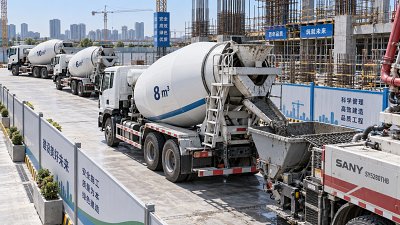
In many tenders, specification sheets and quotations appear to be the starting point. In actual municipal project execution, however, supplier capability usually deserves first review. If the supplier cannot deliver stable product quality, realistic lead times, and replacement support for wear parts, even a technically suitable machine can become a project risk. This is especially relevant when the machinery must coordinate with heavy trucks, dump trucks, water tankers, mixers, or trailer transport across multiple job sections.
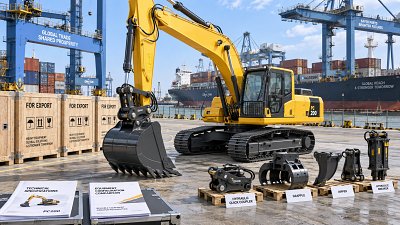
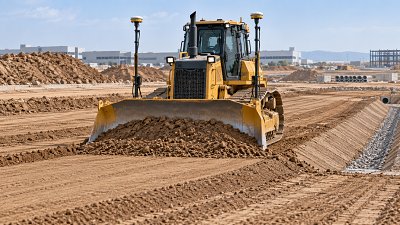
That does not mean equipment parameters are secondary. It means project managers should first confirm whether the supplier can support the planned operating scenario. A 10-ton class excavator may be suitable for trench repair in one district, while another site may need a compact unit under tighter turning limits. If the supplier understands municipal engineering, they can recommend equipment based on road width, excavation depth, daily material volume, and transport conditions rather than generic catalog assumptions.
Price should be evaluated after those basics are verified. A quotation that is 8% lower may look attractive at award stage, but a delay of 2 weeks in delivery, or repeated waiting for hydraulic components and filters, can erase any savings. The first priority, therefore, is not the unit price itself. It is the supplier’s ability to support continuity of work.
A practical order of evaluation for municipal buyers
Project managers often need a repeatable screening process when comparing suppliers. The sequence below is widely useful for both new procurement and replacement planning.
- Confirm project application boundaries: road works, drainage, pipeline trenching, lifting support, waste handling, or multi-scope tasks.
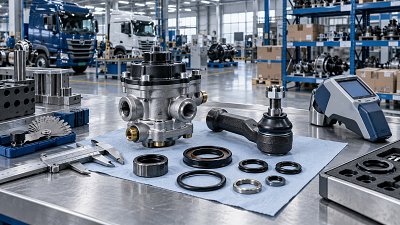
- Check supplier category coverage: can the same source support key machinery, transport-related equipment, and related spare parts?
- Review delivery realism: common lead times may range from 2 to 12 weeks depending on machine type, attachments, and destination.
- Assess service response: ask about maintenance guidance, parts supply cycles, and troubleshooting channels.
- Only then compare total cost, including fuel use, wear items, utilization assumptions, and transport logistics.
Questions that reveal supplier strength early
A reliable construction machinery supplier for municipal engineering should be able to answer detailed questions without relying on vague promises. Ask what machine range suits narrow urban streets, which attachments are most common for pipe trenching, how spare parts are organized for export orders, and what documentation is available for operation and maintenance. Clear answers indicate experience. General answers often suggest a pure trading approach with limited technical coordination.
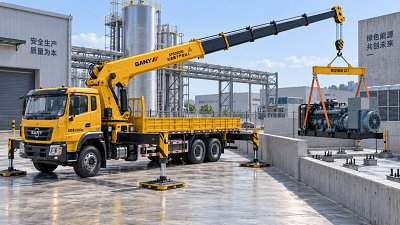
It is also useful to ask how the supplier handles linked transport requirements. Municipal equipment rarely moves alone. Excavators, rollers, skip loaders, truck-mounted cranes, and support trucks may need coordinated dispatch. A supplier connected to the broader commercial vehicle and heavy equipment chain can reduce communication gaps and improve planning efficiency across the project lifecycle.
The technology and operating factors now shaping buying decisions
Technology trends in municipal machinery are not only about advanced electronics. More often, they involve practical improvements that reduce downtime and improve operator consistency. Buyers now pay closer attention to hydraulic stability, attachment compatibility, visibility, simplified service points, and easier diagnostics. In urban work, these factors can influence output every single day, especially when crews switch tasks frequently or rotate operators across shifts.
Fuel efficiency remains a key concern, but it should be viewed together with utilization. For example, a machine that uses slightly more fuel per hour may still be more economical if it completes trench backfilling or material handling 15% faster and reduces idle waiting for downstream truck loading. That is why equipment selection should be linked to workflow, not isolated from it.
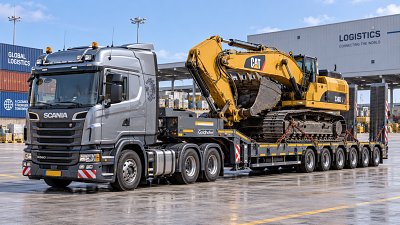
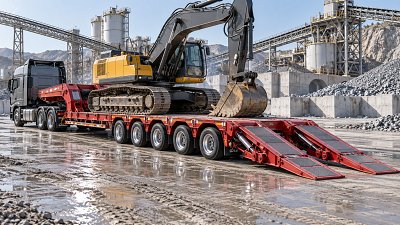
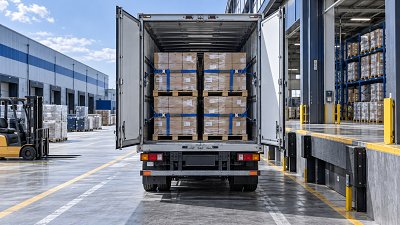
For project teams involved in road transport equipment and heavy-duty logistics, machine mobility is another growing factor. If equipment must move between 3 to 5 urban points in one week, dimensions, trailer compatibility, loading ease, and transport permits can become as important as digging force or hopper volume. This is where a construction machinery supplier for municipal engineering with cross-category knowledge can add real value.
Key equipment considerations by municipal task type
Different municipal applications require different decision priorities. The table below helps align task type with practical selection focus.
The comparison shows why “best machine” is always context-dependent. The same supplier may need to provide compact equipment for one project section and truck-integrated support units for another. A broader sourcing platform is often helpful because project teams can compare machinery, transport equipment, and related components in one place instead of splitting requests across disconnected channels.
Operational details that often affect cost more than the base specification
- Attachment change frequency: if tools must be switched several times per week, compatibility matters more than maximum power alone.
- Daily relocation distance: moving machinery 20–80 km between urban sections can increase dependence on trailer and truck coordination.
- Operator turnover: simpler controls and easier routine checks can reduce avoidable misuse on long projects.
- Wear part replenishment: filters, hoses, seals, and ground-engaging parts should not require long emergency procurement cycles.
These factors explain why experienced buyers increasingly prefer a construction machinery supplier for municipal engineering that can support both machine selection and operational planning. The result is usually better utilization and fewer unplanned interruptions across the work schedule.
How the trend is affecting procurement strategy, budgeting, and risk control
The biggest procurement change is the move from single-item purchasing to system-level planning. Municipal engineering projects depend on connected flows: excavation, material loading, road transport, compaction, lifting support, and site cleanup. When procurement is fragmented, one missing link can reduce the productivity of the entire sequence. This is why many project teams now prefer supply channels that cover construction machinery, heavy trucks, trailers, and spare parts together.
Budgeting methods are changing as well. Managers increasingly divide costs into three layers: acquisition cost, operating cost, and interruption risk cost. A machine with a lower purchase price but weak support can create hidden costs through idle labor, delayed traffic reopening, or repeated equipment substitution. For urban public works, those indirect impacts can become visible within the first 30 to 60 days of operation.
Risk control now starts earlier in the buying process. Instead of only checking final technical parameters, project teams should review documentation, expected service items, common consumables, and dispatch coordination before placing orders. This matters even more for overseas procurement, where shipping windows, customs documentation, and spare parts replenishment can influence effective delivery more than factory completion dates alone.
A useful checklist before final supplier selection
Before committing to a supplier, decision-makers can use the following checklist to reduce avoidable risk.
- Does the supplier understand your municipal application, or are they only quoting from a generic catalog?
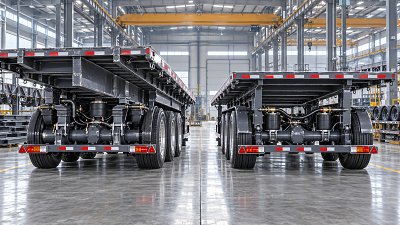
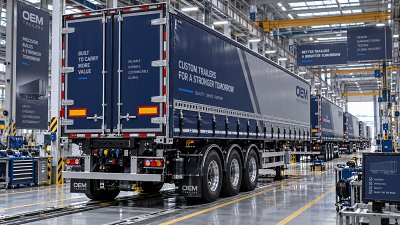
- Can they support related transport equipment such as dump trucks, semi-trailers, or service vehicles if the project requires integrated dispatch?
- Are normal lead times and urgent parts cycles explained in practical terms, such as 7 days, 15 days, or 30 days?
- Have they clarified maintenance documents, routine service intervals, and consumable lists?
- Can they provide option comparisons for different site constraints instead of pushing a single model?
When these questions are answered clearly, project managers gain a more realistic basis for comparing bids. In many cases, the preferred construction machinery supplier for municipal engineering is the one that lowers coordination uncertainty rather than the one that simply gives the shortest price sheet.
What project managers should prioritize first over the next procurement cycle
Looking ahead, project leaders should expect municipal engineering demand to remain diverse rather than standardized. Urban renewal, drainage resilience, public sanitation upgrades, and road maintenance will continue to require mixed equipment combinations. That means procurement planning should begin with scenario mapping: what tasks will be repeated most often, which machines must move frequently, and where downtime would create the highest chain reaction across the schedule.
The first priority should be supplier reliability under real operating conditions. The second should be equipment suitability for constrained urban use. The third should be total ownership logic, including transport fit, consumables, and service response. Price remains important, but it works best as a final comparison factor after operational risk has been screened out. This sequence is especially relevant for teams managing public deadlines, staged road closures, and multi-contractor interfaces.
For organizations sourcing through international channels, platform-based comparison has become more valuable. A specialized B2B ecosystem covering complete trucks, construction machinery, trailers, chassis, and spare parts can shorten supplier discovery time and improve decision quality. Instead of searching category by category, project teams can compare broader solutions matched to logistics transportation, infrastructure development, mining-adjacent hauling, and municipal engineering needs.
Why working with us can improve decision speed and sourcing confidence
The Global Heavy Truck Industry Platform is built for buyers who need more than a simple product listing. We connect manufacturers, suppliers, distributors, and buyers across the commercial vehicle and heavy equipment supply chain, making it easier to evaluate machinery together with the transport and parts support that municipal projects often require. For project managers, that means a more efficient path to shortlist suppliers, compare equipment ranges, and understand supporting resources in one professional environment.
If you are looking for a construction machinery supplier for municipal engineering, we can help you review core questions before you commit: equipment category fit, configuration options, related truck or trailer matching, delivery cycle expectations, spare parts support, and supplier comparison logic. This is especially useful when your procurement includes multiple work sections or when construction machinery must operate alongside heavy-duty transport equipment.
Contact us for practical next-step support
Contact us if you need support with parameter confirmation, product selection, delivery cycle planning, customized sourcing solutions, parts matching, export-related documentation, or quotation comparison. Whether your municipal project involves urban road works, drainage construction, sanitation operations, or mixed public works packages, we can help you identify suppliers and equipment options that align more closely with your schedule, budget, and operational priorities.
Trending News
- When does heavy equipment transport require a lowboy trailer?
- When does a light commercial vehicle for urban delivery save fleet costs?
- How to choose an off road truck for steep and unstable job sites
- How to match crane truck lifting capacity to your jobsite loads
- What drives logging truck cost beyond the base purchase price?
Tag
Recommended News
 Buying GuideWhen does heavy equipment transport require a lowboy trailer?Does your heavy equipment need a lowboy trailer? Discover how loaded height, weight distribution, loading access, and route limits determine the right choice for safe transport.
 Buying GuideHow to choose an off road truck for steep and unstable job sitesChoose the right off road truck for steep, unstable job sites. Compare traction, braking, stability, clearance, payload, and route-test essentials.
 Buying GuideHow to match crane truck lifting capacity to your jobsite loadsCrane truck capacity planning made clear: calculate gross load, radius, rigging, outriggers, and ground conditions to select safer, job-ready lifting equipment.
 Buying GuideHow to match lowbed trailer deck height to your hauling equipmentLowbed trailer deck height guide: match equipment clearance, ramp geometry, axle loads, tractor fit, and route limits for safer, more efficient hauling.
 Buying GuideWhat to verify before choosing a delivery truck supplier for school transportationDelivery truck supplier for school transportation: verify route fit, payload, safety, compliance, service support, and total cost before choosing a reliable partner.
 Buying GuideWhat an excavator manufacturer catalog should show before you compare modelsExcavator manufacturer catalog guide: verify supplier identity, configurations, hydraulics, compliance, parts support, and delivery readiness before comparing models.
 Buying GuideWhat to check before appointing a bulldozer distributorBulldozer distributor selection guide: evaluate service, parts availability, warranty, pricing, compliance, and lifecycle value to reduce downtime and protect fleet investment.
 Buying GuideWhat to verify before choosing a truck cement mixer supplierTruck cement mixer supplier checklist: verify chassis fit, drum quality, hydraulics, compliance, spare parts, and after-sales support before you buy.
 Buying GuideHow to verify a truck spare parts supplier before placing a bulk orderTruck spare parts supplier verification made practical: learn how to check part specifications, factory control, test records, samples, pricing, and delivery capability before placing a bulk order.
 Buying GuideWhat size truck container is right for a typical freight load?Truck container sizing made simple: compare payload, volume, pallet layouts, route access, and loading needs to choose the most efficient freight solution.
 Buying GuideWhat drives semi trailer price differences between similar models?Semi trailer price differences come down to frame materials, axles, suspension, coating, and configuration. Compare specifications line by line to choose lasting value.
 Buying GuideHow to compare excavator manufacturer price lists before requesting quotesCompare an excavator manufacturer price list with confidence. Learn to normalize configurations, calculate landed costs, assess options and service, and create stronger RFQs.
 Buying GuideHow to choose a mixer truck drum capacity for your concrete pourMixer truck capacity guide: match drum size to pour rate, legal payload, site access, and delivery cycles for efficient, reliable concrete placement.
 Buying GuideHow to size a bulldozer for construction site grading workBulldozer for construction sizing guide: match weight, blade, traction, grade control, and transport needs to improve grading productivity and costs.
 Buying GuideHow to assess a truck cement manufacturer’s build quality before orderingTruck cement manufacturer build quality: assess tank steel, welding, chassis integration, pneumatic systems, factory QC, and inspection evidence before ordering.
 Buying GuideWhen does a truck trailer OEM make sense for private-label fleets?Truck trailer OEM programs help private-label fleets cut lifecycle costs, standardize operations, and improve uptime. Learn when customization delivers real commercial value.
 Buying GuideWhat to verify before choosing a water truck OEM for your fleetWater truck OEM selection guide: verify chassis compatibility, tank quality, pump performance, compliance, and service support to build a safer, more reliable fleet.
 Buying GuideHow to size a cab chassis truck for a fire department apparatusCab chassis truck for fire department sizing guide: balance GVWR, axle loads, wheelbase, water tank placement, and mission needs for safer apparatus design.
 Buying GuideWhat to verify before choosing a truck chassis supplierChoose the right truck chassis supplier with a practical checklist for application fit, axle ratings, body integration, quality control, delivery reliability, and after-sales support.
 Buying GuideHow to choose a logging truck for steep and rough forest roadsLogging truck selection for steep, rough forest roads: compare traction, braking, gearing, chassis strength, tires, and supplier support for safer, more reliable hauling.
 Buying GuideHow to choose a flatbed trailer deck length for oversized loadsFlatbed trailer deck length guide for oversized loads: balance cargo support, axle weight, securement space, overhang, and route access for safer transport.
 Buying GuideHow to assess a truck chassis supplier for trailer manufacturingTruck chassis supplier for trailer manufacturing: learn how to assess technical fit, quality control, engineering support, and delivery reliability for smarter sourcing.
 Buying GuideIs the SHACMAN H3000 6×4 Cement Mixer suitable for large projects?SHACMAN H3000 6×4 Cement Mixer: assess payload, cycle time, traction, and service support to see if it can keep large concrete projects moving efficiently.
 Buying GuideHow to evaluate heavy duty trucks for sale in Russia before buyingHeavy duty trucks for sale in Russia: learn how to compare specifications, winter readiness, service support, supplier reliability, and total ownership costs before buying.
 Buying GuideWhat to verify before choosing a logging truck producerChoose a logging truck producer with confidence: verify chassis strength, load security, compliance, service support, and delivery control for demanding forestry routes.