Choosing a Construction Machinery Supplier for Municipal Engineering
Choosing the right construction machinery supplier for municipal engineering is rarely about finding the lowest quote. For project managers and engineering leaders, the real priority is reducing project risk: avoiding equipment delays, preventing unexpected downtime, controlling lifecycle cost, and making sure machinery can perform reliably across changing site conditions. In municipal projects, where public timelines, budget scrutiny, and coordination complexity are high, supplier selection becomes a strategic procurement decision rather than a simple purchasing task.
The best supplier is usually the one that can combine product suitability, quality consistency, service responsiveness, parts availability, documentation support, and dependable delivery. A machine that looks competitive on paper can become expensive if it arrives late, lacks local service, or fails to meet operational requirements on site. That is why experienced buyers evaluate suppliers not only by product range, but also by execution capability and long-term support.
This guide is designed for project managers, procurement decision-makers, and municipal engineering leaders who need a practical framework for supplier evaluation. It focuses on the questions that matter most in real purchasing situations: how to compare suppliers, what warning signs to watch for, how to balance price with reliability, and how to build a sourcing strategy that supports both project delivery and asset performance.
What Municipal Engineering Buyers Are Really Looking For
When buyers search for a construction machinery supplier for municipal engineering, their core intent is usually commercial and evaluative. They are not simply looking for definitions or general information about equipment categories. They want to identify reliable suppliers that can support urban infrastructure projects such as roadworks, drainage systems, utility installation, bridge maintenance, sanitation operations, and public works construction.
For this audience, the key concern is decision confidence. A project manager needs to know whether a supplier can deliver the right machines on time, support field operations after delivery, and help reduce total project disruption. A procurement leader may also need evidence that the supplier can satisfy internal compliance requirements, cost targets, and operational standards across multiple projects or locations.
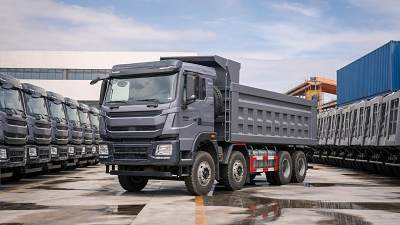
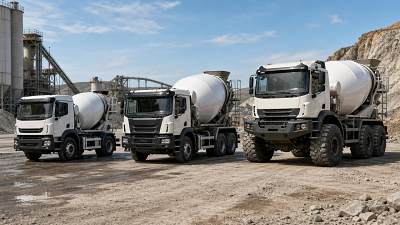
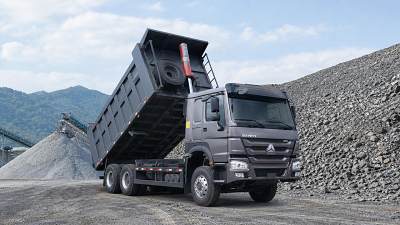
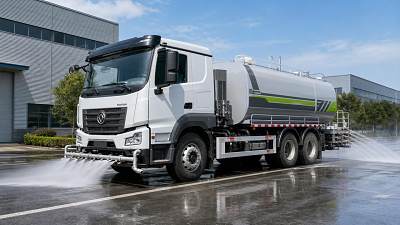
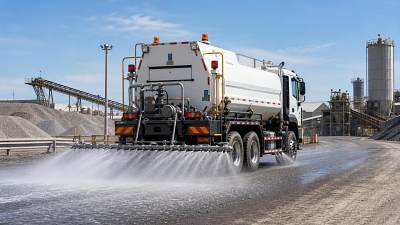
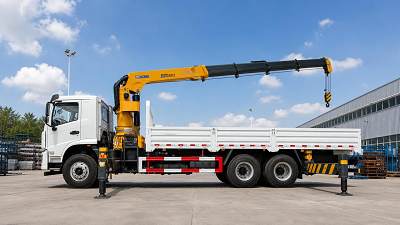
In practice, municipal engineering buyers often focus on machines such as excavators, wheel loaders, backhoe loaders, compactors, motor graders, truck-mounted equipment, concrete machinery, and supporting transport solutions. However, the machine itself is only one part of the purchasing decision. The supplier’s ability to provide configuration advice, technical documentation, spare parts, operator guidance, and coordinated logistics may have a greater impact on project outcomes than a small difference in unit price.
Why Supplier Selection Has a Bigger Impact in Municipal Engineering
Municipal engineering projects differ from many other construction environments because they often involve public infrastructure, tight scheduling windows, heavy regulatory oversight, and work in dense urban settings. Delays may affect traffic management, public services, community access, environmental compliance, and stakeholder expectations. As a result, equipment procurement mistakes tend to create wider consequences than they would on a less visible private project.
A weak supplier can affect your project in several ways. Delivery uncertainty can delay mobilization. Poor machine quality can increase maintenance interruptions. Limited parts support can leave equipment idle when repair windows are short. Inadequate training or documentation can create safety and operating issues. Weak communication can slow approvals and make problem resolution difficult when schedules are already under pressure.
On the other hand, a capable supplier strengthens execution. They help match machinery to actual project demands, recommend suitable configurations, communicate clearly about production and shipping schedules, and support your team after delivery. In this sense, the supplier becomes part of your project delivery system, not just an external vendor.
How to Evaluate Whether the Supplier Understands Municipal Applications
Not every machinery supplier is equally prepared for municipal engineering. Some suppliers mainly serve mining, large-scale earthmoving, or general contracting markets. Their products may be strong, but their understanding of urban jobsite constraints may be limited. That matters because municipal work often requires compact maneuverability, lower emissions, noise control, utility-safe operation, and compatibility with traffic-sensitive environments.
Ask whether the supplier has experience serving road maintenance departments, utility contractors, drainage projects, sanitation fleets, or public works agencies. A supplier with real municipal experience should be able to discuss use cases rather than simply listing specifications. They should understand why one project needs compact equipment for narrow streets while another needs durable high-duty machines for repetitive trenching or material handling.
Relevant experience also improves recommendations. For example, a supplier familiar with municipal applications may advise on attachment compatibility, transport efficiency between urban sites, tire or track options for paved areas, fuel-efficiency considerations, or machine dimensions that affect access in restricted work zones. These practical details often determine whether equipment performs smoothly in daily operations.
Product Fit Matters More Than a Broad Catalog
A large catalog may look impressive, but project managers should focus on fit rather than volume. The right supplier should be able to recommend machines that match your workload, duty cycle, terrain, attachment needs, operating hours, and maintenance capacity. Buying over-specified machines can inflate capital cost and fuel consumption. Buying under-specified machines can reduce productivity and increase wear.
For municipal engineering, product fit often depends on a combination of factors: jobsite size, travel distance between sites, soil conditions, weather exposure, lifting needs, material type, pavement sensitivity, and operator skill level. A supplier that asks detailed questions about these issues is usually more valuable than one that pushes a standard quotation without understanding your application.
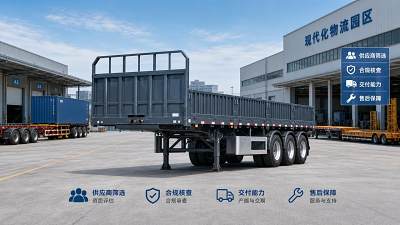
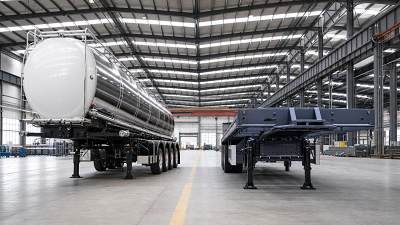
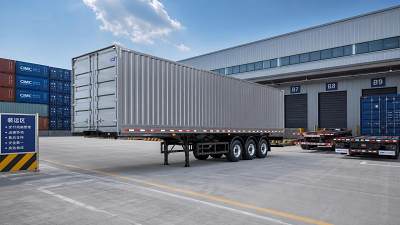
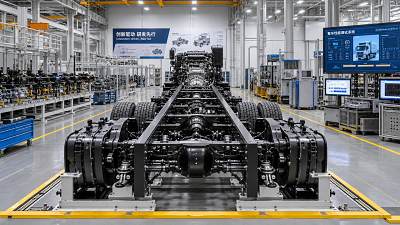
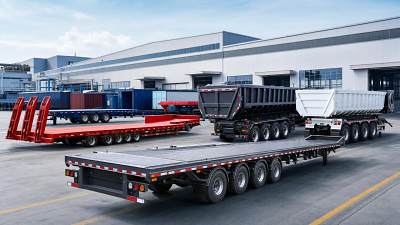
You should also evaluate whether the supplier can support mixed fleet needs. Many municipal projects require coordination between construction machinery, transport vehicles, trailers, and spare parts. Suppliers connected to a wider heavy equipment and commercial vehicle ecosystem can sometimes provide more integrated sourcing support, reducing the administrative burden of dealing with multiple disconnected vendors.
Quality Assurance: What to Verify Before You Buy
Quality is one of the most important factors when choosing a construction machinery supplier for municipal engineering, but it should be verified through evidence rather than marketing language. Ask about manufacturing standards, component sourcing, inspection procedures, testing methods, and quality control documentation. Reliable suppliers should be able to explain how they manage consistency across production batches.
For machinery buyers, the most useful indicators are often practical. What engines, hydraulic systems, transmissions, and structural materials are used? Are key components from recognized manufacturers? What pre-delivery inspection steps are completed before shipment? What records can be shared with the buyer? Can the supplier provide machine photos, serial tracking, factory testing videos, or inspection reports before dispatch?
It is also wise to understand how the supplier handles non-conformity issues. Even strong manufacturers occasionally face defects or shipping-related problems. The difference lies in how quickly they respond, whether they accept responsibility, and how clearly they define warranty support. A supplier that is transparent about problem resolution is often a safer partner than one that only emphasizes perfect quality claims.
Delivery Reliability and Global Logistics Capability
For international buyers, delivery reliability is often as important as machine performance. Municipal engineering projects are schedule-driven, and procurement delays can affect labor planning, subcontractor coordination, and site access sequencing. That is why buyers should assess not only factory output, but also the supplier’s export readiness and logistics management capability.
Ask whether the supplier has experience with international shipping documents, customs compliance, packaging requirements, loading plans, and destination-specific regulations. A supplier with strong global trade capability should be able to explain lead times clearly, communicate realistic shipment schedules, and provide visibility into production and dispatch milestones.
Buyers should also look at packaging and transport protection. Construction machinery travels through ports, storage yards, and long transit routes. Inadequate securing, poor corrosion protection, or weak parts packaging can lead to avoidable damage and delays on arrival. A supplier that pays attention to transport integrity demonstrates a more mature approach to cross-border supply.
After-Sales Service Is a Procurement Issue, Not Just a Maintenance Issue
Many equipment buyers underestimate after-sales support during the quotation stage. In reality, service capability directly affects asset utilization and project continuity. If a machine breaks down and the supplier cannot provide timely technical advice or parts support, the original purchase price becomes far less relevant.
Before committing, clarify the supplier’s service structure. Do they provide remote technical support? Can they supply troubleshooting manuals, maintenance guides, and parts lists promptly? Do they have regional service partners, or do they rely entirely on remote communication? What is the standard response time for warranty claims or urgent parts requests?
Spare parts availability deserves special attention. Municipal projects often cannot tolerate long equipment downtime, especially when machinery is tied to road closures, drainage works, or public utility repairs. A supplier with stable parts support, clear parts identification systems, and predictable replenishment timelines offers far greater operational value than one that simply promises general after-sales assistance.
Total Cost of Ownership Is More Useful Than Purchase Price Alone
Price matters, but for project managers and engineering leaders, total cost of ownership is the more meaningful metric. A low-cost machine may seem attractive initially, yet it can become expensive if fuel use is high, parts wear quickly, maintenance intervals are short, or resale value is weak. In municipal engineering, where machinery often supports recurring public works tasks, long-term operating economics are especially important.
When comparing suppliers, look beyond the base quotation. Consider shipping cost, import duties, commissioning support, training needs, routine maintenance cost, fuel efficiency, spare parts pricing, expected service life, downtime risk, and operator productivity. Sometimes a machine with a higher upfront cost delivers lower cost per operating hour over its usable lifespan.
This is also where supplier honesty matters. A good supplier should be willing to discuss maintenance requirements, consumable costs, and component service intervals realistically. If pricing looks unusually low, buyers should investigate whether important items have been excluded, such as attachments, tool kits, service parts, warranty scope, or compliance documentation.
Questions Project Managers Should Ask Before Shortlisting a Supplier
A structured evaluation process helps reduce procurement risk. Before you shortlist a supplier, ask questions that reveal both capability and reliability. Useful areas include manufacturing capacity, delivery history, application experience, warranty procedures, spare parts support, export documentation, customization options, and communication processes.
Examples of practical questions include: What similar municipal projects have you supported? What is your average production lead time for this machine category? Which core components are used? What documentation is included with shipment? How do you handle urgent technical issues after delivery? What spare parts can be shipped immediately? Can you share inspection records before loading?
The quality of the supplier’s answers often tells you as much as the content itself. Strong suppliers respond clearly, provide evidence, and ask follow-up questions about your project conditions. Weak suppliers often reply in generic terms, avoid specifics, or focus only on closing the sale. For engineering procurement, responsiveness and clarity are early indicators of future cooperation quality.
Warning Signs That a Supplier May Not Be the Right Fit
Several red flags should prompt caution. One is inconsistent communication. If a supplier is slow, vague, or contradictory during the quotation stage, that problem usually becomes worse after payment. Another warning sign is a lack of technical depth. If they cannot explain configuration logic, application suitability, or support processes, they may be acting more like a trader without operational control.
Buyers should also be careful if a supplier avoids sharing basic verification materials such as company background, factory information, inspection procedures, or reference cases. Unrealistically short lead times, unusually low prices, and broad promises without documentation may indicate hidden risk. In international sourcing, these issues can lead to costly disputes and project disruption.
Finally, watch for suppliers who push standard products without understanding your municipal application. The ability to sell equipment is not the same as the ability to support infrastructure project delivery. A supplier that does not engage with your real operating conditions is unlikely to provide strong value over the life of the equipment.
Why a Specialized B2B Platform Can Improve Supplier Selection
For project teams sourcing internationally, a specialized industry platform can make supplier evaluation more efficient and transparent. Instead of searching across fragmented channels, buyers can compare products, review supplier profiles, access industry information, and identify partners that are already active in heavy trucks, construction machinery, trailers, and related equipment ecosystems.
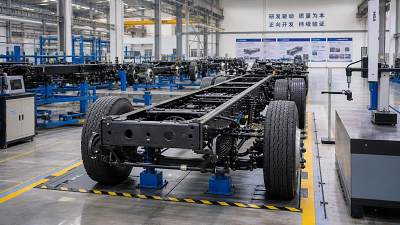
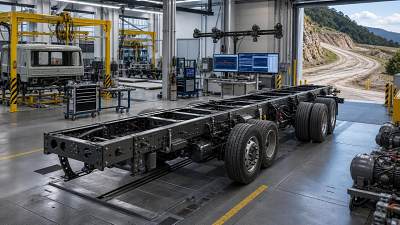
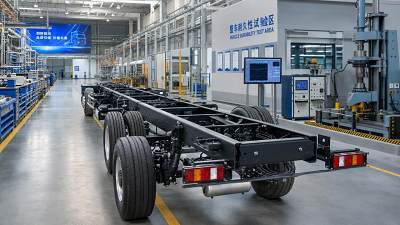
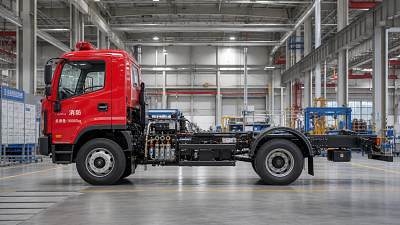
This is especially useful in municipal engineering, where projects may require not only machinery, but also supporting transport solutions, chassis-based equipment, spare parts, and long-term sourcing relationships. A platform focused on the commercial vehicle and heavy equipment industry gives buyers a broader view of supply capability and helps reduce the time spent filtering irrelevant vendors.
Beyond product discovery, quality platforms also support better decision-making through market insights, supplier visibility, and access to industry-specific resources. For procurement teams and project leaders, that means better alignment between technical needs, commercial evaluation, and global sourcing execution.
Conclusion: Choose the Supplier That Lowers Project Risk
Choosing a construction machinery supplier for municipal engineering is ultimately a risk management decision. The right partner is not always the cheapest or the largest. It is the supplier that can reliably match machinery to your application, maintain quality consistency, support global delivery, respond after the sale, and help keep your project moving under real operating conditions.
For project managers and engineering decision-makers, the most effective approach is to evaluate suppliers through a practical lens: application knowledge, product fit, quality assurance, logistics capability, service support, and lifecycle cost. When these factors are assessed together, you can make a sourcing decision that protects schedule performance, improves equipment reliability, and creates better long-term value for municipal infrastructure work.
In a market where project pressure is high and supplier options are broad, disciplined evaluation is your advantage. The more carefully you assess the supplier behind the machine, the more confidently you can deliver municipal engineering projects on time, on budget, and with fewer operational surprises.
Trending News
- Truck Cement Wholesale: What Determines Stable Delivery and Margin?
- Truck Trailer Bulk Order Cost Breakdown for 2026 Budget Planning
- Truck Trailer Sourcing: 7 Checks Before You Compare Suppliers
- Truck Trailer OEM vs ODM: Which Model Lowers Supply Risk?
- How to Evaluate a Heavy Truck Chassis Manufacturer With R&D Capability in 2026
Tag
Recommended News
 Buying GuideTruck Trailer Sourcing: 7 Checks Before You Compare SuppliersTruck trailer sourcing starts with the right checks. Discover 7 essential steps to verify compliance, quality, lead time, and after-sales support before comparing suppliers.
 Buying GuideTruck Trailer OEM vs ODM: Which Model Lowers Supply Risk?Truck trailer OEM vs ODM: learn which model better reduces supply risk, improves quality control, and protects long-term sourcing flexibility for global trailer buyers.
 Buying GuideHow to Evaluate a Heavy Truck Chassis Manufacturer With R&D Capability in 2026Heavy truck chassis manufacturer with R&D capability: learn how to evaluate engineering strength, validation, compliance, and long-term reliability in 2026 to choose the right supplier.
 Buying GuideHow to Compare Semi Trailer Distributors by Lead Time and SupportSemi trailer distributor comparison starts with lead time and support. Learn how to evaluate delivery reliability, technical response, and after-sales service for smarter sourcing.
 Buying GuideSemi Trailer Bulk Order Risks and Quality Checks Before SigningSemi trailer bulk order risks can quickly multiply without strict checks. Discover the key quality, compliance, and delivery points to verify before signing and protect your fleet investment.
 Buying GuideHow to Evaluate a Heavy Truck Chassis Manufacturer With R&D CapabilityHeavy truck chassis manufacturer with R&D capability: learn how to verify engineering, testing, customization, and quality control to reduce sourcing risk and choose a reliable supplier.
 Buying GuideTruck Tipper Sourcing Checklist: Specs, Lead Time, and ComplianceTruck tipper sourcing starts with the right checklist. Compare specs, lead time, and compliance requirements to reduce risk, evaluate suppliers faster, and choose equipment that fits your operation.
 Buying GuideTruck Tipper Bulk Order: 5 Cost Risks to Check Before SigningTruck tipper bulk order buyers: uncover 5 hidden cost risks before signing, from specs and landed cost to compliance, payment terms, and after-sales support.
 Buying GuideHow to Vet a Heavy Truck Chassis Manufacturer With R&D Capability in 2026Heavy truck chassis manufacturer with R&D capability: learn how to verify engineering depth, testing, customization, and reliability in 2026 to choose a lower-risk supplier.
 Buying GuideDump Truck Bulk Order Risks: What to Confirm Before SigningDump truck bulk order risks can erase savings fast. Learn what to confirm on supplier credibility, specs, delivery, compliance, payment terms, and after-sales support before you sign.
 Buying GuideTruck Cement for Sale: How to Compare Grades for Different Haul JobsTruck cement for sale guide: compare light, medium, and heavy-duty grades by route, payload, terrain, and service support to choose the right mixer truck with lower downtime.
 Buying GuideTruck Tipper Wholesale: Key Specs That Affect Jobsite EfficiencyTruck tipper wholesale guide for project managers: compare body capacity, hydraulics, axle layout, and durability to boost jobsite efficiency, uptime, and ROI.
 Buying GuideTruck Cement Supplier Checklist: Quality, Lead Time, and Delivery RiskTruck cement supplier checklist for B2B buyers: compare quality control, lead time, and delivery risk to reduce delays, improve sourcing confidence, and choose a more reliable supply partner.
 Buying GuideHow to Evaluate a Heavy Truck Chassis Manufacturer with R&D Capability in 2026Heavy truck chassis manufacturer with R&D capability: learn how to assess design strength, compliance readiness, testing, and supply reliability in 2026 for smarter sourcing.
 Buying GuideLogging Truck Manufacturer Guide: Payload, Stability, and Road ConditionsLogging truck manufacturer guide covering payload, stability, and road conditions. Compare real-world performance, safety, and lifecycle value before you buy.
 Buying GuideTruck Tipper Manufacturer Checklist for Mining and Construction FleetsTruck tipper manufacturer checklist for mining and construction fleets: compare durability, safety, payload efficiency, and support to choose the right supplier with confidence.
 Buying GuideTruck Trailer Supplier Comparison: Lead Time, Compliance, and After-Sales RisksTruck trailer supplier comparison goes beyond price. Learn how to assess lead time, compliance, and after-sales risks to choose a reliable partner and reduce sourcing uncertainty.
 Buying GuideWater Truck Manufacturer Selection: Key Tank, Pump, and Chassis ChecksWater truck manufacturer selection starts with the right checks. Learn how to verify tank quality, pump performance, and chassis fit to reduce downtime and choose a reliable supplier.
 Buying GuideHow to Evaluate a Heavy Truck Chassis Manufacturer With R&D Capability in 2026Heavy truck chassis manufacturer with R&D capability: learn how to verify engineering, testing, customization, and compliance in 2026 to choose a lower-risk supplier.
 Buying GuideHow to Compare a Logging Truck Distributor by Service CoverageLogging truck distributor comparison starts with service coverage. Learn how to assess parts access, field support, warranty response, and dealer backing for stronger uptime and growth.
 Buying GuideChoosing a Water Truck Supplier for Dust Control ProjectsWater truck supplier selection for dust control starts with reliability, spray performance, parts support, and service. Learn how to compare suppliers and choose with confidence.
 Buying GuideCrane Truck Manufacturer Checklist for Safe Lifting PerformanceCrane truck manufacturer checklist for safer lifting: compare structural strength, load safety systems, compliance, and service support to reduce risk and source with confidence.
 Buying GuideHow to Evaluate a Heavy Truck Chassis Manufacturer With R&D Capability in 2026Heavy truck chassis manufacturer with R&D capability: learn how to assess engineering depth, validation, compliance, and production consistency in 2026 to choose a reliable supplier.
 Buying GuideCab Chassis Truck for Fire Department: Key Specs Before OrderingCab chassis truck for fire department buyers: compare GVWR, axle ratings, PTO, braking, electrical capacity, and body-fit specs before ordering to reduce risk and improve fleet reliability.
 Buying GuideChoosing a Water Truck Factory for Municipal and Mining ProjectsWater truck factory selection impacts uptime, cost, and reliability. Learn how to compare suppliers for municipal and mining projects with practical buying criteria.