Russia Ends Import Waiver for 27 Truck Parts
On June 15, 2026, a new compliance point emerged for companies involved in Russia’s road transport equipment supply chain. Following a June 11 update by the Federal Customs Service of Russia to its list of goods affected by special economic measures, the country removed the import permit exemption for 27 categories of Chinese-made substitute components used in land transport equipment, including truck brake discs, air suspension valve bodies, and ABS control modules. The change matters not only for importers, but also for vehicle assembly plants, parts traders, and supply chain service providers because the added licensing step may extend lead times and disrupt component availability.

What Has Changed as of June 15
According to the information provided, the Federal Customs Service of Russia updated the relevant import list on June 11. Effective June 15, importers can no longer rely on a permit exemption for 27 categories of Chinese-made substitute parts for land transport equipment.
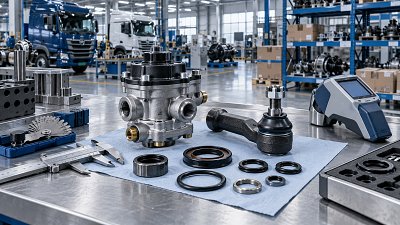
The affected categories include key truck-related components such as brake discs, air suspension valve bodies, and ABS control modules. Importers are now required to obtain a special permit in advance, and the approval process is expected to take 10 to 15 working days.
The information provided also indicates that this longer approval cycle may interrupt supply flows to vehicle assembly plants.
Where Pressure May Appear Across the Supply Chain
Import operations face a new timing risk
From an industry perspective, the most immediate impact is likely to fall on importers handling the newly covered parts categories. Their exposure is not only to the permit requirement itself, but also to the added time between ordering, customs planning, and actual clearance. What deserves closer attention is whether existing shipment schedules and documentation routines can absorb an extra 10 to 15 working days without causing downstream delays.
Assembly plants may need to watch parts continuity closely
For vehicle assembly operations, the issue is less about the policy text alone and more about whether critical parts arrive in sequence. Components such as brake discs, air suspension valve bodies, and ABS control modules are not peripheral items in truck assembly. Analysis shows that if inbound deliveries are delayed, the risk can shift quickly from paperwork to production continuity.
Parts distributors and logistics service providers may see planning complexity rise
Distributors, forwarding partners, and other supply chain service providers may also need to adjust. Observably, a permit-based process can create more coordination points around documentation readiness, cargo release timing, and delivery commitments. The immediate concern is not necessarily a structural market shift, but a higher likelihood of timing mismatches across procurement, customs handling, and customer delivery windows.
What Companies Should Track Now
Monitor any further official clarification
Companies should first focus on whether the updated list is followed by additional official wording on scope, implementation details, or document requirements. The practical effect of a rule often depends on how customs and licensing procedures are applied in day-to-day operations.
Identify exposure by part category and shipment status
Businesses involved in truck components should review whether their products fall within the 27 categories now subject to prior approval. Particular attention should go to shipments already planned, in transit, or tied to fixed delivery commitments, because the new approval lead time may affect contract execution and inventory timing.
Recheck documentation and supplier coordination
Because importers must apply in advance, document completeness and coordination with suppliers become more important. Analysis shows that even where demand remains unchanged, incomplete paperwork or unclear product classification can create additional delay once a permit requirement is introduced.
Prepare customer communication and contingency timing
For companies serving assembly plants or downstream buyers, it is more appropriate to treat delivery communication as an immediate operational issue. Businesses may need to review buffer time, shipment sequencing, and how they communicate revised lead times if licensing extends beyond the expected window.
Why This Looks Like More Than a Routine Customs Update
Observably, this development should not be read as a simple administrative adjustment. The products named in the provided information are core vehicle components, and the removal of a permit exemption changes how quickly they can move into the market. Analysis shows that the main significance at this stage lies in process friction rather than in a confirmed long-term market outcome.
It is more appropriate to understand this as a near-term operational signal with possible broader implications if implementation proves strict or prolonged. For now, the industry still needs to watch how consistently the licensing timeline is applied and whether delays remain manageable or begin to affect assembly schedules more materially.
How to Read the Current Signal
At present, this news is best understood as a compliance-driven change with direct supply chain implications. The confirmed facts point to a narrower but important issue: key Chinese-made substitute parts for land transport equipment entering Russia now face an added approval step, and that step may slow the flow of goods to assembly operations.
From an industry perspective, the development is significant because it affects timing, planning, and execution across import, distribution, and manufacturing links. It does not yet establish a complete long-term outcome, but it does warrant close monitoring as a live operational development rather than a one-day headline.
Source Note and Ongoing Verification
This article is based on the user-provided news title, event date, and event summary regarding Russia’s removal of the import permit exemption for 27 categories of substitute parts for land transport equipment.
For this type of industry update, relevant source categories typically include official customs notices, government regulatory updates, company statements, trade association releases, authoritative media reporting, and related compliance documents. A specific official source link was not provided in the input, so continued verification remains necessary.
What deserves closer attention going forward is whether there are further official clarifications on covered product scope, permit procedures, and the actual effect of the 10 to 15 working day approval cycle on supply continuity.
Trending News
- How to choose an off road truck for steep and unstable job sites
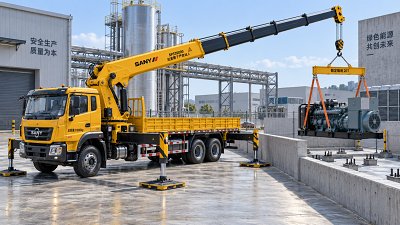
- How to match crane truck lifting capacity to your jobsite loads
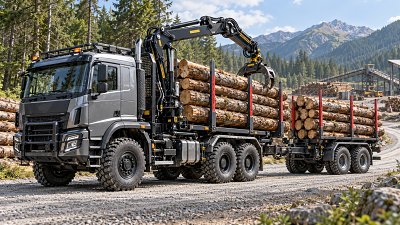
- What drives logging truck cost beyond the base purchase price?
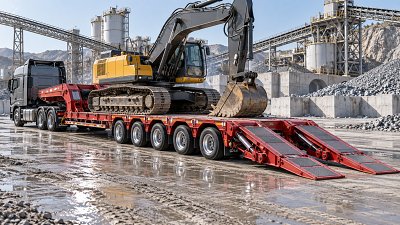
- How to match lowbed trailer deck height to your hauling equipment
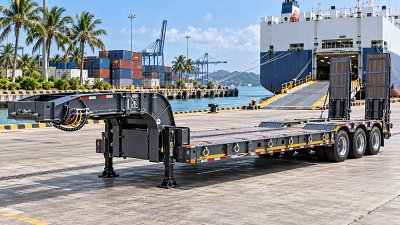
- What documents are needed to export a low bed trailer to Southeast Asia?
Tag
Recommended News
 Buying GuideHow to choose an off road truck for steep and unstable job sitesChoose the right off road truck for steep, unstable job sites. Compare traction, braking, stability, clearance, payload, and route-test essentials.
 Buying GuideHow to match crane truck lifting capacity to your jobsite loadsCrane truck capacity planning made clear: calculate gross load, radius, rigging, outriggers, and ground conditions to select safer, job-ready lifting equipment.
 Transportation CostsWhat drives logging truck cost beyond the base purchase price?Logging truck cost goes far beyond the base price. Explore chassis, cranes, trailers, fuel, compliance, and support factors to make a smarter timber-hauling investment.
 Buying GuideHow to match lowbed trailer deck height to your hauling equipmentLowbed trailer deck height guide: match equipment clearance, ramp geometry, axle loads, tractor fit, and route limits for safer, more efficient hauling.
 Truck ExportWhat documents are needed to export a low bed trailer to Southeast Asia?Low bed trailer export to Southeast Asia: discover essential shipping, customs, origin, and technical documents to avoid delays and ensure smooth import clearance.
 Buying GuideWhat to verify before choosing a delivery truck supplier for school transportationDelivery truck supplier for school transportation: verify route fit, payload, safety, compliance, service support, and total cost before choosing a reliable partner.
 Buying GuideWhat an excavator manufacturer catalog should show before you compare modelsExcavator manufacturer catalog guide: verify supplier identity, configurations, hydraulics, compliance, parts support, and delivery readiness before comparing models.
 Buying GuideWhat to check before appointing a bulldozer distributorBulldozer distributor selection guide: evaluate service, parts availability, warranty, pricing, compliance, and lifecycle value to reduce downtime and protect fleet investment.
 Truck ExportHow to verify supplier reliability when sourcing bulldozers overseasBulldozer sourcing made safer: learn how to verify overseas suppliers, inspect quality, confirm specifications, manage export documents, and reduce lifecycle risk.
 Buying GuideWhat to verify before choosing a truck cement mixer supplierTruck cement mixer supplier checklist: verify chassis fit, drum quality, hydraulics, compliance, spare parts, and after-sales support before you buy.
 Buying GuideHow to verify a truck spare parts supplier before placing a bulk orderTruck spare parts supplier verification made practical: learn how to check part specifications, factory control, test records, samples, pricing, and delivery capability before placing a bulk order.
 Buying GuideWhat size truck container is right for a typical freight load?Truck container sizing made simple: compare payload, volume, pallet layouts, route access, and loading needs to choose the most efficient freight solution.
 Buying GuideWhat drives semi trailer price differences between similar models?Semi trailer price differences come down to frame materials, axles, suspension, coating, and configuration. Compare specifications line by line to choose lasting value.
 Truck Parts IndustryWhat causes a truck injector to fail prematurely?Truck injector failure can stem from fuel contamination, water, wiring faults, heat, or incorrect installation. Discover practical diagnostic steps to prevent repeat repairs.
 Buying GuideHow to compare excavator manufacturer price lists before requesting quotesCompare an excavator manufacturer price list with confidence. Learn to normalize configurations, calculate landed costs, assess options and service, and create stronger RFQs.
 Truck TechnologyDoes a cab chassis truck for fire department have enough frame capacity?Cab chassis truck for fire department: assess frame strength, axle loads, tank weight, stability and compliance for a safer, reliable fire apparatus build.
 Buying GuideHow to choose a mixer truck drum capacity for your concrete pourMixer truck capacity guide: match drum size to pour rate, legal payload, site access, and delivery cycles for efficient, reliable concrete placement.
 Buying GuideHow to size a bulldozer for construction site grading workBulldozer for construction sizing guide: match weight, blade, traction, grade control, and transport needs to improve grading productivity and costs.
 Buying GuideHow to assess a truck cement manufacturer’s build quality before orderingTruck cement manufacturer build quality: assess tank steel, welding, chassis integration, pneumatic systems, factory QC, and inspection evidence before ordering.
 Buying GuideWhen does a truck trailer OEM make sense for private-label fleets?Truck trailer OEM programs help private-label fleets cut lifecycle costs, standardize operations, and improve uptime. Learn when customization delivers real commercial value.
 Buying GuideWhat to verify before choosing a water truck OEM for your fleetWater truck OEM selection guide: verify chassis compatibility, tank quality, pump performance, compliance, and service support to build a safer, more reliable fleet.
 Buying GuideHow to size a cab chassis truck for a fire department apparatusCab chassis truck for fire department sizing guide: balance GVWR, axle loads, wheelbase, water tank placement, and mission needs for safer apparatus design.
 Truck TechnologyWhen does a truck off road setup need locking differentials?Truck off road setups need locking differentials when uneven, low-grip terrain causes wheelspin. Learn how to choose the right axle locks for safer, reliable mobility.
 Buying GuideWhat to verify before choosing a truck chassis supplierChoose the right truck chassis supplier with a practical checklist for application fit, axle ratings, body integration, quality control, delivery reliability, and after-sales support.
 Buying GuideHow to choose a logging truck for steep and rough forest roadsLogging truck selection for steep, rough forest roads: compare traction, braking, gearing, chassis strength, tires, and supplier support for safer, more reliable hauling.