China Share Rises as Indonesia Trailer Imports Jump
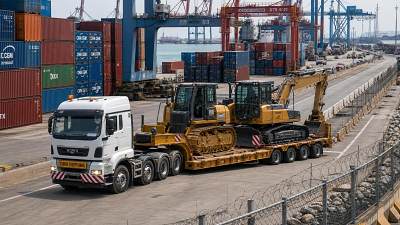
On June 2, 2026, Indonesia’s Central Statistics Agency, BPS, released data showing a sharp rise in imported trailers in the first quarter of 2026. The development deserves attention from trailer importers, logistics fleet operators, cold-chain service providers, distribution channels, and related supply-chain companies because the increase is linked to stronger demand for semi-trailers and refrigerated trailers following the revised Toll Road Logistics Corridor Act.
Event Overview
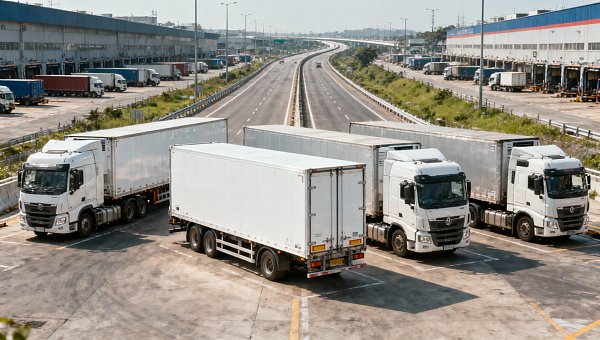
According to data released by Indonesia’s Central Statistics Agency on June 2, 2026, Indonesia imported 12,840 trailers in the first quarter of 2026, up 41.2% year on year.
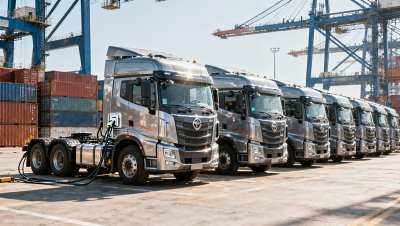
Among them, 8,730 trailers came from China, accounting for 67.9% of Indonesia’s total trailer imports during the period. In the first quarter of 2025, China’s share was 59.3%.
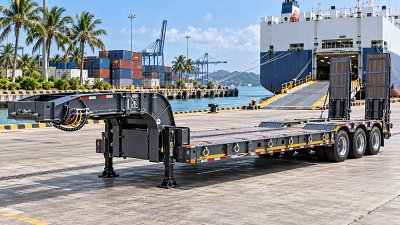
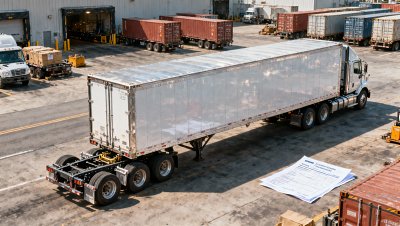
The reported increase was mainly driven by the revised Toll Road Logistics Corridor Act, which promoted logistics infrastructure upgrading and stimulated demand for semi-trailers and refrigerated trailers.
Which Segments May Be Affected
Trailer Import and Trading Companies
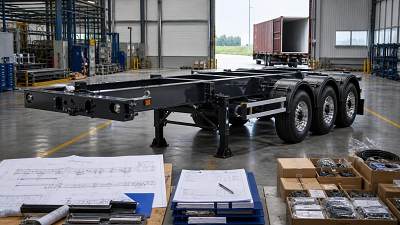
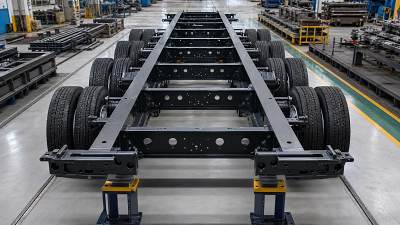
From an industry perspective, trailer importers and trading companies are the most directly affected because the confirmed data points to a significant increase in Indonesia’s import volume and a higher share of trailers supplied from China.
The impact is mainly reflected in import planning, product sourcing, supplier selection, and order allocation. Companies involved in imported semi-trailers and refrigerated trailers may need to pay closer attention to whether demand growth continues beyond the first quarter and whether product mix changes alongside logistics infrastructure upgrades.
Logistics Fleet Operators
Analysis shows that logistics fleet operators are closely connected to this development because the revised Toll Road Logistics Corridor Act is associated with infrastructure upgrading, which has supported demand for trailer equipment.
For fleet operators, the impact may appear in equipment renewal plans, vehicle configuration choices, and capacity deployment for corridor-based logistics services. The strong import growth suggests that fleet capacity planning around semi-trailers should be reviewed more frequently, especially where operators serve road freight routes linked to upgraded logistics infrastructure.
Cold-Chain and Refrigerated Transport Services
From an industry perspective, cold-chain service providers should pay particular attention because the disclosed information specifically identifies refrigerated trailers as one of the demand categories benefiting from the policy-driven logistics upgrade.
The main impact is likely to concern refrigerated transport capacity, trailer procurement timing, and service readiness. Companies operating refrigerated delivery networks may need to monitor whether the increase in imported refrigerated trailers leads to higher equipment availability or changes in market competition.
Channel and Distribution Companies
Observably, distribution companies that connect overseas trailer suppliers with Indonesian buyers may face changes in product flow, customer inquiries, and after-sales service demand as import volumes rise.
The impact is not limited to sales volume. It may also involve inventory coordination, delivery scheduling, documentation handling, and customer communication around semi-trailer and refrigerated trailer specifications. Since China’s share rose to 67.9%, channel companies working with Chinese trailer supply chains may need to evaluate whether current service capacity is sufficient for higher transaction activity.
Supply-Chain Service Providers
Analysis shows that freight forwarding, customs clearance, inspection coordination, and related supply-chain service providers may also be affected because a 41.2% year-on-year increase in imported trailers implies more import-related operational workload.
The impact may appear in shipment scheduling, port-side coordination, delivery handover, and documentation accuracy. Companies supporting trailer imports should pay attention to process efficiency and communication between overseas suppliers, importers, and local buyers.
Key Issues to Watch and Practical Responses
Track Further Official Data and Policy Signals
Companies should continue to follow updates from BPS and official statements related to the revised Toll Road Logistics Corridor Act. The first-quarter data confirms a strong increase, but it does not by itself confirm whether the same pace will continue in later quarters.
What deserves more attention now is the connection between official infrastructure policy implementation and actual trailer procurement demand. Businesses should avoid making long-cycle decisions based only on one quarter of import data.
Focus on Semi-Trailers and Refrigerated Trailers
The disclosed information specifically points to demand growth in semi-trailers and refrigerated trailers. Importers, fleet buyers, and service providers should therefore review these two product categories separately rather than treating the trailer market as a single broad segment.
Practical actions may include checking order pipelines, confirming technical requirements with buyers, reviewing delivery schedules, and assessing whether after-sales support can match higher demand in these categories.
Distinguish Policy Signals from Business Execution
It is more appropriate to understand this as both a confirmed import result for the first quarter and a policy-related market signal. However, the available information does not confirm how fast each logistics project or fleet procurement plan will be executed.
Companies should separate confirmed orders from expected demand. Procurement teams and sales teams should communicate clearly about which inquiries are linked to actual purchase plans and which are still responses to broader policy expectations.
Prepare Procurement and Supply-Chain Contingency Plans
From an industry perspective, the rise in import volume and the higher China share suggest that companies exposed to cross-border trailer supply should review procurement timing, supplier communication, and delivery coordination.
Practical preparation may include confirming production lead times with suppliers, improving documentation checks, preparing alternative shipment schedules, and ensuring that customers receive clear updates on delivery expectations. These steps are especially relevant for companies handling semi-trailers and refrigerated trailers.
Editor’s View / Industry Observation
Observably, the latest BPS data shows that Indonesia’s trailer import market entered 2026 with strong momentum, while China’s share increased notably from the same period in 2025. The confirmed figures indicate a clear first-quarter result, not merely a forecast.
Analysis shows that the more important industry signal lies in the link between logistics infrastructure upgrading and equipment demand. Semi-trailers and refrigerated trailers are the categories specifically mentioned in the disclosed information, making them the key areas for market participants to watch.
It is more appropriate to understand this news as a combination of an already visible import increase and a continuing signal for logistics equipment demand. Whether the trend becomes a longer-term pattern will depend on subsequent official data and the practical implementation pace of logistics corridor upgrades.
Conclusion
The June 2 BPS data highlights a significant rise in Indonesia’s imported trailer volume in the first quarter of 2026, with China’s share increasing to 67.9%. For importers, logistics operators, cold-chain service providers, distribution companies, and supply-chain service firms, the development is relevant because it reflects changing demand around trailer equipment tied to logistics infrastructure upgrading.
Current more suitable interpretation is to treat the data as a confirmed short-term market result and a policy-related industry signal. Companies should remain neutral and practical, focusing on official follow-up data, key trailer categories, real procurement demand, and supply-chain readiness.
Information Source
Main source: Indonesia’s Central Statistics Agency, BPS, data released on June 2, 2026.
Items for continued observation: subsequent BPS import data, further official information related to the revised Toll Road Logistics Corridor Act, and demand changes in semi-trailers and refrigerated trailers.
Trending News
- CATL Unveils Tianxing II Electric-to-Electric Range-Extended Heavy Truck Solution
- How much torque does a truck engine need for heavy-duty hauling?
- How to assess a crane truck distributor's spare parts support
- Volvo Group Forms Volvo Mining to Integrate Equipment and Autonomous Solutions
- How to verify spare parts availability with a crane truck supplier
Tag
Recommended News
 Truck ExportWhat documents are needed to export a low bed trailer to Southeast Asia?Low bed trailer export to Southeast Asia: discover essential shipping, customs, origin, and technical documents to avoid delays and ensure smooth import clearance.
 Truck ExportHow to verify supplier reliability when sourcing bulldozers overseasBulldozer sourcing made safer: learn how to verify overseas suppliers, inspect quality, confirm specifications, manage export documents, and reduce lifecycle risk.
 Truck ExportWhat paperwork is required for heavy equipment export shipments?Heavy equipment export paperwork explained: invoices, customs filings, bills of lading, origin certificates, technical approvals, and compliance records for smoother global shipments.
 Truck ExportHow to reduce quality risks when sourcing dump trucks overseasDump truck sourcing made safer: learn how to verify suppliers, control specifications, meet compliance rules, and inspect trucks before shipment.
 Truck ExportChina’s Electric Heavy Truck Exports Double in Four Months, With South and Southeast Asia LeadingChina’s electric heavy truck exports doubled in four months, with South and Southeast Asia leading demand. Explore compliance, delivery, and market-entry opportunities now.
 Truck ExportU.S. Final Ruling on Chinese Box Trailers Nears, Exporters Brace for ComplianceChinese box trailer exporters face the U.S. final ruling on anti-dumping duties. Learn how pricing, HS code compliance, contracts, and supply chains may be impacted.
 Truck ExportWhat to check before choosing a dump truck exporterDump truck exporter guide: discover the key checks before buying, from truck specs and compliance to export support, and avoid costly sourcing mistakes.
 Truck ExportBaosteel’s EN 15804+A2 EPD Signals a New Compliance Layer for Heavy Plate ExportsBaosteel’s EN 15804+A2 EPD Signals a New Compliance Layer for Heavy Plate Exports, showing how carbon disclosure and verified documentation may reshape export approval, sourcing, and OEM screening.
 Truck ExportHow to Evaluate a Water Truck Exporter for Build Quality and After-Sales SupportWater truck exporter selection starts with more than price. Learn how to assess build quality, compliance, parts support, and after-sales service before placing an order.
 Truck ExportHow to Evaluate a Semi Trailer Exporter for Compliance, Lead Time, and After-Sales SupportSemi trailer exporter evaluation made practical: learn how to verify compliance, compare real lead times, and assess after-sales support before choosing a reliable supplier.
 Truck ExportConstruction Machinery Exporter Checklist for Overseas Delivery RisksConstruction machinery exporter checklist for overseas delivery risks: learn how to reduce damage, customs delays, document errors, and cost exposure before shipment.
 Truck ExportChina Adds Battery Carbon Footprint Filing for NEV Truck ExportsChina adds battery carbon footprint filing for NEV truck exports, reshaping customs clearance, lead times, and export costs. Learn who is affected and how to prepare now.
 Truck ExportTruck Trailer OEM Checklist: Key Quality Points Before Supplier ApprovalTruck trailer OEM approval starts with the right checklist. Discover key quality, compliance, and audit points to screen suppliers, reduce sourcing risk, and choose with confidence.
 Truck ExportHeavy Equipment Export to Africa: Hidden Cost Risks Beyond Unit PriceHeavy equipment export to Africa involves more than unit price. Discover hidden costs in logistics, customs, parts, and after-sales support to make smarter, lower-risk buying decisions.
 Truck ExportTruck Tipper Exporter Checklist: 7 Risks to Review Before SigningTruck tipper exporter checklist: review 7 critical risks before signing, from compliance and quality control to delivery, warranty, and payment protection.
 Truck ExportChina Customs Rolls Out 2026 Export Truck GuideChina Customs Rolls Out 2026 Export Truck Guide: learn how new battery safety, automated driving data compliance, and GCC certification checks could impact truck exports and shipment readiness.
![]() Truck ExportWhat OEM Services Really Matter in a Commercial Trucks ManufacturerCommercial trucks manufacturer with OEM services: learn which OEM capabilities truly protect uptime, compliance, parts access, and fleet cost before you shortlist suppliers.
Truck ExportWhat OEM Services Really Matter in a Commercial Trucks ManufacturerCommercial trucks manufacturer with OEM services: learn which OEM capabilities truly protect uptime, compliance, parts access, and fleet cost before you shortlist suppliers. Truck ExportCommercial Trucks Manufacturer in China: Export Quality Standards to CheckCommercial trucks manufacturer in China: learn which export quality standards, certifications, factory controls, and compliance checks reduce sourcing risk and protect fleet performance.
 Truck ExportMexico Cuts PROSEC Duty on Truck Chassis, Adds Audit RuleMexico Cuts PROSEC Duty on Truck Chassis to 0% from July 2026, but new audit rules and a 35% localization threshold raise compliance risks. Learn what importers must do to stay eligible.
 Truck ExportAlashankou Opens Priority Clearance for New Energy TrucksAlashankou opens priority clearance for new energy trucks, cutting export customs time by 3.2 days. Learn how UN38.3, GB 38031, and ECE R100.03 compliance can speed rail deliveries.
 Truck ExportDump Truck Supplier in Brazil: Import Costs, Lead Times, and Compliance PointsDump truck supplier in Brazil guide: compare real import costs, lead times, and compliance points to avoid delays, control landed cost, and choose a reliable supplier faster.
 Truck ExportCommercial Trucks Manufacturer in China: How to Compare Factory StrengthCommercial trucks manufacturer in China comparison guide: learn how to assess factory strength, quality control, certifications, and export capability for safer, smarter sourcing.
 Truck ExportTruck Cement Exporter Checklist for Cross-Border Compliance and DeliveryTruck cement exporter checklist for cross-border success: verify compliance, documents, packaging, and delivery planning to reduce risk and choose reliable suppliers with confidence.
 Truck ExportIndia Cuts HS 8701.20 Export Rebate to 9%India Cuts HS 8701.20 Export Rebate to 9%: learn how the DGFT move impacts electric heavy truck chassis pricing, margins, contracts, and India-bound supply chain planning.
 Truck ExportVietnam Halts Non-EVTA Truck Import FilingsVietnam Halts Non-EVTA Truck Import Filings: learn how MOIT’s new rule affects Chinese heavy trucks, EVTA Form EUR.1 compliance, shipment risk, and Vietnam delivery planning.