China-Europe Railway Express Surpasses 130,000 Trains
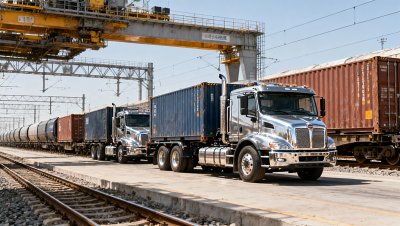
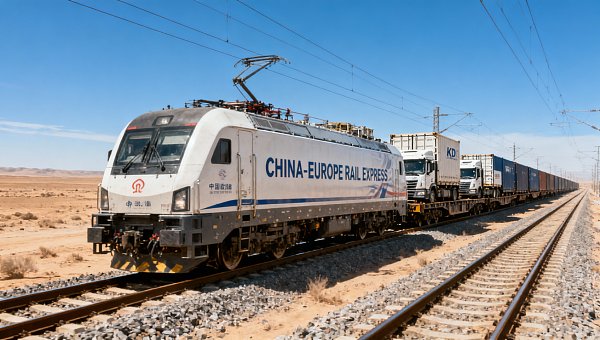
As of May 12, 2026, the China-Europe Railway Express has cumulatively operated over 130,000 trains, according to a report published by China Service Trade Guide Network. This milestone reflects measurable improvements in on-time performance, customs clearance efficiency, and multimodal connectivity — developments with direct implications for heavy-duty truck exporters, KD kit suppliers, and specialized vehicle modification firms serving European and Central Asian markets.
Event Overview
On May 12, 2026, China Service Trade Guide Network reported that the China-Europe Railway Express had exceeded 130,000 total train operations. The report highlighted ongoing enhancements in schedule reliability, cross-border customs processing speed, and integration across rail, road, and port logistics nodes. No additional operational metrics (e.g., average transit time, regional breakdowns, or cargo volume) were disclosed in the source material.
Industries Affected
Heavy-Duty Truck Exporters (Whole-Vehicle Shipment)
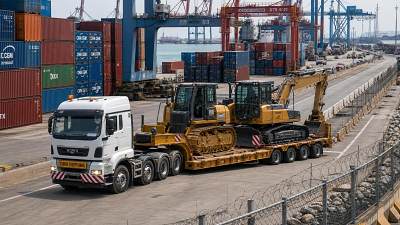
These enterprises rely heavily on rail capacity and scheduling predictability for delivering fully assembled trucks to overseas markets. Improved train punctuality and consistent departure windows reduce inventory holding time at origin terminals and support more reliable delivery commitments to foreign distributors.
KD Kit Suppliers (Knock-Down Component Exporters)
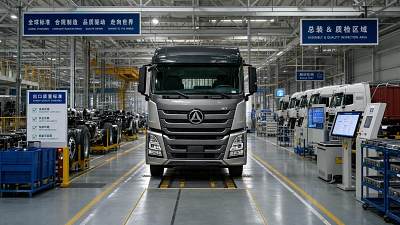
KD kits require precise sequencing of parts shipments to match overseas assembly line schedules. Enhanced multimodal coordination — especially between rail and local inland transport — helps minimize staging delays at destination hubs, supporting just-in-time production planning abroad.
Specialized Vehicle Modification Firms
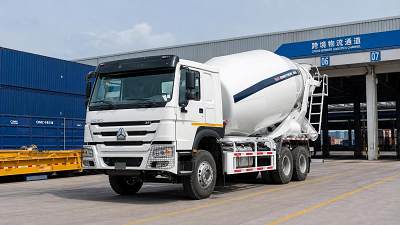
Firms exporting custom-built vehicles (e.g., fire trucks, concrete mixers, or mining equipment) often face non-standard loading requirements and extended documentation review. Higher customs clearance efficiency along the corridor directly shortens lead time variability for these high-value, low-volume consignments.
Key Considerations and Recommended Actions for Stakeholders
Monitor official updates on service frequency and priority lane allocation
While the 130,000-train milestone signals scale, current service levels (e.g., weekly departures per corridor, seasonal adjustments, or booking lead times) are not specified in the source. Stakeholders should track announcements from China State Railway Group and national railway operators for concrete scheduling parameters.
Assess exposure to key corridors and terminal capacities
The report does not identify which routes (e.g., Western Corridor via Alashankou, Central Corridor via Khorgos, or Eastern Corridor via Manzhouli) contributed most to the cumulative figure. Exporters should verify current throughput limits and congestion patterns at primary departure and arrival terminals before committing to rail-based delivery timelines.
Distinguish between infrastructure progress and contractual enforceability
Improved average on-time performance is noted, but the source does not indicate whether this translates into binding service-level agreements (SLAs) or penalty mechanisms for delays. Companies integrating rail into long-term supply contracts should clarify liability terms with freight forwarders and rail operators separately.
Update internal logistics forecasting models with revised lead-time ranges
Rather than adopting a single “new standard” transit duration, firms should collect recent shipment data (last 3–6 months) to recalibrate minimum/maximum delivery windows — particularly for high-priority orders where air freight alternatives remain cost-prohibitive.
Editorial Perspective / Industry Observation
Observably, this milestone functions primarily as a signal of sustained operational maturity rather than an immediate inflection point in service capability. The emphasis on stability — rather than speed or cost reduction — suggests the corridor is shifting toward institutionalized reliability, which benefits planning-intensive exporters. Analysis shows that while the headline number confirms scale, real-world impact remains contingent on corridor-specific execution consistency and documentation harmonization across participating countries. From an industry perspective, the value lies less in the count itself and more in its correlation with reduced forecast error in international order fulfillment.
Conclusion: The 130,000-train milestone is best understood as evidence of maturing infrastructure governance — not a standalone catalyst for strategic shifts. For stakeholders, it reinforces the viability of rail as a predictable leg within multimodal export logistics, provided route-specific performance data is verified and integrated into operational planning. Current conditions favor incremental optimization over structural reconfiguration.
Source: China Service Trade Guide Network (reported May 12, 2026).
Note: Corridor-specific performance data, contractual service guarantees, and comparative transit time trends versus maritime or air options remain unconfirmed in the source and warrant ongoing observation.
Trending News
- When does heavy equipment transport require a lowboy trailer?
- When does a light commercial vehicle for urban delivery save fleet costs?
- How to choose an off road truck for steep and unstable job sites
- How to match crane truck lifting capacity to your jobsite loads
- What drives logging truck cost beyond the base purchase price?
Tag
Recommended News
 Truck ExportWhat documents are needed to export a low bed trailer to Southeast Asia?Low bed trailer export to Southeast Asia: discover essential shipping, customs, origin, and technical documents to avoid delays and ensure smooth import clearance.
 Truck ExportHow to verify supplier reliability when sourcing bulldozers overseasBulldozer sourcing made safer: learn how to verify overseas suppliers, inspect quality, confirm specifications, manage export documents, and reduce lifecycle risk.
 Truck ExportWhat paperwork is required for heavy equipment export shipments?Heavy equipment export paperwork explained: invoices, customs filings, bills of lading, origin certificates, technical approvals, and compliance records for smoother global shipments.
 Truck ExportHow to reduce quality risks when sourcing dump trucks overseasDump truck sourcing made safer: learn how to verify suppliers, control specifications, meet compliance rules, and inspect trucks before shipment.
 Truck ExportChina’s Electric Heavy Truck Exports Double in Four Months, With South and Southeast Asia LeadingChina’s electric heavy truck exports doubled in four months, with South and Southeast Asia leading demand. Explore compliance, delivery, and market-entry opportunities now.
 Truck ExportU.S. Final Ruling on Chinese Box Trailers Nears, Exporters Brace for ComplianceChinese box trailer exporters face the U.S. final ruling on anti-dumping duties. Learn how pricing, HS code compliance, contracts, and supply chains may be impacted.
 Truck ExportWhat to check before choosing a dump truck exporterDump truck exporter guide: discover the key checks before buying, from truck specs and compliance to export support, and avoid costly sourcing mistakes.
 Truck ExportBaosteel’s EN 15804+A2 EPD Signals a New Compliance Layer for Heavy Plate ExportsBaosteel’s EN 15804+A2 EPD Signals a New Compliance Layer for Heavy Plate Exports, showing how carbon disclosure and verified documentation may reshape export approval, sourcing, and OEM screening.
 Truck ExportHow to Evaluate a Water Truck Exporter for Build Quality and After-Sales SupportWater truck exporter selection starts with more than price. Learn how to assess build quality, compliance, parts support, and after-sales service before placing an order.
 Truck ExportHow to Evaluate a Semi Trailer Exporter for Compliance, Lead Time, and After-Sales SupportSemi trailer exporter evaluation made practical: learn how to verify compliance, compare real lead times, and assess after-sales support before choosing a reliable supplier.
 Truck ExportConstruction Machinery Exporter Checklist for Overseas Delivery RisksConstruction machinery exporter checklist for overseas delivery risks: learn how to reduce damage, customs delays, document errors, and cost exposure before shipment.
 Truck ExportChina Adds Battery Carbon Footprint Filing for NEV Truck ExportsChina adds battery carbon footprint filing for NEV truck exports, reshaping customs clearance, lead times, and export costs. Learn who is affected and how to prepare now.
 Truck ExportTruck Trailer OEM Checklist: Key Quality Points Before Supplier ApprovalTruck trailer OEM approval starts with the right checklist. Discover key quality, compliance, and audit points to screen suppliers, reduce sourcing risk, and choose with confidence.
 Truck ExportHeavy Equipment Export to Africa: Hidden Cost Risks Beyond Unit PriceHeavy equipment export to Africa involves more than unit price. Discover hidden costs in logistics, customs, parts, and after-sales support to make smarter, lower-risk buying decisions.
 Truck ExportTruck Tipper Exporter Checklist: 7 Risks to Review Before SigningTruck tipper exporter checklist: review 7 critical risks before signing, from compliance and quality control to delivery, warranty, and payment protection.
 Truck ExportChina Customs Rolls Out 2026 Export Truck GuideChina Customs Rolls Out 2026 Export Truck Guide: learn how new battery safety, automated driving data compliance, and GCC certification checks could impact truck exports and shipment readiness.
![]() Truck ExportWhat OEM Services Really Matter in a Commercial Trucks ManufacturerCommercial trucks manufacturer with OEM services: learn which OEM capabilities truly protect uptime, compliance, parts access, and fleet cost before you shortlist suppliers.
Truck ExportWhat OEM Services Really Matter in a Commercial Trucks ManufacturerCommercial trucks manufacturer with OEM services: learn which OEM capabilities truly protect uptime, compliance, parts access, and fleet cost before you shortlist suppliers. Truck ExportCommercial Trucks Manufacturer in China: Export Quality Standards to CheckCommercial trucks manufacturer in China: learn which export quality standards, certifications, factory controls, and compliance checks reduce sourcing risk and protect fleet performance.
 Truck ExportMexico Cuts PROSEC Duty on Truck Chassis, Adds Audit RuleMexico Cuts PROSEC Duty on Truck Chassis to 0% from July 2026, but new audit rules and a 35% localization threshold raise compliance risks. Learn what importers must do to stay eligible.
 Truck ExportAlashankou Opens Priority Clearance for New Energy TrucksAlashankou opens priority clearance for new energy trucks, cutting export customs time by 3.2 days. Learn how UN38.3, GB 38031, and ECE R100.03 compliance can speed rail deliveries.
 Truck ExportDump Truck Supplier in Brazil: Import Costs, Lead Times, and Compliance PointsDump truck supplier in Brazil guide: compare real import costs, lead times, and compliance points to avoid delays, control landed cost, and choose a reliable supplier faster.
 Truck ExportCommercial Trucks Manufacturer in China: How to Compare Factory StrengthCommercial trucks manufacturer in China comparison guide: learn how to assess factory strength, quality control, certifications, and export capability for safer, smarter sourcing.
 Truck ExportTruck Cement Exporter Checklist for Cross-Border Compliance and DeliveryTruck cement exporter checklist for cross-border success: verify compliance, documents, packaging, and delivery planning to reduce risk and choose reliable suppliers with confidence.
 Truck ExportIndia Cuts HS 8701.20 Export Rebate to 9%India Cuts HS 8701.20 Export Rebate to 9%: learn how the DGFT move impacts electric heavy truck chassis pricing, margins, contracts, and India-bound supply chain planning.
 Truck ExportVietnam Halts Non-EVTA Truck Import FilingsVietnam Halts Non-EVTA Truck Import Filings: learn how MOIT’s new rule affects Chinese heavy trucks, EVTA Form EUR.1 compliance, shipment risk, and Vietnam delivery planning.