Why Modular Flatbed Trailer Design Helps Mixed Cargo Operations
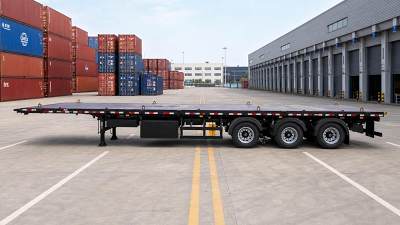
Mixed cargo operations demand flexibility, safety, and faster turnaround in every haul. That is why more operators are turning to a flatbed trailer supplier with modular design to handle changing load sizes, shapes, and transport requirements. From construction materials to industrial equipment, modular flatbed solutions help improve loading efficiency, reduce downtime, and adapt to diverse road transport tasks with greater confidence.
Why operators should use a checklist before choosing modular flatbed equipment
In mixed cargo work, the biggest mistake is judging a trailer only by deck length or price. Daily transport tasks often include steel sections in the morning, palletized goods in the afternoon, and oversized machinery on the next trip. A standard fixed-spec trailer may handle one of these well, but not all of them efficiently. That is why a checklist-based approach matters. It helps operators compare real working needs against practical trailer capabilities before a purchase, fleet upgrade, or sourcing decision.
When evaluating a flatbed trailer supplier with modular design, operators need to look beyond appearance. The key questions are simple: Can the trailer adapt quickly to cargo changes? Is load securing easy and safe? Can parts, axles, deck sections, and accessories be configured for current and future tasks? Will maintenance stay manageable under hard road conditions? These are operational questions, and the right answers can reduce idle time, loading errors, and avoidable transport risks.
First-check list: the modular design features that matter most
Before comparing brands or requesting quotations, operators should confirm whether the modular concept is truly functional or just a sales label. A reliable flatbed trailer supplier with modular design should be able to explain how each modular element supports different cargo types, loading methods, and route conditions.
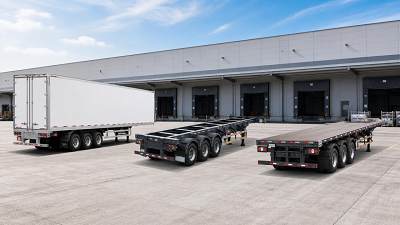
- Deck extension options: Check whether the trailer can be lengthened or reconfigured for long cargo such as pipes, beams, or precast components without compromising stability.
- Removable or adjustable side accessories: Operators should confirm the availability of removable stakes, side posts, and lashing points for mixed cargo restraint.
- Axle configuration flexibility: A modular platform should support different axle layouts depending on payload, road regulations, and turning needs.
- Detachable components: Look for modular ramps, toolboxes, landing gear options, spare wheel carriers, and other parts that can be selected based on operation type.
- Load securing system compatibility: The trailer should support chains, straps, twist locks, container fittings, and specialized anchoring systems where required.
- Maintenance-friendly structure: Bolted assemblies, accessible wear parts, and standardized replacement items reduce workshop downtime.
- Future upgrade potential: Confirm whether the trailer can be modified later as cargo demand changes, rather than forcing a full replacement.
If a supplier cannot clearly explain these points, the modular claim may not deliver enough value in real transport work.
How modular flatbed design supports mixed cargo operations in daily use
The core advantage of modular design is not complexity. It is adaptability. Mixed cargo operators face constant variation in cargo dimensions, weight distribution, loading tools, and unloading environments. A modular trailer helps adjust equipment to the load rather than forcing the load to fit a rigid trailer layout.
For example, a transport team carrying bagged materials, steel coils, timber bundles, and compact machinery needs multiple restraint methods and practical deck access. A flatbed trailer supplier with modular design can provide configurable lashing positions, stake pockets, anti-slip deck treatments, and optional ramp systems. This allows operators to prepare the trailer faster and secure cargo with fewer compromises.
Another benefit is better fleet utilization. Instead of assigning one trailer only to one cargo category, modular equipment can cover a wider operating range. This improves dispatch flexibility, reduces trailer idling, and helps fleets respond faster to seasonal changes or short-notice cargo bookings.
Practical evaluation table for operators and fleet users
The table below can be used when comparing options from any flatbed trailer supplier with modular design.
Scenario-based checks: what to prioritize for different cargo types
Construction materials
For bricks, rebar, cement pallets, steel sections, and prefabricated parts, operators should prioritize deck strength, easy forklift access, and strong lashing flexibility. Modular stake systems and a durable deck surface are especially useful when load shapes change from one job site to another.
Industrial equipment and machinery
When carrying generators, compressors, compact excavators, or workshop equipment, loading angle and concentrated load support become critical. Ask the flatbed trailer supplier with modular design whether ramps, reinforced load zones, and axle distribution options are available for heavy point loads.
Long and irregular cargo
Pipes, poles, beams, and fabricated structures require length flexibility and secure side restraint. Deck extension modules, movable supports, and clear overhang planning should be confirmed early, especially where local road regulations are strict.
Container and pallet combinations
Some routes involve mixed freight where containers and palletized cargo are moved in alternating cycles. In this case, modular locking systems, deck versatility, and quick conversion capability bring measurable time savings and help reduce handling delays.
Commonly overlooked risks when selecting a modular trailer
Even experienced operators can miss details that later affect safety, compliance, or productivity. The following risk reminders should be part of any purchase review:
- Assuming every modular system is easy to change in the field. Some require workshop time and are not suitable for quick turnaround operations.
- Focusing only on maximum payload without checking deck usability, tie-down layout, and real loading access.
- Ignoring tare weight. A more configurable trailer may add structural weight, which can reduce effective payload in some operations.
- Overlooking road regulation compatibility, including axle load limits, overall length rules, and permit requirements for oversized loads.
- Not checking spare parts standardization. A modular trailer is only practical if parts can be sourced quickly and installed easily.
- Failing to train operators on configuration changes, cargo securing methods, and safe loading sequence.
Execution advice: how operators should communicate with suppliers
To get useful answers from a flatbed trailer supplier with modular design, operators should prepare operational data instead of asking for a general recommendation. Clear information leads to better specifications and fewer revisions.
- List the top five cargo categories moved most often, including typical dimensions and weights.
- Describe loading methods such as forklift, crane, side loading, or ramp loading.
- Note route conditions, including highway work, rough roads, frequent turns, or site access limitations.
- Provide legal and market requirements for the target country or region.
- Ask which modules are standard, which are optional, and which can be added later.
- Request maintenance intervals, spare parts lists, and support response times.
This approach is particularly important on international B2B platforms, where operators compare multiple manufacturers across different markets. A good supplier should convert transport needs into a clear technical proposal rather than push a one-size-fits-all unit.
What good supplier support should look like after the trailer is delivered
The value of a modular trailer continues after purchase. Operators should check whether the supplier offers documentation, maintenance guidance, and upgrade support. A dependable flatbed trailer supplier with modular design should provide assembly drawings, load securing recommendations, wear part references, and communication channels for technical questions.
For fleets working across borders, multilingual service and digital product information are also useful. This is where a professional industry platform can help buyers compare specifications, review supplier capabilities, and identify manufacturers with stronger export experience, component resources, and after-sales responsiveness.
FAQ: quick answers operators often need
Does modular design always mean higher cost?
Not necessarily. Initial purchase cost may be higher than a simple fixed trailer, but better utilization, lower downtime, and reduced need for separate specialized trailers can improve total operating value.
Is a modular trailer suitable for small fleets?
Yes, especially when one trailer must handle several cargo categories. Small fleets often benefit from versatility because asset usage is more sensitive to scheduling changes.
What is the first technical detail to verify?
Start with the real cargo profile: weight, dimensions, loading method, and securing requirements. Without that information, even the best flatbed trailer supplier with modular design cannot recommend the right configuration.
Final checklist before requesting a quote
Before moving to supplier discussions, operators should confirm this short final checklist: what cargo changes most often, what deck layout is needed, what securing systems are mandatory, what road limits apply, what modules may be added later, and how quickly spare parts must be available. These points directly affect whether a modular trailer will improve daily operations or simply add complexity.
If you are comparing options from a flatbed trailer supplier with modular design, the next step is to prepare cargo data, route conditions, target market requirements, and maintenance expectations. With those details ready, it becomes much easier to confirm the right parameters, evaluate adaptability, discuss delivery cycle and budget, and choose a supplier that truly supports safe and efficient mixed cargo transport.
Trending News
- Crane Truck Exporter Options: Matching Lifting Capacity to Project Needs
- Dump Truck Exporter Costs Explained: Shipping, Duties, and Hidden Fees
- Construction Machinery Price Trends in 2026: What Is Driving Total Cost Up
- Truck Tipper Exporter Review: What to Check Before Signing an Overseas Order
- Logging Truck Manufacturer Guide: Payload, Stability, and Road Conditions
Tag
Recommended News
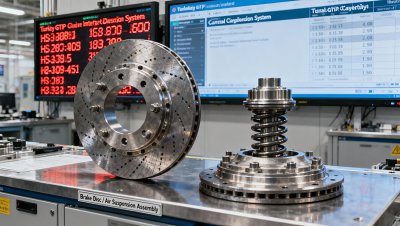
 Logistics & FreightTurkey Launches AI System for Heavy-Duty Vehicle Parts ClassificationAI system for heavy-duty vehicle parts classification launched in Turkey — boost HS code accuracy to 99.2% and cut customs clearance to 1.3 days for brake discs, air suspension & more.
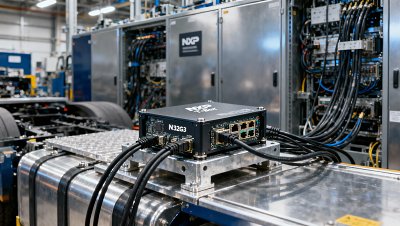
 Logistics & FreightNXP S32G3 Chip Output Up 35% for Heavy-Duty TrucksNXP S32G3 chip output up 35% for heavy-duty trucks—boosting V2X-ready T-Box production, EU/MENA export readiness, and L2+/L3 automation deployment.
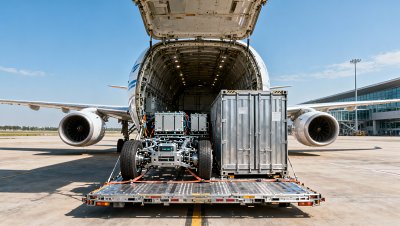
 Logistics & FreightAsia's First Dedicated Cargo Airport Launches Two Intercontinental Freight RoutesLand transport equipment exporters: Ezhou’s new cargo airport launches Chicago & Frankfurt air routes—7-day delivery for heavy-duty truck components, modular air freight, green channel access.
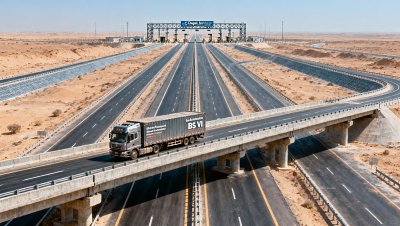
 Logistics & FreightPakistan Opens 6 Iran-Bound Land Corridors, Cutting China Heavy-Truck Transit to 6 HoursPakistan opens 6 Iran-bound land corridors—cutting China heavy-truck transit to just 6 hours. Boost BS VI truck exports, slash logistics costs & accelerate CPEC freight.
 Hits 103 Trains in One Month") Logistics & FreightCentral Asia Railway (Wuhan) Hits 103 Trains in One MonthCentral Asia Railway (Wuhan) hits 103 trains in April 2026 — traction vehicles, concrete mixer chassis & low-bed semi-trailers drive 37% of exports. Fast, reliable overland transport for Central Asia & Caspian markets.
Logistics & FreightCentral Asia Railway (Wuhan) Hits 103 Trains in One MonthCentral Asia Railway (Wuhan) hits 103 trains in April 2026 — traction vehicles, concrete mixer chassis & low-bed semi-trailers drive 37% of exports. Fast, reliable overland transport for Central Asia & Caspian markets. Logistics & FreightErenhot Highway Port Launches 24-Hour Freight ClearanceErenhot Highway Port now offers 24-hour freight clearance—boosting speed & reliability for heavy-duty truck exporters, cross-border logistics, and Mongolian distributors.
 Logistics & FreightErlianhot Highway Port Launches 24-Hour Freight ClearanceErlianhot Highway Port now offers 24-hour freight clearance — China’s first round-the-clock land port for Mongolia-bound heavy-duty vehicles and construction equipment. Faster, more predictable cross-border logistics await.
 Hits 103 Trains in One Month") Logistics & FreightCentral Asia Railway (Wuhan) Hits 103 Trains in One MonthCentral Asia Railway (Wuhan) hits 103 trains in April 2026 — a record boost for land transport equipment exporters, freight forwarders & EU/Central Asian buyers.
Logistics & FreightCentral Asia Railway (Wuhan) Hits 103 Trains in One MonthCentral Asia Railway (Wuhan) hits 103 trains in April 2026 — a record boost for land transport equipment exporters, freight forwarders & EU/Central Asian buyers. Logistics & FreightBest Flatbed Trailer Supplier Options for Logistics TransportationFind the best flatbed trailer supplier for logistics transportation with expert tips on load capacity, durability, compliance, and supplier support to improve fleet efficiency.
 Logistics & FreightErenhot Highway Port Launches 24-Hour Freight Clearance for MongoliaErenhot Highway Port launches 24-hour freight clearance for Mongolia — boosting speed, reliability & TIR-compliant exports of heavy vehicles and machinery.
 Logistics & FreightChina–Central Asia Customs Sign E-Release Mutual Recognition MOUChina–Central Asia e-release MOU streamlines road transport equipment clearance—tractors, semi-trailers & special vehicles now benefit from mutual recognition, faster borders & lower logistics costs.
 Logistics & FreightPakistan Opens 6 Land Routes to Iran, Cutting China Heavy-Truck Transit to 6 HoursPakistan opens 6 new land routes to Iran—cutting China heavy-truck transit to just 6 hours. Transform logistics, slash clearance time & boost supply chain resilience.
 Logistics & FreightChina-Central Asia Customs Sign E-Release Mutual Recognition MOUChina-Central Asia e-release MOU streamlines land transport equipment clearance—cutting costs 11% and enabling single-declaration, five-country mutual recognition for tractors, trailers & chassis.
 Logistics & FreightPakistan Activates 6 Land Freight Corridors to IranPakistan’s 6 new land freight corridors to Iran — including Gwadar–Gabd — enable sub-6-hour cross-border heavy freight. Boost efficiency, bypass Hormuz, and future-proof your陆路运输设备 logistics.
 Logistics & FreightBest Semi Trailer Manufacturer for Logistics in 2026Find the best semi trailer manufacturer for logistics in 2026. Compare durable, compliant, cost-efficient trailer solutions for regional, long-haul, port, and heavy-duty transport.
 Logistics & FreightLow Bed Trailer Export for Mining: Load Limits and Route PlanningLow bed trailer export for mining: learn load limits, axle distribution, and route planning tips to reduce delays, improve compliance, and choose the right trailer for safer project delivery.
 Logistics & Freight24-Hour Full-Truckload Delivery Now Standard for Global Buyers24-hour full-truckload delivery is now standard for global buyers — enabling JIT reliability, API-driven visibility, and up to 40% safety stock reduction across陆路运输设备 supply chains.
 Logistics & FreightChina-Mongolia-Russia Trucking Pact Upgraded with e-CMR & Cold Chain Data SharingChina-Mongolia-Russia trucking pact upgrades cold chain logistics with e-CMR adoption and real-time temperature data sharing—boost compliance, cut delays, and future-proof cross-border road transport.
 Logistics & FreightChina Launches 24-Hour Full-Load Freight for 'Next-Day Delivery'China's 24-hour full-load freight enables guaranteed T+1 next-day delivery for exporters — boosting reliability, cutting air freight costs, and transforming cross-border supply chain planning.
 Logistics & FreightAll 27 Bridges Across Pinglu Canal CompletedAll 27 bridges across Pinglu Canal completed — unlocking a game-changing inland waterway route for heavy-duty road transport equipment from Southwest China to global markets.
 Logistics & FreightChoosing Commercial Vehicle Parts for Cold Storage ReliabilityCommercial vehicle parts for cold storage are key to reefer reliability. Learn how to choose durable, compatible parts that reduce downtime, protect cargo, and improve fleet performance.
 Logistics & Freight27 Bridges Over Pinglu Canal Completed, Accelerating Southwest Equipment ExportsPinglu Canal's 27 bridges completed—boosting陆路运输设备 exports to ASEAN, Middle East & Africa. Discover logistics advantages for heavy machinery, mining vehicles & concrete mixers.
 Logistics & FreightChina Launches 24-Hour Full-Truckload Delivery for Overseas BuyersFull-truckload delivery from China now guarantees 24-hour land transport for overseas buyers — transforming procurement, inventory, and supply chain resilience for陆路运输设备 exporters and importers.
 Logistics & FreightSix New Iran-Pakistan Land Crossings Opened, Land Clearance Cut to 6 HoursSix new Iran-Pakistan land crossings slash cargo clearance to just 6 hours—boosting efficiency for heavy-duty trucks, semi-trailers & CKD/SKD kits export.
 Logistics & FreightNanjing Launches First Wind Power Equipment Shipping Route to PakistanWind power equipment shipping route from Nanjing to Pakistan launched—key logistics upgrade for CPEC renewable projects, heavy transport & EPC contractors.