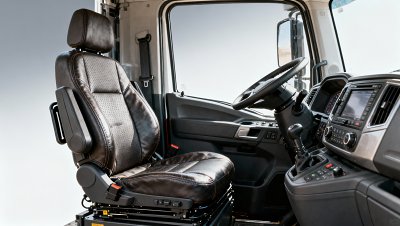
How truck cab noise affects long-haul fatigue more than expected
Long-haul fatigue is often blamed on schedules, poor sleep, and road conditions. Those factors matter, but many fleet buyers and equipment evaluators underestimate one important cause: truck cab noise. In real operating conditions, excessive in-cab noise does more than make drivers uncomfortable. It increases mental workload, reduces concentration, makes communication harder, and can gradually amplify fatigue over long shifts. For fleets, distributors, and procurement teams, this means cab noise is not just a comfort issue. It is a vehicle specification, safety, and lifecycle value issue.
For commercial vehicle buyers, the key question is not whether noise exists, but which truck systems create it, how it affects driver performance over time, and how to evaluate quieter truck cab designs before purchase. Understanding these factors can help businesses compare suppliers more accurately, support driver retention, and reduce hidden operating risks in long-haul applications.
Why truck cab noise has a bigger impact on long-haul fatigue than many fleets expect
Fatigue is not always caused by obvious physical strain. In many cases, it builds through constant low-level stress. Continuous cabin noise is one of the most overlooked forms of that stress. Even when the noise does not seem extreme, the driver is still exposed to it for hours at a time. Over a long-haul route, that exposure can become mentally draining.
Noise affects fatigue in several ways. First, it forces the brain to work harder to filter out unwanted sound, especially engine drone, tire roar, airflow noise, vibration-related rattles, and irregular mechanical sounds. Second, it can interfere with speech, navigation prompts, warning signals, and phone or dispatch communication. Third, it often combines with vibration and heat to create a cumulative stress environment inside the truck cab.
For long-distance operations, this matters because fatigue is not only about feeling sleepy. It also includes reduced alertness, slower reactions, lower patience, weaker decision-making, and higher cognitive load. A noisy cab can accelerate all of these problems, especially on repetitive highway routes where driver attention already faces natural decline.
What causes excessive noise inside a truck cab?
Cab noise is rarely caused by a single part. It is usually the result of multiple systems interacting under real driving conditions. For buyers and technical evaluators, the most useful approach is to understand the main noise sources across the vehicle.
1. Truck exhaust system
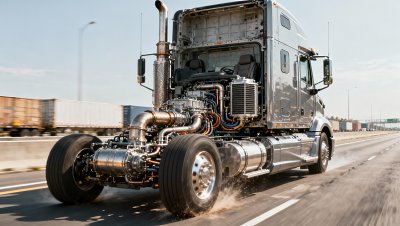
The truck exhaust system is a major contributor to cabin noise, especially under acceleration, climbing, and high-load conditions. Poor muffler performance, weak insulation, aging joints, or vibration transfer through mounting points can all increase sound entering the cab. In some models, exhaust routing and aftertreatment layout also affect perceived driver noise levels.
2. Truck tire and road interaction
Truck tire noise becomes especially noticeable at highway speed. Tread design, rubber compound, inflation condition, axle load, and road surface type all influence the amount of rolling noise transmitted into the cabin. Even a well-insulated cab can feel tiring if tire roar remains constant over long distances.
3. Truck cooling system
The truck cooling system, especially radiator fans and related airflow components, can create sharp or irregular noise bursts. When cooling fans engage frequently, the change in sound pattern can become distracting. On some heavy-duty trucks, cooling noise is more evident in hot climates, mountainous transport, or stop-and-go heavy-load conditions.
4. Truck steering system and chassis-related vibration
The truck steering system can contribute indirectly when looseness, poor damping, or worn components generate vibration, hum, or rattling that transfers into the cab structure. Front-end mechanical noise is often more tiring when it is inconsistent, because unpredictable sound is harder for drivers to ignore.
5. Truck electrical system
The truck electrical system may not seem like an obvious noise source, but blowers, auxiliary motors, relays, compressors, and poor electrical integration can all contribute to background noise. In modern commercial vehicles, more electronics can mean more convenience, but also more opportunities for sound-related annoyance if system design is weak.
6. Cab sealing, insulation, and structural design
Door seals, floor insulation, firewall treatment, cab mounts, glass thickness, and panel fitment all play a major role in how much outside and mechanical noise reaches the driver. Two trucks with similar engines may feel very different simply because one has better cab NVH performance. NVH refers to noise, vibration, and harshness, and it is a critical benchmark for long-haul comfort.
How cab noise affects driver performance, safety, and operating outcomes
For fleet managers and purchasing teams, the relevance of truck cab noise becomes clearer when linked to operating outcomes rather than comfort alone.
Reduced concentration over long driving hours
When drivers are exposed to steady cabin noise for extended periods, concentration declines faster. This is especially important during highway driving, night transport, and cross-border logistics where routes are long and visual stimulation may be limited.
Higher perceived workload
Drivers in noisy cabs often report feeling more tired even when driving time is similar. This happens because the environment itself is demanding. Mental filtering of constant noise consumes energy that would otherwise support situational awareness and safer operation.
Communication difficulty
Dispatch calls, in-cab alerts, navigation audio, and hands-free communication become harder to hear in a loud truck cab. This can affect route coordination, delivery timing, and emergency response.
Potential impact on driver retention
Driver comfort influences satisfaction. In competitive freight markets, poor cab conditions can become part of the reason drivers prefer one fleet or truck model over another. For companies managing high-mileage routes, a quieter truck can support a better driver experience and reduce complaints.
Possible increase in hidden operating cost
Fatigue-related inefficiency does not always appear as a direct maintenance item, but it can influence fuel-saving behavior, smooth driving habits, route consistency, and safety incidents. Over time, these small losses matter.
What procurement teams and business evaluators should look at when comparing truck cab noise performance
For B2B buyers, the challenge is that cab noise is not always easy to judge from brochures. Supplier claims may mention comfort, but real decision-making requires clearer evaluation points.
Ask for operating-condition noise data
Do not rely only on general comfort descriptions. Request measurable in-cab noise data under specific conditions such as idle, cruising speed, acceleration, climbing, and full-load operation. If available, compare decibel ranges under standardized test scenarios.
Evaluate the full noise-control system, not one component
A quiet engine alone does not guarantee a quiet cab. Review the integration of the truck exhaust system, cab insulation, truck tire configuration, cooling fan performance, door sealing, and chassis damping together.
Check route-specific suitability
A truck used for long expressway transport may need different NVH priorities than one used for construction support or mining logistics. Buyers should assess where the vehicle will operate, how many hours drivers stay in the cab, and what type of road surface dominates the route profile.
Review cab design details that influence fatigue
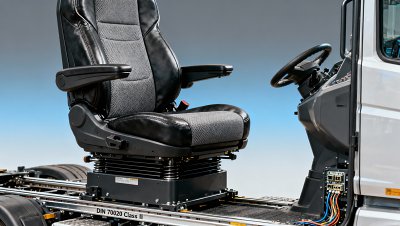
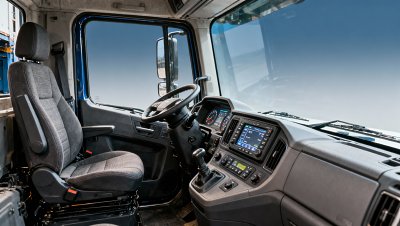
Important details include suspended cab structure, seat isolation, floor treatment, air sealing, sleeper layout, engine tunnel insulation, and dashboard acoustic design. These features may not look dramatic in a product catalog, but they shape daily usability.
Use driver feedback in supplier evaluation
If possible, involve experienced drivers in vehicle trials. Procurement decisions are often stronger when technical specifications are combined with real user response. Drivers can quickly identify tiring sound patterns that may not stand out during short demonstrations.
How manufacturers and suppliers can create more value through low-noise truck cab design
For manufacturers, component suppliers, and distributors, quieter cab performance is a market advantage, not just an engineering feature. As fleets become more professional in vehicle selection, they increasingly look beyond price and horsepower toward total operator value.
Suppliers that can demonstrate stronger acoustic performance may be better positioned in export markets, premium fleet tenders, and long-haul logistics applications. This is especially true when they can show how specific systems contribute to lower fatigue and improved driver experience.
Examples of value-enhancing improvements include better truck exhaust system isolation, lower-noise truck tire recommendations, optimized truck cooling system fan control, improved truck steering system vibration management, and cleaner truck electrical system integration. When combined with effective cab sealing and insulation, these improvements can produce a measurable competitive edge.
How to judge whether paying more for a quieter truck is worth it
In many cases, yes, especially for long-distance fleets. A quieter truck cab may cost more upfront, but the return can come through better driver acceptance, lower fatigue-related performance decline, stronger fleet image, and more suitable operation on high-mileage routes.
The investment is usually more justified when:
- The fleet operates long-haul or regional highway transport
- Drivers spend extended hours per shift in the cab
- Driver recruitment and retention are ongoing challenges
- The business prioritizes safety consistency and service reliability
- The truck will remain in service long enough for comfort-related value to accumulate
By contrast, for short-distance, low-speed, or highly intermittent applications, cab noise may still matter, but its economic weight may be lower than in dedicated long-haul operations.
Practical questions to ask before buying heavy-duty trucks for long-haul operations
- What is the in-cab noise level at cruising speed and under load?
- How does the truck exhaust system affect cabin sound during acceleration?
- Which truck tire specifications are recommended for lower road noise?
- How often does the truck cooling system create noticeable fan noise?
- What cab insulation and sealing materials are used?
- How does the truck steering system manage vibration transfer to the cab?
- Does the truck electrical system introduce extra blower, relay, or auxiliary noise?
- Can the supplier provide trial feedback, test reports, or reference users?
Conclusion
Truck cab noise affects long-haul fatigue more than many fleets initially expect because it operates continuously in the background, increasing mental stress hour after hour. For buyers, distributors, and business evaluators in the heavy truck industry, this makes noise control a practical purchasing criterion rather than a secondary comfort feature.
The most effective way to assess truck cab comfort is to look beyond a single headline specification and examine the whole vehicle system, including the truck exhaust system, truck tire, truck cooling system, truck steering system, truck electrical system, and overall cab insulation design. A quieter cab can support safer driving, better driver endurance, and stronger long-term operating value. In long-haul transport, that difference can be more significant than expected.
Trending News
- Cab Chassis Truck for Fire Department: Key Specs Before Ordering
- When to Use an Excavator With Long Reach Boom on Site
- Choosing a Water Truck Factory for Municipal and Mining Projects
- Truck Parts Wholesale: How to Balance Price, Quality, and Lead Time
- Crane Truck Price in 2026: What Drives Total Ownership Cost
Tag
Recommended News
 Driver CommunityHow truck cab noise affects long-haul fatigue more than expectedTruck cab noise drives long-haul fatigue more than expected. Learn how truck exhaust system, truck tire, truck cooling system, and truck steering system affect safety and fleet value.
 Truck Driver IndustryWhy truck tire heat buildup is still missed in summer operationsTruck tire heat buildup in summer is often missed despite truck cooling system and truck wheel checks. Learn how truck steering system, truck exhaust system, and sourcing choices affect fleet safety, uptime, and cost.
 Truck Driver IndustryLogistics truck cab ergonomics: How seat design affects driver fatigue on 12-hour shiftsOptimize logistics truck cab ergonomics with certified ergonomic seats—reducing driver fatigue, cutting truck maintenance costs, and enhancing performance for truck lowbed, off road, military & concrete applications.
 Truck Driver IndustryTruck excavator productivity: how 5° cab tilt affects operator fatigue on 10-hour shiftsDiscover how truck excavator cab tilt boosts productivity—5° tilt cuts operator fatigue by 37% on 10-hour shifts. Ideal for truck dumper, logging, spreader & steel transport. Optimize ergonomics, safety & ROI.
 Truck Driver IndustryMixer truck drum wear patterns: what they reveal about operator habitsDiscover how mixer truck drum wear reveals operator habits—and optimize procurement for lowbed trailer, truck van, fuel tank truck & more. Get data-driven insights now!
 Truck Driver IndustryHeavy duty trucks for sale in Canada: how cold-weather cab upgrades affect driver retentionHeavy duty trucks for sale in Canada with certified cold-weather cabs boost driver retention—compare OEM specs, TCO savings & trusted bulldozer manufacturer partnerships.
 Truck Driver IndustryLogging truck cab design still lags behind driver fatigue researchlogging truck cab design lags behind fatigue research—explore ergonomic truck parts for logging, dump, garbage, water & concrete pump trucks.
 Truck Driver IndustryCargo truck cab ergonomics: Why driver fatigue spikes on long-haul routesOptimize cargo truck cab ergonomics to slash driver fatigue & boost fleet ROI—explore certified truck parts, heavy truck, cement tanker, mining truck & more.
 Truck Driver IndustryHeavy duty trucks for sale in South Africa — how cab ergonomics affect operator fatigue on long haulsHeavy duty trucks for sale in South Africa — discover how ergonomic cabs reduce fatigue, boost safety & cut TCO. Verified ISO-certified bulldozer & excavator manufacturers included.