New Maritime Code Shifts Unclaimed Cargo Liability to Exporters from May 1
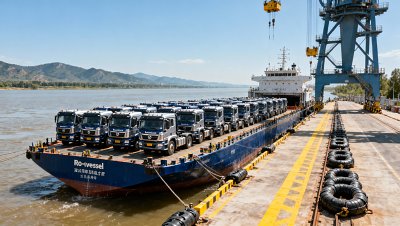
Effective 1 May 2026, the revised People’s Republic of China Maritime Code introduces a pivotal change in cargo liability allocation at discharge ports—shifting responsibility for unclaimed goods from consignees to shippers. This amendment directly impacts Chinese heavy-duty truck exporters operating under FOB or CIF trade terms, reshaping risk exposure in international logistics and documentation compliance.
Key Regulatory Change Effective 1 May 2026
Article 93 of the newly revised Maritime Code, effective 1 May 2026, explicitly reassigns liability for unclaimed cargo at the port of discharge from the consignee to the shipper. Under this provision, if overseas buyers refuse delivery or fail customs clearance, Chinese exporters—acting as shippers—bear financial responsibility for port storage fees, return freight costs, and disposal losses of the goods.
Impact Across Supply Chain Roles
Direct Trading Enterprises
Exporters of heavy-duty trucks face expanded contractual and financial exposure when using standard FOB/CIF Incoterms®. The shift necessitates reassessment of sales contracts, particularly clauses addressing destination port acceptance, force majeure, and buyer default. Documentation workflows—including bill of lading issuance and letter of credit stipulations—must now reflect proactive risk mitigation rather than passive reliance on consignee performance.
Manufacturing Enterprises
Heavy-truck OEMs and assemblers must integrate legal risk assessment into pre-shipment planning. Production scheduling and order acceptance decisions now require alignment with destination-market regulatory capacity, importer solvency, and local agent reliability—not only technical or logistical readiness.
Supply Chain Service Providers
Freight forwarders, customs brokers, and destination port agents are increasingly engaged earlier in the transaction lifecycle. Their role evolves from execution partners to co-risk managers—especially in verifying consignee licensing, import eligibility, and local warehousing contingency plans prior to vessel departure.
Procurement-Focused Enterprises
Companies sourcing components or subassemblies for export-bound vehicles must ensure supplier contracts accommodate potential delays or rework triggered by destination-side cargo rejection. Traceability requirements and documentation handover protocols between tiers gain heightened importance under the new liability regime.
Critical Focus Areas and Recommended Actions
Strengthen Letter of Credit Review Protocols
Verify that LC terms mandate full compliance with destination-country import regulations and include enforceable acceptance clauses. Reject LCs permitting unilateral consignee refusal without penalty or documentary recourse.
Implement Pre-Shipment Consignee Due Diligence
Conduct formal creditworthiness assessments—including local business registration, tax compliance history, and past import records—before contract finalization. Integrate third-party verification where jurisdictional data is limited.
Formalize Destination Agent Coordination Frameworks
Establish binding service-level agreements (SLAs) with trusted local agents covering notification timelines, storage cost caps, resale authorization, and salvage procedures in case of non-acceptance—aligned with Article 93 obligations.
Revise Internal Risk Allocation in Sales Contracts
Introduce clear liability triggers, cost recovery mechanisms, and termination rights tied to consignee non-performance—ensuring contractual language does not inadvertently conflict with statutory shipper liability under the revised Code.
Industry Perspective: A Structural Shift in Export Risk Governance
Analysis shows this amendment marks more than a procedural update—it signals a structural recalibration of risk ownership in China’s export value chain. From an industry perspective, it accelerates the convergence of commercial, legal, and logistical due diligence into a single pre-shipment gate. What deserves closer attention is how rapidly firms will institutionalize cross-departmental risk councils (involving legal, finance, sales, and logistics) to replace siloed decision-making. Observably, compliance is no longer confined to certification checks but extends to real-time monitoring of counterparty viability and destination regulatory stability.
Strategic Implications for Global Trade Competitiveness
This change elevates documentation integrity and partner governance from operational best practices to core competitiveness differentiators. Exporters who proactively align their credit policies, contract frameworks, and agent networks with the new statutory reality will gain resilience against market volatility and geopolitical friction—while those relying on legacy processes may face disproportionate cost leakage and reputational exposure. The revision does not raise entry barriers per se, but it significantly raises the bar for operational maturity in international trade execution.
Source Attribution and Ongoing Monitoring Guidance
This article is generated exclusively from the user-provided information: title, event date (2026-05-01), and summary description. Specific official source links were not provided in the input and should be verified continuously. Stakeholders are advised to monitor forthcoming judicial interpretations, Ministry of Transport implementation guidelines, updates to the Standard Contract Forms for International Sale of Goods issued by the China Council for the Promotion of International Trade (CCPIT), and evolving practices among major Chinese shipping lines and international banks regarding Article 93 enforcement.
Trending News
- Truck Cement Wholesale: What Determines Stable Delivery and Margin?
- Truck Trailer Bulk Order Cost Breakdown for 2026 Budget Planning
- Truck Trailer Sourcing: 7 Checks Before You Compare Suppliers
- Truck Trailer OEM vs ODM: Which Model Lowers Supply Risk?
- How to Evaluate a Heavy Truck Chassis Manufacturer With R&D Capability in 2026
Tag
Recommended News
 Logistics & FreightTruck Cement Wholesale: What Determines Stable Delivery and Margin?Truck cement wholesale success depends on reliable supply, transport capacity, quality consistency, and landed cost control. Learn what protects delivery stability and margin.
 Transportation CostsTruck Trailer Bulk Order Cost Breakdown for 2026 Budget PlanningTruck trailer bulk order budgeting for 2026 starts with total cost, not unit price. Explore specs, logistics, compliance, and lifecycle expenses to plan smarter and cut risk.
 Buying GuideTruck Trailer Sourcing: 7 Checks Before You Compare SuppliersTruck trailer sourcing starts with the right checks. Discover 7 essential steps to verify compliance, quality, lead time, and after-sales support before comparing suppliers.
 Buying GuideTruck Trailer OEM vs ODM: Which Model Lowers Supply Risk?Truck trailer OEM vs ODM: learn which model better reduces supply risk, improves quality control, and protects long-term sourcing flexibility for global trailer buyers.
 Buying GuideHow to Evaluate a Heavy Truck Chassis Manufacturer With R&D Capability in 2026Heavy truck chassis manufacturer with R&D capability: learn how to evaluate engineering strength, validation, compliance, and long-term reliability in 2026 to choose the right supplier.
 默认分类Yiyuan International Launches Heavy-Duty Truck Export End-to-End Support Program for Middle East & AfricaYiyuan International’s Heavy-Duty Truck Export End-to-End Support Program ensures freight stability, customs clearance & last-mile delivery for Middle East & Africa exports — lock rates now!
 默认分类沙田海关公示5月上半月运输工具检查结果:重卡出口申报准确率超98.5%,CE/EAC双标核查100%Land transportation equipment exporters: Shatian Customs' May 1–15 inspection shows >98.5% heavy-duty truck declaration accuracy & 100% CE/EAC dual-certification compliance—verify your shipment now!
 默认分类济南产业链供应链生态大会举行:陆海联动升级,重卡出口‘铁海联运一单制’试点扩至12省陆路运输设备行业聚焦济南产业链大会:'铁海联运一单制'重卡出口试点扩至12省,加速陆海联动升级与全球化物流效率提升!
 默认分类New Live-Commerce Rules for Jade & Antiques Drive Demand for Smart Heavy-Duty Truck BodiesSmart heavy-duty truck bodies surge in demand as new jade & antiques live-commerce rules mandate intelligent, climate-controlled transport for high-value cargo.
 默认分类COSCO Shipping Specialized Launches 'SmartRo-Ro' for Real-Time Heavy-Duty Truck Export TrackingSmartRo-Ro by COSCO Shipping Specialized delivers real-time, blockchain-verified tracking for heavy-duty truck exports — boosting forecast accuracy to 94.7% and supply chain transparency.
 默认分类中俄元首联合声明签署:卡车出口政策适配加速,EAC认证与本地化生产合作获高层背书EAC认证与本地化生产合作获中俄元首联合声明背书!卡车出口政策加速适配,助力陆路运输设备企业抢占俄市场先机。
 默认分类中国对所有非洲建交国实施零关税:重卡整车及底盘出口至南非、埃及等20国关税归零Zero-tariff access for Chinese heavy-duty trucks and chassis to 20 African countries—including South Africa and Egypt—boosting export opportunities and cost efficiency.
 默认分类New Maritime Code Shifts Unclaimed Cargo Liability to Exporters from May 1New Maritime Code shifts unclaimed cargo liability to exporters—critical for陆路运输设备 exporters using FOB/CIF. Act now to mitigate port storage, return freight & loss risks.
 默认分类Eid al-Adha Holiday: GCC Customs & Logistics Pause from May 27, 48-Hour Clearance Window for Heavy-Duty Truck ImportsEid al-Adha holiday halts GCC customs & logistics from May 27, 2026—secure heavy-duty truck import clearance in the critical 48-hour window.
 默认分类2026 Xinjiang Agri-Machinery Expo Highlights Smart Farm Equipment and Rising Export Demand for Heavy-Duty ChassisHeavy-duty chassis demand surges at 2026 Xinjiang Agri-Machinery Expo—smart farm equipment drives export growth across Central Asia & Africa.
 Buying GuideHow to Compare Semi Trailer Distributors by Lead Time and SupportSemi trailer distributor comparison starts with lead time and support. Learn how to evaluate delivery reliability, technical response, and after-sales service for smarter sourcing.
 Truck ExportWhat Makes a Reliable Truck Trailer Distributor in Export MarketsTruck trailer distributor selection shapes export success. Learn how to assess compliance, supply stability, technical fit, and after-sales support for safer global sourcing.
 Buying GuideSemi Trailer Bulk Order Risks and Quality Checks Before SigningSemi trailer bulk order risks can quickly multiply without strict checks. Discover the key quality, compliance, and delivery points to verify before signing and protect your fleet investment.
 Transportation CostsSemi Trailer Wholesale: Cost Factors That Matter in 2026Semi trailer wholesale in 2026 goes beyond unit price. Discover the real cost factors, compare suppliers smarter, and reduce sourcing risk with this practical guide.
 Buying GuideHow to Evaluate a Heavy Truck Chassis Manufacturer With R&D CapabilityHeavy truck chassis manufacturer with R&D capability: learn how to verify engineering, testing, customization, and quality control to reduce sourcing risk and choose a reliable supplier.
 Logistics & FreightYangtze River Delta Rail-Sea Freight Exceeds 1M TEUsYangtze River Delta rail-sea freight exceeds 1M TEUs — unlocking cost-efficient, reliable intermodal logistics for heavy-duty truck exporters and ASEAN supply chains.
 Truck ExportZhengzhou-Moscow Postal Test Train Launches New 'Mail-Level' Clearance for Heavy-Duty CKD ExportsZhengzhou-Moscow postal test train enables 'mail-level' clearance for heavy-duty CKD exports — faster, cheaper, and simpler customs for SMEs targeting Eurasia.
 Policy & RegulationsShatian Customs Releases May Transport Inspection DataShatian Customs May 2026 transport inspection data reveals 98.6% declaration accuracy & 100% CE/EAC pass rate for heavy-duty trucks—key insights for exporters, suppliers, and compliance teams.
 Logistics & FreightTianjin–Shanghai Express Multimodal Train LaunchesTianjin–Shanghai Express Multimodal Train slashes chassis transit to 36 hours — boosting OEM export speed, reducing demurrage, and redefining just-in-time logistics for陆路运输设备.
 Logistics & FreightTongjiang Waterway Port Resumes Summer Passenger-Cargo Transport to RussiaTongjiang Waterway Port resumes summer passenger-cargo transport to Russia — a cost-effective, weather-resilient Ro-Ro solution for heavy-duty truck exporters and cross-border logistics providers.