Why dump truck buyers are rethinking axle configuration in 2026
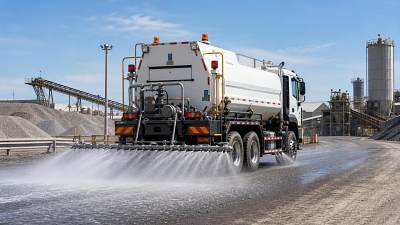
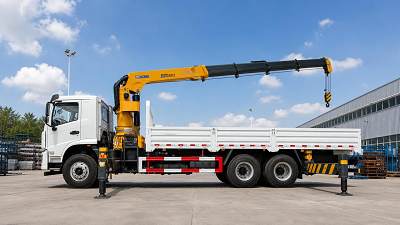
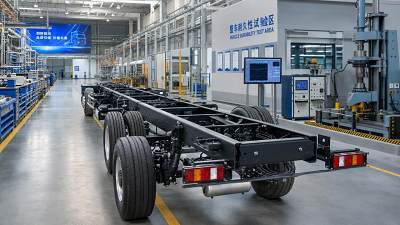
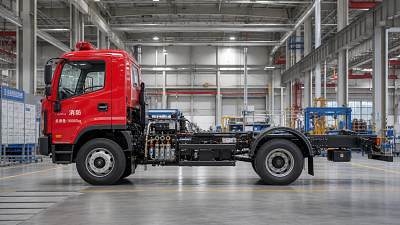
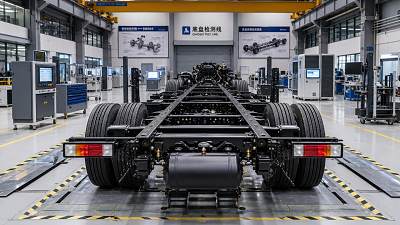
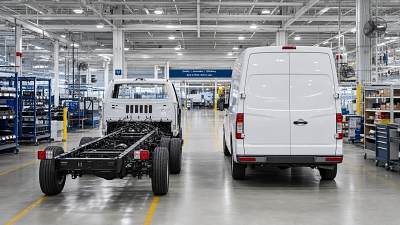
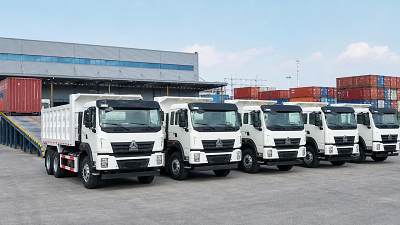
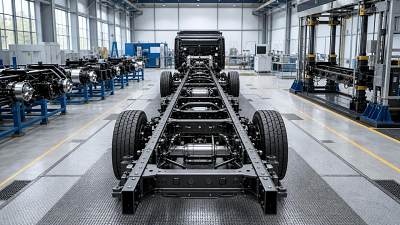
As global infrastructure projects accelerate and emission regulations tighten, dump truck buyers in 2026 are critically reevaluating axle configurations — not just for payload and traction, but for total cost of ownership, compliance, and compatibility with diverse applications like garbage truck operations, logging truck duty cycles, concrete pump truck stability, and water truck mobility. This shift directly impacts demand for high-performance truck parts, heavy duty truck chassis adaptations, and specialized variants such as wheel loader-integrated haulers and log truck-specific drivelines. For procurement professionals, distributors, and industry analysts, understanding this axle strategy evolution is key to sourcing resilient, future-ready solutions across the road transport equipment ecosystem.
Why axle configuration is no longer just about weight distribution
In 2026, axle configuration decisions extend far beyond static load calculations. Buyers now assess dynamic axle response under real-world conditions: 3–5% grade climbs with wet gravel surfaces, repeated dumping cycles in municipal waste routes, or off-highway articulation during mining ramp transitions. These scenarios demand precise torque vectoring, thermal management for brake drums, and suspension geometry that maintains tire contact across 12–18 inch ground variances.
Regulatory pressure intensifies the calculus. The EU’s upcoming Euro VII standards (effective Q3 2026) require axle-level emissions reporting for all new registrations. Meanwhile, U.S. EPA Tier 5 mandates stricter axle-mounted aftertreatment integration timelines — pushing manufacturers toward modular rear-axle assemblies with pre-wired DEF dosing ports and dual-circuit ABS sensors. This isn’t theoretical: over 68% of new-spec dump trucks ordered in Q1 2026 included factory-installed axle telemetry modules.
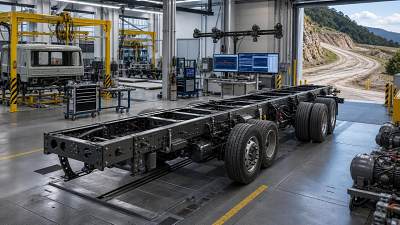
Procurement teams are shifting from “maximum GVWR” to “optimal axle lifecycle.” A 6×4 configuration may offer 32-ton payload, but its 3-year TCO increases by 11–14% in stop-start urban refuse operations due to accelerated driveline wear versus a purpose-built 8×4 with independent front axle steering and torque-splitting transfer case.
Which applications drive specific axle architecture choices?
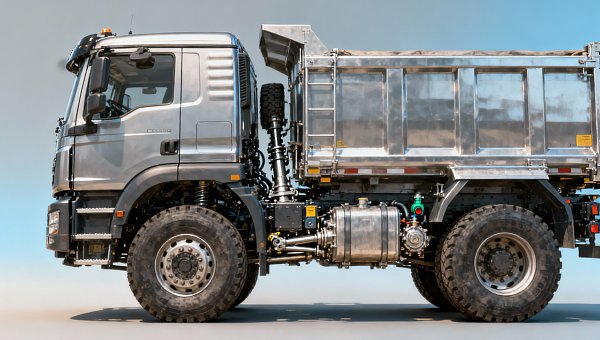
Application-specific demands now dictate axle selection more than chassis availability. Municipal fleets prioritize maneuverability and low-speed stability, while mining operators emphasize durability under continuous 24/7 operation. Each scenario triggers distinct mechanical and compliance requirements.
Urban refuse & water truck operations
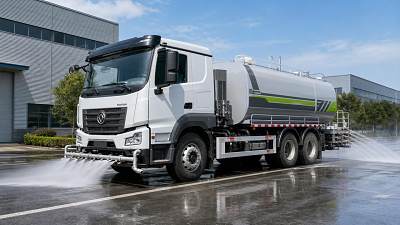
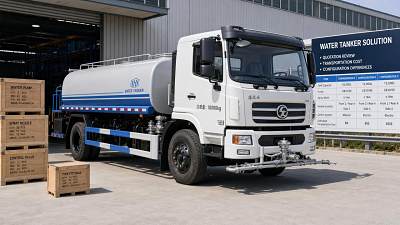
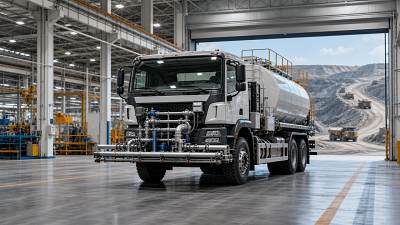
Frequent curb-to-curb turns and tight alley access favor 4×2 or 6×2 configurations with wide-track front axles (2,450–2,550 mm), hydraulic lift axles (rated for 12–14 tons), and air-suspended rear bogies. These reduce turning radius by up to 1.8 meters versus conventional 6×4 setups — critical for navigating narrow streets in cities like Lisbon or Osaka.
Logging & heavy haul transport
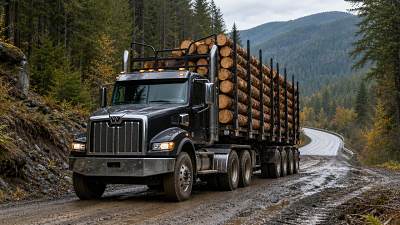
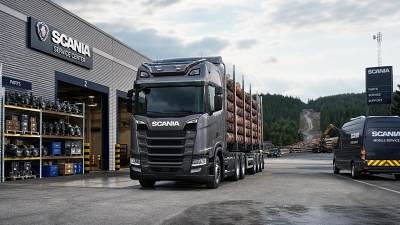
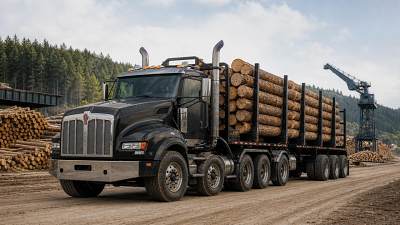
High-torque, low-RPM applications demand multi-axle layouts with tandem-lift capability (e.g., 8×6 with two steerable lift axles) and reinforced carrier housings rated for 45,000–55,000 Nm input torque. These systems support gross vehicle weights exceeding 80 tons while maintaining axle alignment within ±0.75° over 10,000 km without service.
Concrete pump & crane-integrated chassis
Stability during boom deployment requires ultra-low center-of-gravity axles with integrated outrigger mounts and 120–150 mm extended brake drum flanges. These configurations enable safe operation on slopes up to 4% while maintaining lateral roll resistance above 2.8 g — verified per ISO 14121-2:2022.
Comparing core axle configurations for 2026 procurement
Buyers must weigh trade-offs across five dimensions: payload efficiency, regulatory readiness, service interval, terrain adaptability, and supplier interoperability. Below is a comparative analysis of four dominant configurations based on field data from 12,000+ units deployed globally since Q4 2024.
The 6×2+1 configuration leads in TCO for mixed-use fleets due to superior fuel economy (2.1–2.8 L/100 km better than 6×4 at 40 km/h average speed) and extended service intervals. However, its lower GVWR ceiling limits adoption in long-haul aggregate transport where 8×4 remains essential — despite requiring 40% more calibration time for axle telemetry integration.
How Global Heavy Truck Industry Platform accelerates your axle strategy
For procurement professionals evaluating axle configurations, The Global Heavy Truck Industry Platform delivers actionable intelligence—not just listings. Our platform hosts verified product data for over 3,200 axle models across 47 OEMs, each tagged with application filters (e.g., “municipal refuse,” “off-highway mining”), compliance certifications (ECE R90, SAE J2114), and real-world service metrics from partner fleets.
You can instantly compare axle options using our parametric search: filter by maximum permissible axle load (4,500–24,000 kg), differential ratio range (3.06–6.17), brake type (S-Cam, disc, or hybrid), and mounting interface standard (SAE J1202 or ISO 10333). Results include downloadable CAD models, dimensional PDFs, and lead times validated by suppliers — updated weekly.
Distributors benefit from our cross-reference tool: upload a legacy axle part number (e.g., Dana Spicer 3000234) to identify functionally equivalent alternatives meeting Euro VII, EPA Tier 5, or GB 17691-2023 requirements — with certified test reports and warranty terms attached.
Contact us today to request: axle configuration feasibility review for your specific route profile, comparative TCO modeling across three configurations, or supplier shortlisting with delivery windows for Q3 2026 shipments. Our technical team responds within 2 business days with validated recommendations — backed by real fleet data and multilingual engineering support.
Trending News
- Crane Truck Exporter Options: Matching Lifting Capacity to Project Needs
- Dump Truck Exporter Costs Explained: Shipping, Duties, and Hidden Fees
- Construction Machinery Price Trends in 2026: What Is Driving Total Cost Up
- Truck Tipper Exporter Review: What to Check Before Signing an Overseas Order
- Logging Truck Manufacturer Guide: Payload, Stability, and Road Conditions
Tag
Recommended News
 FAQHow to Qualify a Truck Tipper Supplier for Safety and Build ConsistencyTruck tipper supplier qualification starts with safety. Learn how to assess build consistency, hydraulic reliability, and factory controls to reduce sourcing risk.
 Buying GuideLogging Truck Manufacturer Guide: Payload, Stability, and Road ConditionsLogging truck manufacturer guide covering payload, stability, and road conditions. Compare real-world performance, safety, and lifecycle value before you buy.
 Buying GuideTruck Tipper Manufacturer Checklist for Mining and Construction FleetsTruck tipper manufacturer checklist for mining and construction fleets: compare durability, safety, payload efficiency, and support to choose the right supplier with confidence.
 Buying GuideTruck Trailer Supplier Comparison: Lead Time, Compliance, and After-Sales RisksTruck trailer supplier comparison goes beyond price. Learn how to assess lead time, compliance, and after-sales risks to choose a reliable partner and reduce sourcing uncertainty.
 Buying GuideWater Truck Manufacturer Selection: Key Tank, Pump, and Chassis ChecksWater truck manufacturer selection starts with the right checks. Learn how to verify tank quality, pump performance, and chassis fit to reduce downtime and choose a reliable supplier.
 Buying GuideHow to Evaluate a Heavy Truck Chassis Manufacturer With R&D Capability in 2026Heavy truck chassis manufacturer with R&D capability: learn how to verify engineering, testing, customization, and compliance in 2026 to choose a lower-risk supplier.
 FAQHow to Read a Water Truck Quotation Without Missing Hidden CostsWater truck quotation guide: learn how to spot hidden costs in specs, freight, compliance, spare parts, and warranty so you can compare offers accurately and buy with confidence.
 Buying GuideHow to Compare a Logging Truck Distributor by Service CoverageLogging truck distributor comparison starts with service coverage. Learn how to assess parts access, field support, warranty response, and dealer backing for stronger uptime and growth.
 Buying GuideChoosing a Water Truck Supplier for Dust Control ProjectsWater truck supplier selection for dust control starts with reliability, spray performance, parts support, and service. Learn how to compare suppliers and choose with confidence.
 Buying GuideCrane Truck Manufacturer Checklist for Safe Lifting PerformanceCrane truck manufacturer checklist for safer lifting: compare structural strength, load safety systems, compliance, and service support to reduce risk and source with confidence.
 Buying GuideHow to Evaluate a Heavy Truck Chassis Manufacturer With R&D Capability in 2026Heavy truck chassis manufacturer with R&D capability: learn how to assess engineering depth, validation, compliance, and production consistency in 2026 to choose a reliable supplier.
 Buying GuideCab Chassis Truck for Fire Department: Key Specs Before OrderingCab chassis truck for fire department buyers: compare GVWR, axle ratings, PTO, braking, electrical capacity, and body-fit specs before ordering to reduce risk and improve fleet reliability.
 Buying GuideChoosing a Water Truck Factory for Municipal and Mining ProjectsWater truck factory selection impacts uptime, cost, and reliability. Learn how to compare suppliers for municipal and mining projects with practical buying criteria.
 Buying GuideLogging Truck Producer Comparison: Payload, Durability, and ServiceLogging truck producer comparison for buyers focused on payload, durability, and after-sales service. Learn how to compare suppliers, reduce downtime, and source with confidence.
 Buying GuideHow to Evaluate a Heavy Truck Chassis Manufacturer With R&D CapabilityHeavy truck chassis manufacturer with R&D capability: learn how to assess engineering depth, testing, customization, and compliance to choose a reliable supplier with lower lifecycle risk.
 FAQDelivery Truck Supplier for School Transportation: Safety ChecklistDelivery truck supplier for school transportation: use this safety checklist to compare compliance, braking, visibility, build quality, and supplier reliability before you buy.
 Buying GuideChoosing a Truck Chassis Supplier for Trailer Manufacturing NeedsTruck chassis supplier for trailer manufacturing: learn how to compare quality, compliance, lead times, and total cost to choose reliable partners and improve sourcing results.
 FAQHow ISO Certification Reduces Sourcing Risk in Truck Chassis SupplyHeavy truck chassis manufacturer with ISO certification: discover how certified suppliers reduce sourcing risk, improve traceability, and support safer global truck chassis procurement.
 Buying GuideBest Light Commercial Vehicle Options for Last Mile DeliveryLight commercial vehicle for last mile delivery: compare vans, light trucks, and chassis-cab options to reduce costs, improve uptime, and choose the best fit for urban logistics.
 Buying GuideTop Factors in Choosing a Truck Chassis Supplier in EuropeTruck chassis supplier in Europe selection starts with quality, compliance, customization, and lead time. Learn how to compare suppliers and reduce sourcing risk.
 Buying GuideHow to Evaluate a Heavy Truck Chassis Manufacturer With R&D CapabilityHeavy truck chassis manufacturer with R&D capability: learn how to assess engineering strength, validation, compliance, and support to choose durable, market-ready chassis solutions.
 Buying GuideWhat to Compare in a Light Duty Truck Manufacturer in USALight duty truck manufacturer in USA: compare build quality, compliance, lead time, customization, and service support to reduce sourcing risk and improve fleet value.
 Buying GuideChoosing a Dump Truck Supplier with Quick Delivery for Tight Project TimelinesFind a dump truck supplier with quick delivery that fits tight project timelines. Compare fast lead times, reliable quality, parts support, and export-ready service.
 Buying GuideHow to Evaluate a Heavy Truck Chassis Manufacturer with R&D CapabilityHeavy truck chassis manufacturer with R&D capability: learn how to assess testing, customization, compliance, and scenario fit to choose a reliable supplier with confidence.
 Buying GuideConstruction Machinery Supplier for Municipal Engineering: What to Compare FirstConstruction machinery supplier for municipal engineering: compare integrated equipment range, spare parts support, delivery reliability, and lifecycle value before price to reduce downtime and keep urban projects on schedule.