Truck Cement Sourcing Options Compared by Lead Time and Risk
For buyers evaluating truck cement sourcing, lead time and supply risk often matter as much as truck cement price. Whether you are comparing a semi trailer supplier, checking semi trailer price trends, or planning a truck cement bulk order, understanding sourcing options helps reduce delays and cost uncertainty. This guide compares practical channels and key decision factors for global procurement teams.
How do truck cement sourcing channels differ in lead time and risk?
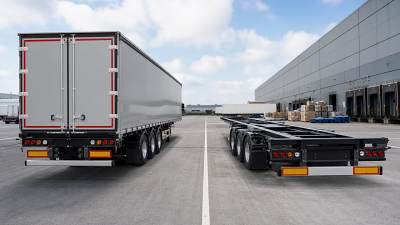
In the road transport equipment sector, truck cement sourcing usually refers to procurement related to bulk cement transport solutions, especially cement tanker semi trailers, supporting truck chassis, and related components. For procurement teams, the main question is rarely price alone. The real issue is how fast the equipment can be delivered, how predictable the specification is, and how much supply disruption can be tolerated during project execution.
Lead time commonly ranges from 7–15 days for ready stock, 3–6 weeks for standard production slots, and 8–16 weeks for custom configurations or cross-border sourcing with added inspections. Risk also changes by channel. A local distributor may reduce communication delay, while direct factory sourcing may improve technical clarity but increase documentation workload, payment control pressure, and shipping coordination responsibilities.
For buyers handling infrastructure, logistics, or construction fleet expansion, sourcing choices affect more than one delivery date. A delayed cement tanker can disrupt site scheduling, idle drivers, create mismatch with tractor heads, and push up temporary rental costs. That is why sourcing evaluation should include commercial, technical, and logistics factors in the same decision process.
The Global Heavy Truck Industry Platform is valuable here because buyers can compare manufacturers, suppliers, and distributors across the heavy truck supply chain in one digital environment. Instead of reviewing isolated quotations, procurement teams can screen product categories, supplier capabilities, and market information together, which shortens early-stage research and improves supplier selection discipline.
The four most common sourcing routes
Most buyers evaluate four practical options when sourcing truck cement transport equipment. Each route fits a different urgency level, volume plan, and risk tolerance.
- Local distributor stock: suitable when delivery is urgent and specification flexibility is low. This often works for replacement purchases, small fleets, or quick regional deployment.
- Regional trading company: useful when buyers need mixed sourcing, language support, or consolidated export handling, but lead time may depend on third-party production confirmation.
- Direct factory order: preferred for medium or large quantity procurement, repeated purchasing cycles, and custom axle, tank volume, or discharge system requirements.
- Industry platform-based sourcing: effective for supplier discovery, comparison, and prequalification when buyers want broader market visibility before entering negotiation.
The best route depends on whether your priority is speed, unit cost, compliance confidence, customization, or after-sales access. In many B2B cases, the strongest result comes from combining channels: use the platform for supplier screening, then negotiate directly with shortlisted factories or authorized distributors.
Comparison table: which sourcing option fits your procurement timeline?
The table below compares common truck cement sourcing options by lead time, operational risk, and buyer suitability. These ranges are typical market planning references for road transport equipment procurement and should be verified against production schedule, chassis availability, shipping lane congestion, and inspection scope.
This comparison shows a common trade-off: the faster the sourcing route, the narrower the configuration choice and the higher the probability of paying a stock or convenience premium. Longer lead times are not always negative. For planned procurement, an extra 2–4 weeks can improve specification control, spare parts consistency, and lifetime operating value.
Why lead time is only one part of the decision
A truck cement bulk order may appear on schedule at the quotation stage but still face hidden timing risks later. Common causes include missing tank drawings, unclear axle brand confirmation, changes in discharge system requirements, and delayed export paperwork. In heavy transport equipment sourcing, buyers should break lead time into at least 3 phases: technical confirmation, production, and logistics handover.
That phase-based view is especially important for dealers and distributors. If you commit a resale date without separating these stages, a 30-day purchase plan can easily extend to 45–60 days once inspection booking and port scheduling are added. A supplier that offers a slightly shorter ex-factory date may still be slower in final delivery if documentation support is weak.
Using a global industry platform helps buyers compare not just products but sourcing readiness. Fast response time, export familiarity, category depth, and supplier transparency often predict delivery reliability better than a low opening quote.
What should buyers check before placing a truck cement order?
Before approving a purchase order, procurement teams should review at least 5 key areas: capacity specification, compatibility with towing vehicles, unloading method, operating environment, and document readiness. This is where many sourcing projects fail. A buyer may compare semi trailer price offers carefully but overlook whether the selected cement tanker trailer matches road weight limits, tractor coupling conditions, or local registration requirements.
In practice, technical alignment should happen before commercial closing. For example, if one market needs pneumatic discharge efficiency for frequent silo transfer, and another needs simpler unloading for rural construction distribution, the same product family may require different tank structure, compressor arrangement, or axle setup. The order should not move forward until those use conditions are defined.
Buyers also need to assess risk concentration. If your supply plan depends on a single vendor for trailer body, spare parts, and after-sales technical advice, a minor disruption can affect the entire deployment schedule. A more resilient plan may use one primary supplier plus one backup source for routine wear parts and service support.
The Global Heavy Truck Industry Platform supports this stage by helping users compare categories such as complete trucks, trailers, semi-trailers, construction machinery, and spare parts in one place. That broader view matters because cement transport procurement is often linked to chassis, maintenance parts, and local dealer support rather than a single standalone unit.
A practical pre-order checklist
- Confirm operating volume range, such as whether the requirement is for small, medium, or large bulk cement transport cycles per week.
- Verify towing compatibility, including fifth wheel match, axle load planning, and road regulation fit for the destination market.
- Check whether the trailer is supplied as standard specification or requires custom manhole, ladder, piping, or discharge layout.
- Review required commercial and shipping documents, especially for cross-border procurement with inspection or customs clearance steps.
- Define after-sales expectations for 6–12 months, including wear parts availability, technical response method, and service language.
Key evaluation dimensions by sourcing stage
The next table helps procurement, business evaluation, and distributor teams decide what to verify first. It can be used during supplier comparison, RFQ review, or internal purchase approval.
A structured checklist reduces subjective buying decisions. It also helps commercial teams explain why two similar quotations may carry very different real-world risk. In B2B trailer and heavy truck sourcing, that difference often matters more than the visible gap in semi trailer price.
How can procurement teams reduce cost uncertainty without increasing sourcing risk?
Cost control in truck cement sourcing should focus on total procurement impact, not only on the quoted trailer value. Buyers should separate at least 4 cost layers: base equipment price, customization cost, logistics cost, and delay cost. A lower unit quote can become more expensive if the supplier cannot meet a required dispatch window or if missing accessories force local modifications after arrival.
One effective approach is to classify orders by urgency and complexity. For example, urgent fleet replacement may justify local stock purchase even at a premium. Standard replenishment can be sourced directly from factory with a 3–6 week planning horizon. Large project procurement should allow 8–12 weeks or more for specification review, production booking, inspection, and shipping alignment.
Alternative options should also be considered. In some cases, a buyer comparing truck cement units may find that a standard semi trailer configuration with agreed accessory package delivers better value than a deeply customized model. In other cases, phased delivery is more practical than waiting for a full batch if project startup dates are fixed and working capital discipline is important.
Because the Global Heavy Truck Industry Platform aggregates suppliers and product categories across the commercial vehicle ecosystem, it supports smarter cost comparison. Buyers can benchmark not only a single quotation, but also alternative sourcing paths involving trailers, spare parts, and related heavy transport equipment, which helps build a more realistic purchase budget.
Cost decisions that often improve outcome
- Ask for milestone-based delivery confirmation rather than relying only on a promised final date. This exposes hidden schedule risks earlier.
- Request a clear parts list for included and optional items. This prevents low headline pricing that excludes critical operational components.
- Evaluate whether one bulk order or 2-stage delivery better matches project cash flow, storage conditions, and fleet deployment timing.
- Compare supplier support for documents and export handling. Weak documentation can erase any nominal savings through port delay or customs corrections.
These steps are especially useful for distributors and agents. Their margins depend not just on purchase cost, but on turnover speed, delivery reliability, and the ability to promise end customers realistic arrival timelines.
What compliance and execution details are often overlooked?
In cross-border road transport equipment sourcing, many delays come from execution details rather than manufacturing itself. Buyers should review applicable market entry rules, road dimension limits, axle load conditions, and commercial documentation before finalizing specification. General industry references may include vehicle identification records, inspection documents, bill of lading requirements, and destination-specific registration paperwork, depending on market practice.
For truck cement trailers, documentation accuracy matters because the equipment is often purchased for infrastructure, mining support, municipal engineering, or bulk material logistics. In these sectors, deployment windows can be narrow. A mismatch in declared specification, shipping marks, or accessory list can create a 1–3 week delay even when production has already finished.
Execution control improves when the buyer defines a 4-step workflow: supplier shortlist, technical freeze, document verification, and shipment release. Each step should have a named responsible person and a target response cycle, such as 24–72 hours for technical clarification and 2–5 business days for document review before cargo release. This is simple, but it reduces preventable delay.
The platform advantage is that buyers can access not only product listings but also industry information, market insights, and buying guides. That matters for business evaluation teams that must justify supplier selection internally. Better visibility into the broader heavy truck market helps them assess whether a quote reflects normal commercial conditions or unusual risk.
Common mistakes in truck cement procurement
- Choosing the fastest quote without checking whether the unit is truly available for dispatch or only theoretically in stock.
- Assuming semi trailer supplier capability is equal across all trailer categories, when actual experience may differ by product segment.
- Comparing semi trailer price offers without normalizing configuration, included parts, inspection scope, and incoterm basis.
- Waiting until after payment to clarify technical drawings, which increases change-order risk and production delay.
FAQ for buyers and distributors
How long does a standard truck cement order usually take?
For standard configurations, buyers often plan around 3–6 weeks ex-factory, plus inspection and shipping time. Ready stock may move in 7–15 days, while custom orders can take 8–16 weeks depending on design approval and logistics conditions.
Is direct factory sourcing always cheaper?
Not always. Direct factory sourcing can reduce unit cost in medium or large orders, but the buyer may absorb more coordination work and timing risk. For urgent deployment, local stock or distributor supply may produce a better overall result despite a higher upfront price.
What is the biggest risk in a truck cement bulk order?
A common high-impact risk is specification mismatch discovered too late. This may involve tank layout, unloading method, trailer compatibility, or required documents. Early technical freeze and phased review are the best safeguards.
When should buyers use a sourcing platform instead of contacting one supplier directly?
A platform is especially useful during the first 1–3 weeks of market research, when buyers need to compare options, verify category coverage, and avoid relying on a single quote too early. It is also effective for distributors exploring new supply partners across multiple heavy truck product lines.
Why work with a specialized heavy truck industry platform?
Truck cement sourcing sits inside a wider road transport equipment ecosystem. Buyers may need not only a cement tanker semi trailer, but also truck chassis information, spare parts planning, brand comparison, supplier background review, and market insight before committing budget. A specialized B2B platform addresses that broader decision context better than isolated product search.
The Global Heavy Truck Industry Platform connects manufacturers, suppliers, distributors, and buyers across key categories including truck chassis and cab, complete trucks, light trucks, construction machinery, trailers and semi-trailers, and spare parts. For procurement teams, this means supplier discovery and industry evaluation can happen within one structured environment instead of across fragmented channels.
This is particularly helpful for information researchers, purchasing managers, business assessment teams, and dealers who must balance 3 priorities at the same time: reliable lead time, manageable sourcing risk, and commercially workable pricing. With access to product discovery tools, market insights, and buying guides, teams can prepare stronger RFQs, compare suppliers more efficiently, and reduce avoidable procurement errors.
If you are reviewing truck cement sourcing options, now is the right time to ask for practical support rather than generic sales talk. You can consult on parameter confirmation, suitable trailer configuration, delivery cycle planning, sourcing route comparison, certification or documentation expectations, spare parts coordination, sample or specification review, and quotation alignment for your target market. A focused discussion can save weeks in procurement time and lower sourcing risk before the first order is placed.
Trending News
- Nanjing Launches First Wind Power Equipment Shipping Route to Pakistan
- Irkeshtam Port’s 24-Hour Freight Clearance Boosts Exports to Kyrgyzstan
- Erenhot-Mongolia 24-Hour Freight Clearance Marks First Anniversary
- China-Europe Railway Express Surpasses 130,000 Trains
- Iran-Pakistan Launch 6 Cross-Border Roads, 3 New Land Ports
Tag
Recommended News
 Fleet ManagementDelivery Truck Supplier in USA: What Matters Most for Fleet ExpansionDelivery truck supplier in USA selection impacts uptime, cost, and fleet growth. Learn how to compare suppliers by route needs, service support, and long-term scalability.
 Buying GuideCost-Effective Delivery Truck Supply: What Low Price May Leave OutDelivery truck supplier with cost-effective solutions: learn what low prices may leave out, from compliance and after-sales support to lifecycle value, so you can source smarter and avoid hidden costs.
 FAQDelivery Truck for School Transportation: Safety Points Before OrderingDelivery truck supplier for school transportation: review key safety points before ordering, from braking and visibility to compliance and passenger protection.
 Buying GuideHow to Choose a Truck Trailer Distributor for Stable After-Sales SupportTruck trailer distributor selection starts with after-sales strength. Learn how to compare service networks, parts support, warranty response, and technical help for long-term uptime.
 Buying GuideWhat to Check Before Choosing a Truck Cement Mixer SupplierTruck cement mixer supplier selection starts with the right checks. Learn how to compare quality, compliance, delivery, and after-sales support to reduce risk and choose with confidence.
 Buying GuideBulldozer Price Guide: What Affects Cost Across Jobsite TypesBulldozer price guide for construction, mining, roadwork, and municipal projects. Compare key cost drivers, avoid overbuying, and source the right dozer with confidence.
 Buying GuideHow to Evaluate a Heavy Truck Chassis Manufacturer with R&D CapabilityHeavy truck chassis manufacturer with R&D capability: learn how to assess engineering strength, validation, compliance, and customization support to choose a reliable supplier.
 Fleet ManagementHow to Choose Commercial Vehicle Parts for Warehouse Fleet UptimeCommercial vehicle parts for warehouse fleets directly impact uptime. Learn how to choose durable, accurate-fit parts and reliable suppliers to reduce downtime and control maintenance costs.
 Buying GuideLogging Truck Supplier Selection: Durability Points That Matter in Tough TerrainLogging truck supplier selection starts with durability. Discover the key strength, traction, braking, and support factors that reduce downtime in tough terrain.
 FAQDump Truck Sourcing Mistakes That Delay Construction ProjectsDump truck sourcing mistakes can delay construction projects, raise hidden costs, and disrupt site schedules. Learn the key risks to avoid and source smarter for faster, more reliable project delivery.
 Buying GuideWhat Makes a Delivery Truck Supplier Suitable for School TransportationDelivery truck supplier for school transportation: learn how to assess safety, compliance, body design, and after-sales support for urban, rural, and school logistics needs.
 Buying GuideHow to Plan a Semi Trailer Bulk Order Without Costly Specification MistakesSemi trailer bulk order planning starts with the right specs. Learn how to avoid costly mistakes, compare suppliers wisely, and secure compliant, fleet-ready trailers.
 Fleet ManagementWhy a Light Duty Truck Manufacturer in USA Still Matters for Fleet ReliabilityLight duty truck manufacturer in USA choices still shape fleet uptime, parts access, and lifecycle value. See what buyers should compare for more reliable operations.
![]() Buying GuideFlatbed Trailer Supplier for Logistics Transportation: What to Check Before OrderingFlatbed trailer supplier for logistics transportation: learn what to check before ordering, from load capacity and compliance to customization and supplier reliability.
Buying GuideFlatbed Trailer Supplier for Logistics Transportation: What to Check Before OrderingFlatbed trailer supplier for logistics transportation: learn what to check before ordering, from load capacity and compliance to customization and supplier reliability. FAQIs a Bulldozer for Construction the Right Fit for Your Site ConditionsBulldozer for construction: learn how terrain, soil, slope, and job size determine the right machine fit. Compare site conditions, avoid costly mismatches, and choose with confidence.
![]() Buying GuideBulldozer Price Guide: What Changes the Final Cost MostBulldozer price explained for finance buyers: compare size, brand, used vs. new, shipping, and service factors that shape total cost and smarter budget decisions.
Buying GuideBulldozer Price Guide: What Changes the Final Cost MostBulldozer price explained for finance buyers: compare size, brand, used vs. new, shipping, and service factors that shape total cost and smarter budget decisions. Buying GuideChoosing a Truck Cement Mixer Supplier for Stable Long-Term OperationTruck cement mixer supplier selection affects uptime, parts access, and lifecycle cost. Use this practical checklist to compare suppliers and choose reliable equipment for stable long-term operation.
 Buying GuideHow to Evaluate a Heavy Truck Chassis Manufacturer With R&D CapabilityHeavy truck chassis manufacturer with R&D capability: learn how to assess engineering strength, testing standards, customization, and reliability to choose the right supplier.
 Buying GuideHow to Shortlist a Water Truck Supplier for Municipal ContractsWater truck supplier shortlist guide for municipal contracts: compare compliance, chassis reliability, service support, and lifecycle value to choose with confidence.
 FAQTruck Trailer Bulk Order: How to Avoid Spec Drift Across BatchesTruck trailer bulk order quality can fail when specs drift across batches. Learn how to lock standards, align suppliers, and protect safety, compliance, and delivery consistency.
 Used Truck MarketSemi Trailer Wholesale: Which Specs Matter Most for Resale ValueSemi trailer wholesale buyers: learn which specs most influence resale value, from axle layout to payload, materials, and parts compatibility—make smarter, higher-margin sourcing decisions.
 FAQWhat a Dump Truck Distributor Should Offer After Vehicle DeliveryDump truck distributor support matters after delivery. Learn what to expect in spare parts, warranty, training, and technical service to reduce downtime and protect your investment.
 Fleet ManagementHow to Plan a Dump Truck Bulk Order for Multi-Site ProjectsDump truck bulk order planning for multi-site projects made simple. Learn how to balance specs, delivery, support, and total cost for smarter fleet decisions.
 Buying GuideDump Truck Wholesale: How to Balance Price, Spec, and Lead TimeDump truck wholesale buyers must balance price, spec, and lead time. Learn how to compare suppliers, reduce sourcing risk, and secure trucks that fit project demands.
 Buying GuideTruck Tipper Wholesale vs Direct Factory Supply: A Practical ComparisonTruck tipper wholesale vs direct factory supply: compare cost, lead time, customization, and risk to choose the best sourcing model for reliable, high-value fleet procurement.