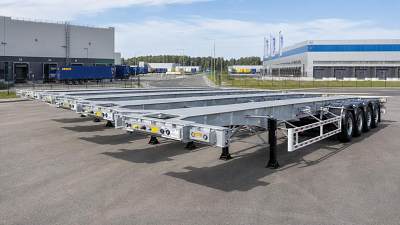
How to Vet a Flatbed Trailer Supplier Quickly
Choosing the right flatbed trailer supplier quickly is not about rushing the process. It is about identifying the few signals that tell you whether a supplier is worth deeper evaluation. For procurement teams, distributors, and commercial vehicle buyers, the fastest way to reduce sourcing risk is to check product fit, manufacturing capability, compliance, export experience, and after-sales responsiveness in a structured order. If a supplier cannot clearly prove these points early, it is usually a sign to move on.
For buyers working across truck spare parts supplier networks, commercial vehicle parts sourcing channels, or a broader construction machinery supplier base, flatbed trailer procurement often involves larger order values, longer lead times, and higher operational risk. That makes fast supplier vetting especially important. A good supplier is not only able to offer a trailer. They must be able to support your market, your use case, and your long-term business goals.
What buyers really need to know before choosing a flatbed trailer supplier
Most searchers looking for how to vet a flatbed trailer supplier quickly are not looking for theory. They want a practical way to separate serious manufacturers from trading-only companies, unreliable exporters, or suppliers with weak quality control. The real question is simple: can this supplier deliver the right trailer, at the right quality level, with acceptable risk?
The fastest useful vetting process usually focuses on five questions:
- Do they actually manufacture or deeply control production?
- Can they supply the trailer specifications your market needs?
- Do they meet quality, certification, and compliance requirements?
- Can they communicate clearly on lead time, customization, and support?
- Do they have a reliable export and after-sales service process?
If you can answer these five questions with evidence instead of promises, you can make a much faster and safer sourcing decision.
Start with product-market fit, not just price
A common mistake in trailer sourcing is comparing quotations before confirming whether suppliers are offering the right product configuration. A low quote means very little if the trailer is not suitable for your operating conditions, road regulations, axle load requirements, or cargo type.
Before comparing suppliers, define your core requirements clearly:
- Trailer type and intended application
- Payload capacity
- Axle brand and axle count
- Suspension type
- Deck length and width
- Steel grade and structural design
- Brake system specifications
- Tire and rim standards
- Local compliance needs
A capable flatbed trailer supplier should quickly respond with a matching model, configuration advice, and optional customization points. If the reply is vague, overly generic, or copied from a catalog without addressing your market, that is an early warning sign.
This is especially important for dealers, distributors, and agents. You are not only buying equipment. You are assessing whether the supplier can support repeat business in your region. Suppliers that understand market-specific requirements usually create fewer disputes later.
Confirm whether the supplier is a real manufacturer or only an intermediary
One of the fastest ways to vet a supplier is to verify their role in the supply chain. Some companies are full manufacturers. Others are trading companies. Neither model is automatically bad, but buyers should know which one they are dealing with because it affects pricing, customization control, lead time, and accountability.
Ask direct questions such as:
- Do you own the factory?
- Which trailer components are produced in-house?
- Which parts are outsourced?
- Can you provide factory photos, workshop videos, or production line details?
- Can you arrange a live video factory inspection?
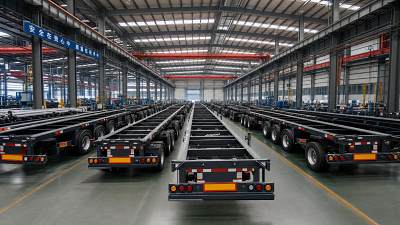
Reliable suppliers usually answer these questions confidently and consistently. They can show welding lines, chassis fabrication, painting processes, assembly areas, and testing procedures. They also tend to explain how they manage key purchased components such as axles, suspension systems, landing gear, and braking systems.
If a supplier avoids factory verification or provides inconsistent company information across website, quotation, and certificates, buyers should investigate further before continuing.
Check quality control systems before you discuss final pricing
Fast vetting does not mean skipping quality checks. In fact, quality control is one of the best shortcuts for evaluating supplier reliability. A serious flatbed trailer supplier should be able to explain how quality is controlled from raw materials to final inspection.
Focus on these areas:
- Steel sourcing standards and traceability
- Welding process control
- Load-bearing structure inspection
- Surface treatment and anti-corrosion process
- Final dimensional inspection
- Brake, axle, and suspension testing
- Pre-shipment inspection records
Ask for sample quality documents, inspection reports, or checklists. If possible, request recent production photos and shipment records for similar flatbed trailers. This tells you more than a polished brochure.
For business evaluation teams, this is a strong filter. Suppliers with mature quality processes are usually better long-term partners than those competing only on low price. Lower upfront cost can become expensive later through rework, downtime, warranty claims, and customer complaints.
Review certifications and compliance for your target market
Compliance is often where fast sourcing decisions become risky. A flatbed trailer that works in one country may not be accepted in another due to technical, safety, or road transport regulations. Buyers should quickly identify whether the supplier understands the destination market and can support the required documentation.
Important points to check include:
- Business license and export credentials
- Relevant quality management certifications
- Product compliance documents for the target region
- VIN or chassis identification practices
- Material or component certificates when required
- Shipping and customs documentation support
A reliable export-oriented supplier should not simply say “we can do it.” They should explain what they have done before, what documents they can issue, and what local adaptations may be needed.
This matters even more if you also source from truck spare parts suppliers or construction machinery suppliers and want to build a stable commercial vehicle sourcing network. Consistent compliance capability across categories reduces operational friction and market-entry risk.
Use communication speed and clarity as a real vetting tool
One of the easiest ways to judge a supplier quickly is to observe how they communicate during the early inquiry stage. Strong suppliers are usually organized, responsive, and technically clear. Weak suppliers often delay, avoid specifics, or answer only part of your questions.
During the first few exchanges, assess whether they can clearly provide:
- Model recommendations
- Specification sheets
- Customization options
- Production lead times
- MOQ details
- Payment terms
- Packing and shipping methods
- Warranty terms
Good communication is not a soft factor. It is an operational signal. If a supplier struggles to answer basic sourcing questions before payment, after-sales communication is unlikely to improve later.
For procurement teams handling international B2B purchases, response quality often reflects internal coordination strength. Suppliers that communicate well are more likely to manage documentation, scheduling, and issue resolution effectively.
Ask for proof of export experience and similar customer cases
Experience with international shipments is a major advantage, especially for flatbed trailer buyers importing into regulated or logistically complex markets. Export experience reduces avoidable mistakes in packaging, documentation, delivery planning, and specification alignment.
Useful questions include:
- Which countries or regions do you ship to regularly?
- Have you supplied trailers for similar road conditions or operating environments?
- Can you share reference orders, shipment photos, or case studies?
- How do you handle CKD or SKD options if required?
- How do you support spare parts supply after delivery?
A supplier familiar with overseas business should be able to discuss port loading plans, container or bulk shipment methods, delivery timelines, and documentation flow. They should also understand that distributors and resellers may need not just units, but branding support, parts support, and repeated supply consistency.
Evaluate after-sales support before placing the order
Fast vetting often focuses too much on pre-sale information and ignores what happens after delivery. But for trailers and heavy transport equipment, after-sales support can strongly affect total cost of ownership.
Ask suppliers to explain:
- Warranty scope and duration
- Coverage exclusions
- Spare parts availability
- Technical troubleshooting process
- Claim response time
- Support for maintenance documentation
If the supplier sells flatbed trailers but has no clear parts support plan, buyers should be cautious. This is particularly relevant for dealers and distributors who may need a stable pipeline not only for trailers but also for commercial vehicle parts and service-related components.
A supplier that supports spare parts planning, technical diagrams, and fault response is usually more valuable than one offering a slightly lower purchase price but weak post-sale service.
A quick supplier vetting checklist for busy procurement teams
If you need a practical method to evaluate suppliers in a short time, use a simple scorecard. This helps teams compare suppliers objectively and avoid decisions based only on quotation price.
Score each supplier from 1 to 5 on the following:
- Product fit for target market
- Manufacturing transparency
- Quality control evidence
- Certification and compliance support
- Communication speed and clarity
- Export experience
- Customization ability
- After-sales support
- Lead time reliability
- Price competitiveness
This approach works well for sourcing managers, business evaluation teams, and distributors comparing multiple suppliers across trailers, truck components, and related equipment categories. It turns a broad search into a manageable commercial decision.
Red flags that should slow down or stop supplier selection
Some issues should immediately trigger caution, even if the quote looks attractive. These red flags often indicate future quality disputes, delivery problems, or compliance risks:
- Very low pricing without clear technical explanation
- Inconsistent company name or business documentation
- Refusal to provide factory evidence
- Unclear or changing lead times
- Weak answers on axle, steel, or brake system brands
- No structured inspection process
- Limited export documentation knowledge
- No clear warranty policy
- Slow or incomplete communication during inquiry stage
These signs do not always mean the supplier is unsuitable, but they do mean buyers should not move forward without additional verification.
Conclusion: fast vetting works best when it is structured
To vet a flatbed trailer supplier quickly, buyers should not try to check everything at once. The smarter approach is to focus first on the few indicators that reveal real capability: product-market fit, factory control, quality assurance, compliance readiness, export experience, and after-sales support.
For information researchers, procurement staff, commercial evaluators, and distributors, this structured method saves time while improving decision quality. It also helps you build a stronger supplier base across related sourcing needs, from flatbed trailers to truck spare parts supplier channels and broader commercial vehicle or construction machinery supplier networks.
In short, the best supplier is not simply the one with the lowest quote. It is the one that can prove reliability, match your market needs, and support your business beyond the first shipment.
Trending News
- Manzhouli Highway Port Launches 24-Hour Freight Clearance
- Irkeshtam Port’s 24-Hour Freight Clearance Boosts Exports to Kyrgyzstan by 66%
- Erenhot-Mongolia 24-Hour Freight Clearance Marks One-Year Milestone
- MOF & MOT Launch New Freight Hub Resilience Initiative
- Six New Iran-Pakistan Land Crossings Opened, Land Clearance Cut to 6 Hours
Tag
Recommended News
 Fleet ManagementDelivery Truck Supplier in USA: What Matters Most for Fleet ExpansionDelivery truck supplier in USA selection impacts uptime, cost, and fleet growth. Learn how to compare suppliers by route needs, service support, and long-term scalability.
 Buying GuideCost-Effective Delivery Truck Supply: What Low Price May Leave OutDelivery truck supplier with cost-effective solutions: learn what low prices may leave out, from compliance and after-sales support to lifecycle value, so you can source smarter and avoid hidden costs.
 FAQDelivery Truck for School Transportation: Safety Points Before OrderingDelivery truck supplier for school transportation: review key safety points before ordering, from braking and visibility to compliance and passenger protection.
 Buying GuideHow to Choose a Truck Trailer Distributor for Stable After-Sales SupportTruck trailer distributor selection starts with after-sales strength. Learn how to compare service networks, parts support, warranty response, and technical help for long-term uptime.
 Buying GuideWhat to Check Before Choosing a Truck Cement Mixer SupplierTruck cement mixer supplier selection starts with the right checks. Learn how to compare quality, compliance, delivery, and after-sales support to reduce risk and choose with confidence.
 Buying GuideBulldozer Price Guide: What Affects Cost Across Jobsite TypesBulldozer price guide for construction, mining, roadwork, and municipal projects. Compare key cost drivers, avoid overbuying, and source the right dozer with confidence.
 Buying GuideHow to Evaluate a Heavy Truck Chassis Manufacturer with R&D CapabilityHeavy truck chassis manufacturer with R&D capability: learn how to assess engineering strength, validation, compliance, and customization support to choose a reliable supplier.
 Fleet ManagementHow to Choose Commercial Vehicle Parts for Warehouse Fleet UptimeCommercial vehicle parts for warehouse fleets directly impact uptime. Learn how to choose durable, accurate-fit parts and reliable suppliers to reduce downtime and control maintenance costs.
 Buying GuideLogging Truck Supplier Selection: Durability Points That Matter in Tough TerrainLogging truck supplier selection starts with durability. Discover the key strength, traction, braking, and support factors that reduce downtime in tough terrain.
 FAQDump Truck Sourcing Mistakes That Delay Construction ProjectsDump truck sourcing mistakes can delay construction projects, raise hidden costs, and disrupt site schedules. Learn the key risks to avoid and source smarter for faster, more reliable project delivery.
 Buying GuideWhat Makes a Delivery Truck Supplier Suitable for School TransportationDelivery truck supplier for school transportation: learn how to assess safety, compliance, body design, and after-sales support for urban, rural, and school logistics needs.
 Buying GuideHow to Plan a Semi Trailer Bulk Order Without Costly Specification MistakesSemi trailer bulk order planning starts with the right specs. Learn how to avoid costly mistakes, compare suppliers wisely, and secure compliant, fleet-ready trailers.
 Fleet ManagementWhy a Light Duty Truck Manufacturer in USA Still Matters for Fleet ReliabilityLight duty truck manufacturer in USA choices still shape fleet uptime, parts access, and lifecycle value. See what buyers should compare for more reliable operations.
![]() Buying GuideFlatbed Trailer Supplier for Logistics Transportation: What to Check Before OrderingFlatbed trailer supplier for logistics transportation: learn what to check before ordering, from load capacity and compliance to customization and supplier reliability.
Buying GuideFlatbed Trailer Supplier for Logistics Transportation: What to Check Before OrderingFlatbed trailer supplier for logistics transportation: learn what to check before ordering, from load capacity and compliance to customization and supplier reliability. FAQIs a Bulldozer for Construction the Right Fit for Your Site ConditionsBulldozer for construction: learn how terrain, soil, slope, and job size determine the right machine fit. Compare site conditions, avoid costly mismatches, and choose with confidence.
![]() Buying GuideBulldozer Price Guide: What Changes the Final Cost MostBulldozer price explained for finance buyers: compare size, brand, used vs. new, shipping, and service factors that shape total cost and smarter budget decisions.
Buying GuideBulldozer Price Guide: What Changes the Final Cost MostBulldozer price explained for finance buyers: compare size, brand, used vs. new, shipping, and service factors that shape total cost and smarter budget decisions. Buying GuideChoosing a Truck Cement Mixer Supplier for Stable Long-Term OperationTruck cement mixer supplier selection affects uptime, parts access, and lifecycle cost. Use this practical checklist to compare suppliers and choose reliable equipment for stable long-term operation.
 Buying GuideHow to Evaluate a Heavy Truck Chassis Manufacturer With R&D CapabilityHeavy truck chassis manufacturer with R&D capability: learn how to assess engineering strength, testing standards, customization, and reliability to choose the right supplier.
 Buying GuideHow to Shortlist a Water Truck Supplier for Municipal ContractsWater truck supplier shortlist guide for municipal contracts: compare compliance, chassis reliability, service support, and lifecycle value to choose with confidence.
 FAQTruck Trailer Bulk Order: How to Avoid Spec Drift Across BatchesTruck trailer bulk order quality can fail when specs drift across batches. Learn how to lock standards, align suppliers, and protect safety, compliance, and delivery consistency.
 Used Truck MarketSemi Trailer Wholesale: Which Specs Matter Most for Resale ValueSemi trailer wholesale buyers: learn which specs most influence resale value, from axle layout to payload, materials, and parts compatibility—make smarter, higher-margin sourcing decisions.
 FAQWhat a Dump Truck Distributor Should Offer After Vehicle DeliveryDump truck distributor support matters after delivery. Learn what to expect in spare parts, warranty, training, and technical service to reduce downtime and protect your investment.
 Fleet ManagementHow to Plan a Dump Truck Bulk Order for Multi-Site ProjectsDump truck bulk order planning for multi-site projects made simple. Learn how to balance specs, delivery, support, and total cost for smarter fleet decisions.
 Buying GuideDump Truck Wholesale: How to Balance Price, Spec, and Lead TimeDump truck wholesale buyers must balance price, spec, and lead time. Learn how to compare suppliers, reduce sourcing risk, and secure trucks that fit project demands.
 Buying GuideTruck Tipper Wholesale vs Direct Factory Supply: A Practical ComparisonTruck tipper wholesale vs direct factory supply: compare cost, lead time, customization, and risk to choose the best sourcing model for reliable, high-value fleet procurement.