Choosing a Truck Spreader for Winter Roads Without Overspending
Choosing the right truck spreader for winter roads is not just about finding the lowest upfront price. For most buyers, the better question is this: which spreader will deliver reliable ice and snow control at the lowest total cost over several winters? In practice, overspending usually happens when buyers pay for capacity, automation, or material compatibility they do not actually need—or when they buy too cheaply and face breakdowns, uneven spreading, wasted salt, and downtime. The smartest purchase balances route type, truck size, spreading material, control precision, maintenance needs, and supplier support.
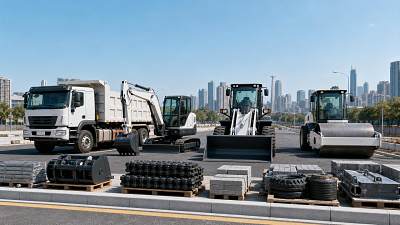
For procurement teams, business evaluators, and distributors, a truck spreader should be assessed the same way as other commercial vehicle equipment such as a truck dumper, truck excavator, or truck lighting system: by application fit, operating efficiency, lifecycle cost, and serviceability. A lower-priced unit can become expensive if it consumes more de-icing material, wears quickly, or causes service interruptions during peak winter operations.
What buyers are really trying to solve when they search for a truck spreader
Most readers looking up how to choose a truck spreader without overspending are not simply comparing product catalogs. They are usually trying to answer one of these practical questions:
- What type of spreader is suitable for my roads, fleet, and winter conditions?
- How do I avoid paying for features that will not improve results?
- What specifications actually affect spreading performance and operating cost?
- How can I compare suppliers beyond quoted price?
- Which option gives the best value over time for municipal, logistics, contractor, or dealer needs?
That means the buying decision should focus less on generic product descriptions and more on fit-for-use. A spreader that is ideal for high-volume highway maintenance may be excessive for urban roads, private facilities, or mixed-use fleets. Likewise, a low-cost model can be a poor value if it creates inconsistent coverage or cannot handle the de-icing material available in your region.
Start with the application, not the brochure
The fastest way to overspend is to choose based on specification size alone. Before comparing brands or prices, define the operating scenario clearly:
- Road type: highways, municipal streets, industrial yards, mining access roads, logistics parks, or private service roads
- Coverage area: long-distance, continuous routes or short, repeated local routes
- Snow and ice severity: light frost treatment, regular snow events, or severe winter maintenance
- Material type: dry salt, sand, salt-sand mix, pre-wet salt, or alternative de-icing materials
- Truck platform: light-duty, medium-duty, or heavy-duty truck chassis
- Usage intensity: occasional seasonal use or heavy recurring winter deployment
These factors determine the right spreader size, hopper material, conveyor or auger system, controller type, and corrosion protection level. Buyers who skip this step often buy oversized units, highly automated systems with limited practical benefit, or spreaders incompatible with available materials.
Which truck spreader type gives the best value?
There is no single “best” truck spreader for every buyer. Value depends on workload and operating conditions.
Tailgate spreaders
These are often suitable for lighter-duty applications, smaller fleets, local roads, and private facilities. They usually cost less and are easier to install, but they may not offer the volume, spread width, or endurance needed for large-scale winter maintenance.
V-box spreaders
Common for municipal and contractor work, V-box units offer larger material capacity and are well suited for repeated route operations. They can provide better productivity for buyers who need to cover more ground without frequent refilling. For many commercial users, this type often represents the best balance between performance and cost.
Under-tailgate or integrated spreader systems
These are often selected for dedicated winter service trucks and larger road maintenance fleets. They can deliver precise control and durable operation, but the total investment is usually higher. They make more sense when winter road servicing is frequent, critical, and operationally intensive.
For buyers trying to avoid overspending, the question is simple: do you need a seasonal attachment, a multi-route workhorse, or a dedicated high-output system? Matching the equipment class to duty level prevents both underbuying and overbuying.
The specifications that actually affect cost and performance
Many product pages emphasize dimensions and capacity, but experienced buyers know several practical specifications matter more than headline numbers.
Hopper capacity
Bigger is not always better. More capacity reduces refill frequency, but it also adds weight, may require a larger truck chassis, and can increase fuel use. Choose a capacity that aligns with route length and payload limits rather than simply maximizing volume.
Material compatibility
A spreader should handle the exact materials you plan to use. Salt, sand, and mixed materials behave differently. If bridging, clogging, or feed inconsistency occurs, spreading quality drops and operating costs rise. This is one of the most overlooked buying factors.
Spreading control system
Manual controls may be enough for simple operations, while electronic controllers improve application accuracy and help reduce material waste. If de-icing material is a major cost, better control often justifies a higher purchase price.
Build material and corrosion resistance
Winter equipment lives in a corrosive environment. Stainless steel, treated steel, and quality coatings can significantly affect service life. A cheaper spreader may look attractive initially but become costly if corrosion shortens usable life after a few seasons.
Drive system
Hydraulic and electric drive systems each have trade-offs in maintenance, installation, and operating reliability. The right choice depends on fleet configuration, maintenance capability, and daily use patterns.
Ease of maintenance
Quick access to motors, chains, bearings, controllers, and wear parts helps reduce downtime. This matters even more for fleet operators and distributors supporting multiple end users.
How to avoid paying for features you may not need
Some premium features are valuable, but only in the right environment. Buyers often overspend on options that sound advanced but bring little measurable return in their actual operation.
Be careful with the following:
- Excessive capacity when routes are short and refill access is easy
- Advanced automation for fleets that run simple, repetitive applications
- Specialized material systems when standard rock salt is the only material used
- Heavy-duty construction for low-frequency seasonal use
- Complex multi-function configurations when operator training and maintenance resources are limited
This does not mean buyers should always choose the basic model. It means every added feature should answer a clear business question: Will this reduce material waste, improve uptime, extend service life, or increase route productivity enough to pay back the extra cost?
Think in total cost of ownership, not purchase price alone
For procurement professionals and business evaluators, the most useful way to compare a truck spreader is through total cost of ownership. This includes:
- Initial purchase price
- Installation and truck integration cost
- Material efficiency and waste rate
- Fuel or power consumption impact
- Routine maintenance and replacement parts
- Downtime risk during peak winter operations
- Expected service life and resale value
A spreader that is 15% more expensive upfront may still be the better choice if it spreads more evenly, reduces salt use, lasts longer, and has better local parts support. In winter road operations, reliability often has direct financial value because breakdowns can disrupt service contracts, road safety obligations, or customer commitments.
Questions to ask suppliers before making a shortlist
Supplier comparison is just as important as equipment comparison. On a global B2B platform, multiple suppliers may offer similar-looking truck spreaders, but real differences often appear in support quality and manufacturing consistency.
Ask these questions:
- Which materials is the spreader tested to handle?
- What truck chassis and payload ranges is it designed for?
- What is the expected service life under normal winter use?
- Which components are wear parts, and how easy are they to replace?
- Are spare parts available internationally or regionally?
- What warranty terms are included?
- Can the supplier provide performance data, case references, or videos of operation?
- What customization is available for hopper size, controller type, or mounting method?
For distributors and dealers, it is also important to ask about branding options, technical documentation, training support, and after-sales responsiveness. A competitive product becomes much easier to sell when technical support is clear and parts supply is predictable.
How truck spreaders fit into broader fleet equipment planning
For many buyers, a truck spreader is not an isolated purchase. It sits within a wider commercial vehicle equipment strategy that may include a truck dumper for material transport, a truck excavator for site or infrastructure work, and a truck lighting system for low-visibility operations. Looking at the equipment ecosystem can improve purchasing decisions.
For example:
- If the truck will be used seasonally across different tasks, modularity and ease of mounting may matter more than maximum spread capacity.
- If operations run at night or in severe weather, compatibility with a reliable truck lighting system can improve safety and productivity.
- If winter maintenance supports construction, municipal engineering, or logistics sites, equipment standardization across the fleet may simplify service and training.
This broader perspective helps buyers avoid spending too much on one attachment while underinvesting in overall vehicle utility.
A practical buying framework for cost-conscious procurement teams
If your goal is to choose confidently without overspending, use this simplified framework:
- Define use case clearly: road type, route length, weather severity, material type, and seasonal workload.
- Match spreader class to duty level: do not use highway-level equipment for light local work unless future expansion justifies it.
- Check truck compatibility: payload, power source, mounting space, and control integration.
- Prioritize material efficiency and durability: these often matter more than adding premium features.
- Estimate 3-to-5-year ownership cost: include maintenance, parts, material waste, and downtime risk.
- Evaluate supplier reliability: documentation, references, warranty, and after-sales support.
- Compare at least three viable options: not just on price, but on lifecycle value.
This approach is especially useful for international buyers sourcing through a global heavy truck industry platform, where product choice is wide and price differences can be significant.
Final thoughts: the best truck spreader is the one that fits your operation
Choosing a truck spreader for winter roads without overspending comes down to disciplined buying, not bargain hunting. The right unit is the one that matches your routes, materials, truck platform, and service expectations while keeping long-term operating costs under control. Buyers should focus on application fit, material handling performance, corrosion resistance, maintenance simplicity, and supplier support rather than assuming the cheapest or most advanced option is the best value.
For information researchers, procurement teams, business evaluators, and distributors, the most effective decision is usually based on total lifecycle value. When selected carefully, a truck spreader can improve winter road safety, reduce material waste, support reliable fleet performance, and deliver stronger returns over multiple seasons.
Trending News
- Cab Chassis Truck for Fire Department: Key Specs Before Ordering
- When to Use an Excavator With Long Reach Boom on Site
- Choosing a Water Truck Factory for Municipal and Mining Projects
- Truck Parts Wholesale: How to Balance Price, Quality, and Lead Time
- Crane Truck Price in 2026: What Drives Total Ownership Cost
Tag
Recommended News
 Buying GuideCab Chassis Truck for Fire Department: Key Specs Before OrderingCab chassis truck for fire department buyers: compare GVWR, axle ratings, PTO, braking, electrical capacity, and body-fit specs before ordering to reduce risk and improve fleet reliability.
 Buying GuideChoosing a Water Truck Factory for Municipal and Mining ProjectsWater truck factory selection impacts uptime, cost, and reliability. Learn how to compare suppliers for municipal and mining projects with practical buying criteria.
 Buying GuideLogging Truck Producer Comparison: Payload, Durability, and ServiceLogging truck producer comparison for buyers focused on payload, durability, and after-sales service. Learn how to compare suppliers, reduce downtime, and source with confidence.
 Buying GuideHow to Evaluate a Heavy Truck Chassis Manufacturer With R&D CapabilityHeavy truck chassis manufacturer with R&D capability: learn how to assess engineering depth, testing, customization, and compliance to choose a reliable supplier with lower lifecycle risk.
 FAQDelivery Truck Supplier for School Transportation: Safety ChecklistDelivery truck supplier for school transportation: use this safety checklist to compare compliance, braking, visibility, build quality, and supplier reliability before you buy.
 Buying GuideChoosing a Truck Chassis Supplier for Trailer Manufacturing NeedsTruck chassis supplier for trailer manufacturing: learn how to compare quality, compliance, lead times, and total cost to choose reliable partners and improve sourcing results.
 FAQHow ISO Certification Reduces Sourcing Risk in Truck Chassis SupplyHeavy truck chassis manufacturer with ISO certification: discover how certified suppliers reduce sourcing risk, improve traceability, and support safer global truck chassis procurement.
 Buying GuideBest Light Commercial Vehicle Options for Last Mile DeliveryLight commercial vehicle for last mile delivery: compare vans, light trucks, and chassis-cab options to reduce costs, improve uptime, and choose the best fit for urban logistics.
 Buying GuideTop Factors in Choosing a Truck Chassis Supplier in EuropeTruck chassis supplier in Europe selection starts with quality, compliance, customization, and lead time. Learn how to compare suppliers and reduce sourcing risk.
 Buying GuideHow to Evaluate a Heavy Truck Chassis Manufacturer With R&D CapabilityHeavy truck chassis manufacturer with R&D capability: learn how to assess engineering strength, validation, compliance, and support to choose durable, market-ready chassis solutions.
 Buying GuideWhat to Compare in a Light Duty Truck Manufacturer in USALight duty truck manufacturer in USA: compare build quality, compliance, lead time, customization, and service support to reduce sourcing risk and improve fleet value.
 Buying GuideChoosing a Dump Truck Supplier with Quick Delivery for Tight Project TimelinesFind a dump truck supplier with quick delivery that fits tight project timelines. Compare fast lead times, reliable quality, parts support, and export-ready service.
 Buying GuideHow to Evaluate a Heavy Truck Chassis Manufacturer with R&D CapabilityHeavy truck chassis manufacturer with R&D capability: learn how to assess testing, customization, compliance, and scenario fit to choose a reliable supplier with confidence.
 Buying GuideConstruction Machinery Supplier for Municipal Engineering: What to Compare FirstConstruction machinery supplier for municipal engineering: compare integrated equipment range, spare parts support, delivery reliability, and lifecycle value before price to reduce downtime and keep urban projects on schedule.
 Fleet ManagementBest Commercial Vehicle Parts for Warehouse Fleets with High Stop-Start UseCommercial vehicle parts for warehouse fleets should handle heavy stop-start use with fewer failures. Discover proven brake, battery, suspension, and steering choices that cut downtime.
 Buying GuideHow to Evaluate a Heavy Truck Chassis Manufacturer with R&D CapabilityHeavy truck chassis manufacturer with R&D capability: learn how to assess engineering strength, customization, testing, and lifecycle support to choose a reliable supplier.
 Buying GuideFlatbed Trailer Supplier with High Strength: What to Check FirstFlatbed trailer supplier with high strength: learn what to check first, from payload and steel grade to welding, components, and after-sales support for safer, lower-cost transport.
 Buying GuideHow to Evaluate a Heavy Truck Chassis Manufacturer with R&D CapabilityHeavy truck chassis manufacturer with R&D capability: learn how to compare engineering strength, testing, customization, and supplier fit for long-haul, mining, construction, and municipal use.
 Used Truck MarketVietnam to Enforce Used Truck Import Rules from Q4 2026Used truck import rules in Vietnam: OEM-certified remanufactured trucks required from Q4 2026 — key implications for Chinese exporters & logistics providers.
 Buying GuideBulldozer Price vs Operating Cost: What Matters Before PurchaseBulldozer price is only the starting point. Compare fuel, maintenance, uptime, parts support, and resale value to choose a dozer that delivers lower total ownership cost.
 FAQWater Sprinkler Truck Uses, Tank Sizes, and Road Safety BasicsWater sprinkler truck uses, tank sizes, and road safety basics explained. Learn how to choose the right capacity, improve dust control efficiency, and compare reliable fleet-ready options.
 Buying GuideTruck Cement Mixer Supplier Comparison: Price, Lead Time, and ServiceTruck cement mixer supplier comparison guide covering price, lead time, service, and technical fit. Compare smarter, reduce sourcing risk, and choose a supplier that supports long-term fleet value.
 Buying GuideChoosing a Truck Cement Mixer Manufacturer for Long-Term ReliabilityTruck cement mixer manufacturer selection affects uptime, maintenance costs, and delivery reliability. Compare key specs, service support, and sourcing tips for smarter long-term procurement.
 Buying GuideTruck Cement Mixer Price: What Drives Total Cost in 2026Truck cement mixer price in 2026 depends on more than the quote. Compare chassis, drum capacity, maintenance, delivery, and supplier risk to make smarter, lower-cost buying decisions.
 Buying GuideCrane Truck for Sale: 7 Checks Before You Choose a ModelCrane truck for sale: discover 7 essential checks to compare models, reduce procurement risk, control total cost, and choose the right truck for safer, more efficient operations.