How Bulk Cement Trailers Cut Delivery Costs
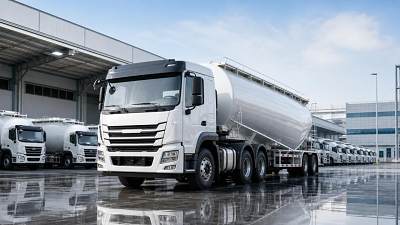
Bulk cement trailer solutions are helping fleet operators lower transport costs, improve unloading efficiency, and reduce material loss across long-distance delivery routes. For buyers comparing a bulk cement tanker, truck spare parts supplier, or broader commercial vehicle parts options, understanding these cost advantages is essential. This guide explores why bulk cement trailers are becoming a smarter investment for logistics companies, distributors, and construction machinery supplier networks.
In road transport equipment markets, cost control is rarely about a single purchase price. It is shaped by payload efficiency, unloading speed, maintenance intervals, fuel consumption, tire wear, and the reliability of the full support chain behind the trailer. For procurement teams, commercial evaluators, and distributors, a bulk cement trailer should be assessed as a working asset that affects every delivery cycle, not just as a tank on wheels.
Compared with bagged cement transport or less specialized tanker configurations, bulk cement trailers are designed for pneumatic discharge, high-volume movement, and cleaner material handling. That makes them particularly valuable across infrastructure projects, concrete batching operations, municipal works, and regional distribution networks where delivery frequency may range from 2 to 10 trips per day.
For global buyers using a professional B2B marketplace to compare trailers, spare parts, and supplier capabilities, the key question is practical: where do the savings actually come from, and how can they be protected over a 3-year to 8-year operating cycle? The sections below break down the operational logic, equipment choices, and procurement checkpoints that matter most.
Where the Delivery Cost Savings Come From
A bulk cement trailer cuts cost first by reducing handling steps. Bagged cement typically requires loading, stacking, unloading, and secondary transfer, often involving 3 to 5 labor actions before the material reaches a silo or use point. A pneumatic bulk system streamlines that process into direct loading and closed-loop unloading, which lowers labor hours and shortens site dwell time.
Payload efficiency is another major factor. In many markets, a 30 m³ to 45 m³ bulk cement tanker can move a high volume in one trip while maintaining a controlled gross vehicle weight. If an operator replaces multiple small mixed-load deliveries with one dedicated trailer run, the cost per ton-kilometer often improves because fuel, tolls, and driver time are spread across a larger payload.
Material loss is also easier to manage. Cement is sensitive to moisture and contamination, and bag rupture or manual transfer can create measurable waste. A sealed bulk cement trailer helps limit dust escape and exposure during transport and discharge. Even a 1% to 2% reduction in product loss becomes meaningful when a fleet moves hundreds or thousands of tons each month.
Unloading speed directly affects route productivity. A well-matched compressor and pipeline system may discharge within roughly 30 to 60 minutes depending on trailer volume, air pressure, hose layout, and site receiving conditions. Faster turnaround means more predictable scheduling and better trailer utilization, especially on medium-haul routes of 80 km to 300 km.
Direct and indirect savings in fleet operations
Fleet managers often focus on fuel first, but the stronger business case usually comes from combined savings across 6 areas: labor, loading efficiency, unloading time, material protection, maintenance planning, and fewer delivery disputes. Bulk systems create a more standardized process, which is useful for distributors serving multiple job sites with different unloading conditions.
- Lower labor dependence because the trailer supports mechanical discharge instead of manual handling.
- Reduced packaging cost because no bagging materials are needed for bulk delivery.
- Less site congestion because unloading can be completed in a single controlled operation.
- Better stock accuracy due to measured bulk transfer and fewer damaged units.
The comparison below shows why a dedicated bulk cement trailer often outperforms general delivery methods in commercial cement logistics.
The key takeaway is that bulk cement trailer savings are cumulative. A buyer may not see dramatic cost reduction from one factor alone, but when 4 to 6 efficiency gains are combined across frequent routes, the trailer can materially improve total delivery economics.
Key Trailer Specifications That Influence Operating Costs
Not every bulk cement tanker delivers the same cost performance. Operating economics depend heavily on tank volume, axle arrangement, tare weight, discharge system, steel or aluminum construction, and compatibility with the tractor unit. Buyers should evaluate whether the trailer is optimized for long-haul highway use, urban distribution, mining roads, or mixed-condition construction corridors.
Tank capacity is usually one of the first screening criteria. Common ranges include 28 m³, 35 m³, 40 m³, and 45 m³, but the right choice depends on local axle load regulations, cement density, and customer unloading infrastructure. A larger tank does not always create lower delivery cost if the route includes bridge limits, uneven roads, or restricted access sites.
Discharge equipment deserves equal attention. Compressor output, pressure stability, pipe routing, and residual rate all affect productivity. If unloading leaves too much residue, operators lose time and revenue on every trip. In practical procurement reviews, residue control, hose durability, and valve sealing quality should be examined alongside core trailer dimensions.
Maintenance planning must also start at the specification stage. If a trailer uses hard-to-source valves, uncommon bearings, or limited-market compressor parts, downtime costs may exceed the initial purchase savings. This is why many buyers assess the trailer and the commercial vehicle parts network together rather than as separate sourcing categories.
Specification points buyers should compare
- Tank volume and compartment design for route type and material flow stability.
- 2-axle, 3-axle, or regional-compliance axle setup based on legal payload requirements.
- Compressor power and discharge speed under standard site conditions.
- Suspension, braking, and tire specification for high-frequency heavy transport.
- Serviceability of valves, pipelines, filters, seals, and pressure gauges.
Typical specification effects on cost
The table below summarizes how common trailer choices influence operating cost over time. These are decision-oriented reference points rather than fixed universal values, because regulations, route conditions, and loading patterns vary by country and project type.
For procurement teams, the most cost-effective option is usually the trailer that fits the intended route profile and after-sales ecosystem, not simply the one with the largest capacity or the lowest quotation. The right specification balance supports both lower delivery cost and more stable fleet planning.
How Procurement Teams Should Evaluate a Bulk Cement Trailer Supplier
In B2B purchasing, trailer performance and supplier capability are inseparable. A competitive unit price can quickly lose value if spare parts are delayed for 30 days, technical communication is weak, or after-sales support does not cover cross-border operations. That is especially important for distributors and agents who need repeatable supply quality across multiple end customers.
Commercial evaluators should build a review process around product consistency, production transparency, documentation quality, and support for truck spare parts and service components. In practical terms, that means checking not only the tank and chassis details, but also the supply plan for compressors, valves, hoses, brake components, suspension parts, and routine wear items.
Lead time matters because trailer acquisition is often tied to project schedules or seasonal demand. Typical production and shipment windows may range from 3 to 8 weeks depending on specification complexity, quantity, and export destination. Delays in even one support component can interrupt deployment and reduce expected return on investment during the first operating quarter.
Digital sourcing platforms are valuable here because buyers can compare suppliers, product categories, and support resources in one workflow. Access to broader commercial vehicle parts options is especially useful when the buyer is evaluating total lifecycle cost instead of treating the trailer and its service ecosystem as separate purchases.
A practical supplier assessment framework
The table below highlights 5 procurement dimensions that are commonly used in road transport equipment sourcing. These checkpoints help buyers reduce risk before placing a first order or entering a distributor relationship.
A strong supplier review should end with a total-cost question: can this partner support the trailer through its operating life with parts access, technical guidance, and stable communication? If the answer is uncertain, the apparent low purchase cost may not hold after the first few months of operation.
Checklist before placing an order
- Confirm legal payload and axle requirements in the destination market.
- Request a detailed parts list for wear and service components.
- Review unloading system details for pressure, hose layout, and expected discharge time.
- Check estimated production and delivery cycle, including export documents.
- Verify post-sale response process for technical questions and replacement parts.
Deployment, Maintenance, and Common Cost Risks
Even the right bulk cement trailer can fail to deliver expected savings if operators neglect deployment planning. The first 30 to 90 days are critical. Drivers need training on pressure control, discharge sequence, hose handling, and cleaning practice. Site teams also need basic alignment on receiving silo conditions, safe unloading positioning, and connection standards.
Routine maintenance has a direct effect on cost predictability. Valves, air lines, seals, and compressor components should be inspected at planned intervals rather than only after a problem appears. A preventive schedule every 5,000 km to 10,000 km, with a deeper systems check every 20,000 km to 30,000 km, is common in heavy trailer operations, though actual cycles vary by road condition and usage intensity.
One common mistake is evaluating the trailer body carefully while underestimating spare parts logistics. A delayed valve, hose assembly, or brake component can immobilize a trailer during high-demand periods. That is why many experienced buyers prefer suppliers or platforms that also support truck spare parts supplier searches and broader commercial vehicle parts sourcing in parallel.
Another cost risk is specification mismatch. If a trailer is oversized for urban routes, underpowered for discharge conditions, or too heavy for local payload limits, the fleet may experience fuel inefficiency, failed route compliance, or reduced turnaround. Savings depend on fit, not just capacity.
Common operating risks and control measures
- Pressure instability during unloading can increase residue and extend discharge time.
- Infrequent seal inspection may lead to leakage, dust loss, and contamination risk.
- Poor route matching can increase fuel use and tire wear over long distances.
- Weak spare parts planning can turn a minor failure into multi-day downtime.
Maintenance priorities for lower lifecycle cost
The table below outlines practical service points that help protect delivery efficiency and trailer uptime.
For buyers and distributors, the main lesson is straightforward: bulk cement trailers lower cost most effectively when specification, operating procedure, and service support are managed as one system. Trailer savings can erode quickly if maintenance and parts planning are treated as secondary issues.
Frequently Asked Questions from Buyers and Distributors
How do I choose the right bulk cement trailer size?
Start with 4 variables: legal payload, route distance, road condition, and unloading infrastructure. A 35 m³ to 45 m³ trailer may suit regional bulk distribution, but if axle limits are strict or access roads are narrow, a smaller configuration can deliver better real-world economics. The right size is the one that maximizes legal payload without slowing the route or increasing service burden.
Which businesses benefit most from bulk cement tanker investment?
The best fit is usually companies with repetitive bulk movement needs: cement producers, ready-mix concrete networks, construction material distributors, infrastructure contractors, and municipal engineering suppliers. Fleets running high-frequency deliveries, such as 20 to 50 loads per month on repeat corridors, often see the strongest return because utilization stays high.
What spare parts should procurement teams secure early?
Priority items typically include valves, sealing components, discharge hoses, pressure gauges, brake parts, suspension wear items, and compressor service parts. If the trailer supports cross-border operations, buyers should confirm whether these parts can be delivered within a practical time frame such as 7 to 15 days, rather than relying on emergency sourcing after a breakdown.
What are the most common procurement mistakes?
The most common errors are overfocusing on purchase price, ignoring discharge efficiency, underchecking parts compatibility, and failing to confirm route compliance. Another frequent issue is choosing a supplier without clear documentation or post-sale communication processes. For B2B buyers, a trailer should always be evaluated with its full support package, not as an isolated hardware purchase.
Bulk cement trailers reduce delivery costs because they improve payload efficiency, shorten unloading time, lower manual handling, and help protect material quality during transport. For procurement professionals, business evaluators, distributors, and agents, the best buying decision comes from connecting these operational savings with the right trailer specification, reliable spare parts access, and a supplier network that can support long-term use.
A professional global heavy truck and commercial vehicle marketplace can make that process more efficient by helping buyers compare bulk cement trailer options, evaluate truck spare parts supplier capabilities, and source broader commercial vehicle parts from qualified industry partners. If you are planning to expand fleet capacity, optimize cement delivery routes, or build a stronger distribution offering, now is the right time to review your options in detail.
Contact us to get a tailored bulk cement trailer sourcing plan, compare suitable road transport equipment configurations, and learn more about supplier matching, spare parts support, and cross-border procurement solutions.
Trending News
- Manzhouli Highway Port Launches 24-Hour Freight Clearance
- Irkeshtam Port’s 24-Hour Freight Clearance Boosts Exports to Kyrgyzstan by 66%
- Erenhot-Mongolia 24-Hour Freight Clearance Marks One-Year Milestone
- MOF & MOT Launch New Freight Hub Resilience Initiative
- Six New Iran-Pakistan Land Crossings Opened, Land Clearance Cut to 6 Hours
Tag
Recommended News
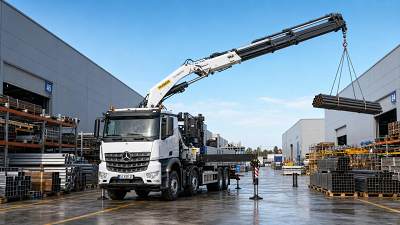
 Transportation CostsCrane Truck Price Breakdown: Capacity, Boom Type, and Operating CostCrane truck price explained by capacity, boom type, and operating cost. Compare key cost drivers, ownership value, and smart buying tips to choose the right crane truck.
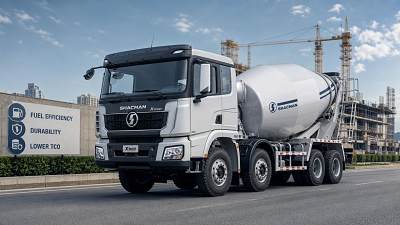
 Transportation CostsTruck Cement Mixer Price in 2026: What Changes Total Ownership CostTruck cement mixer price in 2026 depends on fuel, compliance, maintenance, financing, and resale—not just the quote. Discover how to compare real ownership cost and choose smarter.
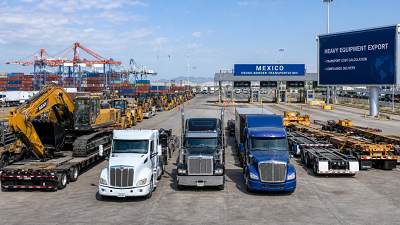
 Transportation CostsHeavy Equipment Export to Mexico: Cost Factors Beyond Shipping RatesHeavy equipment export to Mexico involves more than freight rates. Discover hidden cost factors, customs, taxes, inland delivery, and compliance tips to reduce risk and improve ROI.
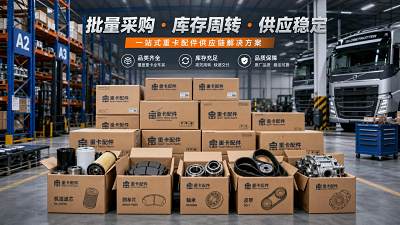
 Transportation CostsWhen Bulk Discounts From a Truck Spare Parts Supplier Really Save MoneyDiscover when a truck spare parts supplier with bulk order discounts truly cuts fleet costs—compare total cost, compatibility, inventory risk, and supplier reliability before you buy.
 Transportation CostsTruck Cement Mixer Price in 2026: What Buyers Should Budget ForTruck cement mixer price in 2026 depends on more than the base quote. Discover key cost drivers, landed cost factors, and smart sourcing tips to budget better and buy with confidence.
 Transportation CostsTruck Trailer OEM for Custom Loads: Where the Real Cost BeginsTruck trailer OEM costs start beyond the quote. Learn how custom loads, compliance, delivery, and maintenance shape true ROI—and how to choose a supplier that protects long-term fleet value.
 Transportation CostsTruck Tipper Bulk Order: Cost Factors Often Missed in Early QuotesTruck tipper bulk order costs go far beyond the first quote. Discover hidden factors in specs, shipping, compliance, parts, and support to avoid budget surprises.
![]() Transportation CostsTruck Cement Wholesale: What Impacts Margin More Than Purchase PriceTruck cement wholesale margins depend on more than purchase price. Discover how fuel use, payload, uptime, compliance, and supplier stability shape long-term profitability.
Transportation CostsTruck Cement Wholesale: What Impacts Margin More Than Purchase PriceTruck cement wholesale margins depend on more than purchase price. Discover how fuel use, payload, uptime, compliance, and supplier stability shape long-term profitability. Transportation CostsTruck Trailer OEM for Custom Loads: Where the Real Cost BeginsTruck trailer OEM costs start beyond the quote. Learn how custom loads, compliance, delivery, and maintenance shape true ROI—and how to choose a supplier that protects long-term fleet value.
 Transportation CostsTruck Tipper Bulk Order: Cost Factors Often Missed in Early QuotesTruck tipper bulk order costs go far beyond the first quote. Discover hidden factors in specs, shipping, compliance, parts, and support to avoid budget surprises.
![]() Transportation CostsTruck Cement Wholesale: What Impacts Margin More Than Purchase PriceTruck cement wholesale margins depend on more than purchase price. Discover how fuel use, payload, uptime, compliance, and supplier stability shape long-term profitability.
Transportation CostsTruck Cement Wholesale: What Impacts Margin More Than Purchase PriceTruck cement wholesale margins depend on more than purchase price. Discover how fuel use, payload, uptime, compliance, and supplier stability shape long-term profitability. Transportation CostsTruck Trailer OEM for Custom Loads: Where the Real Cost BeginsTruck trailer OEM costs start beyond the quote. Learn how custom loads, compliance, delivery, and maintenance shape true ROI—and how to choose a supplier that protects long-term fleet value.
 Transportation CostsTruck Tipper Bulk Order: Cost Factors Often Missed in Early QuotesTruck tipper bulk order costs go far beyond the first quote. Discover hidden factors in specs, shipping, compliance, parts, and support to avoid budget surprises.
![]() Transportation CostsTruck Cement Wholesale: What Impacts Margin More Than Purchase PriceTruck cement wholesale margins depend on more than purchase price. Discover how fuel use, payload, uptime, compliance, and supplier stability shape long-term profitability.
Transportation CostsTruck Cement Wholesale: What Impacts Margin More Than Purchase PriceTruck cement wholesale margins depend on more than purchase price. Discover how fuel use, payload, uptime, compliance, and supplier stability shape long-term profitability. Transportation CostsCrane Truck Cost: A Practical Guide to Total Ownership ExpenseCrane truck cost explained beyond the sticker price—compare financing, maintenance, fuel, compliance, downtime, and resale value to make smarter, lower-risk fleet investment decisions.
 Transportation CostsConstruction Machinery Cost Breakdown for Better Project BudgetingConstruction machinery cost explained clearly: compare purchase, rental, fuel, maintenance, and downtime to budget smarter, control risk, and improve project profitability.
 Transportation CostsLogging Truck Price: What Drives Cost Up or DownLogging truck price depends on configuration, payload, compliance, brand, and market timing. Learn how to compare true cost, reduce risk, and choose higher-value trucks.
 Transportation CostsCrane Truck Cost: What Affects Ownership Beyond the Purchase PriceCrane truck cost goes beyond the sticker price. Discover how fuel, maintenance, training, financing, compliance, and resale value shape true ownership costs and smarter buying decisions.
 Transportation CostsConstruction Machinery Cost Breakdown for Better Project PlanningConstruction machinery cost explained for smarter project planning. Learn key cost drivers, reduce downtime, control budgets, and choose equipment with better lifecycle value.
 Transportation CostsLogging Truck Price Guide: What Drives the Final CostLogging truck price depends on far more than chassis cost. Discover what drives total ownership cost, compare specs smarter, and choose the right truck for long-term ROI.
 Transportation CostsTruck Cement Wholesale: How Bulk Pricing Changes by Order SizeTruck cement wholesale pricing changes with order size. Learn how small, mid, and bulk purchases affect total cost, cash flow, and supplier terms to secure smarter deals.
 Transportation CostsBulldozer Price in 2026: What Actually Drives the Cost UpBulldozer price in 2026 is driven by steel, emissions rules, digital features, freight, and brand support. Learn what really raises costs and compare suppliers with confidence.
 Transportation CostsTruck Trailer Bulk Order: 7 Cost Factors That Change the Final QuoteTruck trailer bulk order pricing can change fast. Discover 7 key cost factors that affect the final quote and learn how to compare suppliers, control budget risk, and buy smarter.
 Transportation CostsConstruction Machinery Cost Planning for Multi-Stage ProjectsConstruction machinery cost planning for multi-stage projects: learn how to control equipment, transport, maintenance, and supplier costs to protect margins and improve project performance.
 Transportation CostsConstruction Machinery Price: How to Compare Quotes Without Missing Hidden CostsConstruction machinery price comparison made smarter: uncover hidden costs in freight, duties, warranty, parts, and downtime to choose the best supplier with confidence.