Crane Truck Cost Breakdown: Chassis, Crane, and Compliance
Understanding crane truck cost is essential for business evaluators comparing procurement options across global suppliers. Beyond the base price, total investment depends on three major factors: chassis specifications, crane configuration, and compliance requirements in target markets. This article breaks down each cost component clearly, helping buyers assess value, control budget risks, and make more informed sourcing decisions.
Why is crane truck cost often misunderstood in B2B sourcing?
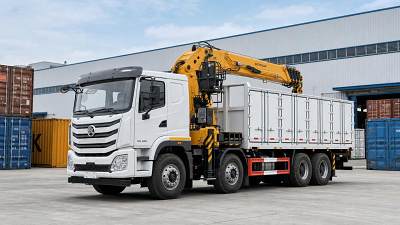
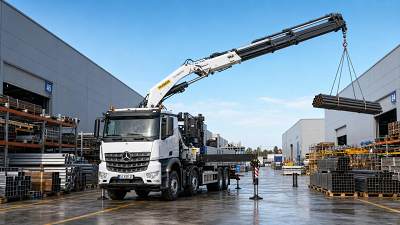
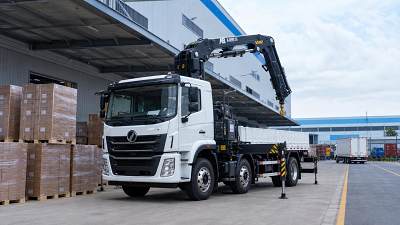
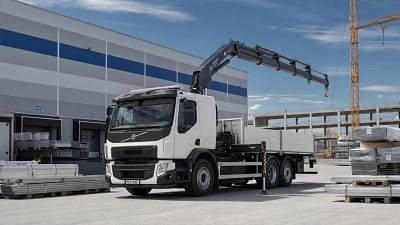
In the road transport equipment sector, buyers rarely purchase a crane truck as a single standard product. They are usually evaluating a combined system: truck chassis, lifting equipment, mounting structure, hydraulic system, safety devices, and destination-market compliance package. That is why crane truck cost can vary significantly even when two offers appear similar on the surface.
For business evaluators, the main challenge is not just price comparison. It is cost normalization. One supplier may quote only the basic chassis and crane, while another includes subframe reinforcement, PTO, outriggers, certification documents, and export packaging. Without aligning quotation scope, the lowest apparent offer may become the highest landed cost.
- Base vehicle cost changes with axle layout, engine power, transmission, suspension, and gross vehicle weight rating.
- Crane cost depends on lifting moment, boom type, outreach, control system, and hydraulic performance.
- Compliance cost may include lighting, braking adaptation, load charts, operator labels, testing documents, and country-specific registration requirements.
A professional sourcing process should therefore treat crane truck cost as a structured commercial evaluation rather than a simple unit price exercise.
How much of crane truck cost comes from the chassis?
The chassis is usually the largest cost block or the second largest after the crane, depending on the lifting class. In most practical procurement cases, chassis selection determines not only purchase price but also payload margin, road legality, operating range, and maintenance accessibility. A low-cost chassis can quickly become expensive if it limits crane capacity or creates overload risk.
Key chassis factors that change total investment
- Axle configuration such as 4x2, 6x4, 6x2, or 8x4 directly affects load distribution, legal axle loading, and mounting space.
- Engine output and torque influence both road performance and hydraulic support under demanding duty cycles.
- Wheelbase must match crane location, cargo body length, turning radius requirements, and front axle load limits.
- Cab type, braking system, emission level, and transmission specification also affect regional suitability and lifecycle cost.
The table below helps evaluators understand how chassis choices influence crane truck cost across common commercial configurations.
For many municipal, logistics support, and infrastructure service fleets, the right chassis is the foundation of reliable ROI. It is not enough to ask whether the truck can carry the crane. The better question is whether the chassis can carry the crane, the body, the payload, and the compliance burden in the destination market.
How does crane configuration reshape crane truck cost?
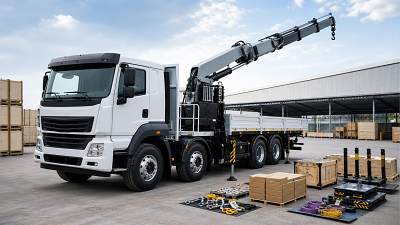
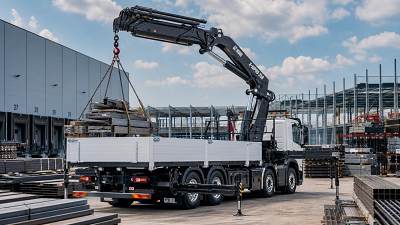
The crane unit is often the most visible cost variable, but it is also one of the most misunderstood. Buyers may focus on tonnage alone, while actual pricing depends on lifting moment, boom length, extension stages, control technology, outrigger spread, and optional attachments. A compact crane with short outreach can be far cheaper than a unit with similar rated lift but more complex working geometry.
Main crane choices that influence procurement value
- Straight boom cranes often suit heavy lifting with simpler structure and strong vertical capacity.
- Knuckle boom cranes usually offer better flexibility in confined workspaces and urban delivery tasks.
- Remote control systems, proportional hydraulics, and safety interlocks increase cost but improve operator control and jobsite efficiency.
- Optional tools such as grabs, baskets, or winches can expand application range but require extra engineering and compliance review.
The table below gives a practical comparison of crane configuration variables that commonly change crane truck cost during supplier evaluation.
A business evaluator should request the lift chart, outreach diagram, working radius information, and outrigger operating conditions before comparing offers. Without these documents, quoted crane truck cost is not decision-grade data.
Why do compliance and certification requirements add hidden cost?
Compliance is the cost area most likely to be underestimated during international sourcing. A crane truck intended for domestic operation in one country may require substantial modification before it can be registered, insured, or legally operated in another. These changes may involve road safety equipment, emissions adaptation, axle load confirmation, documentation translation, or inspection preparation.
Common compliance cost drivers
- Vehicle roadworthiness requirements, including lighting, reflectors, braking compatibility, and tires suited to local rules.
- Crane safety requirements such as load moment limitation, warning labels, overload protection, and operator documentation.
- Emission regulations and import documentation that can affect customs clearance and registration timing.
- Third-party inspection, pre-shipment verification, and document legalization in some projects or public tenders.
The following table provides a practical framework for estimating where compliance-related crane truck cost may appear.
For buyers entering unfamiliar markets, it is wise to confirm the compliance pathway before finalizing the order. In many cases, preventing one failed inspection is worth more than negotiating a small upfront discount.
Which application scenarios justify a higher crane truck cost?
Not every operation needs the same specification. The best value comes from aligning crane truck cost with the duty cycle. Under-specification creates safety and productivity problems. Over-specification ties up capital and reduces return on assets.
Scenario-based decision logic
- Urban utility work often benefits from compact dimensions, flexible boom articulation, and easier traffic compliance.
- Infrastructure and construction supply work may require stronger chassis, longer outreach, and more robust stabilizers.
- Mining or industrial projects usually demand heavy-duty frames, durable hydraulics, and simplified serviceability for tough environments.
The Global Heavy Truck Industry Platform helps buyers compare suppliers across these application categories by bringing together truck chassis, complete trucks, construction machinery, trailers, and spare parts in one digital sourcing environment. This makes it easier to judge whether a crane truck quote fits the intended operational profile instead of evaluating it in isolation.
How should business evaluators compare quotations correctly?
A disciplined quotation review process prevents costly mistakes. Instead of asking only for final price, evaluators should build a comparison sheet that separates hardware scope, document scope, delivery scope, and after-sales scope. This reveals whether crane truck cost differences come from true value or missing content.
A practical quotation checklist
- Confirm chassis brand level, axle layout, wheelbase, engine rating, transmission, and legal payload assumptions.
- Confirm crane model range, rated lifting moment, outreach, boom stages, stabilizer type, and safety devices.
- Verify whether subframe, PTO, hydraulic oil tank, cargo body, and mounting labor are included.
- Check documentation package, inspection support, export packing, spare parts, and warranty boundaries.
- Review delivery lead time, incoterms, port charges, and destination compliance assumptions.
This is where a specialized B2B platform adds value. By giving access to supplier directories, buying guides, product categories, and market information, the Global Heavy Truck Industry Platform helps procurement teams screen suppliers more efficiently and reduce evaluation blind spots.
What are common mistakes that inflate crane truck cost after purchase?
Mistake 1: Buying only by rated tonnage
Rated lift alone does not describe real working performance. If the crane cannot reach the required radius or operate safely within axle limits, the buyer may later need a different configuration or supplementary equipment.
Mistake 2: Ignoring road regulations in the destination country
A technically capable unit may still face registration barriers if dimensions, emissions, or documentation do not match local requirements. The hidden cost appears as storage, delay, modification, or restricted operation.
Mistake 3: Underestimating after-sales and spare parts support
Low initial crane truck cost can lose its advantage if replacement hydraulic components, filters, seals, or wear parts are hard to source. In commercial fleets, downtime is a cost category that should be evaluated alongside purchase price.
FAQ: what do buyers usually ask about crane truck cost?
How can I compare crane truck cost from different suppliers fairly?
Use a normalized scope sheet. Match chassis specification, crane performance, mounting content, compliance package, spare parts, warranty, and shipping terms. If any of these items differ, the quoted price is not directly comparable.
Is a higher crane truck cost always a better long-term investment?
Not always. A higher-cost unit makes sense when it improves legal operation, jobsite productivity, or fleet uptime. If the added specification does not support the actual duty cycle, the extra capital may not generate proportional value.
What documents should I request before placing an order?
Request the chassis specification sheet, crane load chart, outreach diagram, general assembly drawing, included-equipment list, warranty outline, and any compliance-related documents relevant to the destination market. These materials reduce technical ambiguity in the purchase process.
How much does customization affect crane truck cost?
Customization can have a moderate or significant impact depending on the request. Common cost drivers include special cargo body design, upgraded hydraulics, remote control, attachment interfaces, enhanced stabilizers, climate adaptation, and market-specific compliance modifications.
Why choose us for crane truck sourcing and evaluation support?
For teams responsible for supplier screening, technical comparison, and budget control, the Global Heavy Truck Industry Platform offers a practical way to evaluate crane truck cost with more clarity. The platform connects buyers with manufacturers, suppliers, and industry resources across the commercial vehicle and heavy equipment supply chain, helping reduce the time spent searching across fragmented channels.
You can consult us for chassis parameter confirmation, crane configuration matching, quotation scope comparison, delivery cycle review, destination-market compliance points, spare parts planning, and customized sourcing options. If your project requires multiple alternatives, we can also help organize supplier comparison around application scenario, budget range, and procurement timeline so that decisions are based on usable commercial data rather than headline price alone.
If you are currently evaluating crane truck cost, contact us with your required lifting capacity, working radius, road conditions, target market, and delivery expectation. This will make it easier to identify suitable suppliers, narrow technical options, and move faster toward a reliable quotation discussion.
Trending News
- Logging Truck Price in 2026: What Affects Total Ownership Cost?
- Crane Truck Cost Breakdown: Chassis, Boom, and Compliance Fees
- How to Compare a Logging Truck Distributor by Service Coverage
- Choosing a Water Truck Supplier for Dust Control Projects
- Water Truck Exporter Selection: Key Delivery and Compliance Risks
Tag
Recommended News
 Transportation CostsLogging Truck Price in 2026: What Affects Total Ownership Cost?Logging truck price in 2026 depends on more than the quote. Learn what drives total ownership cost, from fuel and maintenance to compliance, uptime, and long-term ROI.
 Transportation CostsCrane Truck Cost Breakdown: Chassis, Boom, and Compliance FeesCrane truck cost explained: compare chassis, boom, compliance fees, taxes, and shipping in one clear guide to budget smarter and choose the right supplier with confidence.
 Transportation CostsCrane Truck Price in 2026: What Drives Total Ownership CostCrane truck price in 2026 goes beyond the sticker cost. Learn what drives total ownership cost, compare suppliers smarter, and reduce fleet risk with practical buyer insights.
 Transportation CostsConstruction Machinery Cost Breakdown: Purchase, Fuel, and MaintenanceConstruction machinery cost explained: compare purchase, fuel, and maintenance to reduce lifecycle expense, improve fleet budgeting, and choose equipment with better long-term value.
 Transportation CostsSemi Trailer Manufacturer with Lightweight Design: What Cuts Fleet CostsSemi trailer manufacturer with lightweight design choices can cut fleet costs through better payload, fuel savings, and durability. See which trailer strategy fits your routes.
 Transportation CostsLow-Maintenance Truck Spare Parts: Long-Term Cost BreakdownTruck spare parts supplier with low maintenance: discover how durable parts cut downtime, labor, and lifecycle costs for fleets. Compare smarter sourcing strategies now.
 Transportation CostsTruck Cement Bulk Order: Cost Factors That Change Final PricingTruck cement bulk order pricing depends on route, payload, compliance, and supplier terms. Discover the key cost factors to compare quotes, cut hidden expenses, and buy with confidence.
 Transportation CostsCrane Truck Cost Breakdown: Chassis, Crane Unit, and Compliance FeesCrane truck cost explained: compare chassis, crane unit, taxes, and compliance fees to avoid hidden expenses, approve budgets faster, and choose the right truck with confidence.
 Transportation CostsCrane Truck Price Breakdown: Capacity, Boom Type, and Operating CostCrane truck price explained by capacity, boom type, and operating cost. Compare key cost drivers, ownership value, and smart buying tips to choose the right crane truck.
 Transportation CostsTruck Cement Mixer Price in 2026: What Changes Total Ownership CostTruck cement mixer price in 2026 depends on fuel, compliance, maintenance, financing, and resale—not just the quote. Discover how to compare real ownership cost and choose smarter.
 Transportation CostsHeavy Equipment Export to Mexico: Cost Factors Beyond Shipping RatesHeavy equipment export to Mexico involves more than freight rates. Discover hidden cost factors, customs, taxes, inland delivery, and compliance tips to reduce risk and improve ROI.
 Transportation CostsWhen Bulk Discounts From a Truck Spare Parts Supplier Really Save MoneyDiscover when a truck spare parts supplier with bulk order discounts truly cuts fleet costs—compare total cost, compatibility, inventory risk, and supplier reliability before you buy.
 Transportation CostsTruck Cement Mixer Price in 2026: What Buyers Should Budget ForTruck cement mixer price in 2026 depends on more than the base quote. Discover key cost drivers, landed cost factors, and smart sourcing tips to budget better and buy with confidence.
 Transportation CostsTruck Trailer OEM for Custom Loads: Where the Real Cost BeginsTruck trailer OEM costs start beyond the quote. Learn how custom loads, compliance, delivery, and maintenance shape true ROI—and how to choose a supplier that protects long-term fleet value.
 Transportation CostsTruck Tipper Bulk Order: Cost Factors Often Missed in Early QuotesTruck tipper bulk order costs go far beyond the first quote. Discover hidden factors in specs, shipping, compliance, parts, and support to avoid budget surprises.
![]() Transportation CostsTruck Cement Wholesale: What Impacts Margin More Than Purchase PriceTruck cement wholesale margins depend on more than purchase price. Discover how fuel use, payload, uptime, compliance, and supplier stability shape long-term profitability.
Transportation CostsTruck Cement Wholesale: What Impacts Margin More Than Purchase PriceTruck cement wholesale margins depend on more than purchase price. Discover how fuel use, payload, uptime, compliance, and supplier stability shape long-term profitability. Transportation CostsCrane Truck Cost: A Practical Guide to Total Ownership ExpenseCrane truck cost explained beyond the sticker price—compare financing, maintenance, fuel, compliance, downtime, and resale value to make smarter, lower-risk fleet investment decisions.
 Transportation CostsConstruction Machinery Cost Breakdown for Better Project BudgetingConstruction machinery cost explained clearly: compare purchase, rental, fuel, maintenance, and downtime to budget smarter, control risk, and improve project profitability.
 Transportation CostsLogging Truck Price: What Drives Cost Up or DownLogging truck price depends on configuration, payload, compliance, brand, and market timing. Learn how to compare true cost, reduce risk, and choose higher-value trucks.
 Transportation CostsCrane Truck Cost: What Affects Ownership Beyond the Purchase PriceCrane truck cost goes beyond the sticker price. Discover how fuel, maintenance, training, financing, compliance, and resale value shape true ownership costs and smarter buying decisions.
 Transportation CostsConstruction Machinery Cost Breakdown for Better Project PlanningConstruction machinery cost explained for smarter project planning. Learn key cost drivers, reduce downtime, control budgets, and choose equipment with better lifecycle value.
 Transportation CostsLogging Truck Price Guide: What Drives the Final CostLogging truck price depends on far more than chassis cost. Discover what drives total ownership cost, compare specs smarter, and choose the right truck for long-term ROI.
 Transportation CostsTruck Cement Wholesale: How Bulk Pricing Changes by Order SizeTruck cement wholesale pricing changes with order size. Learn how small, mid, and bulk purchases affect total cost, cash flow, and supplier terms to secure smarter deals.
 Transportation CostsBulldozer Price in 2026: What Actually Drives the Cost UpBulldozer price in 2026 is driven by steel, emissions rules, digital features, freight, and brand support. Learn what really raises costs and compare suppliers with confidence.
 Transportation CostsTruck Trailer Bulk Order: 7 Cost Factors That Change the Final QuoteTruck trailer bulk order pricing can change fast. Discover 7 key cost factors that affect the final quote and learn how to compare suppliers, control budget risk, and buy smarter.