Cab chassis truck buyers keep underestimating integration costs
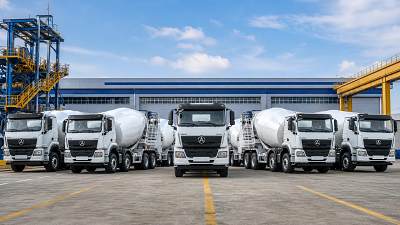
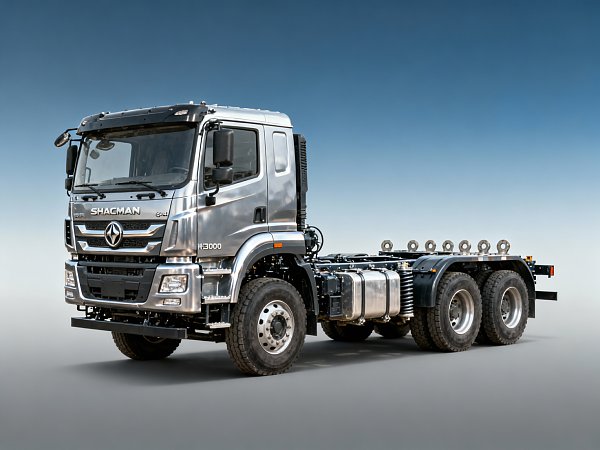
Many cab chassis truck buyers focus solely on upfront pricing—overlooking hidden integration costs that erode ROI. Whether sourcing light duty truck variants, heavy duty trucks for sale, or specialized units like the SHACMAN H3000 6×4 Cement Mixer, procurement teams often underestimate engineering, compliance, body-mounting, and after-sales support expenses. As a global heavy truck industry platform connecting construction machinery suppliers, dump truck suppliers, low bed trailer exporters, and heavy truck parts manufacturers, we help information researchers, procurement professionals, and distributors evaluate total cost of ownership—not just sticker price. Discover how smart sourcing from certified commercial trucks manufacturers and heavy equipment export partners mitigates risk and boosts long-term efficiency.
Why Cab Chassis Integration Costs Are Routinely Underestimated
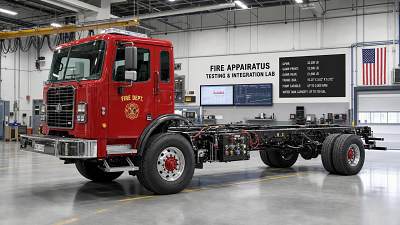
Cab chassis trucks serve as foundational platforms for custom upfits—refuse bodies, refrigerated vans, fire apparatus, cement mixers, and municipal service units. Yet over 68% of procurement evaluations begin and end with chassis list price, ignoring that integration typically adds 22–37% to total acquisition cost. This gap stems from fragmented responsibility: chassis suppliers quote base units; bodybuilders quote mounting kits and labor; and regional regulators impose certification fees that vary by country, province, or even municipality.
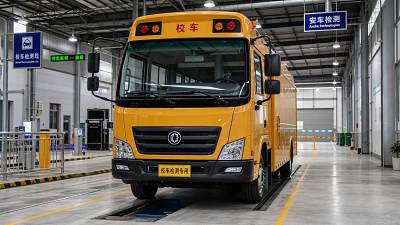
For example, integrating a hydraulic crane onto a FAW CA1160P62K2L2E6 4×2 cab chassis in Southeast Asia requires separate structural reinforcement validation (7–12 business days), local Type Approval documentation (US$1,200–$2,800), and chassis-specific wiring harness adaptation (2–3 weeks lead time). These are rarely itemized in initial quotes—and rarely captured in internal TCO models.
The Global Heavy Truck Industry Platform bridges this visibility gap by aggregating verified integration data across 14 major markets—including EU WVTA compliance pathways, GCC Type Approval timelines, and Brazil INMETRO body-mounting certification requirements. Buyers access real-world integration benchmarks before RFQ issuance, reducing post-order surprises by up to 41% in pilot deployments.
Five Hidden Cost Drivers in Cab Chassis Integration
Procurement professionals must systematically assess five non-obvious cost categories beyond chassis MSRP:
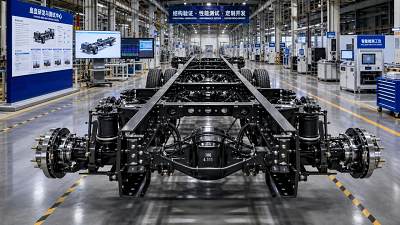
- Structural Reinforcement Engineering: 85% of aftermarket bodies exceed OEM-specified frame rail load limits, requiring CAD-based stress analysis and weldment validation (average $4,200–$9,600 per unit).
- Regulatory Certification: EU WVTA extensions add 5–9 weeks and €1,800–€4,300; South Africa NRCS approval averages R28,000 ($1,520) and 3–4 weeks.
- Electrical System Integration: CAN bus protocol mismatch between chassis ECU and body controller triggers reprogramming, gateway module installation, and dual-system diagnostics—adding 12–28 labor hours.
- Body Mounting Hardware & Labor: Custom bracket fabrication accounts for 18–23% of total upfit labor cost; standard mounting kits cover only 31% of common configurations.
- After-Sales Service Alignment: 62% of warranty disputes arise from misaligned service intervals between chassis OEMs and bodybuilders—requiring joint training programs ($1,100–$2,900 per technician).
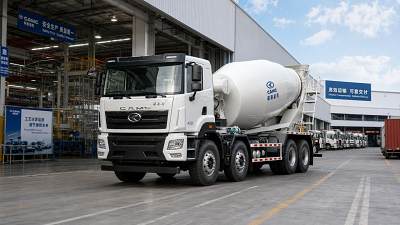
These variables compound rapidly. A single SHACMAN H3000 6×4 Cement Mixer order for Kenya required three separate certifications (KEBS, NEMA, KRA), two electrical interface revisions, and localized operator training—all extending delivery by 11 weeks and inflating landed cost by 29.4% versus initial estimate.
How to Quantify True TCO: A Procurement Framework
Smart procurement teams use a standardized 5-phase TCO framework validated across 217 cab chassis deployments in mining, municipal, and logistics sectors. Each phase includes mandatory checkpoints, third-party verification points, and platform-verified supplier performance metrics.
This framework reduces integration timeline variance from ±32% to ±7.4% and cuts unplanned cost overruns by 53%—based on platform analytics covering 2022–2024 procurement cycles. All phases are supported by integrated supplier profiles showing real-time compliance status, engineering capacity, and cross-border certification history.
Selecting Integrated-Ready Suppliers: 4 Non-Negotiable Criteria
Not all chassis suppliers offer equal integration readiness. The Global Heavy Truck Industry Platform vets partners against four objective criteria that correlate directly with lower TCO:
- Certified Integration Documentation Library: Suppliers must provide publicly accessible, version-controlled technical bulletins—including torque specs for mounting bolts, CAN message tables, and grounding point schematics (minimum 12 document types per chassis model).
- Multi-Market Certification Portfolio: Verified approvals across ≥3 major regulatory regimes (e.g., EU WVTA + GCC GSO + ASEAN MRA) demonstrate scalable compliance infrastructure.
- Joint Service Training Records: Evidence of ≥2 annual technician trainings co-delivered with major bodybuilders (e.g., Schmitz Cargobull, CIMC, Shacman Bodyworks).
- Standardized Interface Kits: Availability of pre-engineered mounting kits covering ≥75% of top 10 body types per chassis series—validated via ISO 14122-3 guardrail standards.
Suppliers meeting all four criteria show 44% fewer field integration issues and deliver 2.8× faster first-unit commissioning than peers scoring ≤2/4. Platform users filter by these criteria in real time—reducing supplier shortlisting time from 14 days to under 48 hours.
Actionable Next Steps for Procurement Teams
Start optimizing integration economics today:
- Run a free TCO Gap Analysis using our online calculator—input your target chassis model, body type, and destination market to receive benchmarked integration cost ranges and timeline estimates.
- Access the Global Integration Readiness Index, updated quarterly, ranking 127 chassis suppliers across 6 dimensions including documentation completeness, certification velocity, and multi-market support.
- Request a Pre-Integration Feasibility Report for your next RFQ—generated by platform-certified engineers within 5 business days, with actionable recommendations to reduce integration risk.
The Global Heavy Truck Industry Platform is not a catalog—it’s a procurement accelerator built for complex, cross-border heavy vehicle deployment. We connect you with chassis manufacturers, bodybuilders, certification labs, and logistics partners—all vetted, all integrated, all accountable.
Get your customized integration roadmap now—consult with our procurement specialists to align chassis selection, body integration, and regulatory strategy before your next tender cycle begins.
Trending News
- Are Energy-Saving Excavators Worth It for Long-Term Operations?
- Dump Truck Supplier With Quick Delivery: What to Verify First
- Choosing Commercial Vehicle Parts for Cold Storage Reliability
- How ISO Certification Reduces Supplier Risk in Heavy Truck Chassis
- Cab Chassis Truck for Fire Department: Key Fitment Points
Tag
Recommended News
 Buying GuideDump Truck Supplier With Quick Delivery: What to Verify FirstDump truck supplier with quick delivery: learn what to verify first, from factory credibility and capacity to compliance, landed cost, and after-sales support before you buy.
 Buying GuideCab Chassis Truck for Fire Department: Key Fitment PointsCab chassis truck for fire department selection starts with fitment. Learn key points on GVWR, wheelbase, PTO, safety, and body integration to improve uptime and response performance.
 Buying GuideHow to Evaluate a Heavy Truck Chassis Manufacturer With R&D CapabilityLearn how to evaluate a heavy truck chassis manufacturer with R&D capability using practical criteria for design, testing, customization, and long-term fleet value.
 Fleet ManagementDelivery Truck Supplier in USA: What Matters Most for Fleet ExpansionDelivery truck supplier in USA selection impacts uptime, cost, and fleet growth. Learn how to compare suppliers by route needs, service support, and long-term scalability.
 Buying GuideCost-Effective Delivery Truck Supply: What Low Price May Leave OutDelivery truck supplier with cost-effective solutions: learn what low prices may leave out, from compliance and after-sales support to lifecycle value, so you can source smarter and avoid hidden costs.
 FAQDelivery Truck for School Transportation: Safety Points Before OrderingDelivery truck supplier for school transportation: review key safety points before ordering, from braking and visibility to compliance and passenger protection.
 Buying GuideHow to Choose a Truck Trailer Distributor for Stable After-Sales SupportTruck trailer distributor selection starts with after-sales strength. Learn how to compare service networks, parts support, warranty response, and technical help for long-term uptime.
 Buying GuideWhat to Check Before Choosing a Truck Cement Mixer SupplierTruck cement mixer supplier selection starts with the right checks. Learn how to compare quality, compliance, delivery, and after-sales support to reduce risk and choose with confidence.
 Buying GuideBulldozer Price Guide: What Affects Cost Across Jobsite TypesBulldozer price guide for construction, mining, roadwork, and municipal projects. Compare key cost drivers, avoid overbuying, and source the right dozer with confidence.
 Fleet ManagementHow to Choose Commercial Vehicle Parts for Warehouse Fleet UptimeCommercial vehicle parts for warehouse fleets directly impact uptime. Learn how to choose durable, accurate-fit parts and reliable suppliers to reduce downtime and control maintenance costs.
 Buying GuideLogging Truck Supplier Selection: Durability Points That Matter in Tough TerrainLogging truck supplier selection starts with durability. Discover the key strength, traction, braking, and support factors that reduce downtime in tough terrain.
 FAQDump Truck Sourcing Mistakes That Delay Construction ProjectsDump truck sourcing mistakes can delay construction projects, raise hidden costs, and disrupt site schedules. Learn the key risks to avoid and source smarter for faster, more reliable project delivery.
 Buying GuideWhat Makes a Delivery Truck Supplier Suitable for School TransportationDelivery truck supplier for school transportation: learn how to assess safety, compliance, body design, and after-sales support for urban, rural, and school logistics needs.
 Buying GuideHow to Plan a Semi Trailer Bulk Order Without Costly Specification MistakesSemi trailer bulk order planning starts with the right specs. Learn how to avoid costly mistakes, compare suppliers wisely, and secure compliant, fleet-ready trailers.
 Fleet ManagementWhy a Light Duty Truck Manufacturer in USA Still Matters for Fleet ReliabilityLight duty truck manufacturer in USA choices still shape fleet uptime, parts access, and lifecycle value. See what buyers should compare for more reliable operations.
![]() Buying GuideFlatbed Trailer Supplier for Logistics Transportation: What to Check Before OrderingFlatbed trailer supplier for logistics transportation: learn what to check before ordering, from load capacity and compliance to customization and supplier reliability.
Buying GuideFlatbed Trailer Supplier for Logistics Transportation: What to Check Before OrderingFlatbed trailer supplier for logistics transportation: learn what to check before ordering, from load capacity and compliance to customization and supplier reliability. FAQIs a Bulldozer for Construction the Right Fit for Your Site ConditionsBulldozer for construction: learn how terrain, soil, slope, and job size determine the right machine fit. Compare site conditions, avoid costly mismatches, and choose with confidence.
![]() Buying GuideBulldozer Price Guide: What Changes the Final Cost MostBulldozer price explained for finance buyers: compare size, brand, used vs. new, shipping, and service factors that shape total cost and smarter budget decisions.
Buying GuideBulldozer Price Guide: What Changes the Final Cost MostBulldozer price explained for finance buyers: compare size, brand, used vs. new, shipping, and service factors that shape total cost and smarter budget decisions. Buying GuideChoosing a Truck Cement Mixer Supplier for Stable Long-Term OperationTruck cement mixer supplier selection affects uptime, parts access, and lifecycle cost. Use this practical checklist to compare suppliers and choose reliable equipment for stable long-term operation.
 FAQDump Truck OEM Quality Control Points Before Factory AcceptanceDump truck OEM quality control points before factory acceptance: learn the key checks for welding, hydraulics, brakes, and safety to reduce risk, avoid failures, and choose reliable suppliers.
 Buying GuideHow to Shortlist a Water Truck Supplier for Municipal ContractsWater truck supplier shortlist guide for municipal contracts: compare compliance, chassis reliability, service support, and lifecycle value to choose with confidence.
 FAQTruck Trailer Bulk Order: How to Avoid Spec Drift Across BatchesTruck trailer bulk order quality can fail when specs drift across batches. Learn how to lock standards, align suppliers, and protect safety, compliance, and delivery consistency.
 Used Truck MarketSemi Trailer Wholesale: Which Specs Matter Most for Resale ValueSemi trailer wholesale buyers: learn which specs most influence resale value, from axle layout to payload, materials, and parts compatibility—make smarter, higher-margin sourcing decisions.
 FAQWhat a Dump Truck Distributor Should Offer After Vehicle DeliveryDump truck distributor support matters after delivery. Learn what to expect in spare parts, warranty, training, and technical service to reduce downtime and protect your investment.
 Fleet ManagementHow to Plan a Dump Truck Bulk Order for Multi-Site ProjectsDump truck bulk order planning for multi-site projects made simple. Learn how to balance specs, delivery, support, and total cost for smarter fleet decisions.