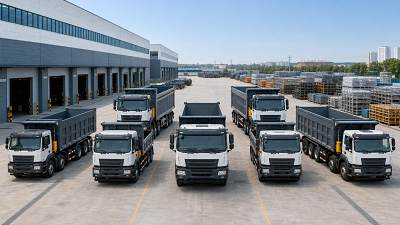
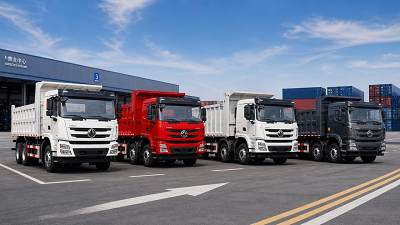
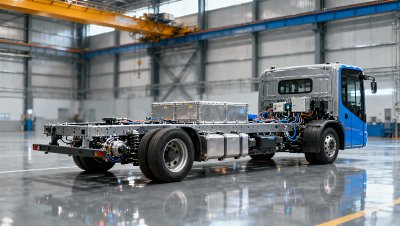
Truck Military Demand Is Shifting Toward Modular Designs
As defense fleets evolve, truck military demand is increasingly shifting toward modular platforms that improve flexibility, maintenance, and mission readiness. From off road truck performance and construction truck adaptability to truck battery efficiency, truck lighting upgrades, and support for mining truck or tipper trailer logistics, modular design is reshaping procurement priorities across global heavy vehicle markets.
Why military truck demand is moving from fixed platforms to modular architectures
For procurement teams, the main question is no longer whether a truck can carry a payload from point A to point B. The decision now centers on how fast that vehicle can be adapted for different missions within a 3-stage operating cycle: deployment, sustainment, and field recovery. In military and dual-use fleets, a modular truck platform reduces downtime, simplifies spare parts planning, and supports faster body conversion across logistics, engineering, and support roles.
This shift matters beyond defense procurement. Dealers, distributors, and project evaluators in the road transport equipment sector increasingly compare military-grade modular trucks with off road truck, construction truck, and mining truck specifications because many chassis principles overlap. A shared frame strategy, interchangeable body interfaces, and standardized electrical architecture can improve fleet utilization over 5-10 years of operation, especially where terrain, climate, and mission mix vary.
Fixed-purpose vehicles still have a role in highly specialized tasks, but they often create inventory rigidity. A fleet manager may need one vehicle for cargo today, a workshop module next week, and a communications shelter next month. Modular designs help reduce the need to procure 3 separate vehicle categories when 1 base truck platform can support multiple mission kits, subject to axle load, power take-off, and body integration limits.
For information researchers and commercial assessment teams, the procurement value is clear: modular truck military demand reflects a broader market move toward lifecycle efficiency. It is not only about tactical flexibility. It is also about easier supplier comparison, clearer maintenance forecasting, and better cross-border sourcing alignment through platforms that connect chassis makers, body builders, parts suppliers, and international buyers.
What procurement teams usually expect from a modular heavy truck platform
- A common chassis and cab architecture that supports multiple body configurations, typically including cargo bed, fuel support, maintenance module, shelter body, or recovery equipment.
- Electrical and lighting interfaces that allow truck lighting upgrades, auxiliary power integration, and communication equipment support without a complete rewiring program.
- Serviceability targets such as routine inspection intervals measured in weekly, monthly, and quarterly schedules, with simplified access to filters, batteries, braking lines, and suspension components.
- Operational compatibility across paved roads, rough ground, construction access routes, and mixed logistics corridors where off road truck capability and civil transport efficiency must coexist.
Which vehicle scenarios benefit most from modular truck design?
Not every heavy vehicle application needs the same degree of modularity. However, the concept is especially useful when the operating environment changes faster than the replacement cycle. In defense support, border logistics, engineering mobility, and emergency infrastructure work, the same truck may need to alternate between road convoy use and off-road support within 24-72 hours. That is where a modular platform creates measurable planning advantages.
A construction truck used in remote projects often shares requirements with military logistics vehicles: reinforced suspension, service-friendly driveline layout, adaptable body mounting, and reliable truck battery performance under repeated starts, auxiliary load demand, and cold-weather operation. Similarly, a mining truck support vehicle may require lighting reinforcement, dust-resistant connectors, and rapid component replacement. These are all areas where modular design simplifies specification and sourcing.
Tipper trailer coordination also matters. In mixed fleets, a modular tractor or rigid truck can support material movement, temporary base construction, and emergency supply transport. Buyers should therefore assess body interchange systems, trailer coupling compatibility, and the practicality of field conversion within a 1-2 day maintenance window. The more standardized the interface, the lower the disruption to mission scheduling and regional parts stocking.
The table below helps procurement teams map typical operational scenarios to modular design priorities. It is particularly useful for distributors and sourcing managers comparing suppliers across truck chassis, complete trucks, trailers, and spare parts categories.
This comparison shows that modularity is not a single feature. It is a decision framework. Buyers who define the intended mission combinations early can narrow down suppliers more effectively and avoid overpaying for specialized features that do not match their actual route, load, and maintenance conditions.
How distributors and agents can use scenario mapping
For channel partners, scenario mapping improves quotation accuracy. Instead of offering a generic truck, they can present a modular package with optional body systems, battery specification, lighting package, and trailer interface. This shortens technical clarification cycles and helps business evaluators compare at least 4 core dimensions: base vehicle, mission kit, service support, and compliance readiness.
What technical features should buyers examine first?
In modular truck procurement, the visible body configuration is only one layer. The real value sits in the underlying platform. Buyers should start with chassis design, frame reinforcement logic, axle arrangement, and power distribution layout. A modular platform should allow configuration changes without compromising structural integrity or maintenance access. In practice, this means checking frame drilling policy, mounting point standardization, cable routing protection, and power take-off integration options.
Truck battery architecture is another critical issue. In military and heavy-duty support use, batteries do more than start the engine. They may support communications, auxiliary lighting, idle electrical loads, and intermittent onboard equipment. Procurement teams should ask whether the battery system is easy to replace in the field, whether voltage requirements match mission equipment, and whether charging capacity remains stable during low-speed or stop-start operations.
Truck lighting deserves equal attention. Modular fleets often operate at night, in dust, rain, convoy formations, or constrained work sites. Lighting upgrades should not be treated as accessories added at the end of the build process. Buyers should evaluate headlamp protection, connector sealing, service life, beam suitability, and compatibility with blackout, convoy, or work-light functions where applicable within legal and operational limits.
The following table summarizes practical technical checkpoints that sourcing teams can use during supplier communication, pre-order evaluation, and factory comparison. It covers parameter logic, integration risk, and service implications rather than vague feature claims.
A useful rule for buyers is to separate core platform questions from body-specific questions. If the chassis, battery system, and lighting architecture are weak, a modular body strategy will not deliver real readiness gains. Strong suppliers should be able to explain integration boundaries, not just showcase finished vehicle photos.
Three technical checks that are often overlooked
1. Cable and connector protection
Off road truck and construction truck environments expose wiring to vibration, mud, water spray, and mechanical impact. If the electrical design is not protected, truck lighting and battery reliability can decline long before the chassis reaches its expected service interval.
2. Module mounting consistency
Mounting points should support repeatable installation and removal. When tolerances, fastener types, and body interface geometry vary too much, the practical conversion time can grow from several hours to multiple days.
3. Parts compatibility across variants
A modular truck strategy only saves cost when filters, brake components, lamps, batteries, and service tools are shared across enough units. For small fleets, even 3-5 interchangeable service parts categories can make a noticeable difference in stocking complexity.
How should procurement teams compare modular truck options and supplier risk?
Procurement in the road transport equipment sector is rarely decided by vehicle price alone. Buyers must balance technical suitability, supplier responsiveness, delivery timing, compliance support, and after-sales continuity. For modular truck military demand, this balance is even more important because the cost of a poor platform choice appears later in spare parts duplication, longer service downtime, and difficult module integration.
A practical evaluation model uses 5 key checkpoints: mission fit, platform commonality, lead time, documentation quality, and service support. Lead times can vary by configuration, but buyers often work within planning windows such as 4-8 weeks for standard export-ready truck variants and longer cycles for customized body integration or region-specific documentation. Early clarification can prevent repeated RFQ revisions.
Commercial assessment personnel should also ask whether the supplier ecosystem is broad enough to support expansion. A vehicle may look competitive at initial order stage, but if truck chassis parts, lighting components, battery replacements, or trailer couplings require separate disconnected sourcing, lifecycle management becomes inefficient. This is where an industry-focused B2B platform offers concrete value by consolidating product discovery and supplier comparison in one channel.
For cross-border buyers, standardized communication is essential. That includes technical sheets, parts lists, export packaging details, optional configuration ranges, and applicable compliance references. When this information is fragmented, procurement timelines lengthen and distributor negotiations become less reliable.
Recommended comparison checklist before issuing a purchase decision
- Define 3 mission priorities first: payload role, terrain profile, and required body interchange frequency.
- Request confirmation on chassis compatibility, truck battery specification, lighting configuration, and trailer or module interfaces.
- Check delivery structure: base truck only, truck plus body, or full package including spare parts and documentation.
- Review after-sales readiness for 6-12 months, including wear parts planning, remote technical support, and replacement component availability.
- Compare at least 2-3 supplier paths to avoid locking into a platform with poor scaling potential.
Common mistakes during modular truck sourcing
- Choosing the highest payload configuration without checking whether the frame and body interface remain practical for rapid reconfiguration.
- Focusing on engine output while ignoring battery reserve, lighting system durability, or electrical integration needs.
- Treating mining truck, construction truck, and military support truck needs as completely separate, even when the sourcing logic and service challenges overlap.
- Underestimating the value of a supplier platform that can compare complete trucks, chassis, trailers, and spare parts in one procurement workflow.
What standards, documentation, and implementation steps should buyers prepare for?
Even when no single international standard defines every modular truck configuration, buyers should still work with a documentation checklist. In export and project procurement, typical review points include vehicle technical specifications, axle load data, lighting compliance for destination markets, electrical diagrams, spare parts recommendations, and inspection records. For special uses, additional local or project-specific requirements may apply.
Implementation usually works best in 4 steps. First comes requirement definition, including terrain, body type, load range, and target delivery period. Second comes platform matching, where suppliers confirm whether the truck chassis supports the requested modules. Third comes documentation and commercial alignment, covering quotation, lead time, packing, and support scope. Fourth comes pre-shipment inspection and spare parts planning. Each stage reduces procurement risk if completed in sequence.
Buyers should also confirm service intervals and replacement planning. In demanding environments, routine inspection may be scheduled weekly, preventive service monthly, and deeper system review quarterly. This does not guarantee uniform results across all fleets, but it provides a practical framework for comparing suppliers and estimating field workload. A modular platform only performs well if maintenance routines can be standardized across vehicles and mission kits.
For companies entering new regional markets, the documentation burden can be as important as the vehicle itself. Distributors and agents benefit when suppliers can provide multilingual product information, clear option lists, and organized component references. This is especially relevant for mixed sourcing projects involving truck chassis, complete trucks, tipper trailer units, and spare parts packages.
FAQ: practical questions buyers often ask
How do I know whether a modular truck is better than a dedicated configuration?
If your fleet performs 2 or more distinct tasks within the same operating year, modularity is usually worth evaluating. The key is whether body conversion, parts sharing, and maintenance commonality can reduce the number of separate vehicle types you need to hold.
Which areas should be checked first on an off road truck or construction truck platform?
Start with chassis strength, suspension suitability, electrical protection, truck battery access, and lighting durability. These five checks often reveal whether the platform can handle real field conditions or only standard road use.
What is a typical sourcing timeline for modular heavy trucks?
For standard configurations, evaluation and quotation may move within 7-15 days if technical requirements are clear. Customized combinations involving body integration, documentation review, and accessories usually require longer coordination and should be planned earlier.
Can the same sourcing logic apply to mining truck support vehicles and tipper trailer operations?
Yes, especially when the fleet requires durable chassis components, service-friendly layout, and attachment compatibility. The exact configuration differs, but the procurement framework often overlaps in parts planning, body matching, and route condition analysis.
Why work with a specialized global heavy truck industry platform?
In modular truck sourcing, the biggest challenge is not always finding a single product. It is connecting the right combination of chassis suppliers, complete truck manufacturers, body solution partners, trailer providers, and spare parts sources. A specialized global heavy truck industry platform helps buyers manage that complexity by bringing these resources into one digital marketplace focused on commercial vehicles and heavy equipment.
This matters for researchers, procurement officers, business evaluators, and distributors because modular truck military demand often intersects with civil heavy-duty applications. A platform that covers Truck Chassis & Cab, Complete Trucks, Light Trucks, Construction Machinery, Trailers & Semi-Trailers, and Spare Parts allows users to compare technical options across the supply chain instead of evaluating each category in isolation.
The practical benefit is faster decision support. Buyers can review supplier capabilities, product categories, and industry insights in one place, while manufacturers and distributors gain more direct exposure to international demand. That is especially useful when a project requires not only the truck itself, but also options for truck lighting upgrades, battery-related components, maintenance parts, or trailer matching for field logistics.
If you are assessing modular truck options, we can support the next step with targeted sourcing assistance rather than generic sales language. You can consult us for chassis and body parameter confirmation, off road truck or construction truck selection, truck battery and lighting configuration review, tipper trailer matching, expected delivery cycle, spare parts planning, and supplier comparison for export-oriented projects. This makes it easier to move from market research to a workable procurement shortlist.
What you can discuss with us now
- Base vehicle and mission module compatibility for modular truck procurement.
- Comparison of off road truck, construction truck, and mining truck support configurations.
- Truck battery, lighting, and electrical system requirements for demanding field use.
- Delivery planning, documentation questions, spare parts packages, and quotation coordination.
If your team is narrowing down suppliers or building a new distributor portfolio, a structured inquiry can save weeks of back-and-forth. Share your target application, configuration range, and timing window, and we can help identify suitable products and supplier options across the global heavy truck ecosystem.
Trending News
- Are Energy-Saving Excavators Worth It for Long-Term Operations?
- Dump Truck Supplier With Quick Delivery: What to Verify First
- Choosing Commercial Vehicle Parts for Cold Storage Reliability
- How ISO Certification Reduces Supplier Risk in Heavy Truck Chassis
- Cab Chassis Truck for Fire Department: Key Fitment Points
Tag
Recommended News
 Market AnalysisExcavator Manufacturer in China: How to Compare Quality Across FactoriesExcavator manufacturer in China selection is no longer about price alone. Learn how to compare factory quality, reliability, safety, and after-sales support for smarter sourcing.
 Market AnalysisTruck Cement Mixer Manufacturer Comparison: Capacity, Build, and Lead TimeTruck cement mixer manufacturer comparison guide covering capacity, build quality, and lead time to help buyers reduce risk, improve uptime, and choose the right supplier faster.
 Market AnalysisPortable Construction Machinery Supplier Options for Fast-Changing Job SitesExplore how a construction machinery supplier with portable options can help fast-changing job sites stay efficient, reduce relocation delays, and improve uptime with smarter sourcing.
 Market AnalysisWhat Sets a Reliable Truck Trailer Distributor Apart in Regional MarketsTruck trailer distributor selection made easier: discover the key traits that define reliability in regional markets, from stable supply and service support to scalable growth potential.
 Market AnalysisConstruction Machinery Price Swings: What They Mean for 2026 BudgetsConstruction machinery price swings are reshaping 2026 budgets. Learn how volatility affects capex, supplier selection, and timing—and how to cut risk with smarter buying strategies.
 Market AnalysisTruck Cement Exporter Trends in Emerging Infrastructure MarketsTruck cement exporter trends in emerging markets: discover where demand is rising fastest, what buyers expect, and how reliable suppliers win in infrastructure growth.
 Market AnalysisWhat Sets a Reliable Excavator Manufacturer in China ApartExcavator manufacturer in China selection starts with quality, capacity, and service. Discover how to identify reliable suppliers, reduce sourcing risks, and improve long-term equipment value.
 Market AnalysisCrane Truck Price Trends: What Changed and What to ExpectCrane truck price trends explained: discover what changed, which cost drivers matter most, and what buyers should expect next to source smarter and reduce total investment risk.
 Market AnalysisCommercial Trucks Manufacturer in Germany: Quality vs Total CostCommercial trucks manufacturer in Germany choices go beyond build quality. Explore how uptime, compliance, fuel efficiency, and resale value shape total cost and smarter fleet investment.
 Market AnalysisWhen Truck Tipper Wholesale Makes More Sense Than Local SourcingTruck tipper wholesale often beats local sourcing when you need better pricing, broader specs, and stable supply. Learn when wholesale improves fleet value and procurement efficiency.
 Market AnalysisDump Truck Wholesale Margins, Stock Risk, and Model Mix ExplainedDump truck wholesale explained: learn how margins, stock risk, and model mix affect dealer profit. Discover smarter sourcing strategies to improve turnover and scale sales.
 Market AnalysisLogging Truck Distributor vs Factory: Which Option Fits Local DemandLogging truck distributor or factory-direct supplier? Compare local demand, pricing, delivery speed, customization, and after-sales support to choose the best sourcing model for sustainable truck sales growth.
 Market AnalysisLogging Truck Producer Trends Shaping the 2026 Forestry MarketLogging truck producer trends for 2026: discover how durability, fuel efficiency, compliance, and supplier support are reshaping forestry truck sourcing for dealers and distributors.
 Market AnalysisWhen a Dump Truck Distributor Is Better Than Direct Factory BuyingDump truck distributor or factory direct? Discover when a qualified dump truck distributor offers faster delivery, lower sourcing risk, better local support, and smarter fleet value.
 Market AnalysisHeavy Equipment Export to Africa: Market Gaps, Demand Shifts, and Entry TimingHeavy equipment export to Africa: identify market gaps, demand shifts, and the best entry timing to reduce risk, compare suppliers, and capture profitable growth opportunities.
 Market Analysis2026 Independent Site Strategy White Paper: AI Search Reshapes Heavy-Duty B2B ContentAI search reshapes heavy-duty B2B content: Discover how ISO 15118–compliant electric dump trucks and structured site strategy drive global procurement visibility in 2026.
 Market AnalysisConstruction Machinery Cost Trends That Affect Truck ProcurementConstruction machinery cost trends are reshaping truck procurement. Learn how material, labor, and supply chain shifts affect pricing, timing, and smarter fleet sourcing decisions.
 Market AnalysisIs Truck Tipper Wholesale the Right Fit for Seasonal DemandTruck tipper wholesale: learn if it’s the right strategy for seasonal demand. Compare cost, inventory, lead time, and supplier reliability to source smarter.
 Market AnalysisCommercial Trucks Manufacturers in Germany: Quality, Cost, and Export ValueCommercial trucks manufacturer in Germany insights: compare quality, total cost, and export readiness with a practical checklist to choose reliable partners for global fleet growth.
 Market AnalysisWhat Sets Heavy Truck Parts Manufacturers in Germany ApartHeavy truck parts manufacturer in Germany: discover why global buyers value German suppliers for precision engineering, stable quality, export reliability, and lower sourcing risk.
 Market AnalysisConstruction Machinery Price Trends: What Is Changing This YearConstruction machinery price trends are changing fast this year. Explore key cost drivers, supplier comparison tips, and smarter sourcing insights for global equipment buyers.
 Market AnalysisBulldozer Price Gaps Explained by Undercarriage, Power, and BrandBulldozer price explained: see how undercarriage, power, and brand affect cost, uptime, and resale. Compare bulldozer for construction options and buy smarter today.
 Market AnalysisExcavator Price in 2026: What Is Pushing Costs Up or Down?Excavator price in 2026 explained: compare excavator for sale, excavator rental, excavator parts and attachments, and see what drives costs up or down before you buy.
 Market AnalysisWhy Dump Truck Prices Vary So Much Between Similar ModelsDump truck price varies by chassis, hydraulics, payload, and support. Compare any dump truck for sale or truck tipper for sale smarter with this buyer-focused guide.
 Market Analysis2026 Q1 China Urban Passenger Volume +12.3%; EV Chassis Export Demand RisesNew energy bus chassis demand surges as China's Q1 2026 urban passenger volume rises 12.3% — key export opportunity for EV chassis, e-axles & steer-by-wire systems.